
Plum Tree Diseases: Identifying Silver Leaf, Rust and Rot
Most plum problems are one of six things. How to tell them apart by what the leaves, fruit and bark show, and which ones mean the tree is lost.
 By
On this page
Narrow it by what is affected first — leaves, fruit, or bark. That alone takes six possibilities down to one or two.
Identify by what is affected
| What you see | Likely cause | Serious? |
|---|---|---|
| Silvery sheen, one branch at a time | Silver leaf | Usually fatal |
| Sunken dark bark, amber gum, dieback | Bacterial canker | Often fatal |
| Fruit brown, rings of buff pustules | Brown rot | Crop, not tree |
| Yellow leaf spots, orange pustules beneath | Plum rust | Cosmetic to moderate |
| Fruit hollow, elongated, no stone | Pocket plum | Crop only |
| Leaves curled, sticky, ants present | Aphids | Minor |
| Small round holes in leaves | Shot hole — often canker | Depends on bark |
| Gum from a clean wound, nothing else | Gummosis, stress | Usually not disease |
Silver leaf
- Silvery sheen on foliage, starting on one branch and spreading over seasons
- The definitive test: cut a branch over an inch thick. A dark purple or brown stain through the wood confirms it. No stain means false silver leaf, a stress response, which trees recover from
- Enters through wounds, which is why winter pruning is the main route in
- Cut affected branches back into clean stain-free wood in summer, well below the stain
- Burn or bin the prunings. Do not compost or leave them stacked
- Usually fatal within a few years once it reaches the trunk
Bacterial canker
- Sunken, dark patches on bark, often oozing amber gum
- Dieback of the branch above the patch
- Shot hole — small round holes in leaves where infected tissue drops out
- Worst on wet, heavy soils and on stressed trees
- Cut well back into clean wood in summer, sterilising tools between every cut
- Improve drainage and vigour. A tree growing strongly resists it far better
- Canker on the main trunk generally means the tree is lost
Brown rot
- Fruit turns brown and firm, with concentric rings of buff pustules
- Shrivels into a mummy that stays on the tree through winter
- Those mummies are next year’s infection, which makes winter clean-up the control
- Enters through skin wounds from wasps, birds, hail, or fruit touching fruit
- Thin the fruit so they do not touch, and pick up windfalls
- Remove every mummy in winter. This matters more than any spray
Prune stone fruit in summer, never in winter
Plums, cherries, apricots and peaches are all pruned between late spring and midsummer, when the tree is in active growth and wounds seal quickly.
Winter pruning is how silver leaf and bacterial canker get in — spores are abundant in damp weather and the cut stays open for months. Observing this one rule prevents more plum disease than everything else on this page combined.
Plum rust
- Yellow spots on the upper leaf surface, orange-brown pustules underneath
- Late summer, often after a wet spell
- Causes early leaf fall, which weakens the tree over several seasons but rarely kills it
- Rake and remove fallen leaves, which carry it over
- Improve airflow by thinning the canopy in summer
Pocket plum
- Fruit elongates into a hollow pod with no stone, greyish and distorted
- A fungal disease, related to peach leaf curl
- Remove and destroy affected fruit and prune out affected shoots
- Does not kill the tree, and a wet spring is usually behind a bad year
Keeping a plum healthy
- Summer pruning only, and only what is needed
- Clean, sharp tools, sterilised between trees and between cuts on a diseased tree
- Do not leave stubs. Cut to the branch collar so the wound can seal
- Clear fallen fruit and leaves every autumn
- Mulch, keep it off the trunk, and water in a dry summer
- Do not plant into wet ground — bacterial canker is far worse on poorly drained soil
- Burn or bin diseased material. Composting it keeps the inoculum in the garden
Common questions
What are the most common plum tree diseases?
How do I know if my plum has silver leaf?
What causes brown rot on plums?
When should I prune a plum tree?
Can a plum tree recover from bacterial canker?
Is gum oozing from a plum tree always a disease?
Backyard Weekly
Know what to plant, week by week
Join the weekly email for seasonal jobs, fixes for what is going wrong, and gear worth buying.
Not ready to subscribe? The planting calendar is free and needs no email.
By subscribing you agree to our privacy policy. Grow In Backyard will never sell your address.
Keep reading
Tomato Blight: Telling Early From Late, and What to Do
Late blight destroys a plant in days and there is no cure. How to identify it against early blight, act fast enough to save the fruit, and prevent it next year.
How to Grow Apple Trees: Rootstock and Pollination First
Two decisions made at purchase set the size of the tree and whether it ever fruits. Rootstock codes, flowering groups, and the pruning that keeps it productive.
Powdery Mildew: Why It Spreads and What Actually Stops It
Powdery mildew is the one fungus that does not need wet leaves — it thrives in humid air and dry foliage. How to spot it early and what treatments hold up.
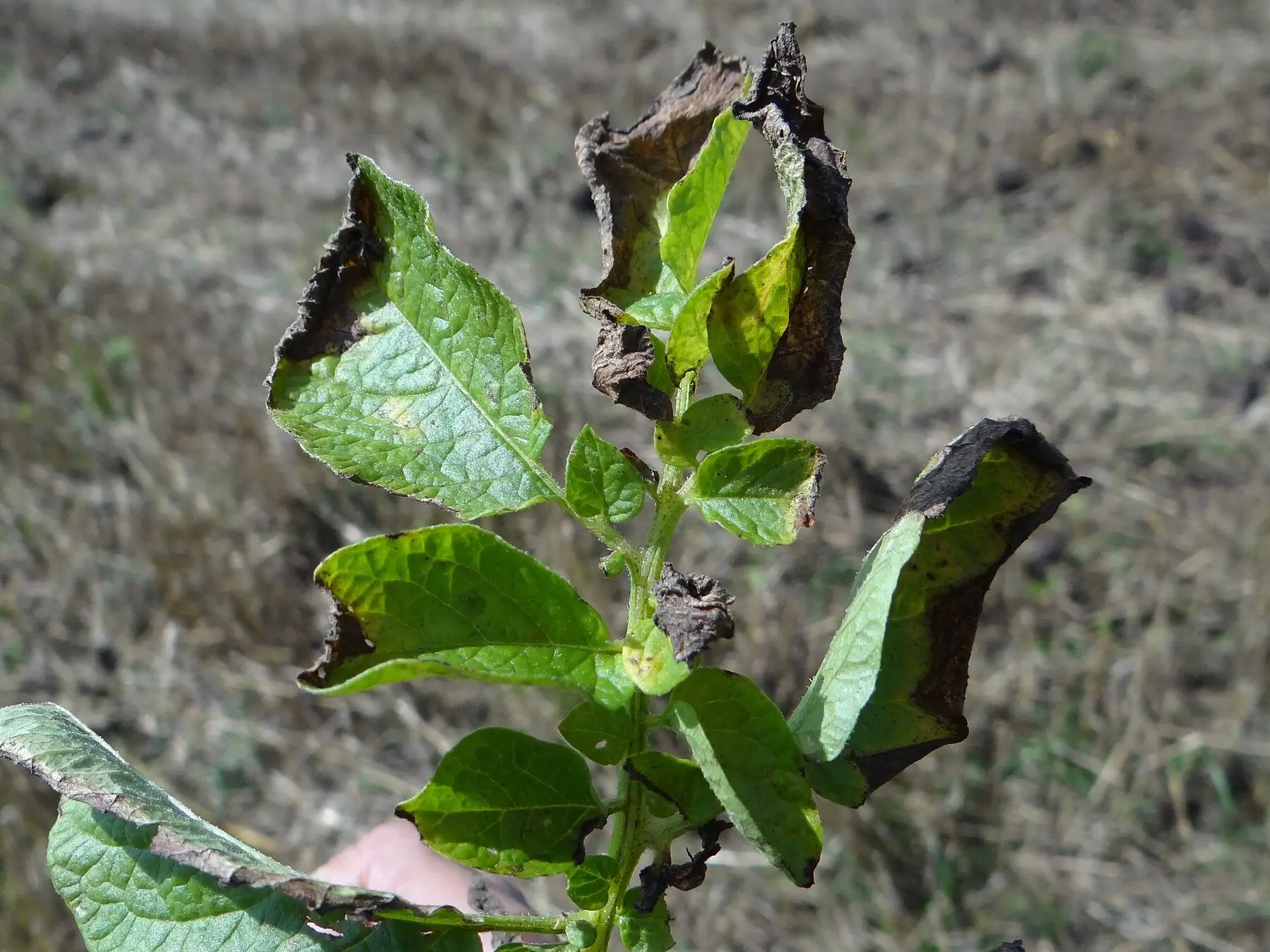
What Is Blight in Plants? Fast Death of Leaves and Stems
Blight is rapid tissue death from fungal or bacterial infection — not one disease. What separates it from wilt, rot, spot and mildew.