Tomato Blight: Telling Early From Late, and What to Do
Late blight destroys a plant in days and there is no cure. How to identify it against early blight, act fast enough to save the fruit, and prevent it next year.
.jpg)
On this page
There are two diseases called blight, and confusing them wastes the only thing that matters with the serious one: time.
Early blight is a nuisance you manage for weeks. Late blight can take a healthy plant to dead in three to five days, and once you can see it there is nothing to spray that will stop it.
Telling them apart
| Early blight (Alternaria) | Late blight (Phytophthora) | |
|---|---|---|
| Starts on | Oldest, lowest leaves | Anywhere, often upper leaves |
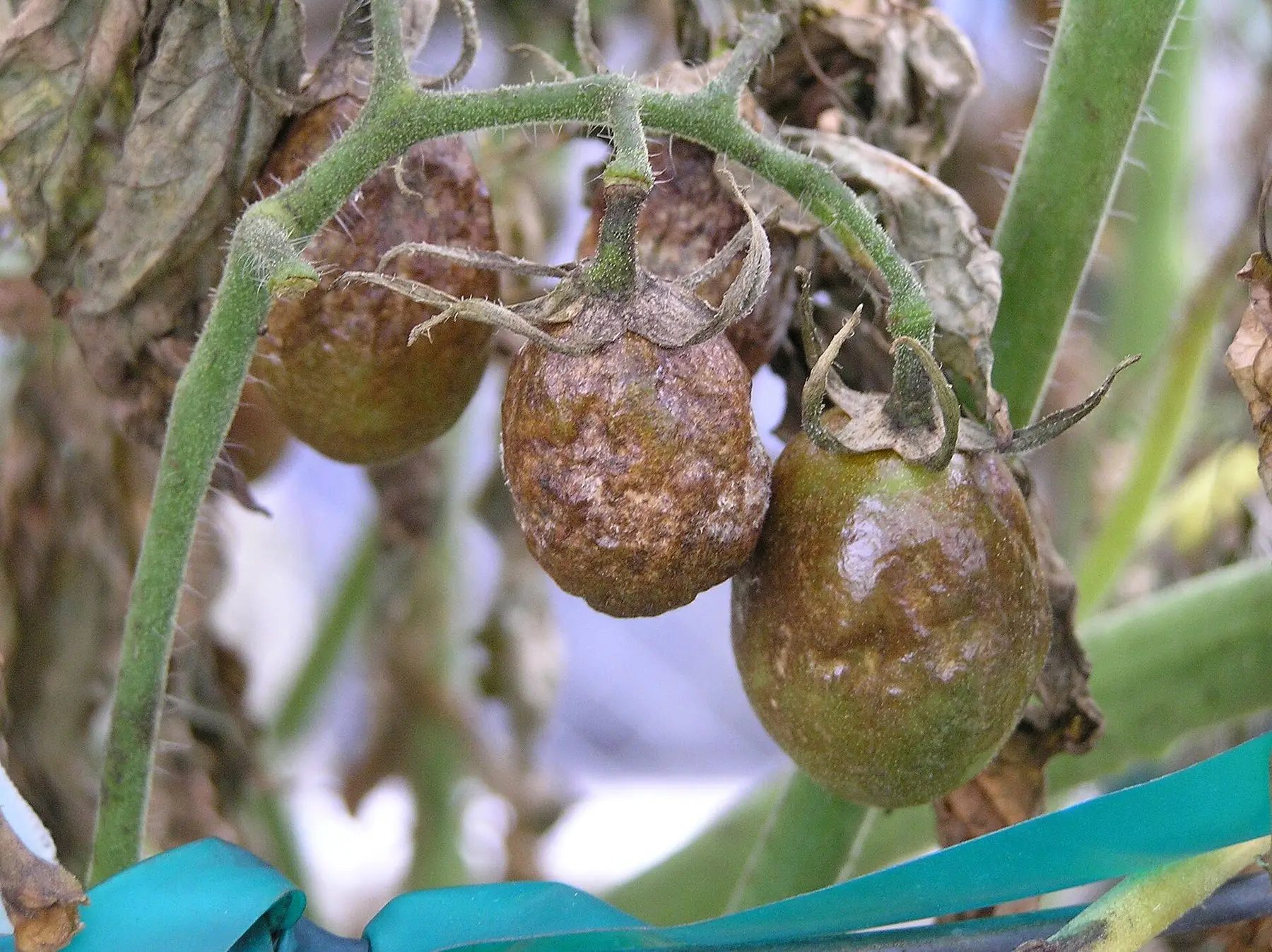
| Lesion | Brown, concentric rings, target-like | Greasy grey-green, then brown-black |
| Margin | Yellow halo | Pale green or water-soaked halo |
| Underside | Nothing distinctive | White fuzzy growth in humid weather |
| Stems | Dark sunken lesions | Dark brown-black patches |
| Fruit | Leathery dark patch at the stem end | Firm brown greasy blotches, spreading |
| Speed | Weeks | 3–5 days |
| Weather | Warm and humid | Cool, wet, humid — nights around 50–60°F |
| Outcome | Reduced crop | Total loss |
The two most reliable tells: rings mean early blight, and speed means late blight. If a plant looked fine on Monday and is collapsing on Thursday, it is late blight.
Late blight is the potato famine pathogen
Phytophthora infestans is the organism that caused the Irish potato famine, and it moves through tomatoes and potatoes with the same ferocity. It spreads on wind-blown spores over considerable distances, so an outbreak in a neighbouring garden or a nearby field genuinely is your problem too. This is why acting within a day matters.
What to do about late blight
There is no treatment once it is present. The response is containment and salvage:
- Remove affected plants entirely, on the day you find it. Do not try to prune it out — by the time lesions show, the spores are already spread through the plant.
- Bag them and bin them, or burn them. Do not compost — a domestic heap does not get hot enough reliably.
- Harvest every firm, completely unmarked green fruit. Wash, dry, and ripen indoors in a paper bag or on a windowsill. This usually rescues a real portion of the crop.
- Discard anything with a mark or a soft patch, however small.
- Wash your hands and disinfect tools before touching other plants.
- Lift nearby potatoes if their foliage is affected — cut the tops off, wait two to three weeks, then harvest, as covered in growing potatoes.
Do not can or preserve blighted tomatoes
Blight raises the pH of the flesh. Standard water-bath canning recipes rely on tomatoes being acidic enough to prevent botulism, and blighted fruit can fall outside that assumption. Eat clean fruit fresh, or freeze it — do not preserve it by any method that depends on acidity.
What to do about early blight
Much less dramatic. The plant will usually crop through it.
- Remove affected lower leaves as they appear, and any leaf touching the soil.
- Mulch — early blight spores live in soil and splash upward onto foliage. Two to three inches of mulch cuts that off, and it is the single most effective step.
- Water at the base, never overhead.
- Feed and keep the plant vigorous. A strong plant outgrows the damage; a stressed one does not.
- Improve airflow by removing crowded growth.
Prevention, which is where the work actually is
Everything that keeps foliage dry and air moving:
Spacing. Crowding is the root cause of most fungal problems on tomatoes. Two to three feet between indeterminate plants.
Watering. At the base, in the morning, so any splash dries by evening. Drip or a can with the rose off, never a sprinkler.
Mulch. Stops soil splash, which is the main infection route for early blight.
Pruning. Remove the lowest 12 inches of leaves once plants are established, and side shoots on indeterminate types. Air needs to move through the plant.
Rotation. Three to four years before tomatoes or potatoes return to the same ground. Early blight persists in soil and debris; this matters.
Clear debris in autumn. Take out every stem, leaf and fallen fruit at the end of the season, and remove volunteer potato plants the following spring — those are the classic late blight reservoir.
Resistant varieties. Crimson Crush, Mountain Magic, Defiant, Iron Lady. Resistance is a large advantage, not a guarantee.
Grow under cover if you can. A greenhouse or polytunnel keeps rain off the foliage entirely, and in a wet climate that is the most reliable protection against late blight there is.
A quick diagnostic
If it is not blight, it may be simpler than you fear:
- Lowest leaves yellowing, no spots — usually nitrogen, or just age.
- Leaves curling upward, plant otherwise healthy — usually physiological leaf roll.
- White powdery coating — powdery mildew.
- Dark sunken patch on the fruit base only — blossom end rot, a watering problem.
- Small dark spots with yellow halos on lower leaves, no rings — Septoria leaf spot; treat as for early blight.
Common questions
What is the difference between early and late blight?
Can you treat tomato blight once you see it?
Can you eat tomatoes from a plant with blight?
Does blight stay in the soil?
How do you prevent tomato blight?
What are the most blight-resistant tomato varieties?
Backyard Weekly
Know what to plant, week by week
Free planting calendar. Join the weekly email for seasonal jobs, fixes for what is going wrong, and gear worth buying.
Set MONETIZATION.email.endpoint in src/config/site.ts to enable this form.
By subscribing you agree to our privacy policy. Grow In Backyard will never sell your address.
Keep reading
How to Grow Tomatoes: Determinate or Indeterminate First
That one word on the seed packet decides your spacing, your pruning, and your harvest shape. Then it is warmth, consistent water, and feeding at the right time.
Tomato Plant Leaves Curling: 7 Causes, and Which Matter
Most curling tomato leaves are harmless leaf roll from heat or water stress. A few causes are serious. Here is how to tell them apart in under a minute.
Powdery Mildew: Why It Spreads and What Actually Stops It
Powdery mildew is the one fungus that does not need wet leaves — it thrives in humid air and dry foliage. How to spot it early and what treatments hold up.
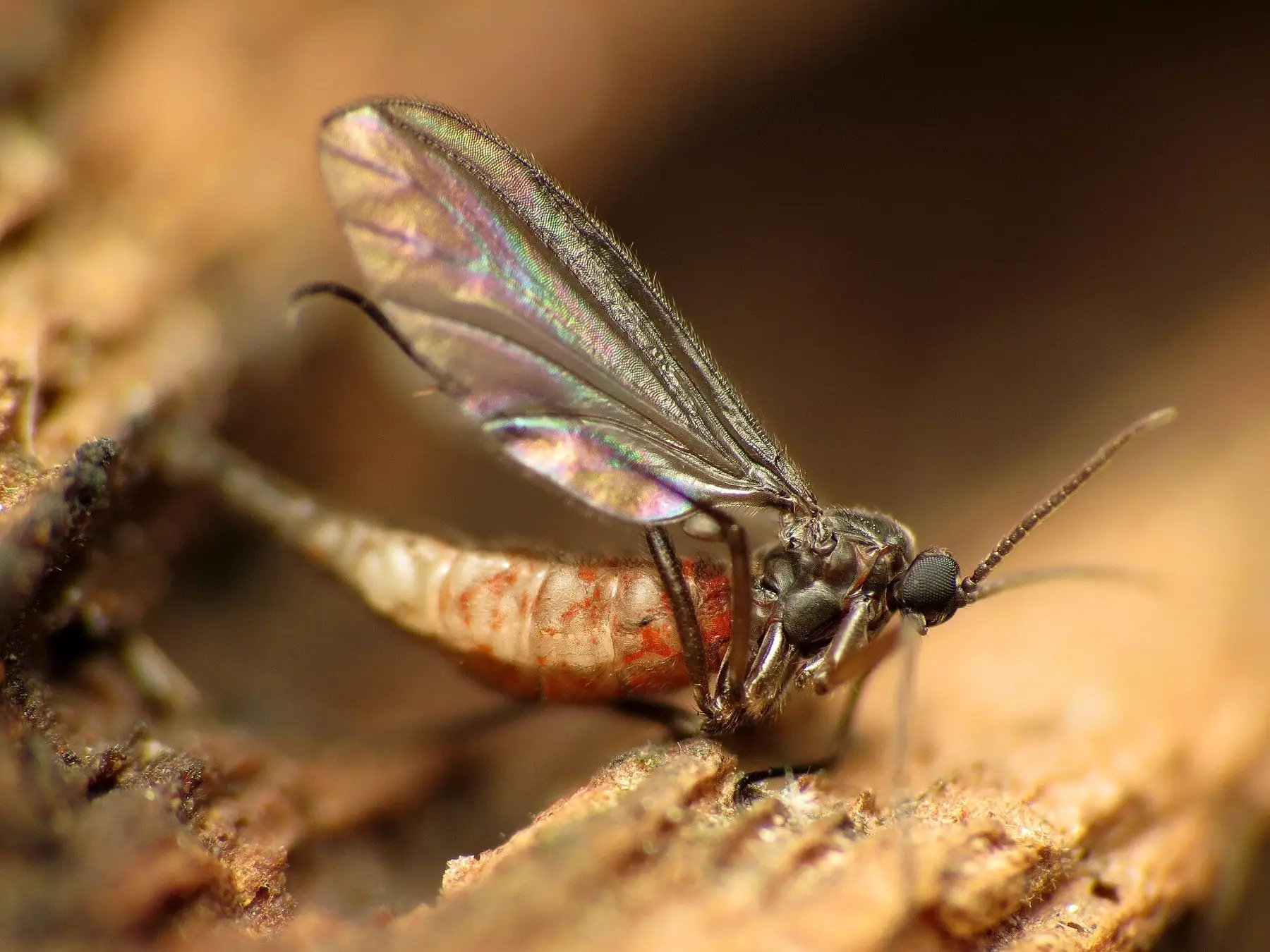
Fungus Gnats: Kill the Larvae, Not the Flies You See
The adults are harmless; the larvae in the top inch of compost are what damage roots. Why letting the surface dry works, and what actually breaks the cycle.