
What Is Blight in Plants? Fast Death of Leaves and Stems
Blight is rapid tissue death from fungal or bacterial infection — not one disease. What separates it from wilt, rot, spot and mildew.
 By

On this page
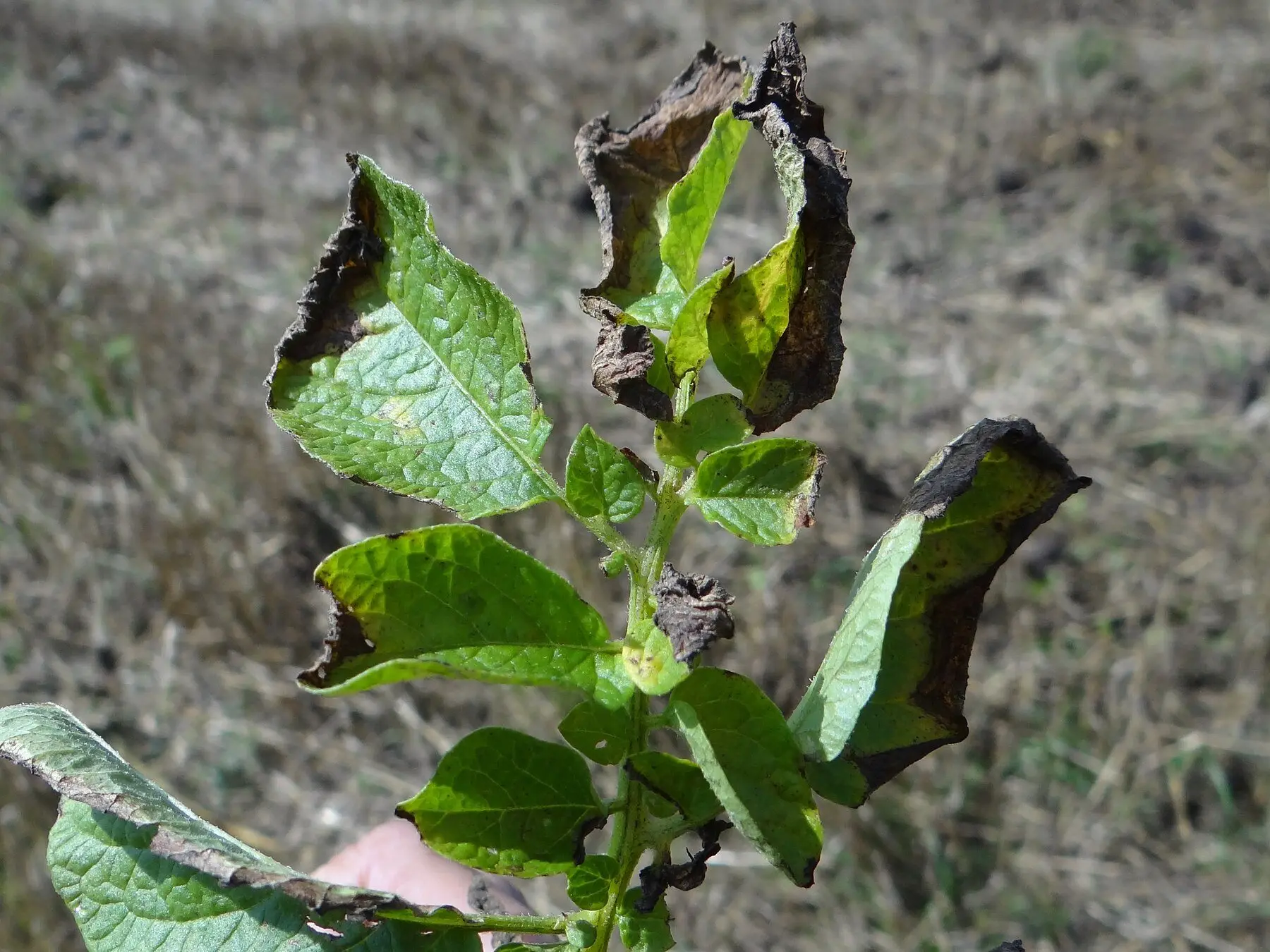
Blight is a symptom, not a disease — the rapid death of plant tissue from infection. That is why the word attaches to so many unrelated organisms: late blight, early blight, fire blight and box blight share speed, not a pathogen.
Blight against the things it gets confused with
| Looks like | Pace | |
|---|---|---|
| Blight | Dark expanding patches, greasy edge | Days |
| Leaf spot | Discrete round spots, crisp edges | Weeks |
| Wilt | Whole plant droops, leaves stay green at first | Days to weeks |
| Rot | Soft, collapsing tissue at base or fruit | Variable |
| Mildew | White powder or fuzz on the surface | Weeks |
What it looks like
- Dark brown to black patches that expand quickly
- A greasy or water-soaked advancing edge, rather than a crisp margin
- Leaves collapse and hang rather than dropping cleanly
- Dark lesions on stems
- In humid weather, fine white growth on leaf undersides
Early against late blight
| Early blight (Alternaria solani) | Late blight (Phytophthora infestans) | |
|---|---|---|
| Marking | Concentric rings, like a target | Greasy grey-green patches |
| Starts | Oldest lower leaves | Anywhere on the plant |
| Spread | Slow, upward | Whole crop in under a week |
| Weather | Warm, humid | Cool and wet |
| Kills the plant? | Rarely | Yes |
| Recoverable? | Yes, manage it | No — remove and destroy |
Late blight is the one to act on immediately
It spreads on wind and rain splash between gardens, which is why outbreaks appear across a whole region at once.
Once established, the plant is not recoverable. Remove and destroy it — do not compost it — to protect neighbouring plants and next year’s crop.
Prevention does more than treatment
No treatment reverses tissue that has already died. What actually reduces blight:
- Space plants generously — airflow is the single biggest factor
- Water at the base, in the morning. Wet foliage overnight is what infection needs
- Mulch, to stop rain splashing soil onto lower leaves
- Remove lower foliage as plants grow
- Rotate — do not follow potatoes with tomatoes or vice versa
- Resistant varieties, where blight is a yearly problem
- Clear all debris at the end of the season. Both blights overwinter on it
Common questions
What is blight in plants?
What does blight look like?
What is the difference between early and late blight?
Is blight contagious between plants?
Can a plant recover from blight?
How do you prevent blight?
Backyard Weekly
Know what to plant, week by week
Join the weekly email for seasonal jobs, fixes for what is going wrong, and gear worth buying.
Not ready to subscribe? The planting calendar is free and needs no email.
By subscribing you agree to our privacy policy. Grow In Backyard will never sell your address.
Keep reading
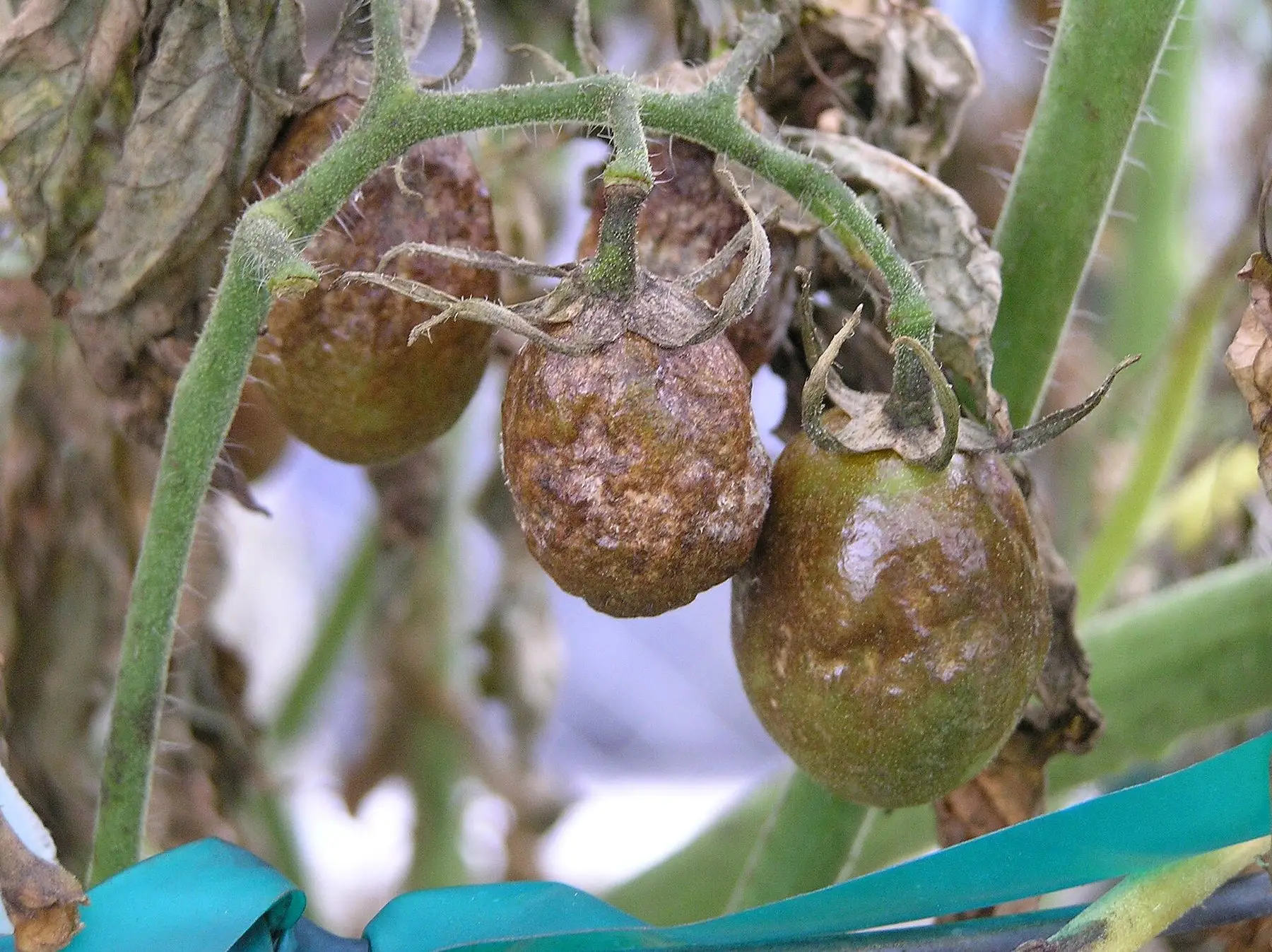
Tomato Blight: Telling Early From Late, and What to Do
Late blight destroys a plant in days and there is no cure. How to identify it against early blight, act fast enough to save the fruit, and prevent it next year.
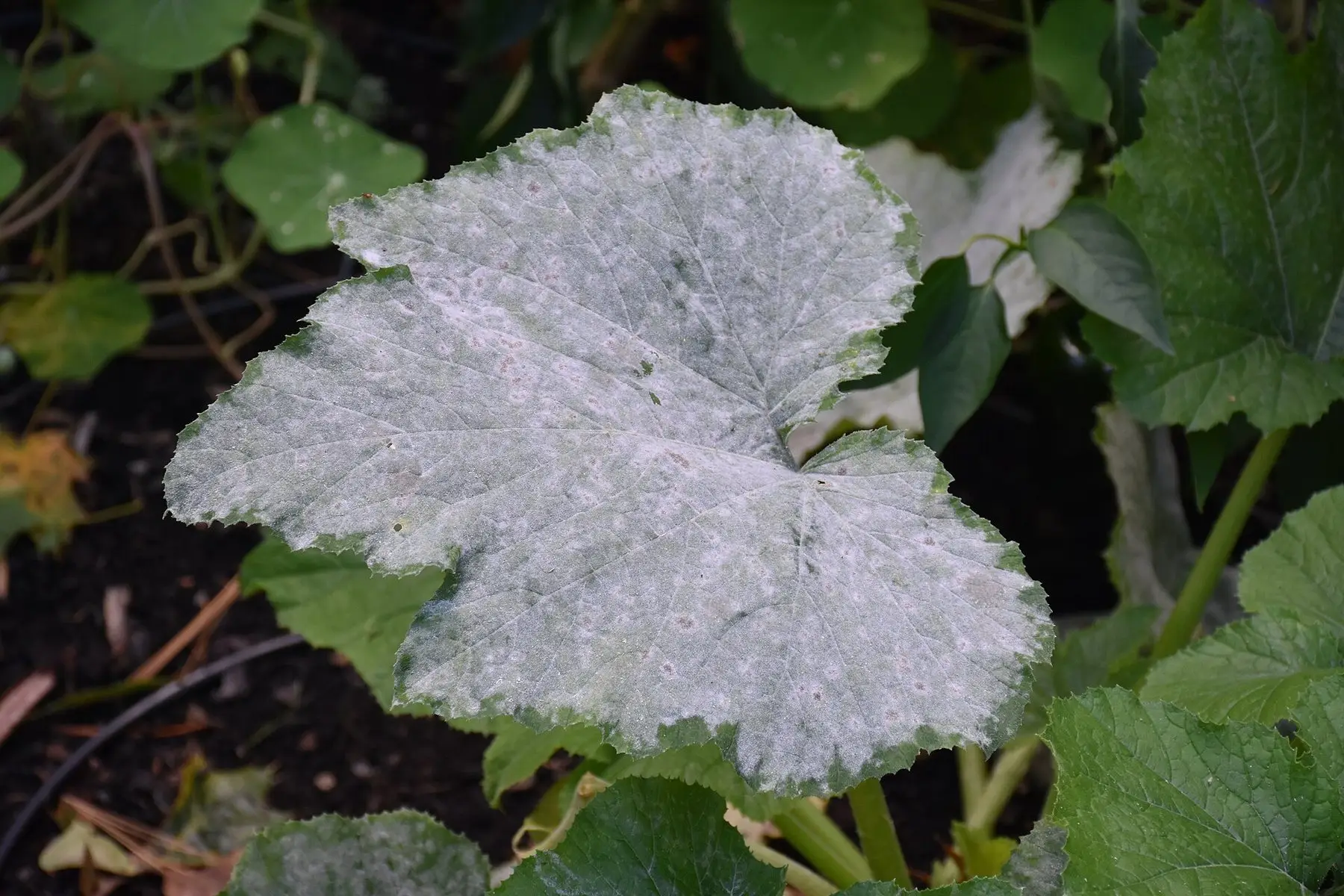
Powdery Mildew: Why It Spreads and What Actually Stops It
Powdery mildew is the one fungus that does not need wet leaves — it thrives in humid air and dry foliage. How to spot it early and what treatments hold up.
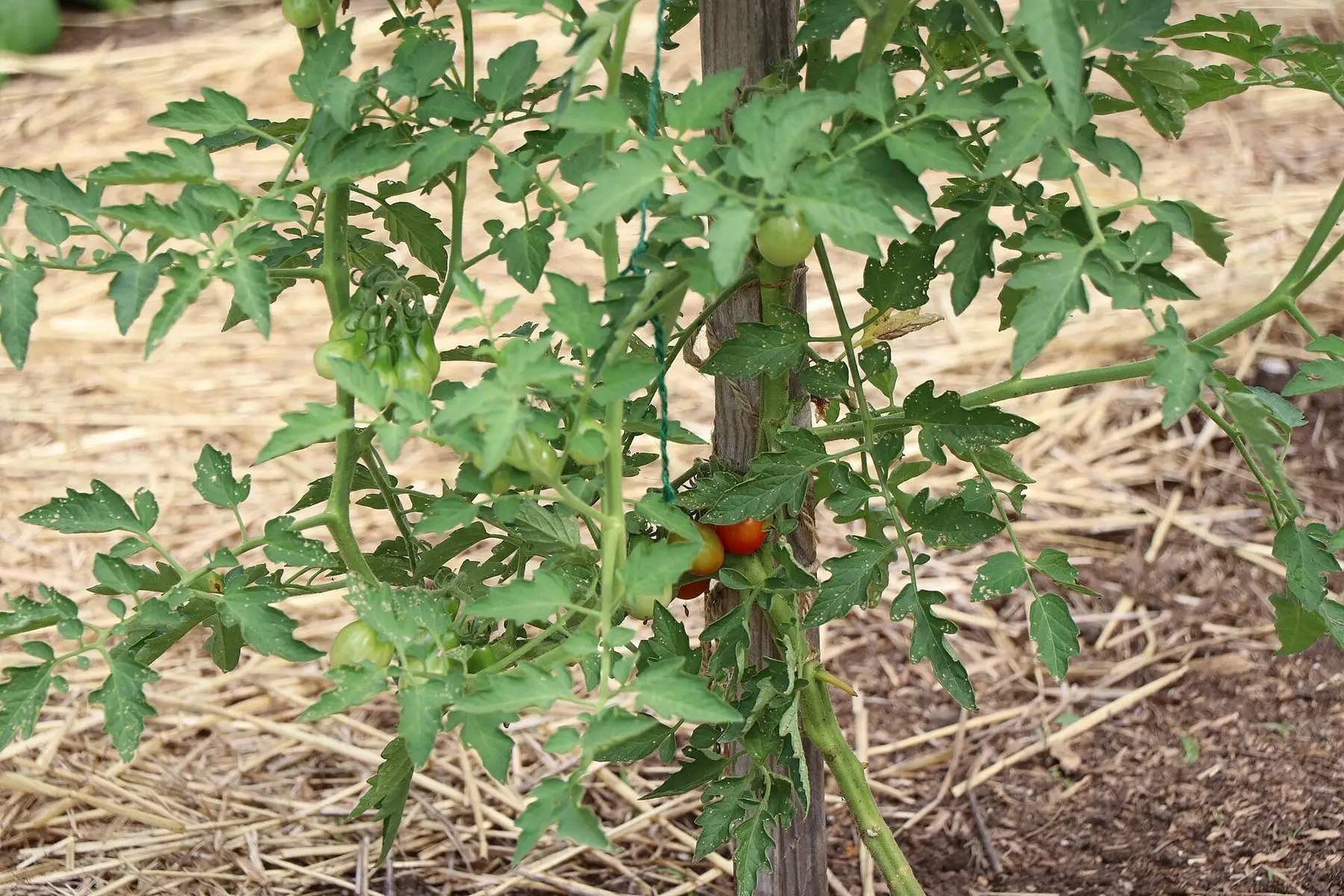
How to Grow Tomatoes: Determinate or Indeterminate First
That one word on the seed packet decides your spacing, your pruning, and your harvest shape. Then it is warmth, consistent water, and feeding at the right time.
Why Are My Zucchini Leaves Yellowing? Read the Pattern First
Which leaves yellow, and whether the veins stay green, separates feeding from overwatering from squash vine borer. Work down the list in that order.