
Why Are My Zucchini Leaves Yellowing? Read the Pattern First
Which leaves yellow, and whether the veins stay green, separates feeding from overwatering from squash vine borer. Work down the list in that order.
 By

On this page
Yellow zucchini leaves are a symptom, not a diagnosis. Five things cause nearly all of it, and which leaves went yellow — and whether the veins stayed green — separates them before you touch a watering can or a bottle of feed.
Work down the pattern
| Nitrogen | Magnesium / iron | Overwatering | Vine borer | |
|---|---|---|---|---|
| Which leaves | Oldest, lowest first | Older (Mg) or newest (Fe) | Whole plant at once | Whole plant at once |
| Veins | Yellow too | Stay green | Yellow too | — |
| Texture | Firm | Firm | Soft, limp | Wilted, then collapsed |
| Soil | Often poor or long-cropped | — | Wet a day later | — |
| Stem base | Normal | Normal | Normal | Hole + sawdust frass |
| Recovers? | Yes, 1–2 weeks | Yes | Yes, with drainage | Usually not |
Check the veins before anything else
It is the fastest useful signal on the plant. Veins green, tissue yellow means a mobile-nutrient problem you can feed your way out of. Everything yellow together points at nitrogen or at roots.
Nitrogen: the ordinary one
A zucchini cropping hard for a month is a heavy feeder running down the nitrogen in its root zone. Because nitrogen moves freely inside the plant, it gets pulled out of the oldest leaves to build new ones — so the bottom of the plant goes pale and uniformly yellow while the top stays green.
A balanced liquid feed every two weeks through the cropping season prevents it. Once it has happened, feeding fixes the next leaves, not the yellow ones.
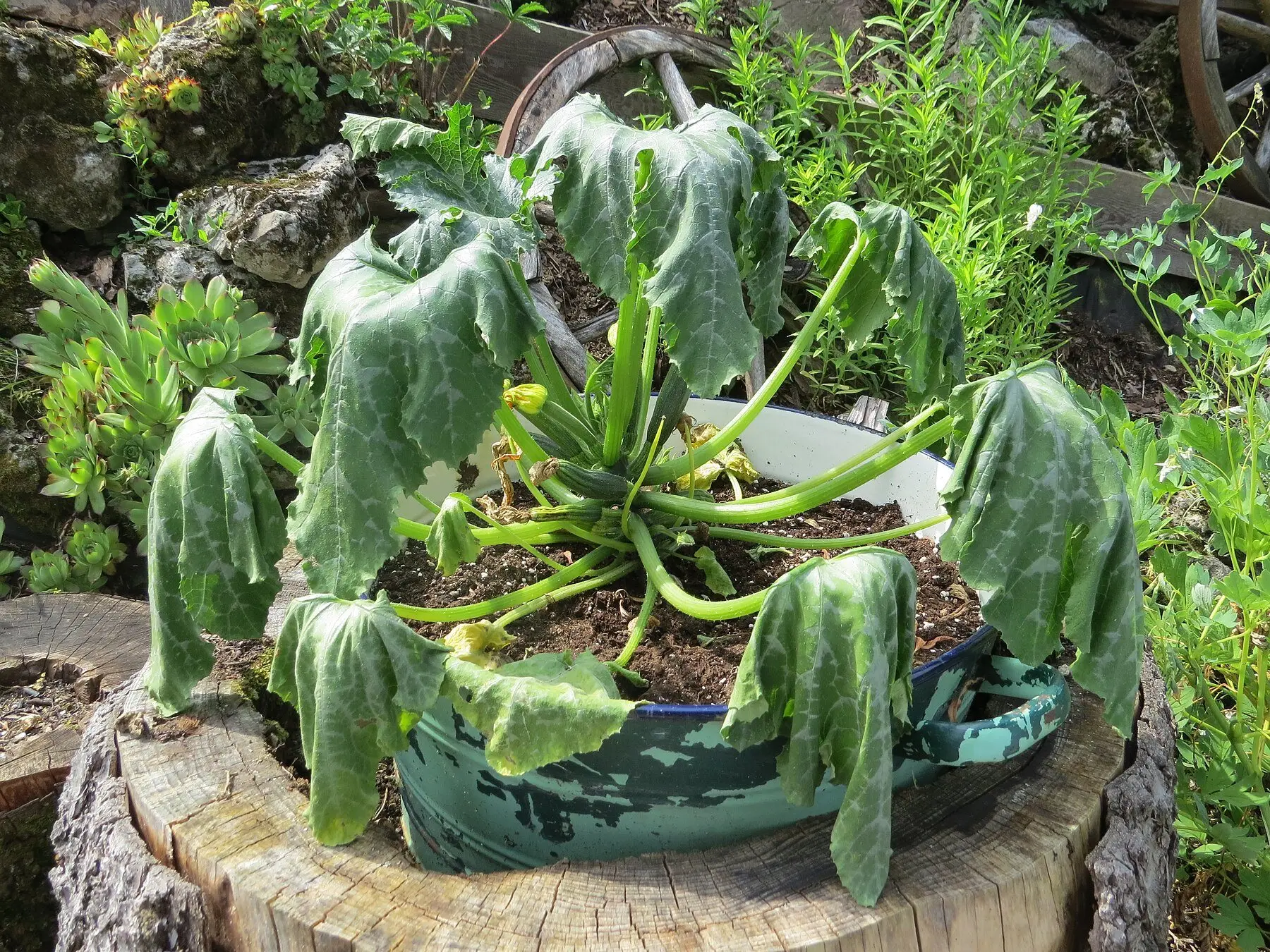
Overwatering looks like starvation, because it is
Roots in saturated soil cannot take up what is around them. The plant goes pale and yellow with plenty of nutrients present, which is why feeding a waterlogged plant does nothing.
- Push a finger two inches in a day after watering. Still wet is the answer.
- Containers: check the drainage holes are not blocked and the pot is not standing in a full saucer.
- Ground beds: stop watering until the top two inches dry out, and mound the soil if your bed sits wet.
Squash vine borer is the one that is not recoverable
Sudden, total, and from the base up
A plant that was fine yesterday and is flat today, with a ragged hole near soil level and wet sawdust-like frass around it, has a larva inside the main stem. Nothing you apply to the leaves reaches it.
Slitting the stem lengthways, removing the larva and burying the wound under soil occasionally works if you catch it early. More often the realistic move is to sow a replacement — zucchini goes from seed to first fruit in around 50 days, so a mid-season replacement still crops.
Late-season yellow is just age
A plant that has been producing for two months will shed its lowest leaves. If the top of the plant is green, the fruit is still setting and only the bottom few leaves are yellow, nothing is wrong and nothing needs doing.
What to do, in order
- Look at the stem base for a hole and frass. If it is there, stop — replant.
- Look at the veins. Green veins, yellow tissue: feed with something carrying magnesium.
- Feel the soil two inches down a day after watering. Wet: back off and improve drainage.
- Check which leaves. Oldest first, all uniform: feed a balanced liquid feed fortnightly.
- Remove leaves that are more than half yellow or lying on the soil. Leave the rest.
Common questions
Why are my zucchini leaves turning yellow?
Does overwatering turn zucchini leaves yellow?
Should I remove yellow leaves from my zucchini?
What does nitrogen deficiency look like on zucchini?
What is the difference between yellowing between the veins and whole-leaf yellowing?
Can zucchini recover from yellow leaves?
Backyard Weekly
Know what to plant, week by week
Join the weekly email for seasonal jobs, fixes for what is going wrong, and gear worth buying.
Not ready to subscribe? The planting calendar is free and needs no email.
By subscribing you agree to our privacy policy. Grow In Backyard will never sell your address.
Keep reading
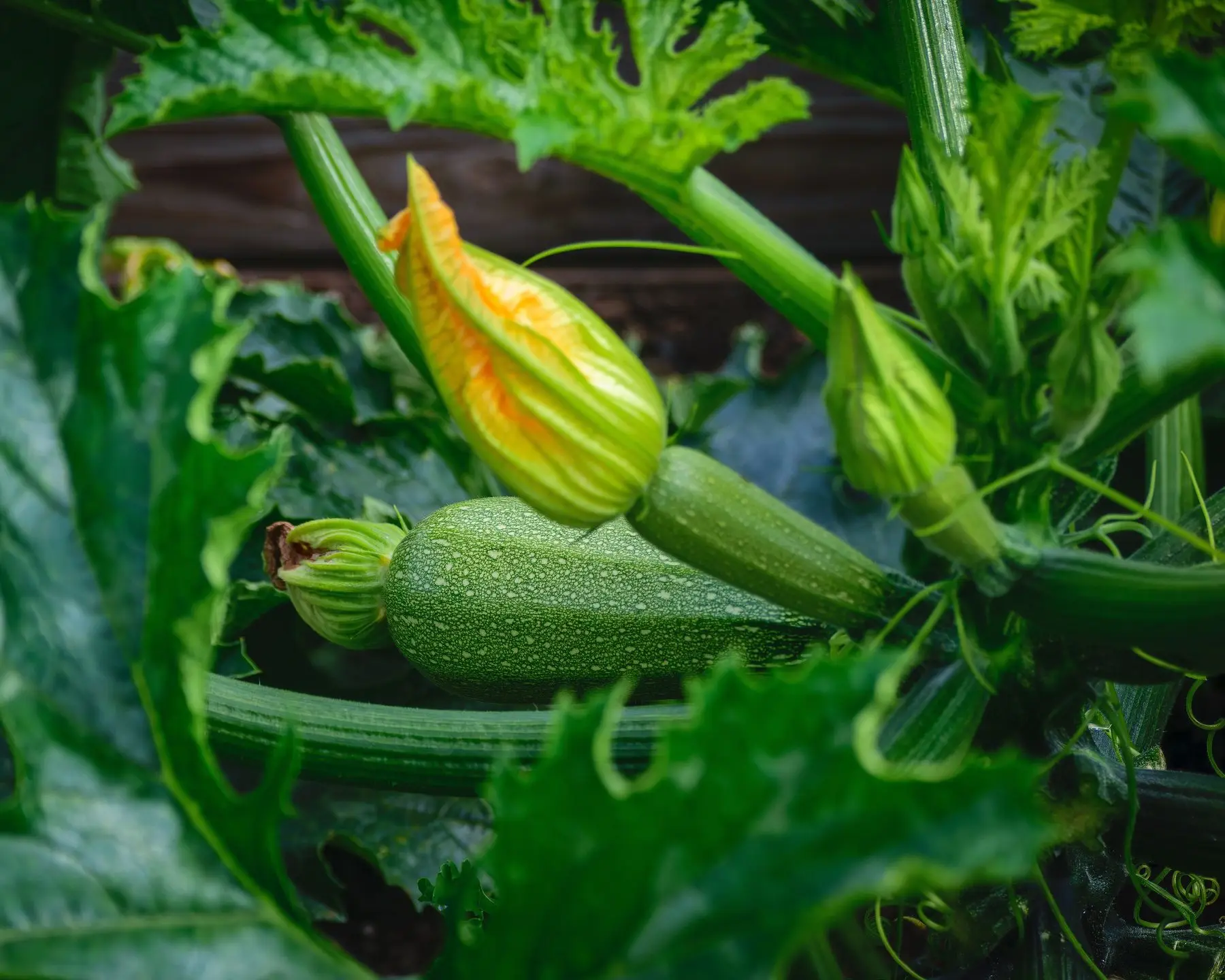
Why Are My Zucchini Leaves Turning White? Check the Pattern
Silvery patches along the veins are normal variegation on many varieties. A white powder you can rub off is mildew. The difference is easy to see.
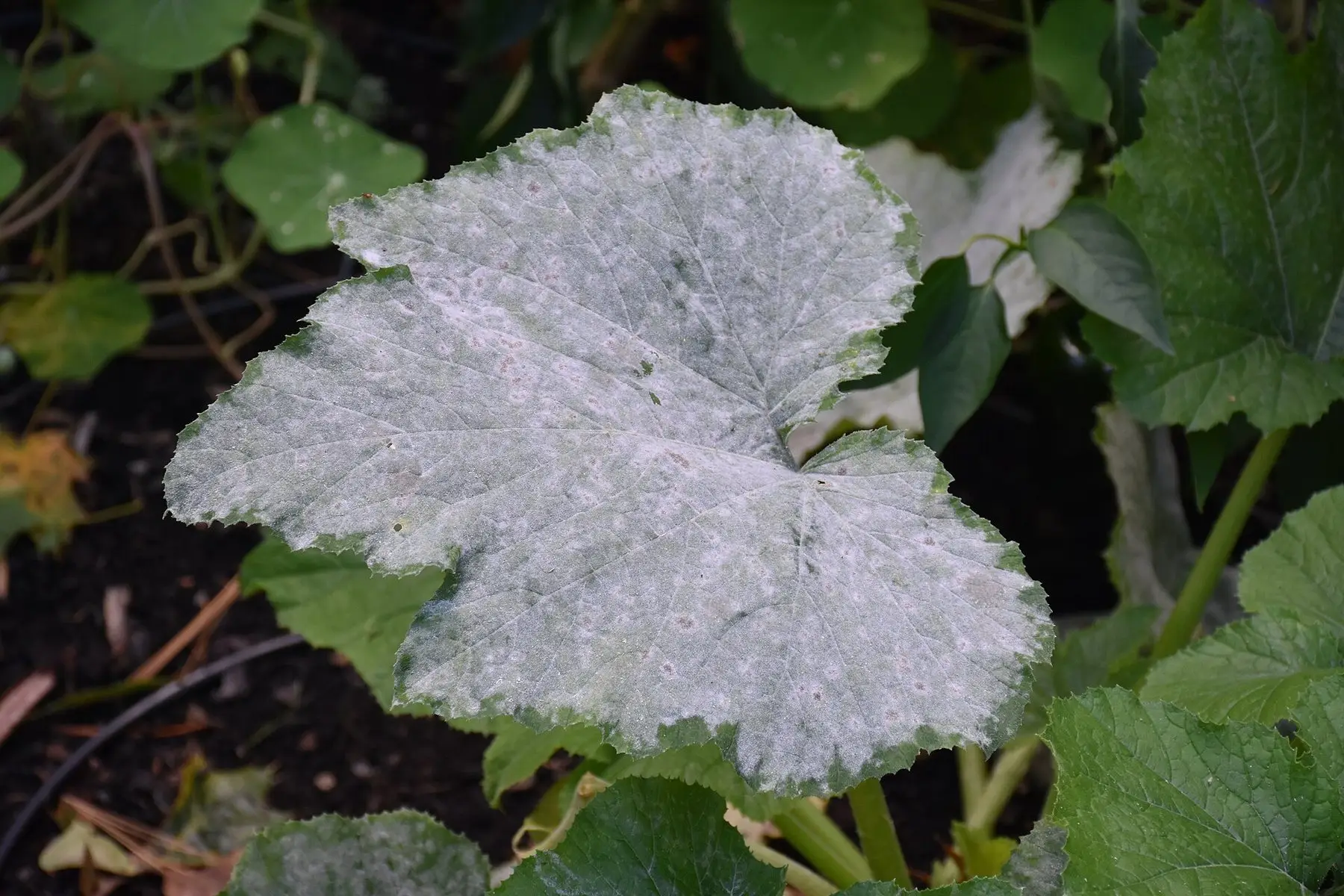
Powdery Mildew: Why It Spreads and What Actually Stops It
Powdery mildew is the one fungus that does not need wet leaves — it thrives in humid air and dry foliage. How to spot it early and what treatments hold up.
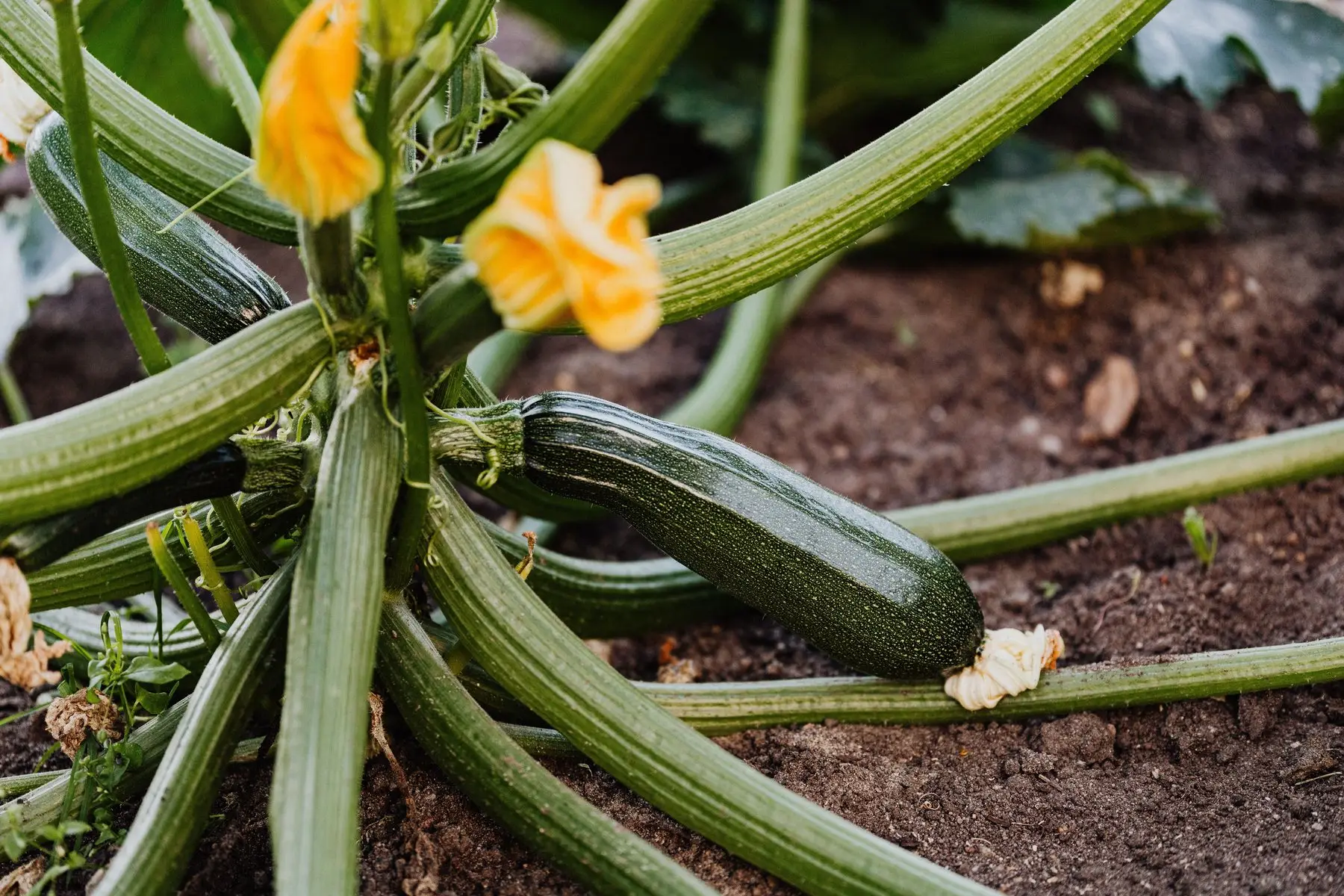
How Long Does It Take for Zucchini to Grow? 45–55 Days
Zucchini goes from seed to first pick in about 45 to 55 days, and from flower to harvest in only four to eight. The timeline and what stalls it.
Why Is My Grass Turning White? Four Causes, One Test Each
Powdery mildew, dollar spot, frost scald and mower scalping all bleach turf white. Each has a test that rules it in or out in under a minute.