
What Attracts Flying Ants? Warm, Humid, Still Air
Flying ants are winged reproductives swarming on warm humid days. What draws them to your yard and house, and why the swarm ends in a day or two.
 By
On this page
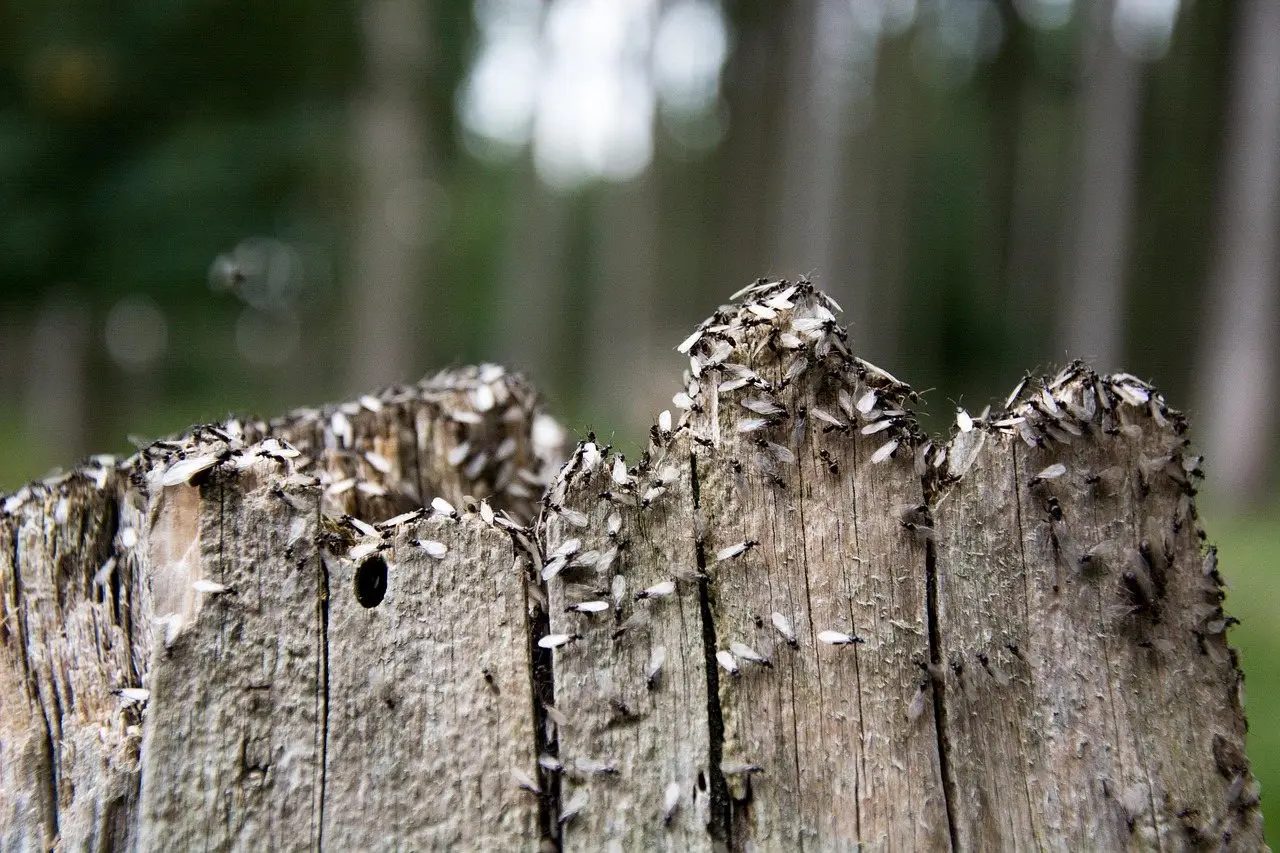
Flying ants are not a different insect. They are the winged reproductive caste of ordinary ants, and what brings them out is weather, not anything in your yard.
What actually draws them
- Temperature and humidity. Mid-70s °F and up, muggy, little wind
- Rain a day or two earlier, which softens the soil for the new queens
- Height. Mating happens in the air above a landmark, so tall and pale objects collect them
- Light at dusk — windows, porch lights, conservatory glass
- Reflective warm surfaces such as light render, patio slabs and car roofs
Notably absent from that list: food, mess or a nest in your lawn. The swarm is synchronised across a neighbourhood so that ants from different colonies interbreed.
Ant or termite?
| feature | flying ant | flying termite |
|---|---|---|
| Waist | Pinched | Straight, no pinch |
| Antennae | Bent / elbowed | Straight, beaded |
| Wings | Front pair longer | Both pairs equal length |
| Wings shed | Sometimes | Readily — piles on sills |
When a swarm is worth investigating
Winged ants emerging from a skirting board, window frame or wall void — especially repeatedly, or in winter when nothing should be swarming — points to a colony inside the structure. Carpenter ants in damp timber are the usual culprit, and that one is worth a professional opinion.
Reducing the nuisance
- Close windows and doors on muggy evenings during the season
- Switch exterior bulbs to warm amber or turn them off for a few nights
- Seal gaps around frames, vents and under doors
- Sweep up sugary spills on the patio
- Do not bother treating lawn nests — the swarm is arriving from the whole area, not your grass
Common questions
What attracts flying ants to my yard?
Why are flying ants coming into my house?
How long do flying ants last?
Are flying ants dangerous or damaging?
How do I tell flying ants from flying termites?
Can I stop flying ants appearing?
Backyard Weekly
Know what to plant, week by week
Join the weekly email for seasonal jobs, fixes for what is going wrong, and gear worth buying.
Not ready to subscribe? The planting calendar is free and needs no email.
By subscribing you agree to our privacy policy. Grow In Backyard will never sell your address.
Keep reading
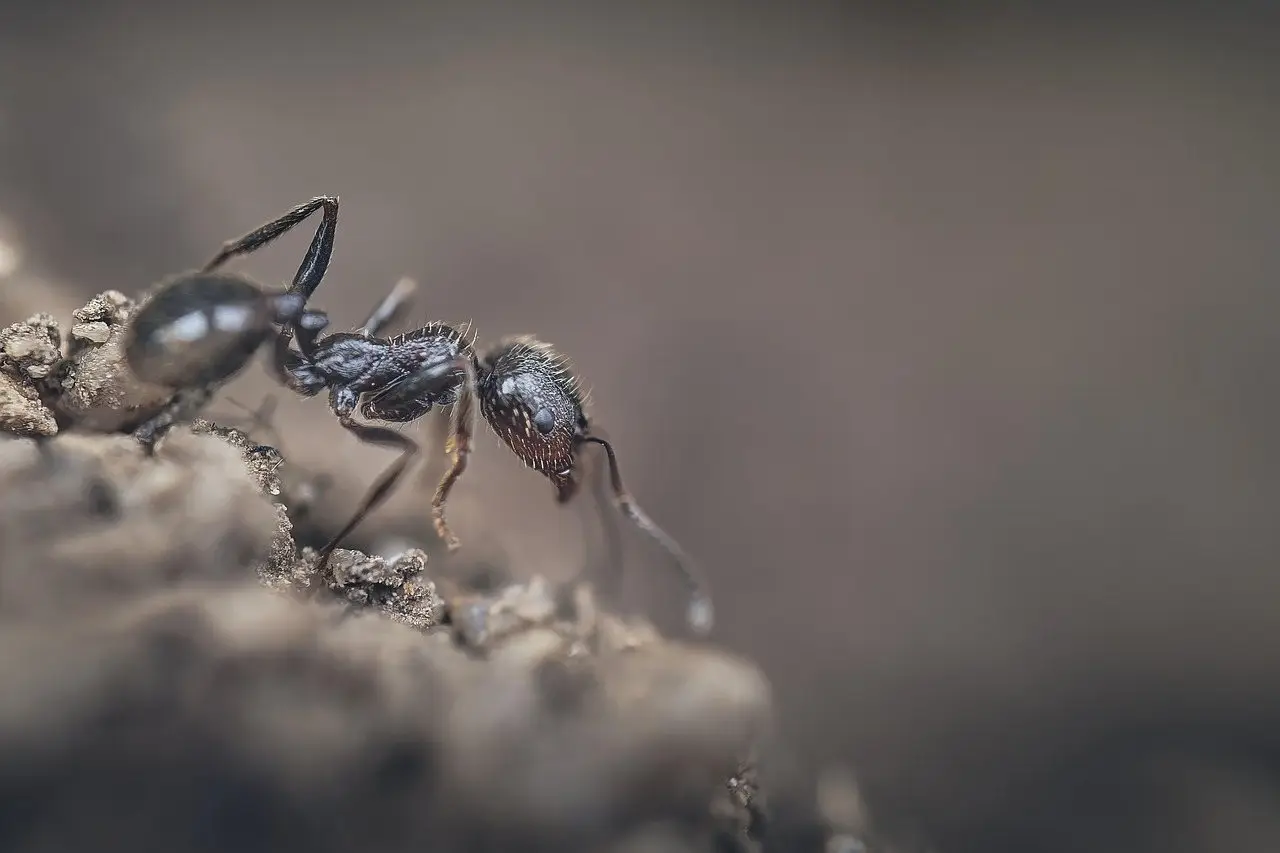
Why Are Ants Attracted to Light? Only the Winged Ones Are
The ants at your lamp are not the ants in your kitchen, and they are gone within days. What they are doing, and why workers ignore light entirely.
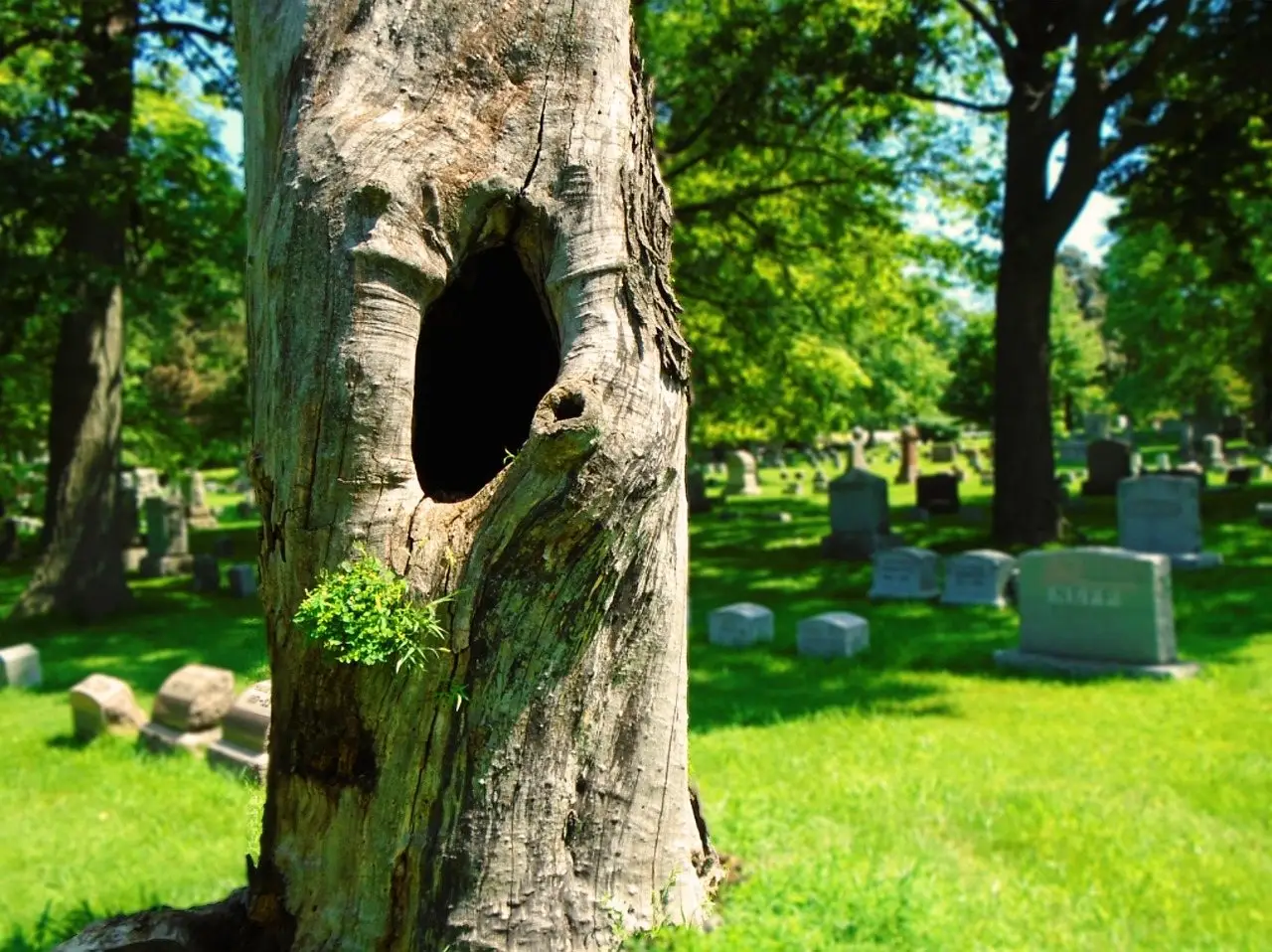
Can Carpenter Ants Kill a Tree? They Follow Decay, Not Cause It
Carpenter ants excavate wood that is already soft and wet. They do not eat live wood, so they are a symptom of internal rot rather than its cause.
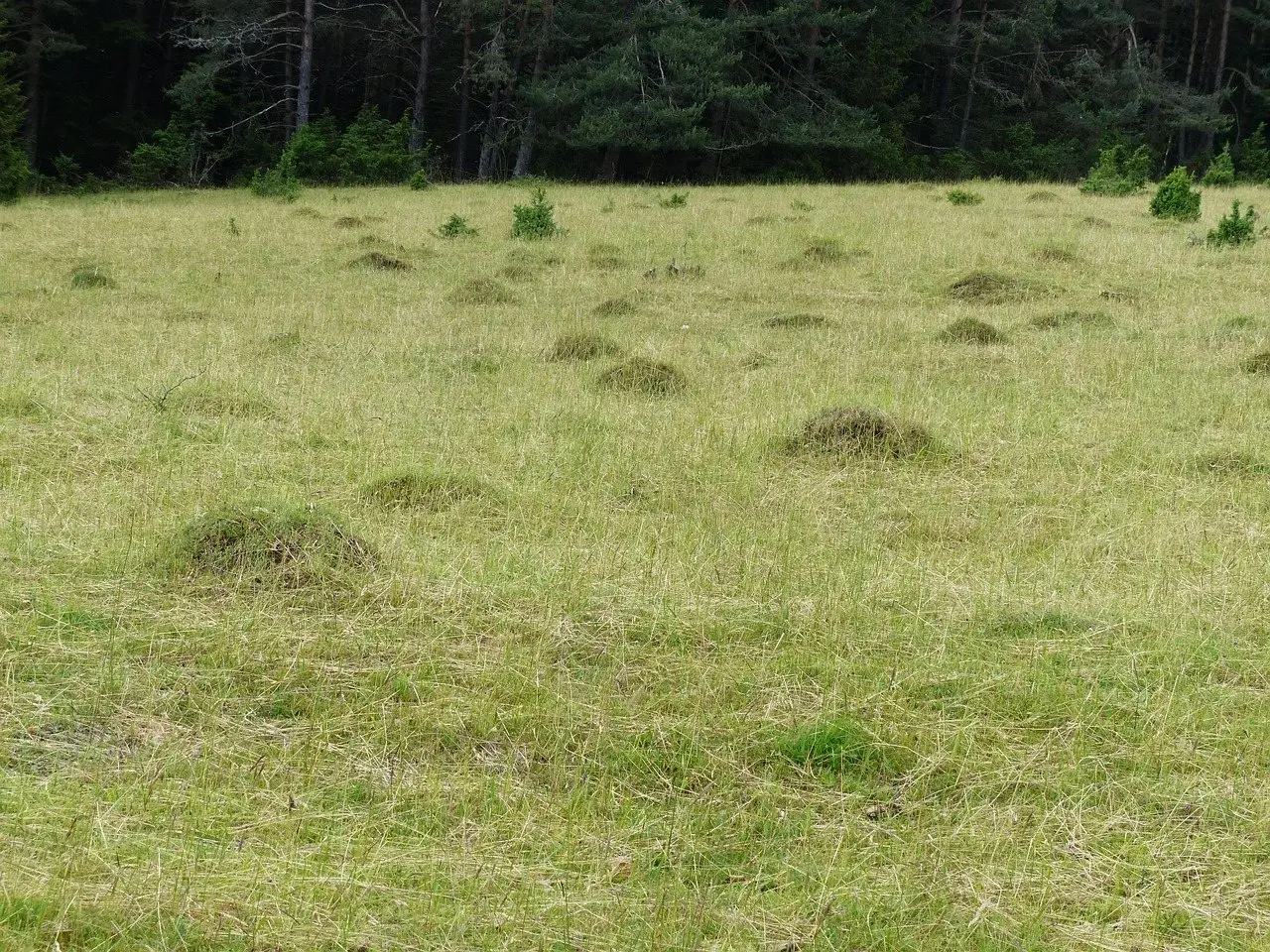
How to Get Rid of Ants in Grass Naturally
Boiling water, soapy drench and diatomaceous earth all work on lawn ant nests. Which to use where, and why most lawn ants are better left alone.

What Do Marigolds Repel? Root Nematodes, and Little Else
Marigolds have one well-evidenced effect: French marigolds suppress root-knot nematodes. The mosquito and rabbit claims do not hold up.