
Is Burning Grass Illegal? Usually Yes, With Exceptions
Open burning of grass and yard waste is banned or permit-only in most of the US and UK. How to check, the penalties, and what to do instead.
 By
On this page
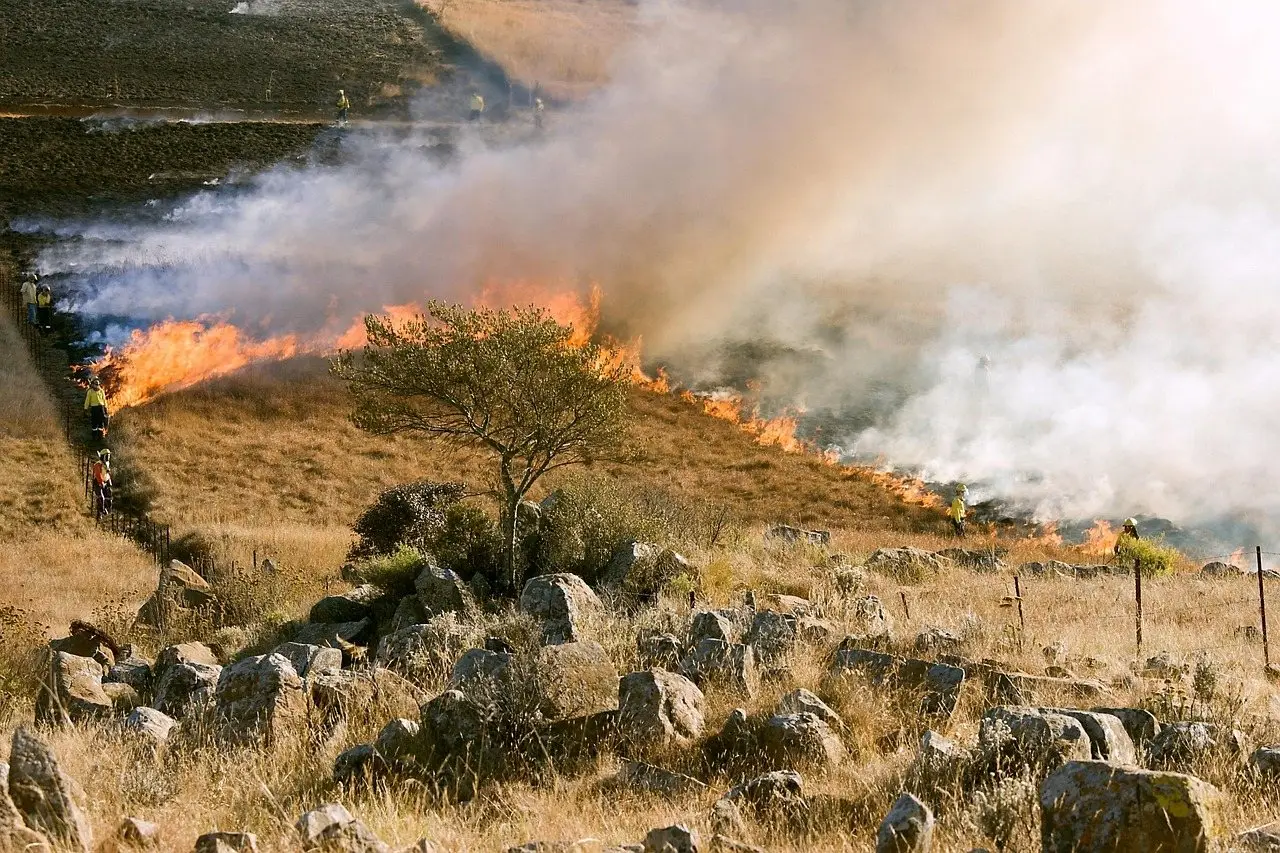
In most places the answer is yes, or only with a permit — and the rules are set locally enough that one phone call is the only reliable research.
How the rules are usually structured
| context | typical position |
|---|---|
| US urban and suburban | Open burning of yard waste banned |
| US rural | Permit, seasonal window, or daily burn-status line |
| Declared drought or red-flag day | Temporary ban overriding all permits |
| England and Wales | No outright ban; statutory nuisance rules apply |
| Scotland and Northern Ireland | Similar, with local variation |
| HOA or covenant | May prohibit regardless of municipal law |
Check on the day, not once
Many counties run a burn-status line precisely because permission depends on wind and dryness. A permit issued in March does not authorise a fire on a red-flag day in August.
Why it is restricted
- Fine particulate. Smouldering green material is a notable PM source, and the pollutant most linked to respiratory harm
- Wildfire ignition. Escaped debris burns are a leading cause in several states
- Nuisance. Smoke across a boundary is actionable in the UK and many US jurisdictions
- Visibility and road safety where smoke drifts
What it does to the lawn
| effect | detail |
|---|---|
| Kills crowns | The growing point is at the surface, where the heat is |
| Sterilises the top layer | Soil organisms, earthworms, seed bank |
| Leaves bare ground | Colonised by weeds within weeks |
| Ash contribution | Small potassium input, trivially replaceable |
Controlled burning is a real tool for prairie and pasture at landscape scale. It is not a lawn technique, and the thatch it would remove is better handled by dethatching or top dressing.
Legal alternatives
- Leave clippings on the lawn — returns nitrogen, does not cause thatch
- Compost in thin layers, alternated with brown material
- Council or municipal green-waste collection
- Recycling centre for bulk
- Chipper hire for woody prunings
- A skip for a one-off clearance — cheaper than a fine, far cheaper than a suppression bill
Common questions
Is it illegal to burn grass in your yard?
How do I find out the rules where I live?
What are the penalties?
Why is burning grass restricted at all?
Does burning grass benefit the lawn?
What should I do with grass and yard waste instead?
Backyard Weekly
Know what to plant, week by week
Join the weekly email for seasonal jobs, fixes for what is going wrong, and gear worth buying.
Not ready to subscribe? The planting calendar is free and needs no email.
By subscribing you agree to our privacy policy. Grow In Backyard will never sell your address.
Keep reading
Where Can I Dump Grass Clippings? Six Legal Options
Green waste collection, a compost heap, mulch or grasscycling. Dumping them in woods or a watercourse is illegal fly-tipping in most places.
Grass Clippings as Mulch — 3 Rules for a Thin Layer
Grass clippings as mulch mat and sour unless dried and spread thin. 3 items make that easy. See how to use what the mower already produces.
How to Spread Wood Ash on Lawn: Rates, Timing and Risks
Wood ash raises pH fast and supplies potassium, which makes it useful on acid soil and harmful everywhere else. Test first, then apply at a measured rate.
Is Lawn Aeration Necessary? Only If It Is Compacted
The screwdriver test settles it in ten seconds. Which lawns genuinely need aerating, which do not, and why annual aeration by default is a waste.