
Is Lawn Aeration Necessary? Only If It Is Compacted
The screwdriver test settles it in ten seconds. Which lawns genuinely need aerating, which do not, and why annual aeration by default is a waste.
 By

On this page
Aeration fixes compaction. If the soil is not compacted, it fixes nothing — and the test takes ten seconds.
The four checks
| check | needs aerating if |
|---|---|
| Screwdriver into moist soil | It stops short of six inches |
| After rain | Water pools or runs off rather than soaking in |
| Wear pattern | Thin only where it is walked, parked or played on |
| Cut plug | Roots confined to the top inch or two |
Any one of those is reason enough. None of them, and the money is better spent on seed.
Who genuinely needs it
- Heavy clay soils
- New-build gardens where topsoil was laid over compacted construction subsoil
- Anywhere vehicles have parked
- High-traffic lawns — children, dogs, a path worn across the grass
- Lawns with thatch over half an inch, as the first step before dethatching
Who does not
- Sandy, free-draining soil that passes the screwdriver test
- A lawn nobody walks on
- A lawn that is thin for another reason — shade, drought, low pH, poor seed choice. Aerating will not fix any of those
Spike aerators and aerator shoes compress the soil
A solid tine pushed into the ground displaces soil sideways and compacts it around the hole. Only a core aerator, which removes a plug, actually relieves compaction. The shoes are the clearest example — they are strapped-on spikes and they do not work.
Doing it
- Water the day before if the soil is dry — moist, not saturated
- Mark sprinkler heads and shallow cables
- Two passes at right angles for a compacted lawn
- Overseed and top dress immediately — the open holes are the point
- Water and keep traffic off for a few weeks
- Leave the plugs; mow over them once dry
How often
| soil and use | frequency |
|---|---|
| Heavy clay, or real traffic | Annually |
| Average loam, moderate use | Every 2–3 years |
| Sandy, free-draining, low traffic | Only if a test says so |
Common questions
Does every lawn need aerating?
How do I tell if my lawn needs aerating?
Core aeration or spike aeration?
How often should a lawn be aerated?
When is the best time to aerate?
What do I do with the plugs?
Backyard Weekly
Know what to plant, week by week
Join the weekly email for seasonal jobs, fixes for what is going wrong, and gear worth buying.
Not ready to subscribe? The planting calendar is free and needs no email.
By subscribing you agree to our privacy policy. Grow In Backyard will never sell your address.
Keep reading
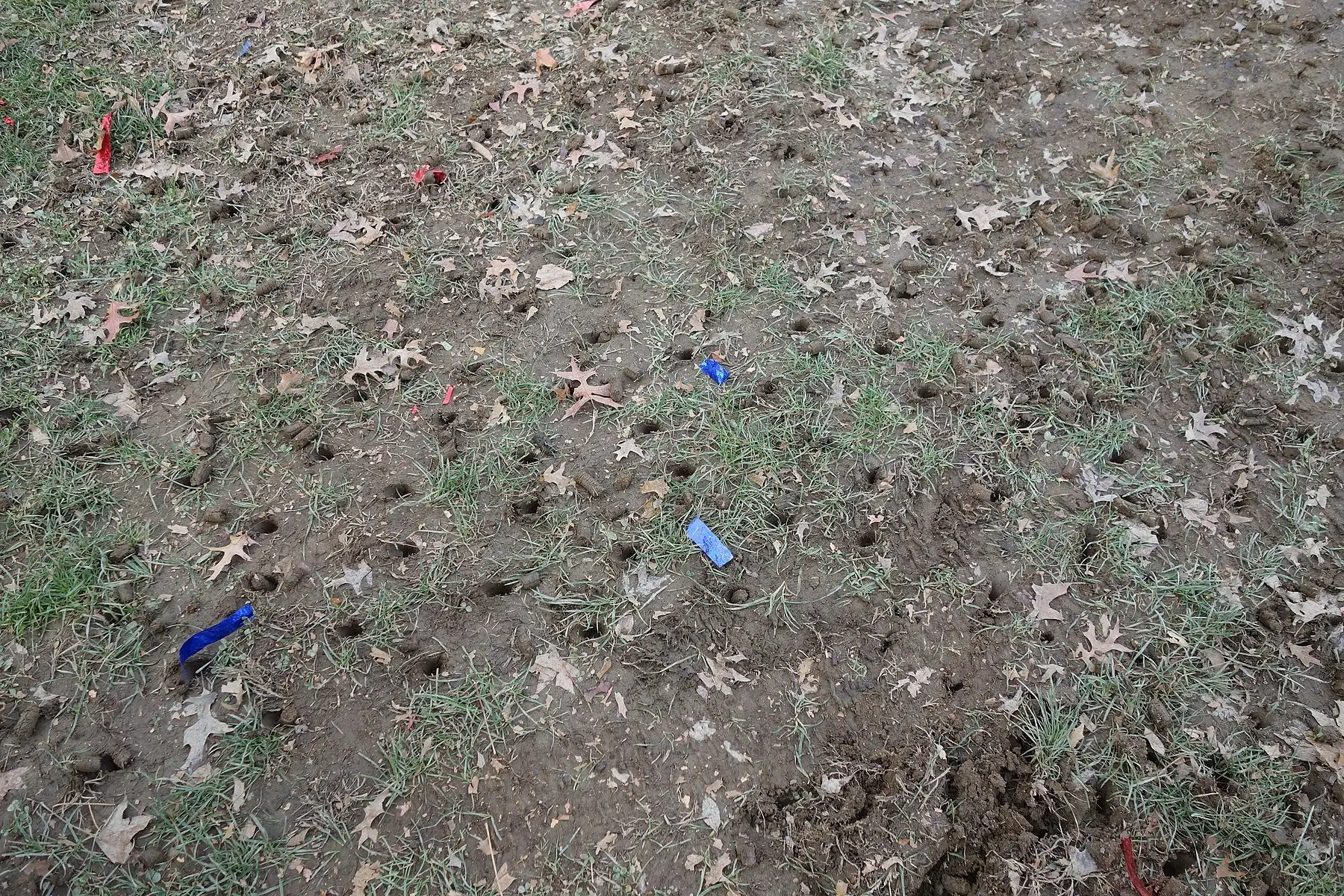
What to Do After Aerating a Lawn: The First Two Weeks
Leave the cores where they fall, overseed within 48 hours, top-dress with compost, and hold off mowing. The order matters more than the tasks.
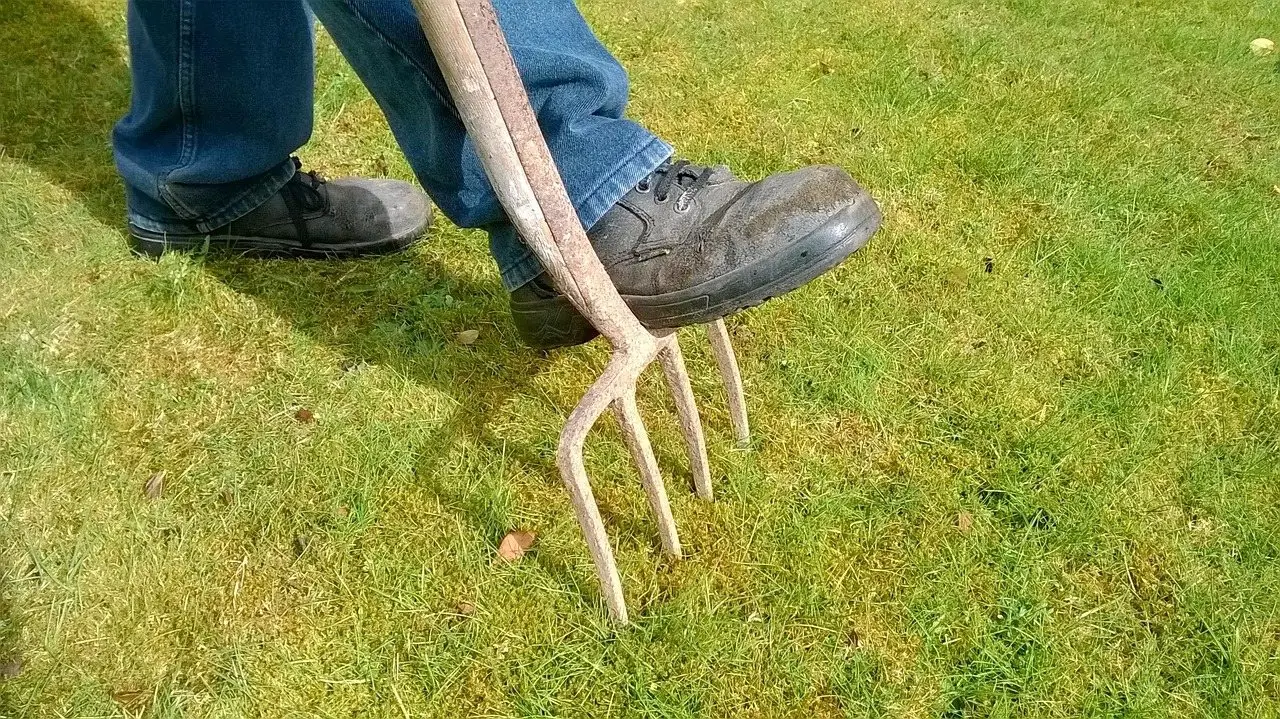
Do Lawn Aerator Shoes Work? No, and Here Is Why
Spiked sandals compress soil sideways instead of removing it, which is the opposite of aeration. What the mechanism is and what to use instead.
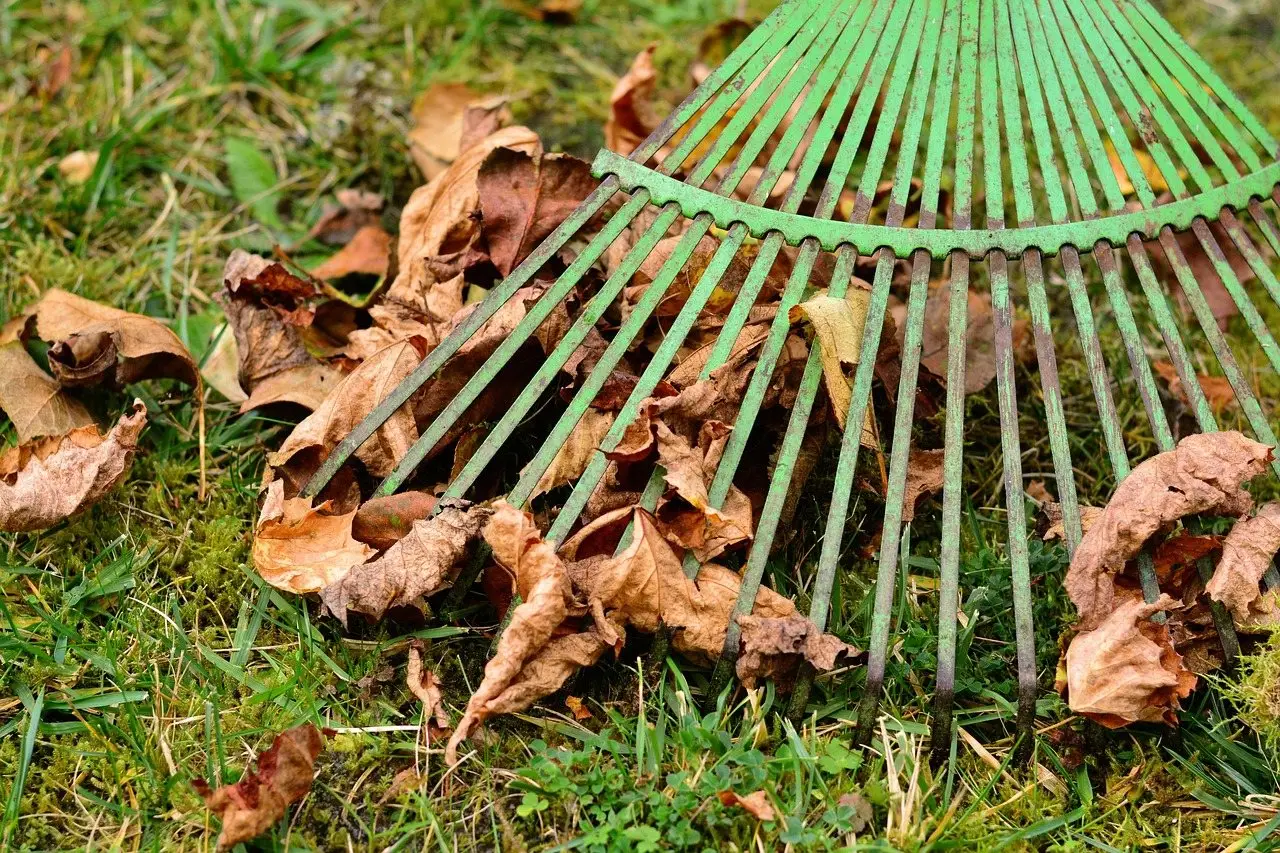
Do I Need to Dethatch My Lawn? The Half-Inch Test
Cut a plug and measure the thatch. Under half an inch, leave it alone — dethatching a lawn that does not need it does real damage.
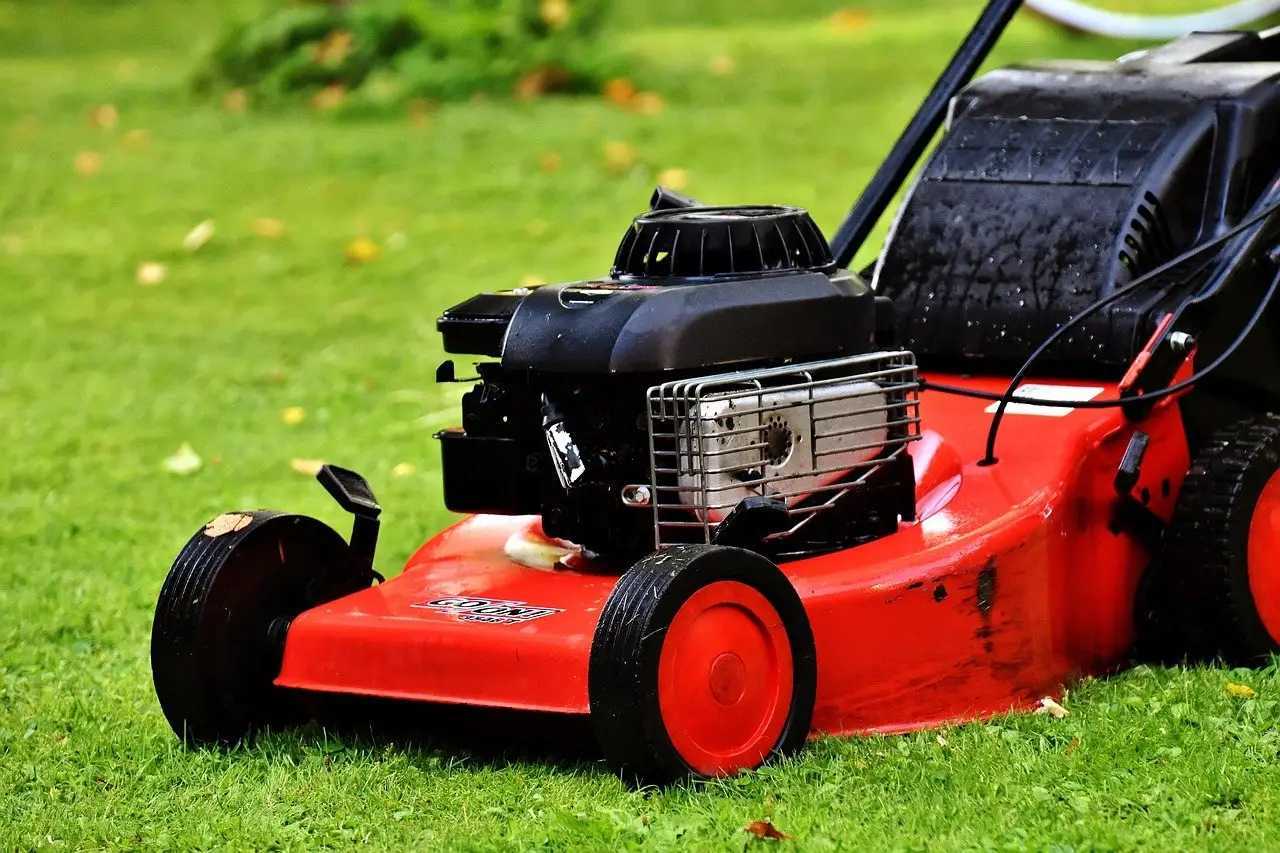
Lawn Care for Beginners: The Year in Five Jobs
A good lawn needs mowing high, watering deeply, feeding twice, overseeding in autumn and a soil test. Everything else is optional.