
Lawn Care for Beginners: The Year in Five Jobs
A good lawn needs mowing high, watering deeply, feeding twice, overseeding in autumn and a soil test. Everything else is optional.
 By
On this page
Most lawn advice is a list of products. Five jobs produce almost the whole result, and three of them are free.
The year, for a cool-season lawn
| season | jobs |
|---|---|
| Early spring | First cut high, rake out winter debris, soil test if due |
| Late spring | Feed, begin regular mowing, spot-weed by hand |
| Summer | Mow high, water deeply or let it go dormant, no feeding |
| Early autumn | The key window: overseed, feed, aerate or scarify if needed |
| Late autumn | Final cuts, clear leaves, keep off wet ground |
| Winter | Nothing. Stay off frozen or waterlogged grass |
Warm-season lawns shift that forward: feeding and overseeding belong to late spring and summer when the grass is growing hardest.
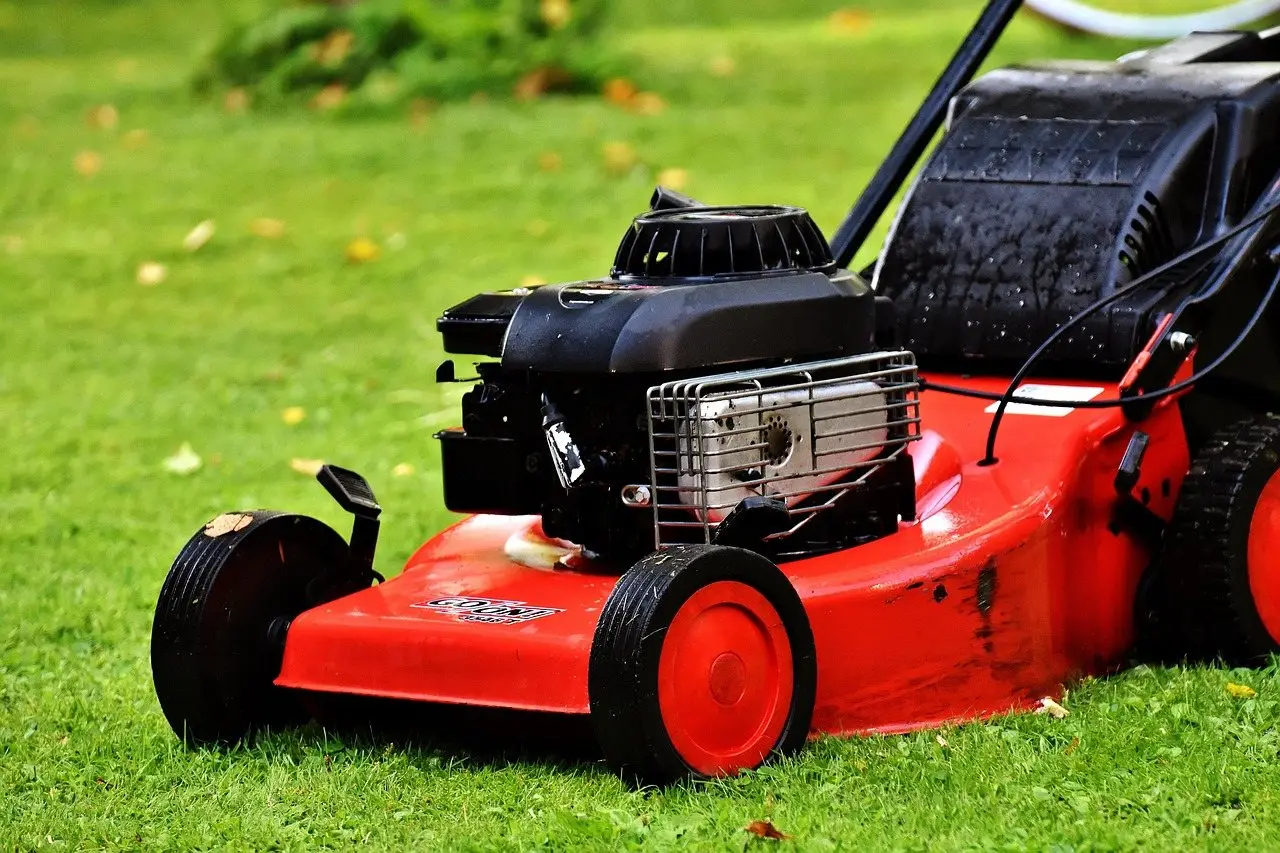
Mowing, properly
- Height 3–4 in for most cool-season grasses
- Never remove more than a third of the blade in one pass
- Sharpen the blade at least once a season
- Vary the direction each cut so the grass does not lean
- Leave clippings unless they lie in clumps
- Do not mow wet grass — it tears and clogs
Watering, properly
- About an inch a week, in one or two soakings
- Between 4 and 9 am
- Measure with tins under the sprinkler rather than guessing
- Footprints that stay visible mean it needs water; a calendar does not
If you only change one thing, change the mowing height
Going from two inches to three and a half improves drought tolerance, weed resistance and density at once, costs nothing, and takes effect the same week.
What to skip as a beginner
- Weed-and-feed across the whole lawn — it feeds at the herbicide’s convenience, not the lawn’s
- Annual aerating and scarifying with no compaction or thatch to justify them
- Moss killer without fixing the shade, drainage or pH that caused the moss
- Daily watering, which is the most common and most damaging habit
- Short mowing for a “neat” look, which is how weeds get in
Common questions
What are the basics of lawn care?
How often should a beginner mow?
When should I fertilize my lawn?
Do I need to aerate and scarify every year?
What is the single best thing I can do for a new lawn?
How do I deal with weeds without a lot of chemicals?
Backyard Weekly
Know what to plant, week by week
Join the weekly email for seasonal jobs, fixes for what is going wrong, and gear worth buying.
Not ready to subscribe? The planting calendar is free and needs no email.
By subscribing you agree to our privacy policy. Grow In Backyard will never sell your address.
Keep reading
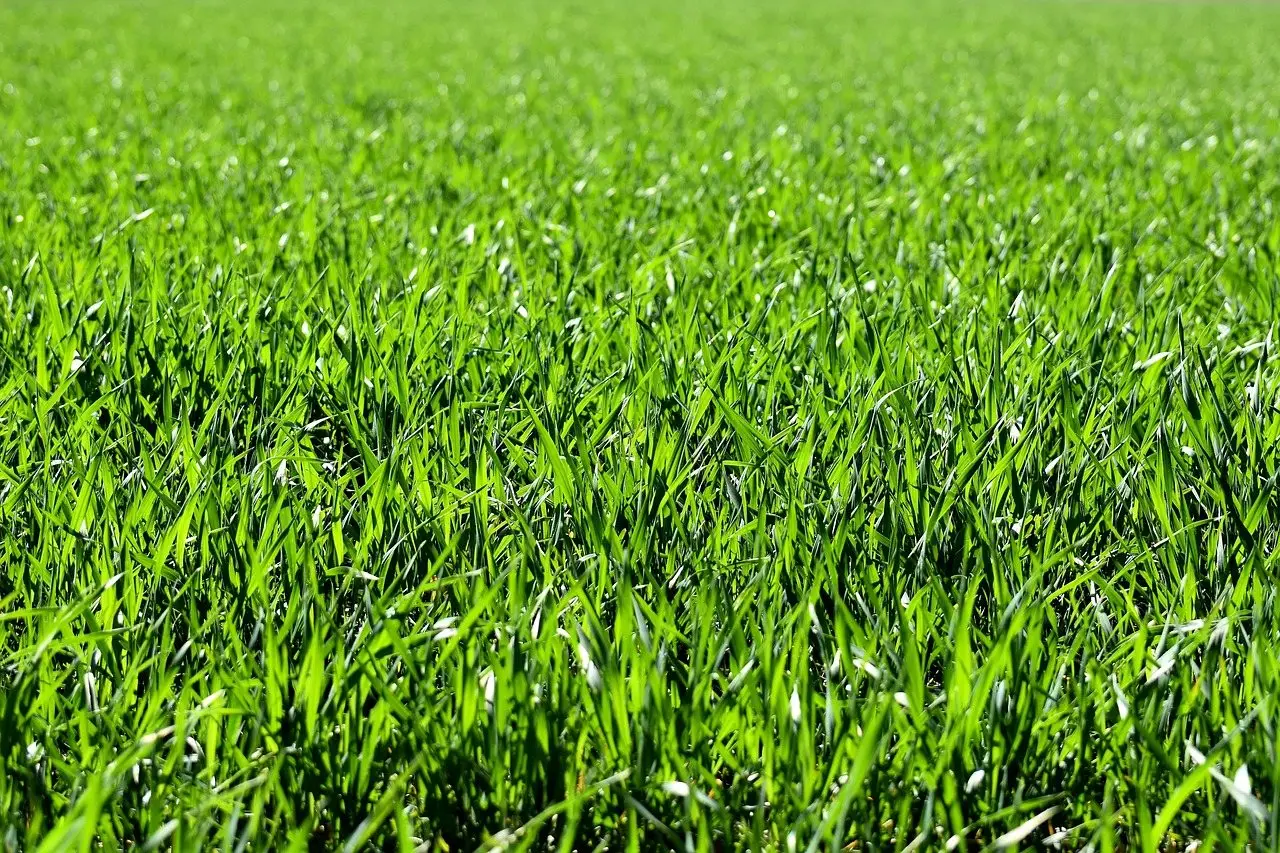
How to Make a Lawn Green and Thick: The Order That Works
Thick grass comes from mowing height, overseeding and deep watering before fertilizer. The sequence that fixes a thin lawn in one season.
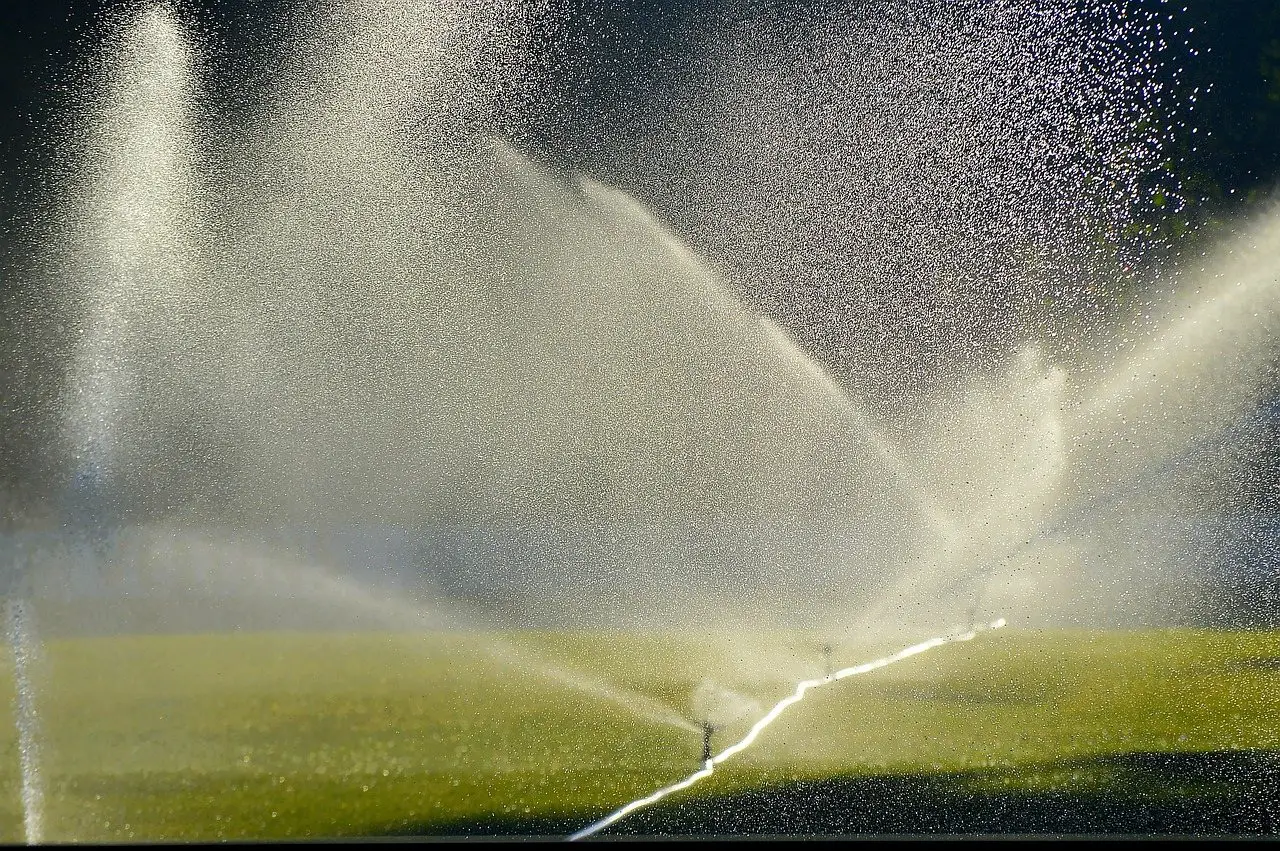
Best Time to Water a Lawn: Early Morning, and Why
Water between 4 and 9 am. Evening watering leaves blades wet overnight and invites disease; midday loses a large share to evaporation.
Can You Over Fertilize Your Lawn? Yes, and It Shows Fast
Too much fertilizer burns roots, forces weak growth and pollutes runoff. The signs, how to rescue a lawn, and the rates that avoid it.
Lawn Edging Ideas That Actually Keep Grass Out of Beds
Grass invades beds by rhizome and by seed, and most edging only stops one. Depths that work, materials compared, and why plastic roll edging fails.