
How to Start a Vegetable Garden in Your Backyard
Pick the sunniest spot, start small, build soil, and grow six crops well. The first-season plan that avoids the usual expensive mistakes.
 By
On this page
First vegetable gardens fail for two reasons: not enough sun, and too big. Getting those two right matters more than everything else combined.
Step 1: pick the spot
| requirement | why |
|---|---|
| 6–8 hours direct sun | Fruiting crops need the full eight |
| Near a tap | A hose you have to drag never gets used |
| Near the house | Proximity is what keeps a garden alive in July |
| Not a low wet spot | Roots drown; disease follows |
| Away from large tree roots | Competition for water and nutrients |
| Some wind shelter | Protects tall crops, warms the bed |
Step 2: size it honestly
- 50–100 sq ft for a first year
- Beds 4 ft wide, any convenient length
- Paths 18–24 in, or 30 in if a wheelbarrow needs to pass
- Expand next year if you kept up with it — this is much easier than scaling back
Step 3: soil
In the ground: clear the turf, loosen the top eight inches, spread two to three inches of compost and fork it into the surface. That is enough for year one.
Raised bed: fill with roughly 60 percent topsoil, 30 percent compost, 10 percent coarse material for structure. Do not fill a deep bed with pure compost — it slumps by half and dries out.
Skip the fertilizer in year one
Good compost does most of the feeding in a new bed, and feeding without a reason produces soft growth and aphids. Get a soil test if things underperform, and feed in response to something specific.
Step 4: choose six crops
| easy, year one | leave for later |
|---|---|
| Bush beans | Cauliflower |
| Courgette / summer squash | Celery |
| Lettuce and salad leaves | Melons |
| Radish | Brussels sprouts |
| Chard and kale | Sweetcorn in a small plot |
| Cherry tomatoes | Beefsteak tomatoes |
| Spring onions | Onions from seed |
| Herbs — basil, parsley, chives | Aubergine |
Buy transplants for tomatoes, peppers and squash in the first year. Sow beans, lettuce, radish and chard direct.
Step 5: the routine that keeps it alive
- Water deeply, in the morning, at soil level — not a daily sprinkle on the leaves
- Mulch two inches of straw or compost after planting
- Fifteen minutes of weeding a week, not a rescue mission in August
- Harvest constantly. Courgettes and beans stop producing if you let them mature
- Write down what worked. The second year is where a vegetable garden gets good
Common questions
Where should a vegetable garden go?
How big should a first vegetable garden be?
Raised beds or in the ground?
What are the easiest vegetables for a first year?
How much work is a vegetable garden?
What do I actually need to buy?
Backyard Weekly
Know what to plant, week by week
Join the weekly email for seasonal jobs, fixes for what is going wrong, and gear worth buying.
Not ready to subscribe? The planting calendar is free and needs no email.
By subscribing you agree to our privacy policy. Grow In Backyard will never sell your address.
Keep reading
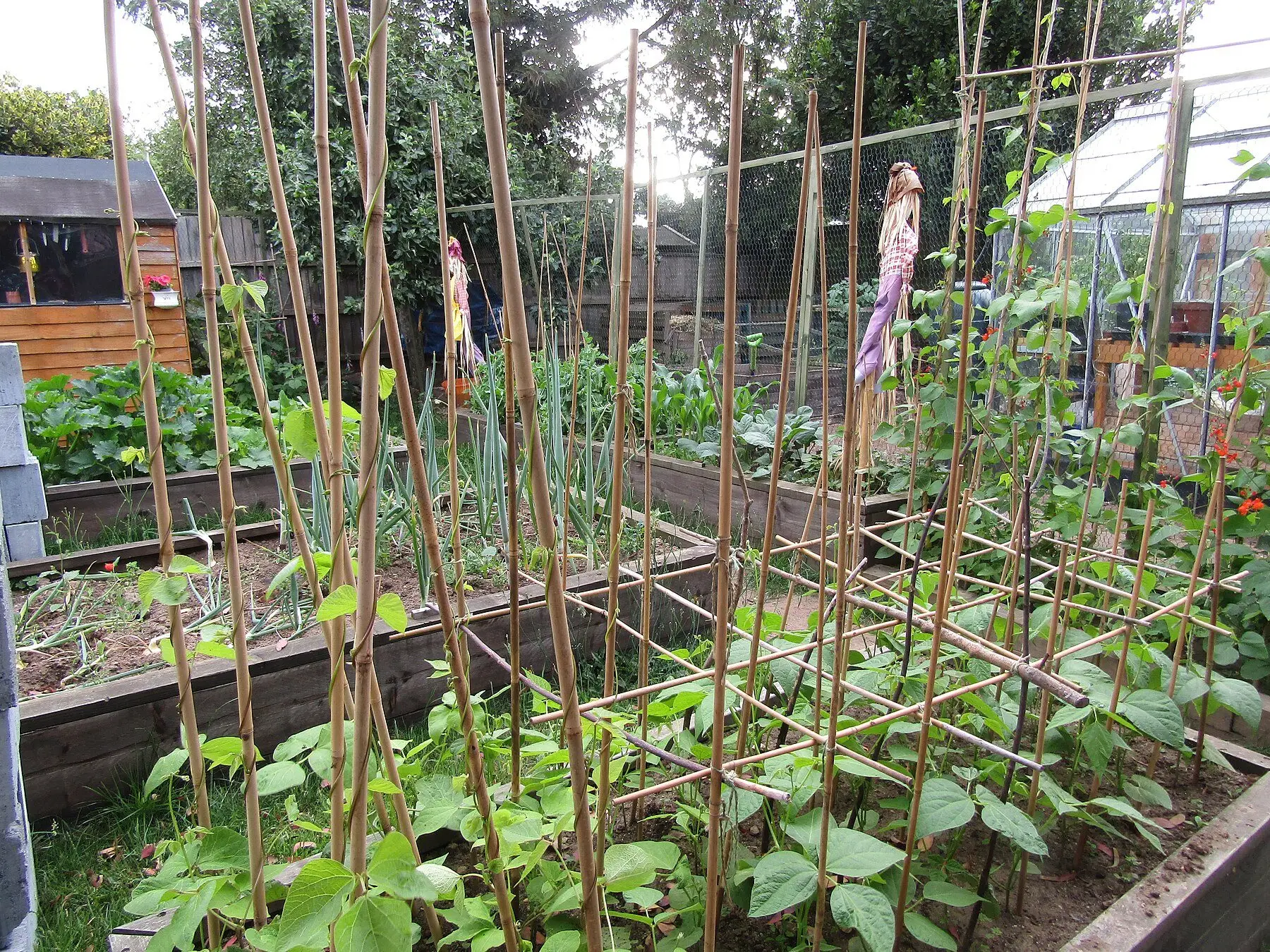
How to Fill a Raised Garden Bed (Without Spending a Fortune)
What to put in the bottom, the soil mix that actually works, and why hugelkultur layering is a good idea in a deep bed and a bad one in a shallow bed.
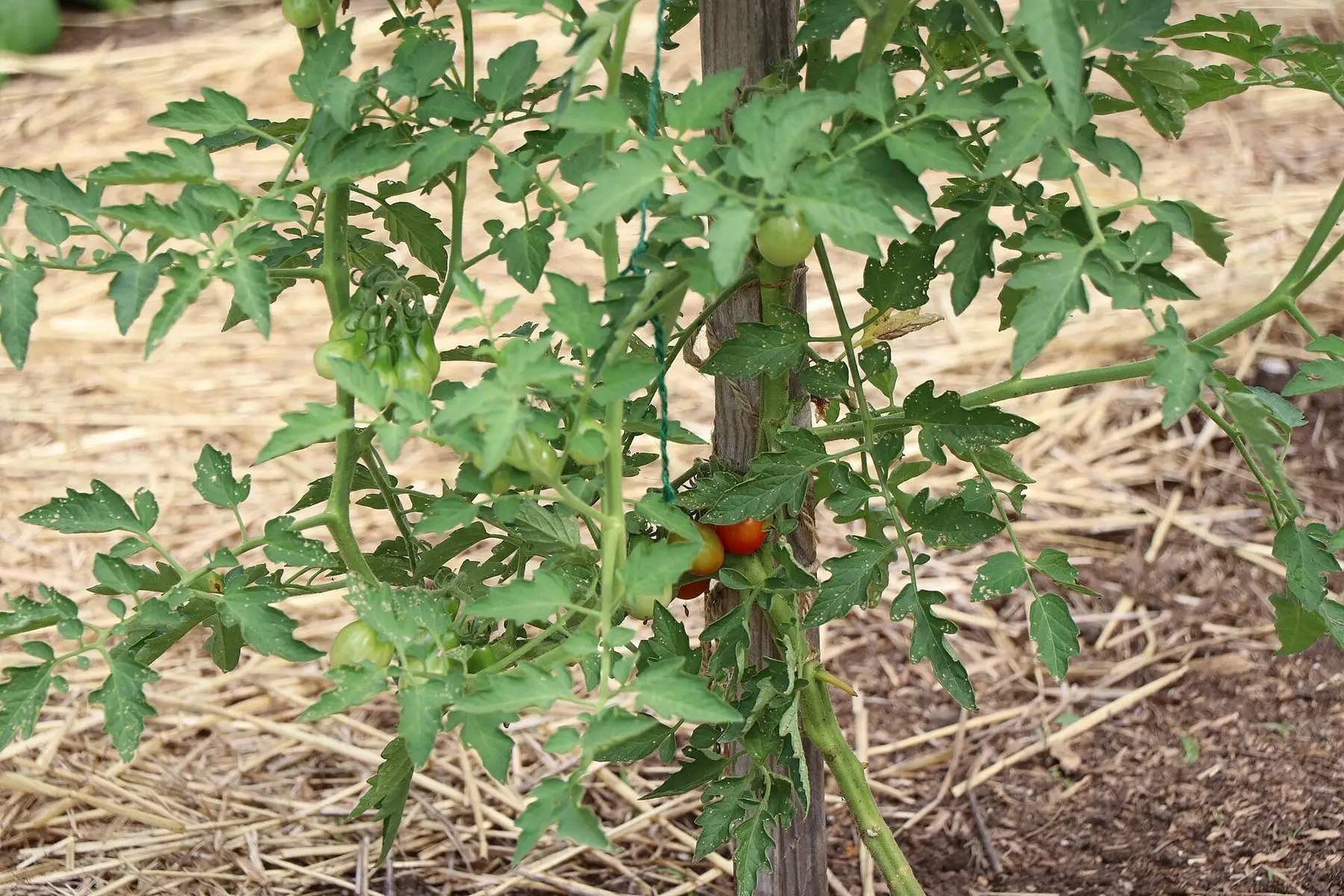
How to Grow Tomatoes: Determinate or Indeterminate First
That one word on the seed packet decides your spacing, your pruning, and your harvest shape. Then it is warmth, consistent water, and feeding at the right time.
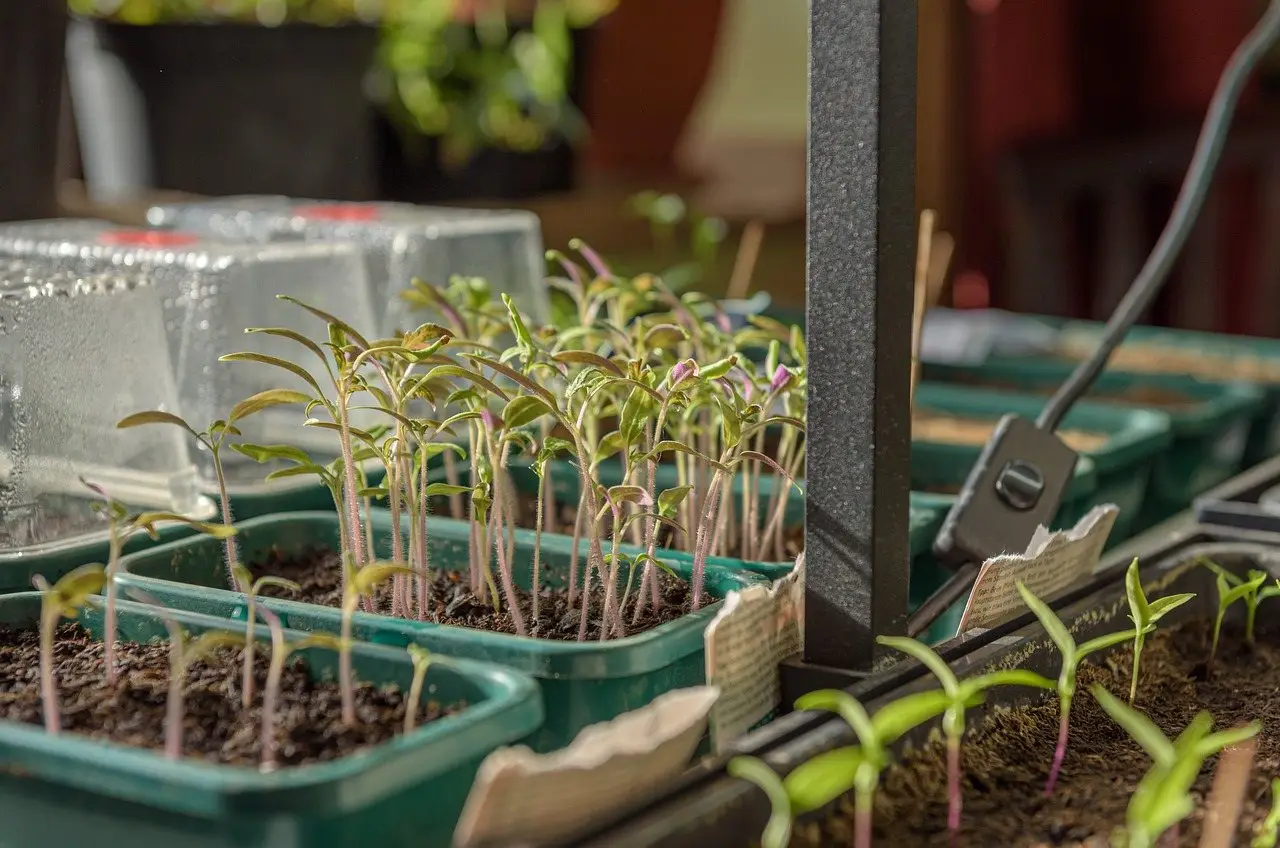
Best Soil for Seedlings: Fine, Sterile and Low in Nutrients
Seedlings need a fine, sterile, low-nutrient mix that holds moisture without staying wet. Why garden soil and standard compost both fail.
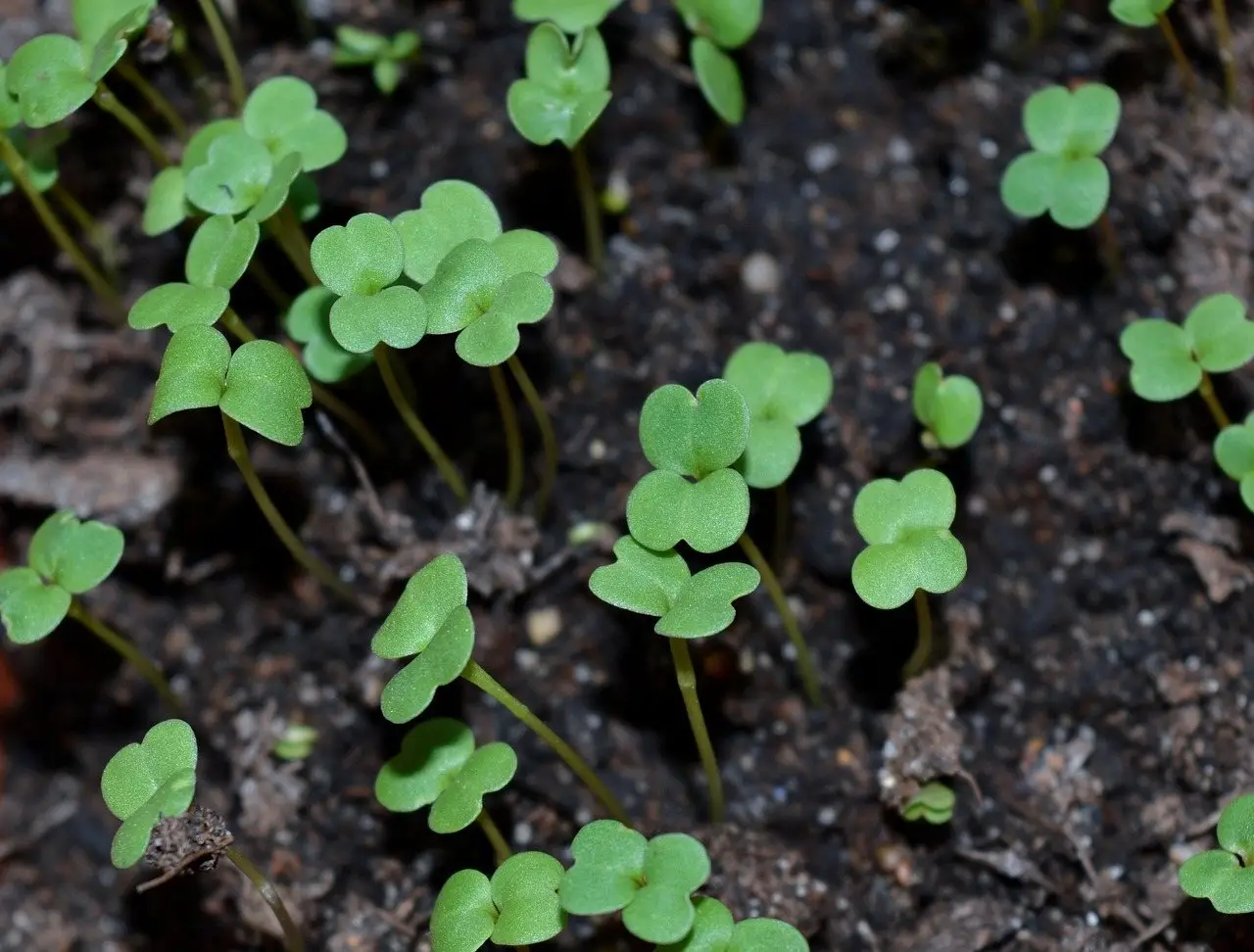
Radish Plant Growth Stages: Seed to Seed in Six Weeks
Germination in three days, true leaves at a week, root swelling from day ten, harvest by day 25. Knowing the stages tells you when something went wrong.