
Best Soil for Seedlings: Fine, Sterile and Low in Nutrients
Seedlings need a fine, sterile, low-nutrient mix that holds moisture without staying wet. Why garden soil and standard compost both fail.
 By
On this page
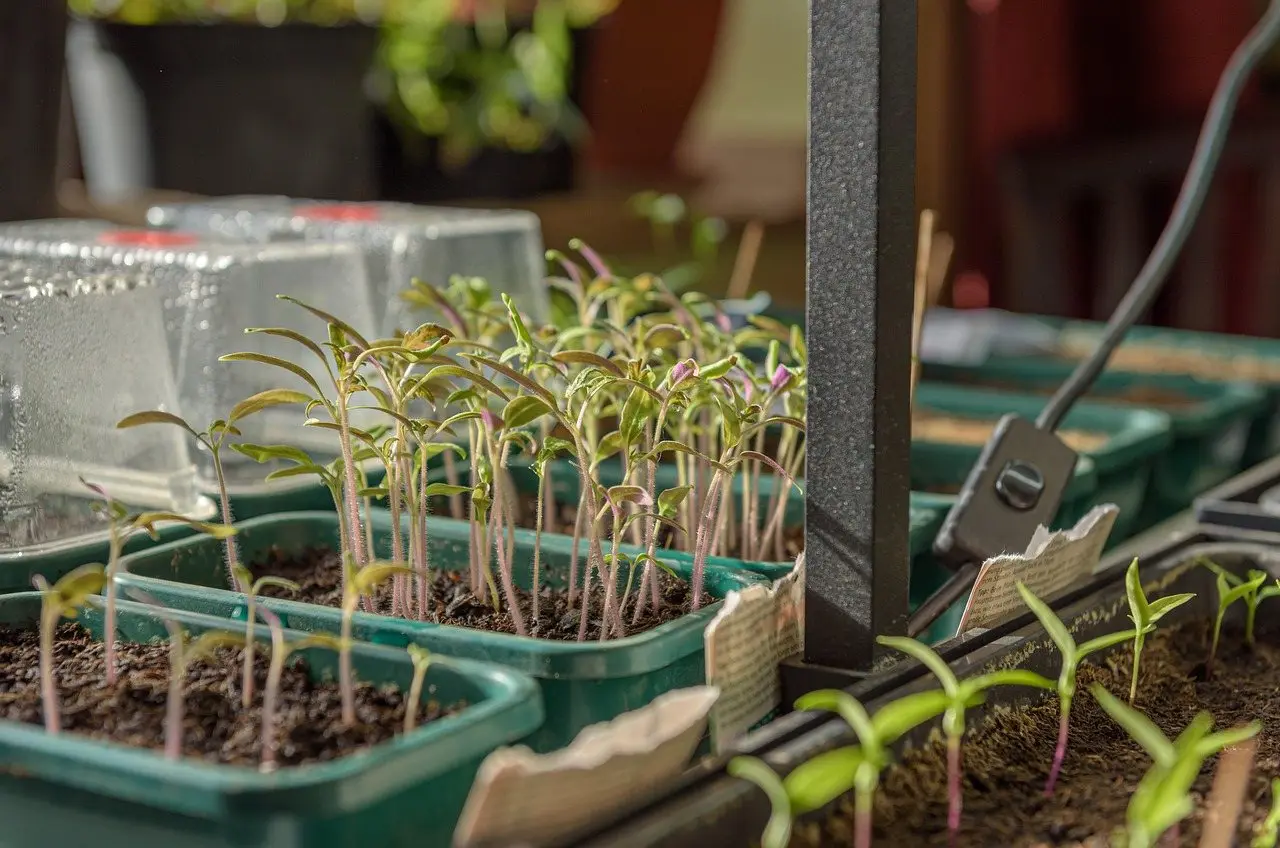
Seed-starting mix is not a weaker potting compost. It is a different product with the opposite priorities: fine, sterile and deliberately nutrient-free.
Why each property matters
| property | reason |
|---|---|
| Fine texture | A small seed needs contact with particles at its own scale |
| Sterile | Damping-off fungi fell seedlings overnight |
| Low nutrient | Fertilizer salts burn emerging root hairs |
| Holds moisture | Germination fails if the surface dries for even a day |
| Drains and aerates | Saturated mix suffocates roots and invites fungus |
Mix recipes
General seed starting
- 2 parts coir or sieved peat-free compost
- 1 part fine vermiculite
- 1 part perlite
- No fertilizer
Fine seeds (lobelia, begonia, herbs)
- 3 parts sieved coir
- 1 part fine vermiculite
- Surface-sown, pressed in, not covered
Larger seeds (beans, squash, sunflowers)
- Standard seed mix, or a 50/50 blend of seed mix and sieved potting compost
Wet the mix in a bucket, not in the tray
Dry coir and peat-free compost repel water. Mix and moisten in a bucket until a squeezed handful holds together but releases no water, then fill the trays. Watering a dry filled tray sends the water down the sides and leaves the middle bone dry.
Preventing damping off
- Sterile mix and clean trays — hot soapy water plus a dilute bleach rinse
- Water from below, so the surface dries between waterings
- Air movement from a small fan, which also toughens stems
- Thin early so seedlings are not crowded
- Do not reuse the mix from a tray that collapsed
When to start feeding
- Seed leaves only: no feed
- First true leaves: quarter-strength liquid feed, weekly or fortnightly
- Potting on: standard potting compost takes over, and feeding follows that
Common questions
What soil is best for starting seeds?
Can I use potting soil or garden soil for seeds?
What is a good homemade seed starting mix?
Why are my seedlings collapsing at soil level?
When do seedlings need fertilizer?
Should I sterilise my own mix?
Backyard Weekly
Know what to plant, week by week
Join the weekly email for seasonal jobs, fixes for what is going wrong, and gear worth buying.
Not ready to subscribe? The planting calendar is free and needs no email.
By subscribing you agree to our privacy policy. Grow In Backyard will never sell your address.
Keep reading
What Is Perlite For? Drainage and Air, Not Nutrition
Perlite is heat-popped volcanic glass that holds air in a mix. Where it belongs, how it differs from vermiculite, and the dust precaution.
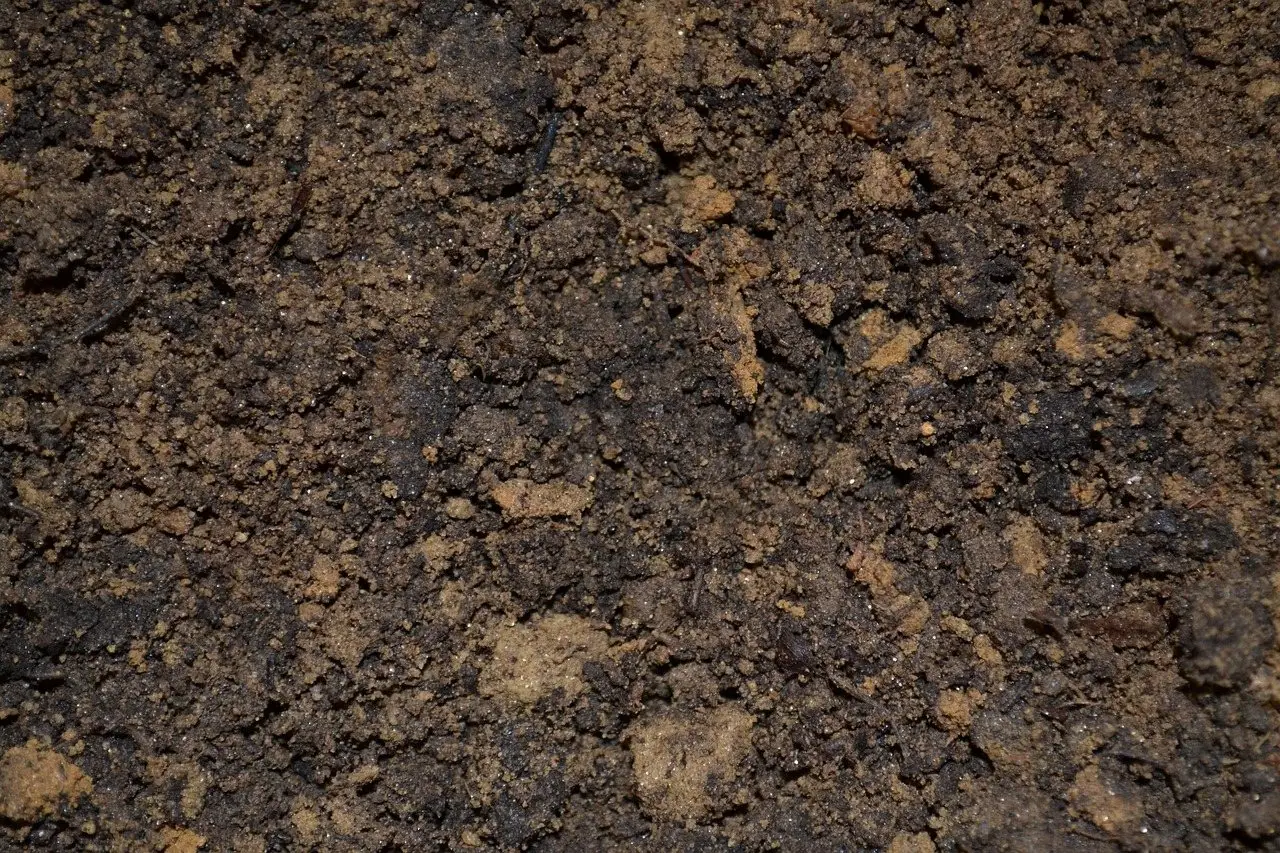
What Is Vermiculite Made Of? Expanded Mica, and What It Does
Vermiculite is mica heated until it puffs like popcorn. It holds water and nutrients — the opposite of what perlite does, and why they are not interchangeable.
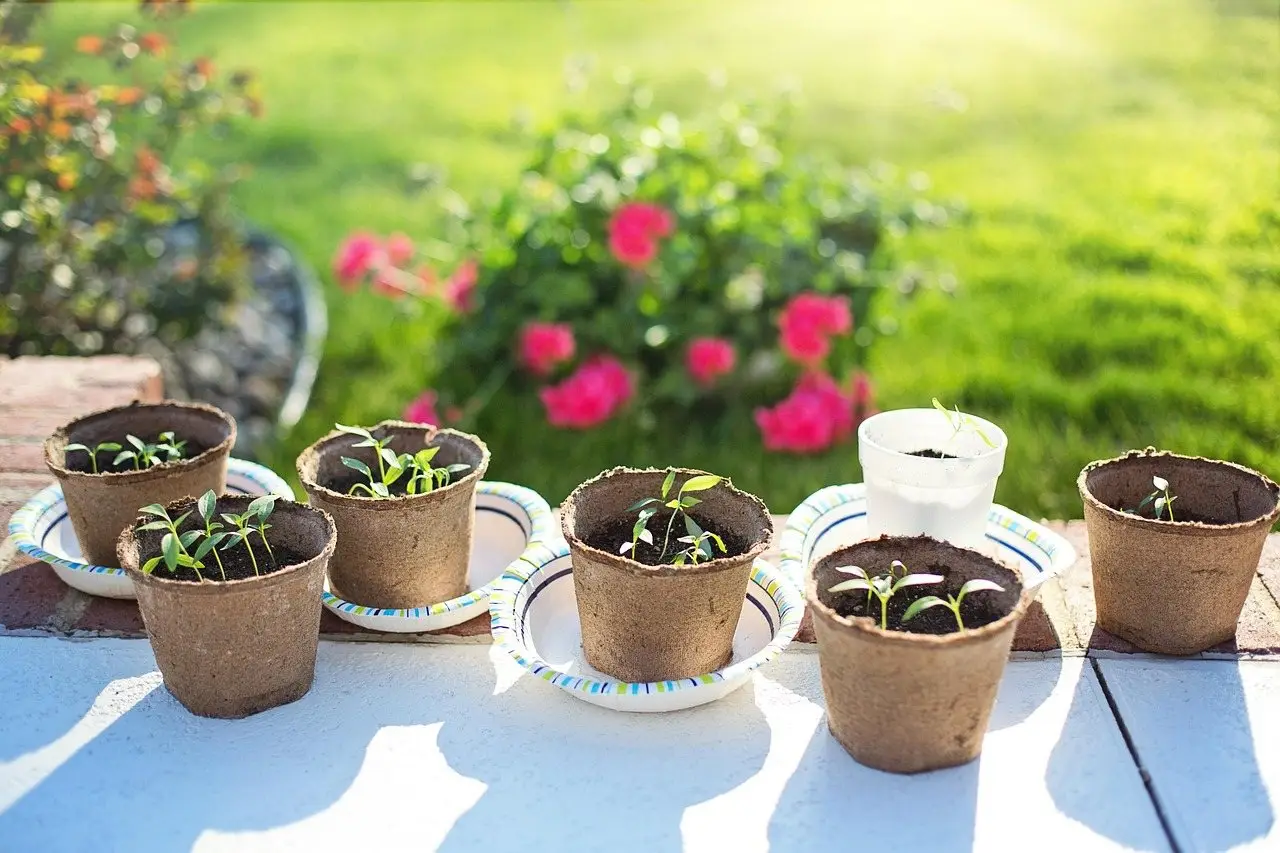
Bell Pepper Germination Time: 7 to 14 Days With Heat
Peppers germinate in 7 to 14 days at 80 to 85 °F and can take a month at room temperature. Why bottom heat is the whole answer.
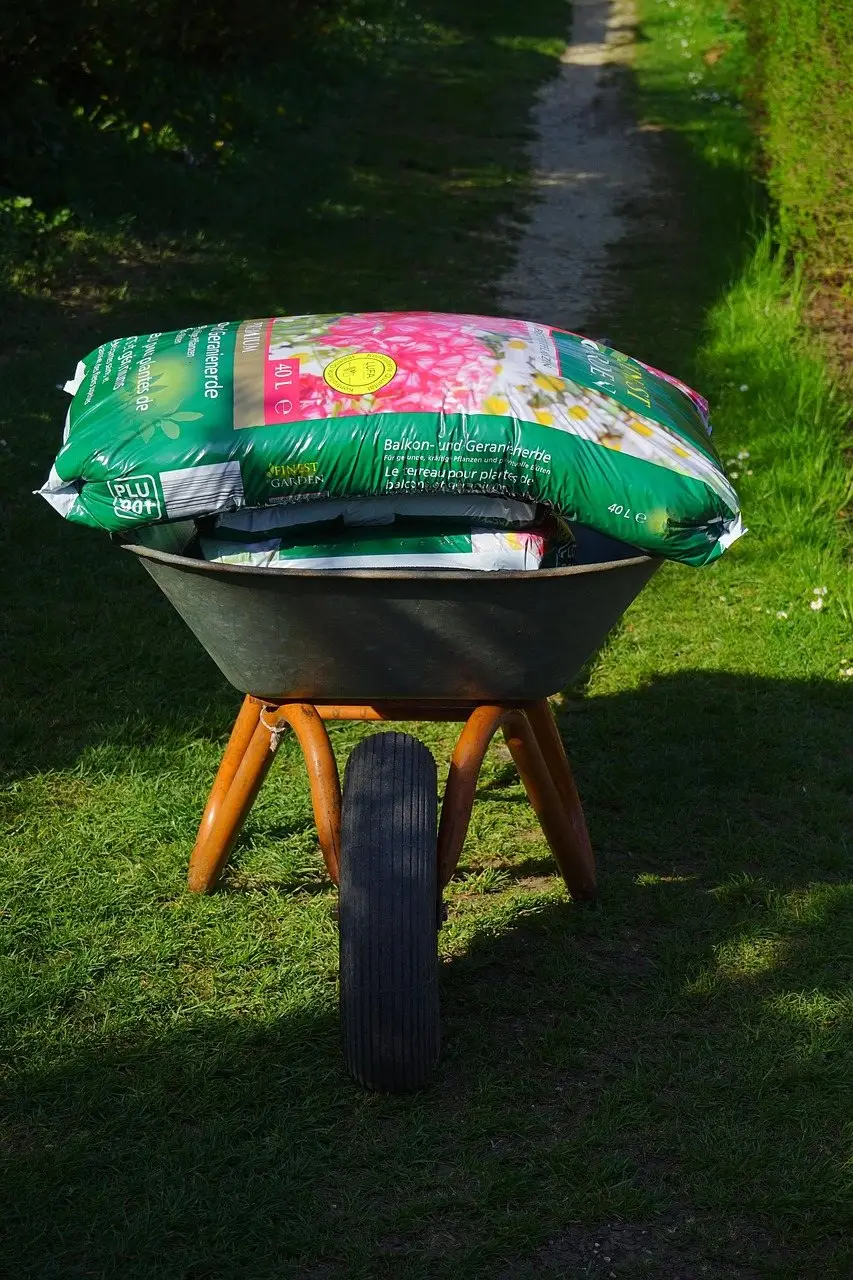
Can a Bag of Potting Soil Go Bad? Yes, If It Was Stored Wet
Sealed and dry it keeps for years. A damp bag left closed goes anaerobic and sour, and any bag loses its fertiliser charge within about a year.