
Bell Pepper Germination Time: 7 to 14 Days With Heat
Peppers germinate in 7 to 14 days at 80 to 85 °F and can take a month at room temperature. Why bottom heat is the whole answer.
 By
On this page
Pepper germination is a temperature problem, not a seed problem. At 80 to 85 °F they come up in ten days; on a cool windowsill they may take a month.
Germination by soil temperature
| soil temperature | time to germinate |
|---|---|
| 55–60 °F | Very poor; seeds often rot |
| 65–70 °F | 21–35 days, patchy |
| 75–80 °F | 10–14 days |
| 80–85 °F | 7–14 days, best results |
| Above 90 °F | Germination falls off again |
Soil temperature, not air temperature. A tray on a windowsill in a 70 °F room can be several degrees cooler than the room and much cooler overnight.
Getting it right
- Sterile seed-starting mix, moistened in a bucket before filling trays
- Sow 1/4 inch deep, two seeds per cell, thin to the strongest
- Heat mat under the tray, ideally with a thermostat set to 82 °F
- Cover with a propagator lid or loose plastic to hold humidity
- Keep the surface damp, never wet — bottom-water where possible
- Remove the cover and the heat as soon as they emerge
- Strong light immediately, two to four inches above the seedlings, 14–16 hours a day
Light is the second failure, right after heat
Seedlings that germinate well and then stretch into long pale stems are short of light, not warmth. A windowsill is rarely enough in late winter — a cheap LED shop light close above the tray fixes it.
Other reasons seed fails
- Old seed. Pepper viability drops noticeably after two to three years
- Sown too deep. A quarter inch is the maximum
- Surface dried out for a day during germination
- Overwatering, which rots the seed before it sprouts
- Unsterilised mix, leading to damping off just after emergence
Timing and growing on
| stage | target |
|---|---|
| Sow | 8–10 weeks before last frost |
| Germination | 80–85 °F soil |
| After emergence | 70–75 °F day, 60–65 °F night |
| Light | 14–16 hr, close above the plants |
| Transplant out | Once night temperatures stay above 55 °F |
Starting too early is worse than starting late: a root-bound leggy pepper sulks for weeks after planting out.
Common questions
How long do bell pepper seeds take to germinate?
Why are my pepper seeds not germinating?
Should I soak pepper seeds before sowing?
When should I start pepper seeds indoors?
What temperature should peppers be grown at after germinating?
Do hot peppers germinate slower than bell peppers?
Backyard Weekly
Know what to plant, week by week
Join the weekly email for seasonal jobs, fixes for what is going wrong, and gear worth buying.
Not ready to subscribe? The planting calendar is free and needs no email.
By subscribing you agree to our privacy policy. Grow In Backyard will never sell your address.
Keep reading
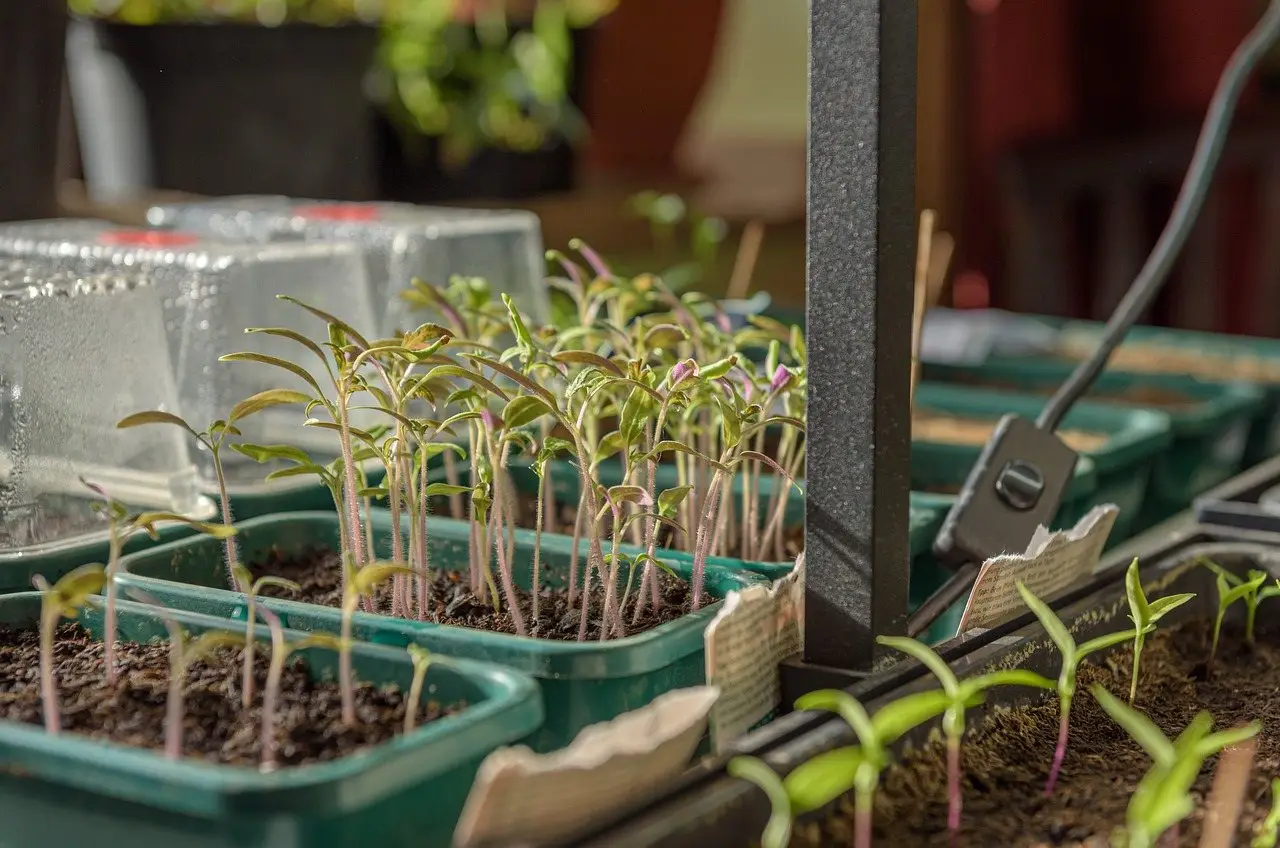
Best Soil for Seedlings: Fine, Sterile and Low in Nutrients
Seedlings need a fine, sterile, low-nutrient mix that holds moisture without staying wet. Why garden soil and standard compost both fail.
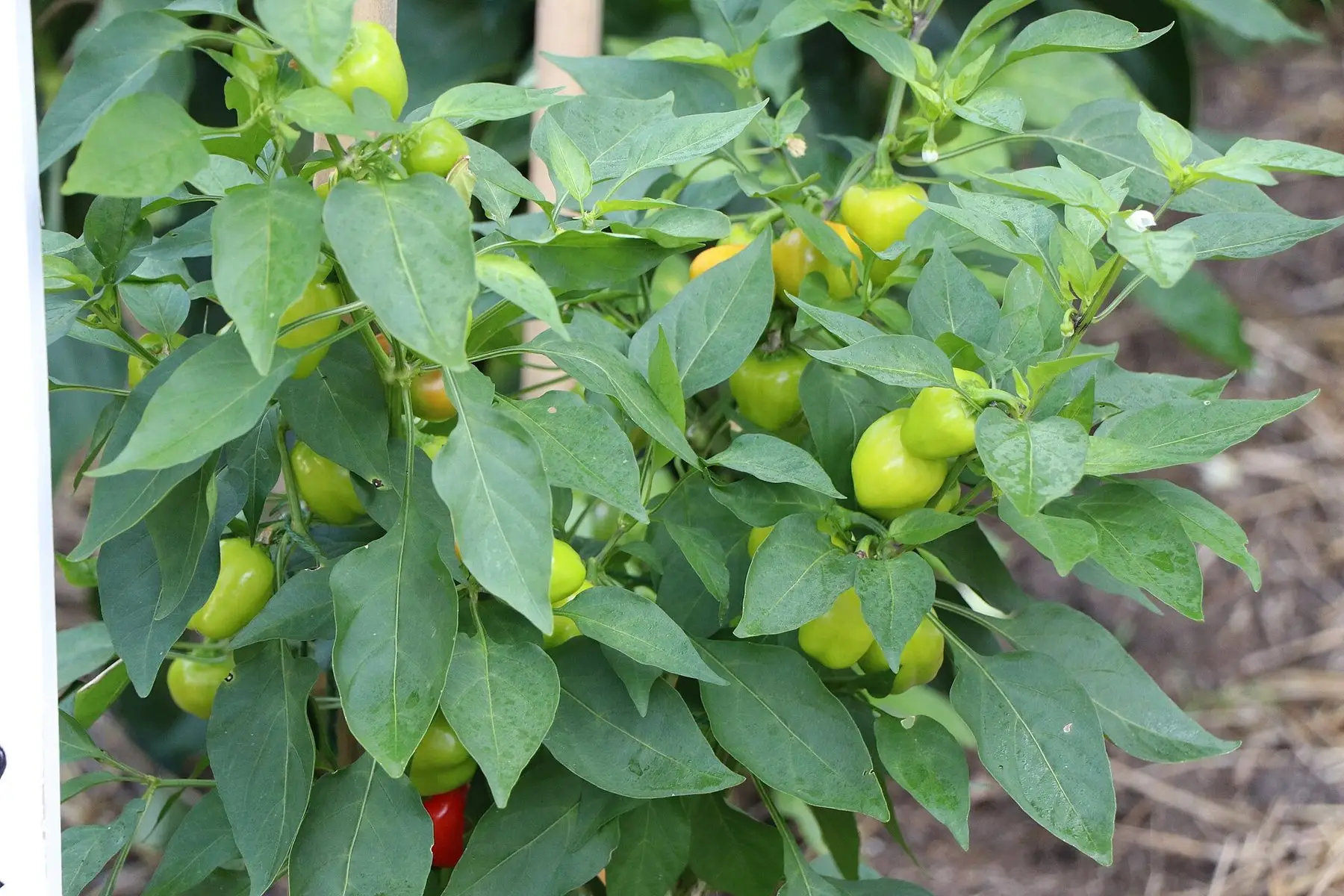
How to Grow Peppers: Start Early, Then Keep Them Warm
Peppers need more heat than tomatoes and stall in cool nights. When to sow, the temperature range that makes flowers drop, and why to feed them less than you think.
How to Start a Vegetable Garden in Your Backyard
Pick the sunniest spot, start small, build soil, and grow six crops well. The first-season plan that avoids the usual expensive mistakes.
Best Gardening Gloves for Women: Fit, Thorns and Wet Work
Glove choice is about the job, not the gender label. The four types worth owning, what sizing actually means, and which claims to ignore.