
Best Gardening Gloves for Women: Fit, Thorns and Wet Work
Glove choice is about the job, not the gender label. The four types worth owning, what sizing actually means, and which claims to ignore.
 By
We may earn a commission when you buy through links on this page, at no extra cost to you.
On this page
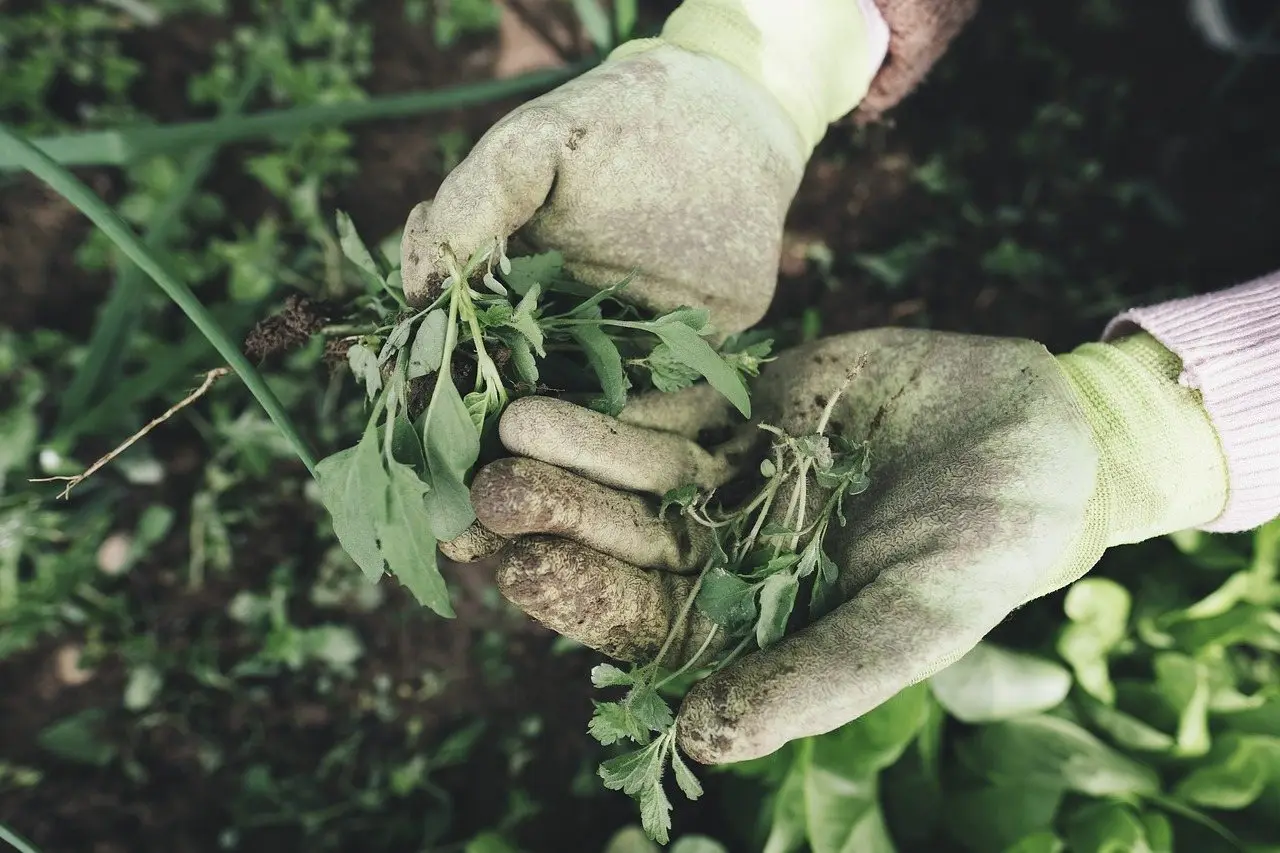
Glove choice is decided by the job, not the label on the packet. Three pairs covering different jobs beats one expensive pair trying to do all of them.
Match the glove to the job
| Job | Glove |
|---|---|
| Weeding, planting, general | Nitrile-coated knit |
| Roses, brambles, blackthorn | Leather gauntlet |
| Wet soil, pond, winter | Fully coated waterproof |
| Seed sowing, pricking out | Thin nitrile, or bare hands |
| Dry potting bench | Anything, including fabric |
Measure your hand rather than trusting the label
Sizing is inconsistent between brands and the women’s version of a glove is often the same cut in a different colour.
Measure across the palm, excluding the thumb, and buy to the manufacturer’s chart. A snug glove you can pick up a seed in is worth more than a premium one you take off to do anything fiddly.
Care
- Wash coated knit gloves cool and air dry — this is why owning several pairs works
- Never wash leather. Brush off dry soil, condition occasionally
- Dry away from heat. A radiator makes leather stiff and cracks it
- Replace when the fingertips split rather than working around it, since that is where thorns and splinters get in
How we picked
Four glove types judged by the job they suit, how they handle wet soil, and what fails first · Picks last checked October 2026.
- Fit at the fingertips
- A glove that is loose at the tips makes every delicate job worse — seed sowing, pricking out, weeding between seedlings. Fit matters more than material for most garden work.
- Whether it survives wet
- Fabric gloves soak through in minutes in wet soil and stay cold. Coated palms are the difference between usable and abandoned in spring and autumn.
- Thorn resistance, honestly
- No glove is thorn proof. Gauntlets and thick leather resist, and rose and bramble work needs forearm cover more than palm thickness — most injuries are to the wrist and arm.
- Breathability
- Fully waterproof gloves make hands sweat, which is as uncomfortable as wet. A coated palm with a breathable back is the usual compromise worth making.
Our picks
| # | Pick | Best for | Where to buy |
|---|---|---|---|
| 1 | Nitrile-coated knit gloves | Best overall | Check price for Nitrile-coated knit gloves → |
| 2 | Leather gauntlet gloves | Best for thorns | Check price for Leather gauntlet gloves → |
| 3 | Fully coated waterproof gloves | Best in wet and cold | Check price for Fully coated waterproof gloves → |
| 4 | Fashion-print fabric gloves | Skip this one | Check price for Fashion-print fabric gloves → |
Best overall
Nitrile-coated knit gloves
The pair to reach for most days. Buy multiples in a smaller size than you think — loose fingertips are what ruins these for delicate work.
- Palm
- Nitrile coating
- Back
- Breathable knit
- Sizes
- Usually XS–L
What we liked
- Close fit at the fingertips, which is what makes fine work possible
- Grip holds in wet soil where fabric gloves slip
- Cheap enough to own three pairs and wash them
- Breathable back stops the sweating of fully coated gloves
Worth knowing
- Coating eventually splits at the fingertips with heavy use
- Not thorn resistant in any meaningful way
- Knit back soaks through in genuinely wet conditions
Best for thorns
Leather gauntlet gloves
Buy these for the job rather than for general use. Nothing is thorn proof, but a gauntlet is what keeps bramble work tolerable.
- Cuff
- Forearm length
- Material
- Goatskin or cowhide
- Use
- Roses, brambles, blackthorn
What we liked
- Forearm cover prevents the wrist and arm scratches that are the actual injuries
- Leather resists punctures far better than fabric
- Long cuff keeps debris out when reaching into a shrub
- Lasts years with occasional conditioning
Worth knowing
- Bulky, so poor for anything delicate
- Goes stiff if soaked and dried hard
- Rarely available in genuinely small sizes
Best in wet and cold
Fully coated waterproof gloves
A second pair rather than a main pair. Worth having for the few jobs where wet hands end the session early.
- Coating
- Full latex or PVC
- Season
- Autumn, winter, pond work
- Lining
- Sometimes fleece
What we liked
- Hands stay dry and warm, which extends how long you can work in winter
- Essential for pond work, wet clay and washing pots
- Lined versions make cold-weather work genuinely comfortable
Worth knowing
- Hands sweat, with no breathability at all
- Clumsy for anything precise
- Latex is a problem for anyone with a sensitivity
Skip this one
Fashion-print fabric gloves
These are what most people mean when they say gloves do not work. Uncoated fabric is for dry bench work and nothing else.
- Material
- Uncoated cotton or polyester
- Grip
- Minimal
- Wet
- Soaks through
What we liked
- Cheapest on the shelf and often sold in sets
- Fine for dry potting-bench work
Worth knowing
- Soak through in minutes in damp soil and stay cold
- No grip wet, so tools slip
- Thorns and splinters pass straight through
- Usually sized generously, which ruins fingertip control
Which should you buy?
| If you… | Buy | Because |
|---|---|---|
| General weeding and planting | Nitrile-coated knit | Close fit, good grip wet or dry, cheap enough to own several pairs and wash them. |
| Roses, brambles, blackthorn | Leather gauntlet | Forearm cover is what prevents the injuries. Palm thickness alone does not help when reaching into a thorny shrub. |
| Wet soil, ponds, winter work | Fully coated waterproof | Keeps hands dry and warm, which is the whole job. Accept that they sweat. |
| Seed sowing and pricking out | Thin nitrile or bare hands | Dexterity beats protection for fine work. A bulky glove makes it slower and more frustrating. |
When not to buy at all
If gloves keep being abandoned halfway through a job, the problem is usually fit rather than quality. Try a smaller size before spending more — most people wear gloves a size too large, which is what makes fine work impossible.
Common questions
What gloves are best for gardening?
Are gardening gloves for women different?
Are any gardening gloves thorn proof?
How should gardening gloves fit?
Can gardening gloves go in the washing machine?
How long do gardening gloves last?
Backyard Weekly
Know what to plant, week by week
Join the weekly email for seasonal jobs, fixes for what is going wrong, and gear worth buying.
Not ready to subscribe? The planting calendar is free and needs no email.
By subscribing you agree to our privacy policy. Grow In Backyard will never sell your address.
Keep reading
How to Clean Garden Tools — 4 Items, One Autumn Hour
How to clean garden tools at season's end: scrape, sharpen, then oil. 4 items cover the whole routine in about an hour. See what each one does.
Spade vs Shovel: Which One You Actually Need
A spade cuts, a shovel scoops — and most people are digging with the wrong one. The difference, the handle types, and what to check before buying.
How to Clear an Overgrown Garden Fast
Identify what is there before you cut anything, then clear in one pass with the right tool. Smother what you cannot dig, and never strim blind.
Can I Plant Potatoes Now? Soil Temperature Decides
Calendar dates mislead. The soil temperature that matters, how late is too late by variety group, and when a second autumn crop is realistic.