
How Tall Do Pear Trees Grow? By Rootstock, Not Variety
A standard pear reaches 30 to 40 feet, semi-dwarf 15 to 20, dwarf 8 to 12. The rootstock decides it, and pruning only holds the shape.
 By
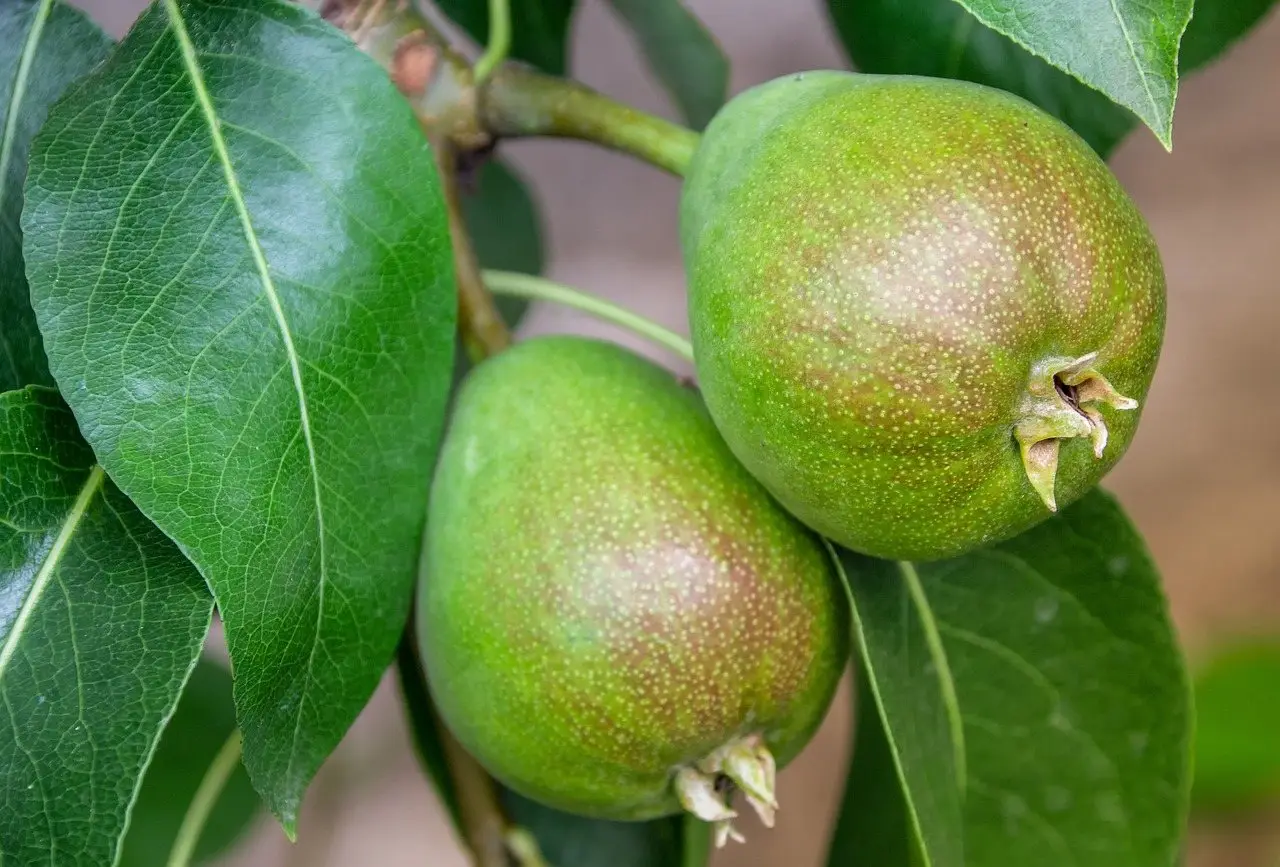
On this page
Height comes from the rootstock, not the variety. A Conference on quince C stays at ten feet; a Conference on seedling reaches forty.
Rootstocks and sizes
| rootstock | mature height | notes |
|---|---|---|
| Quince C | 8–12 ft | Smallest; needs good soil and permanent staking |
| Quince A | 12–18 ft | The standard garden bush or small tree |
| Pyrodwarf | 15–20 ft | Semi-dwarfing, hardier than quince |
| OHxF 87 / 97 | 15–25 ft | Common in the US; fire-blight tolerant |
| Pear seedling (standard) | 30–40 ft | Long-lived, slow to fruit, large |
If the label names no rootstock, assume it is vigorous
Nurseries selling dwarf trees say so prominently, because it is the selling point. An unlabelled “pear tree” is usually on a seedling or semi-vigorous stock.
Spacing
| form | spacing between trunks |
|---|---|
| Cordon | 2–3 ft |
| Espalier / fan | 12–15 ft |
| Dwarf bush | 8–10 ft |
| Semi-dwarf | 12–18 ft |
| Standard | 20–25 ft |
Trained forms for small spaces
- Cordon — a single stem at 45 degrees against wires. Almost no width
- Espalier — horizontal tiers on a wall. Productive and ornamental
- Fan — radiating branches on a wall, good on a warm aspect
- Stepover — a knee-high single tier as a bed edge
All of them want a dwarfing rootstock and annual summer pruning.
Time to fruit
| rootstock | first crop |
|---|---|
| Dwarf (Quince C) | 3–5 years |
| Semi-dwarf | 4–6 years |
| Standard | 6–10 years |
Remove the fruit in the first year or two on a young tree. It feels wasteful and builds the structure that carries crops for the next several decades.
Pollination
Most pears are not self-fertile. Plant a compatible variety flowering in the same period within about fifty feet, or buy a family tree with two or three varieties grafted onto one stem — which is often the right answer in a small garden.
Common questions
How tall does a pear tree get?
What rootstock should I choose for a small garden?
Can pruning keep a pear tree small?
How far apart should pear trees be planted?
How long before a pear tree fruits?
Do pear trees live a long time?
Backyard Weekly
Know what to plant, week by week
Join the weekly email for seasonal jobs, fixes for what is going wrong, and gear worth buying.
Not ready to subscribe? The planting calendar is free and needs no email.
By subscribing you agree to our privacy policy. Grow In Backyard will never sell your address.
Keep reading
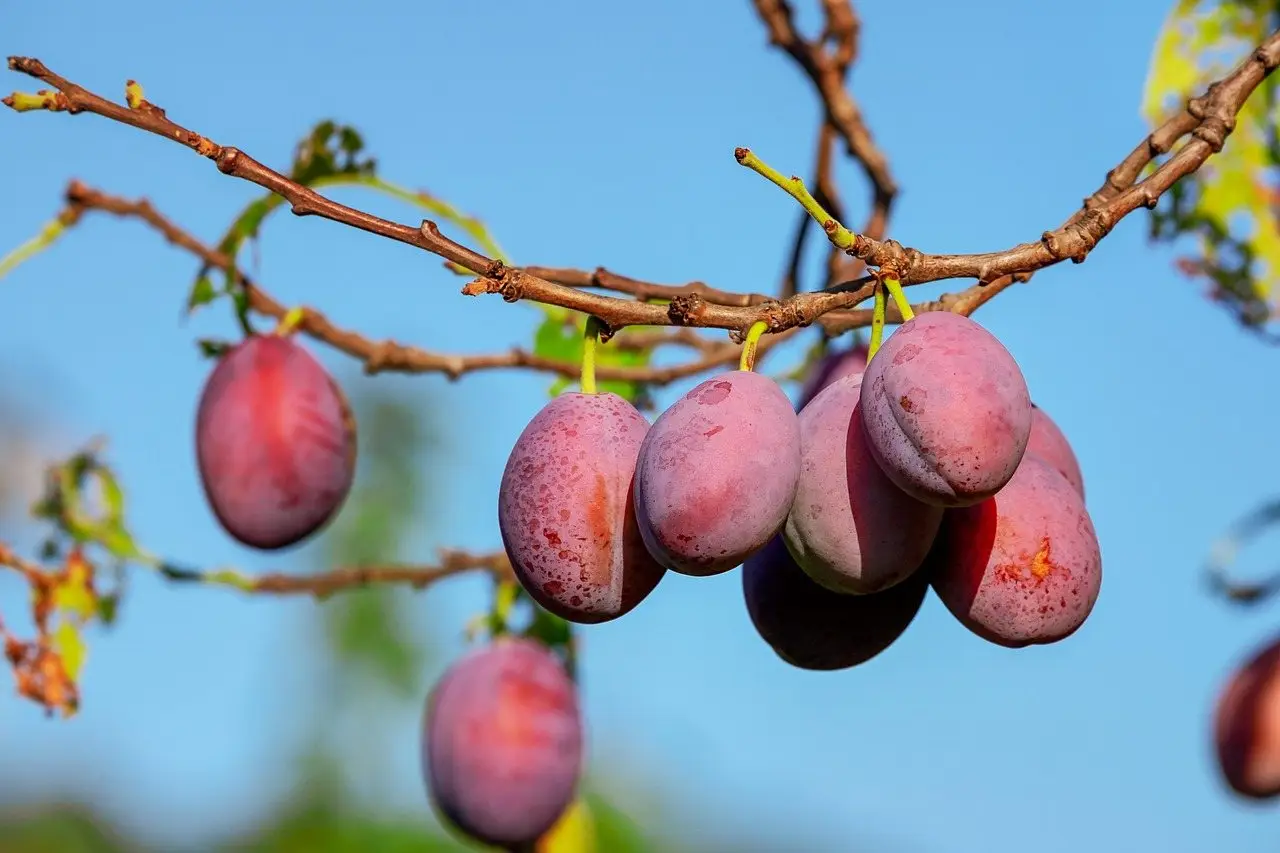
How to Grow Plums: Rootstock, Pollination and Pruning
Plums crop within three to five years if you get the rootstock, pollination group and pruning season right — prune in summer, never winter.
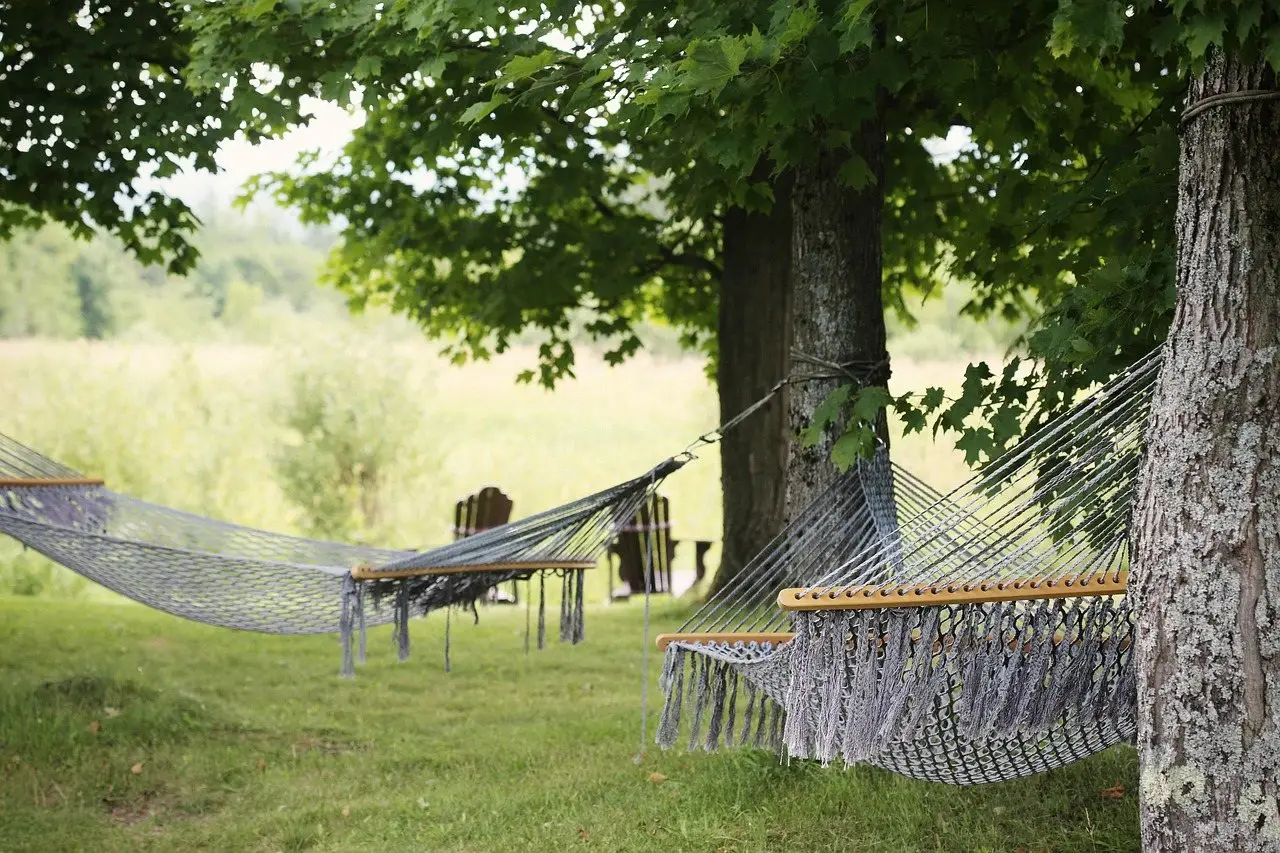
Backyard Trees for Shade: Fast, Safe and Right-Sized
Shade in five to ten years without lifting the patio. Species by mature size, root behaviour and distance from the house.
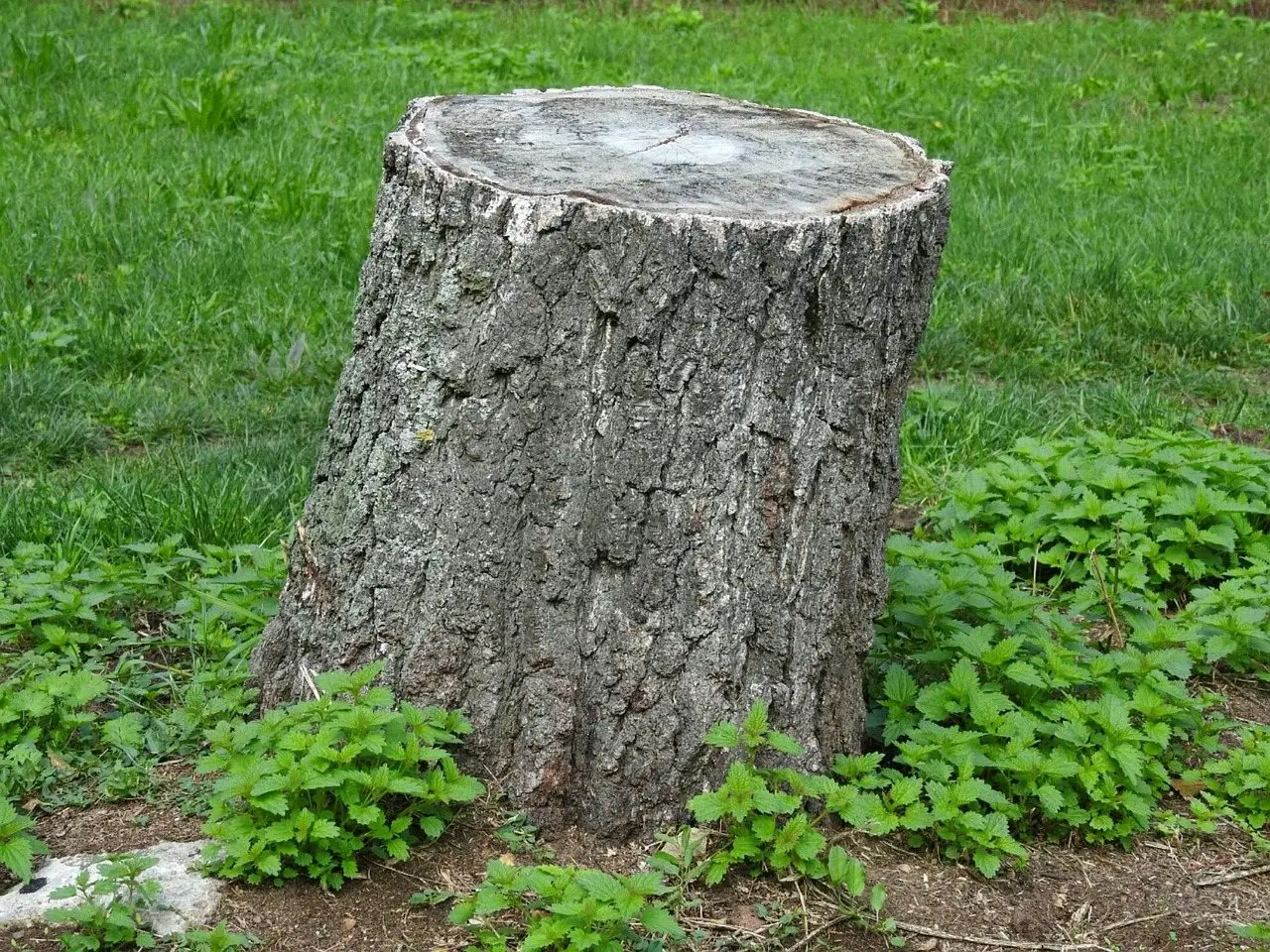
Creative Ways to Hide a Tree Stump Without Grinding It
Planters, a stump garden, a bird bath base, seating or a hollowed fern pocket. Nine options, with what each needs and how long it lasts.
How to Cut a Tree Down, and When Not to Try
Felling is decided before the saw starts: lean, hazards, escape routes, and whether the tree is within your competence at all. Where the line is, honestly.