
Creative Ways to Hide a Tree Stump Without Grinding It
Planters, a stump garden, a bird bath base, seating or a hollowed fern pocket. Nine options, with what each needs and how long it lasts.
 By
On this page
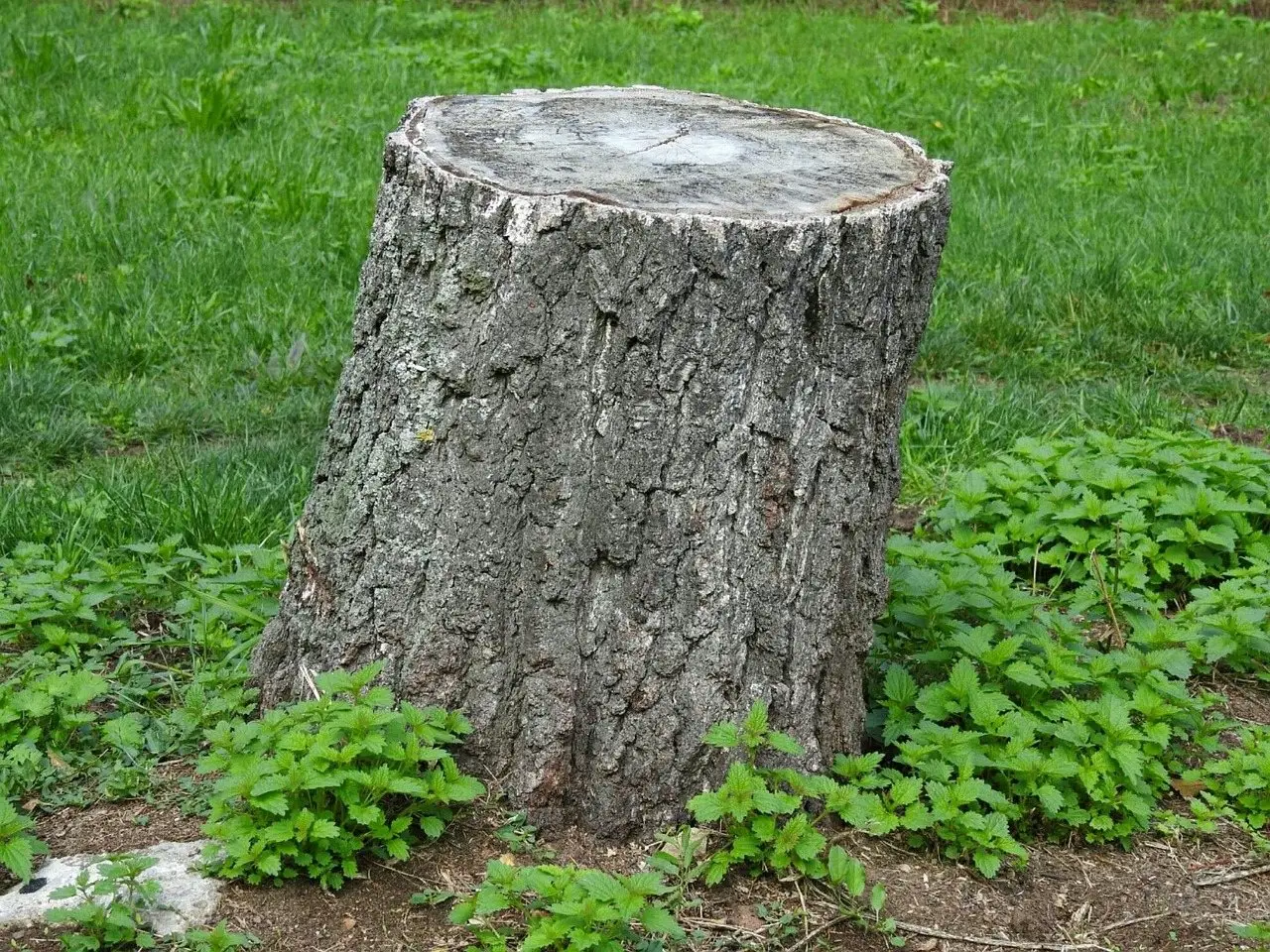
A stump does not have to be ground out. Nine options below work with it in place, and several look better than the flat lawn would have.
Nine options
| idea | effort | lasts | notes |
|---|---|---|---|
| Containers on and around it | None | Indefinite | Easiest; change seasonally |
| Hollowed planting pocket | Half a day | 5–10 yr | Needs a softened centre and a drain hole |
| Bird bath or sundial base | Low | Years | Level the top; a flat stump is already a plinth |
| Lantern or solar light stand | Low | Years | Good at a path corner |
| Seat with a cut timber top | Moderate | Years | Sand the top, fix a slab of hardwood |
| Raised bed built around it | Moderate | Long | The stump disappears inside the bed |
| Rock garden mound | Moderate | Long | Stone plus free-draining soil over and around |
| Ring of grasses and tall perennials | Low | Long | Miscanthus, rudbeckia, echinacea |
| Climber or ground cover over it | Low | Long | Clematis, honeysuckle, creeping thyme, ivy |
Hollowing it out properly
- Wait until the centre is soft — usually two years or more
- Chisel or drill out the decayed middle, leaving a rim of sound wood
- Aim for three to six inches deep
- Drill a drainage hole right through the base
- Fill with potting compost, not garden soil
- Plant sedum, sempervivum, trailing annuals, or ferns in shade
- Refresh the compost each spring
Two cases where removal beats decoration
A stump within a few feet of the house in a termite or carpenter ant region is a liability, not a feature. And a stump from a tree that died of disease can host honey fungus, which spreads to living plants — do not plant susceptible shrubs hard against it.
If you decide to speed the rotting
- Drill deep holes across the top face and down the sides
- Keep it moist
- Add a nitrogen source — high-nitrogen fertilizer or manure feeds the fungi
- Expect 3–7 years for softwoods, up to 15–20 for oak and elm
- Commercial stump removers are largely potassium nitrate doing the same thing
Grinding, for comparison
- $100–$400 for a typical residential stump
- Leaves chips and soil at grade, not a hole
- Roots remain and decay in place
- Say if you want to replant — the area needs excavating and backfilling with soil, since chips tie up nitrogen
- Plant a new tree three to six feet away, and not the same species
Common questions
What is the easiest way to hide a tree stump?
Can I plant directly in a tree stump?
How long does a tree stump take to rot away?
Will hiding a stump cause problems?
How much does stump grinding cost?
Can I grow a new tree where the stump was?
Backyard Weekly
Know what to plant, week by week
Join the weekly email for seasonal jobs, fixes for what is going wrong, and gear worth buying.
Not ready to subscribe? The planting calendar is free and needs no email.
By subscribing you agree to our privacy policy. Grow In Backyard will never sell your address.
Keep reading
Backyard Trees for Shade: Fast, Safe and Right-Sized
Shade in five to ten years without lifting the patio. Species by mature size, root behaviour and distance from the house.
How to Get Rid of a Stump Without Grinding: Four Methods
Digging works in a weekend, chemicals take a year, fire is often illegal and rotting takes three. Here is what each one actually involves.
Black River Rock Landscaping: Where It Works
Black river rock looks sharp and holds serious heat. Where to use it, how much to buy, and why it is wrong around most plants.
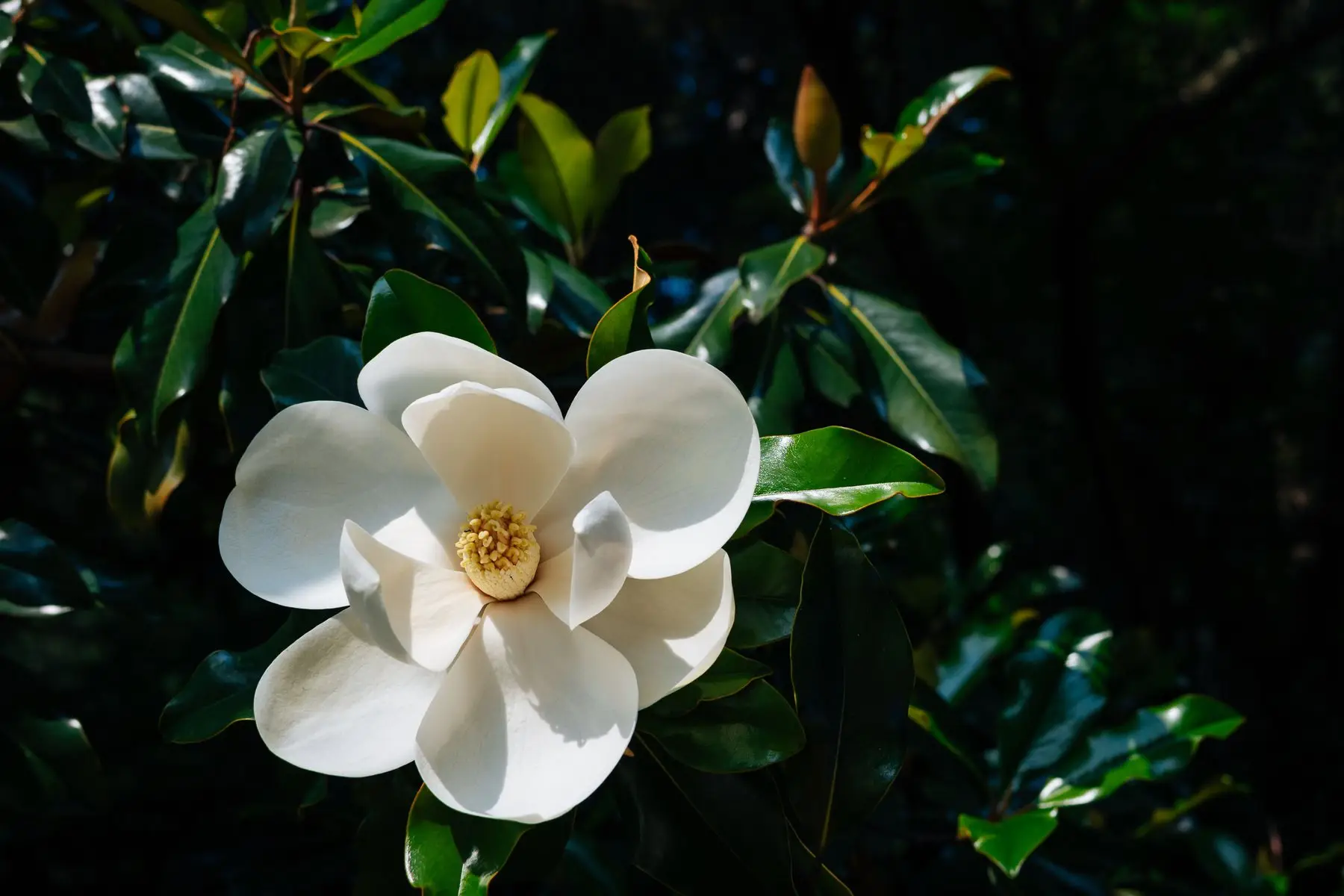
Do Magnolia Trees Lose Their Leaves? Some Do, Some Don't
Deciduous magnolias drop everything in autumn; evergreen ones shed year-round. How to tell which you have, and when leaf drop signals a problem.