
Black River Rock Landscaping: Where It Works
Black river rock looks sharp and holds serious heat. Where to use it, how much to buy, and why it is wrong around most plants.
 By
On this page
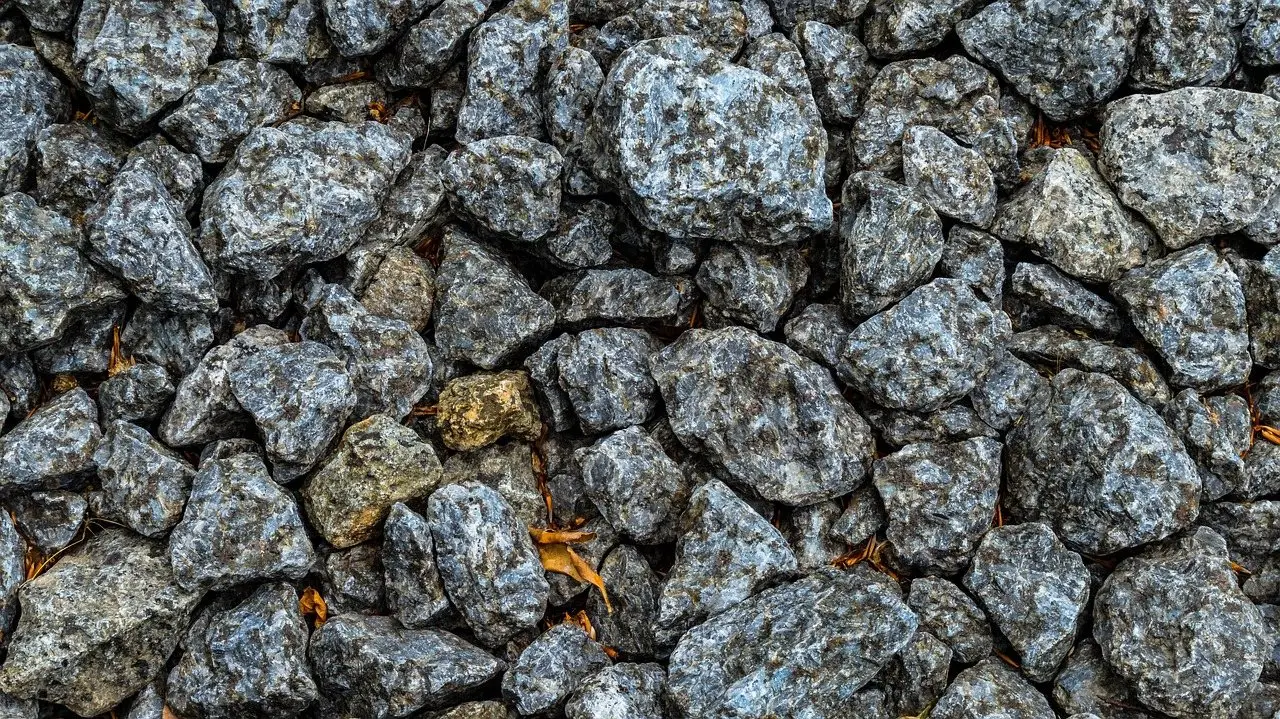
Black river rock photographs beautifully and stores a remarkable amount of heat. That makes it right for some places and actively harmful in others.
Where it works
- Along foundations and under downspouts, where you want drainage and no planting
- Dry creek beds and swales carrying runoff
- Paths and side yards, over fabric
- Deliberate gravel gardens of agave, yucca, sedum, lavender and ornamental grasses
- Around fire pits and under grills, where it is non-combustible
- Modern or minimal designs where the contrast with planting is the point
Where it does not
- Mixed perennial borders — the heat and the lack of organic matter both tell
- Against a south- or west-facing wall, where reflected heat is already the problem
- Around shallow-rooted shrubs such as azalea, hydrangea and rhododendron
- Vegetable beds
- Lawn-adjacent beds with no edge, where a mower throws stones
Removal is a serious job
Rock does not break down and it works its way into soil. Taking out a bed of river rock means screening stone from soil by hand, pulling up a torn membrane and disposing of a ton or more of material. Put it only where you want it permanently.
Quantities
| area | 2 in deep | 3 in deep |
|---|---|---|
| 100 sq ft | ~0.6 cu yd | ~0.9 cu yd |
| 200 sq ft | ~1.2 cu yd | ~1.9 cu yd |
| 400 sq ft | ~2.5 cu yd | ~3.7 cu yd |
Multiply by about 1.4 for tons. Order bulk delivery above roughly ten bags — carrying it in a car is a false economy and hard on the suspension.
Sizes
| size | use |
|---|---|
| 3/8–3/4 in (pea) | Paths only; migrates badly in beds |
| 3/4–1 1/2 in | General beds and borders |
| 2–4 in | Drainage runs, dry creek beds |
| 4 in+ cobble | Accents, edging, erosion points |
Installing it
- Define the edge — steel, stone or deep spade edge. Without one, stone spreads
- Remove existing vegetation and level
- Fabric only under paths and drainage runs
- Spread 2–3 inches and rake level
- Hose it down to wash off dust and bring out the colour
- Blow leaves off each autumn, since debris in the gaps is where weeds start
Common questions
Does black river rock get too hot for plants?
How much river rock do I need?
Should landscape fabric go under river rock?
River rock or mulch?
What size river rock should I use?
How do I keep black rock looking black?
Backyard Weekly
Know what to plant, week by week
Join the weekly email for seasonal jobs, fixes for what is going wrong, and gear worth buying.
Not ready to subscribe? The planting calendar is free and needs no email.
By subscribing you agree to our privacy policy. Grow In Backyard will never sell your address.
Keep reading
Xeriscaping a Backyard: The Seven Principles Applied
Xeriscaping is zoning, soil prep and plant choice, not gravel and cactus. How to convert a backyard without ending up with a hot empty lot.
How to Get Rid of Landscape Rocks: Five Realistic Routes
Removing a gravel bed is heavy work with cheap options. Free listings, landscaper haul-away, dumpster hire and reuse on site, priced and compared.
What Is the Best Mulch to Stop Weeds? Depth Beats Material
Any mulch at 7–10 cm suppresses weeds well. Coarse bark lasts longest, but nothing stops seeds landing on top and germinating in the mulch itself.
Cheap Fence Ideas for a Backyard, Priced Per Foot
Wire and post, hog panel, pallet, bamboo screen and hedging compared on real cost per foot, lifespan and how much privacy each gives.