
How to Get Rid of Landscape Rocks: Five Realistic Routes
Removing a gravel bed is heavy work with cheap options. Free listings, landscaper haul-away, dumpster hire and reuse on site, priced and compared.
 By
On this page
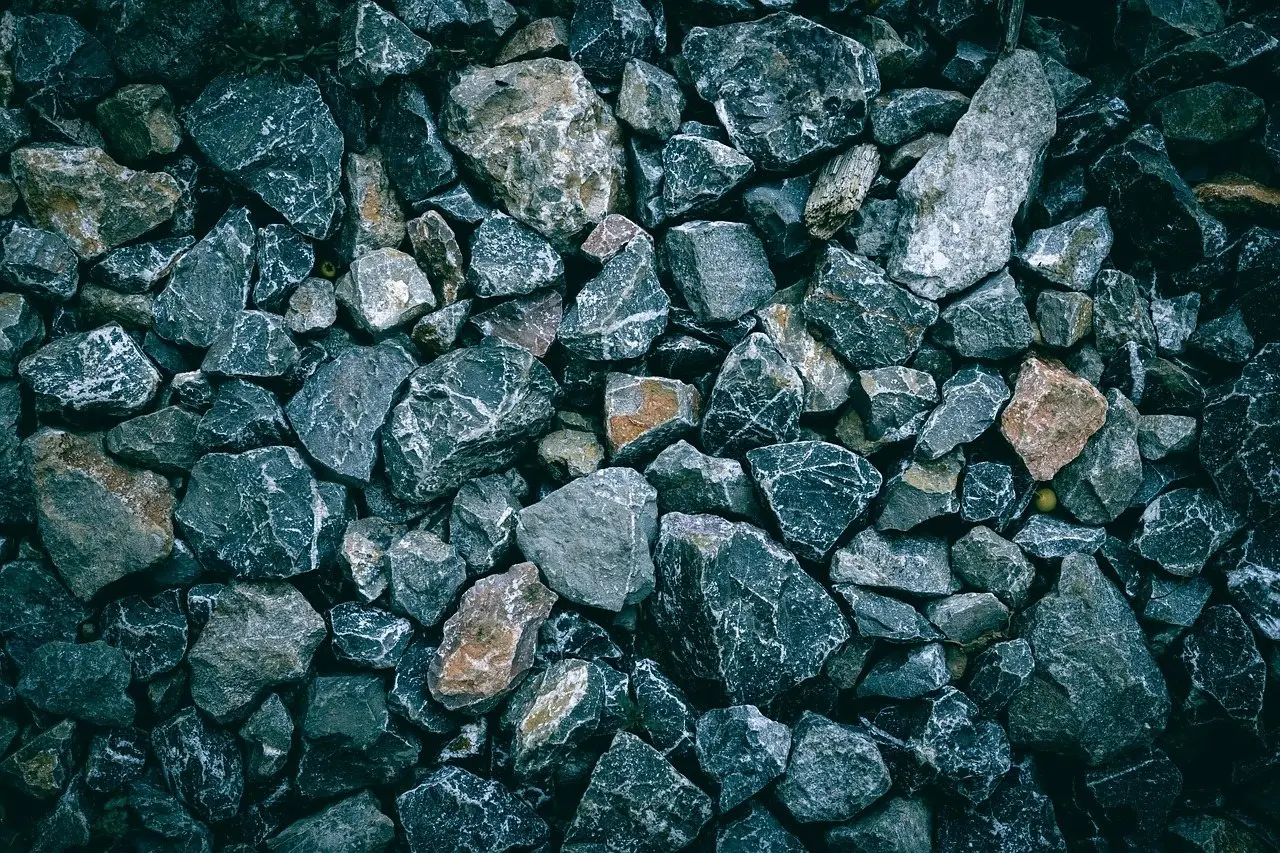
Getting rid of a gravel bed is a weight problem, not a skill problem. Know the tonnage first; every option below is priced by it.
Work out the tonnage
| bed size | depth | approx volume | approx weight |
|---|---|---|---|
| 10 × 10 ft | 3 in | 0.9 cu yd | ~1.2 tons |
| 20 × 10 ft | 3 in | 1.9 cu yd | ~2.5 tons |
| 20 × 20 ft | 4 in | 4.9 cu yd | ~6.5 tons |
Every quote and every skip hire follows from this number.
The five routes
- Give it away. Clean stone, piled at the kerb or driveway, photographed with something for scale, described honestly. Self-loading is the part that makes it move
- Sell it cheap. Washed river rock and larger decorative stone has resale value locally; mixed pea gravel largely does not
- Landscaper haul-away. Priced by labour hours plus disposal. Get the quote based on access — a machine-accessible bed is a fraction of a wheelbarrow-only one
- Roll-off dumpster. Book a heavy-material container and watch the weight cap, which is what catches people out
- Reuse on site. Shed or bin-store base, French drain backfill, dry creek bed, a drainage strip along the foundation, or fill under topsoil in a low spot
Reuse beats removal on cost almost every time
Moving stone 30 feet across a yard is a day with a wheelbarrow. Removing it is a day with a wheelbarrow plus a disposal bill. Find a job on your own property for it first.
Separating stone from soil and fabric
- Cut the old weed fabric into strips with a utility knife as you expose it, and pull each strip up whole — tearing it produces fragments you will be picking out for years
- Screen the stone: half-inch hardware cloth stapled to a timber frame, sat over a wheelbarrow
- Shovel on and shake. Stone stays, soil falls through
- Keep the screened soil — it is usable once compost goes in
What goes down afterwards
- For lawn: remove the stone thoroughly, break up the compacted base, add 3–4 in of topsoil, then seed or turf. Stone left behind ruins mower blades
- For beds: cultivate, add generous compost, mulch with bark
- Either way: expect a flush of weeds in the first season as light reaches soil that has been dark for years
Common questions
What is the cheapest way to get rid of landscape rocks?
How much does landscape rock removal cost?
How heavy is landscape rock?
Can I reuse old landscape rock somewhere else?
How do I separate rock from the soil and fabric underneath?
What do I put down after the rock comes out?
Backyard Weekly
Know what to plant, week by week
Join the weekly email for seasonal jobs, fixes for what is going wrong, and gear worth buying.
Not ready to subscribe? The planting calendar is free and needs no email.
By subscribing you agree to our privacy policy. Grow In Backyard will never sell your address.
Keep reading
Black River Rock Landscaping: Where It Works
Black river rock looks sharp and holds serious heat. Where to use it, how much to buy, and why it is wrong around most plants.
How to Grow Grass Fast on Dirt: Prep Decides the Speed
Bare dirt needs loosening, compost and the right seed before it will hold grass. The sequence that gives germination in 5 to 14 days.
What Is the Best Surface for a Patio? Match It to the Use
Concrete slabs are the cheapest solid option, porcelain the most maintenance-free, gravel the easiest to lay. The base matters more than any of them.
Landscaping Ideas on a Budget: Where the Money Actually Goes
Most budget landscaping advice ignores the two costs that dominate: hard surfaces and plant size. What to spend on, what to phase, and what to skip.