
Are Cherry Tomatoes Determinate or Indeterminate? Both
Cherry tomato is a fruit size, not a growth habit. How to tell which you have, why it decides pruning and support, and the common varieties in each group.
 By
On this page
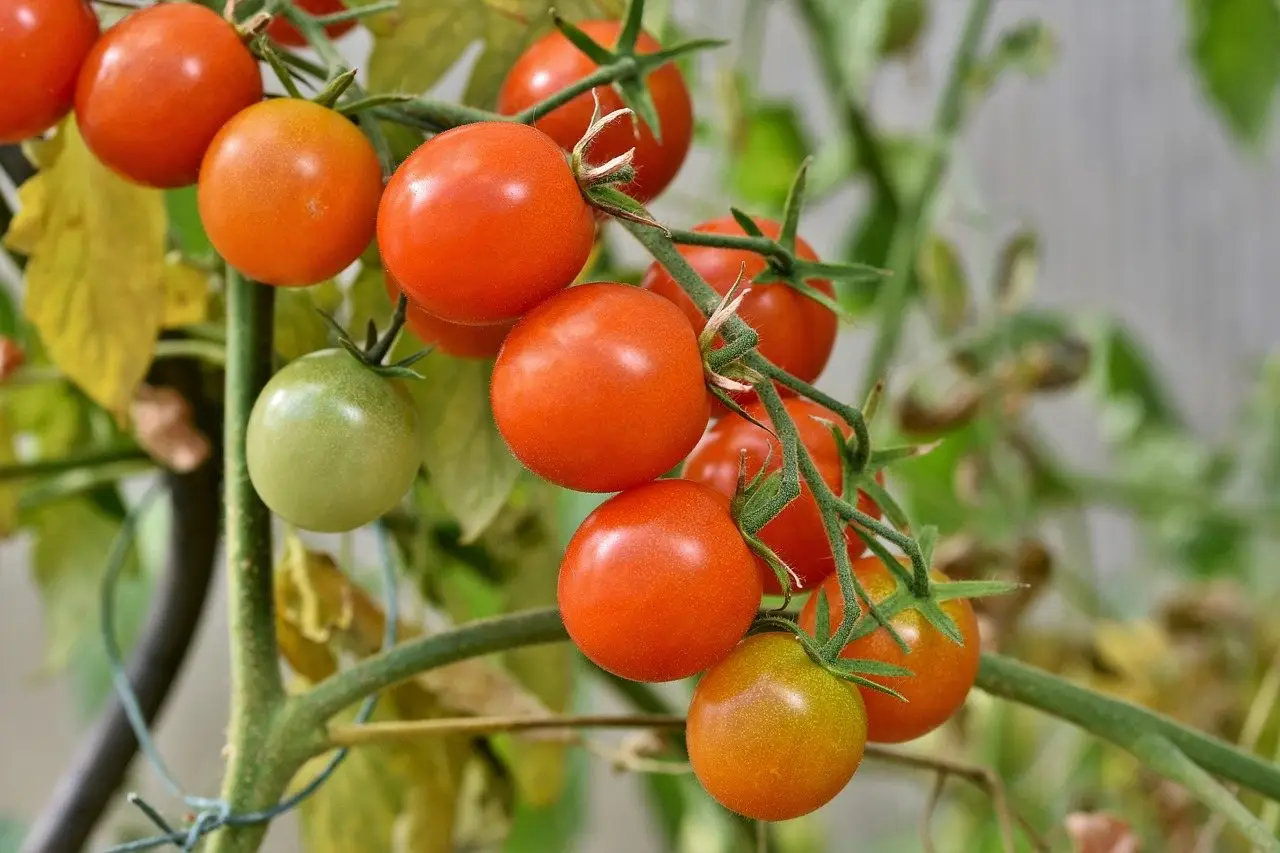
The question has a frustrating answer: both. Cherry describes the fruit, determinate describes the plant, and the two have nothing to do with each other.
The difference, and why it matters
| Indeterminate | Determinate | |
|---|---|---|
| Growth | Keeps extending until frost | Stops at a set size |
| Height | 6–8 ft, more under glass | 1–3 ft |
| Cropping | Steady, midsummer to frost | One flush over a few weeks |
| Side shoots | Pinch them out | Leave them — they carry the crop |
| Support | Tall cane, string or cordon | Short stake or cage, often none |
| Suits | A long picking season | Pots, patios, a single harvest |
How to tell which you have
Look at the growing tip from midsummer:
- Indeterminate — the main stem keeps extending, with leaves and flower trusses alternating up it, and no end in sight
- Determinate — a flower truss forms at the tip, which stops that stem, and the plant bushes out sideways instead
The packet normally says. A third label, semi-determinate, sits between the two — taller than a bush type, but it eventually stops.
Common cherry varieties by habit
Indeterminate — Sungold, Sweet Million, Gardener’s Delight, Black Cherry, Sweet Aperitif, Supersweet 100
Determinate or bush — Tumbling Tom, Red Robin, Patio Choice, Totem, Maskotka
Variety names and availability differ by region, so check the packet rather than the list.
Do not pinch side shoots on a determinate plant
It is the most common tomato mistake and it costs you fruit directly. On a determinate plant the side shoots carry a large share of the crop, so removing them is removing the harvest.
Pinch only on indeterminate plants, where the side shoots would otherwise turn one plant into an unmanageable thicket.
Choosing by what you want
- A few handfuls every evening → indeterminate
- One big picking for sauce or freezing → determinate
- A pot on a patio → determinate or bush
- A hanging basket → a variety bred to trail, such as Tumbling Tom
- A greenhouse with height → indeterminate, trained up strings
Common questions
Are cherry tomatoes determinate or indeterminate?
How can I tell which one I have?
Do cherry tomatoes need pruning?
How tall do cherry tomatoes get?
Which type is better for pots?
Do determinate tomatoes stop producing?
Backyard Weekly
Know what to plant, week by week
Join the weekly email for seasonal jobs, fixes for what is going wrong, and gear worth buying.
Not ready to subscribe? The planting calendar is free and needs no email.
By subscribing you agree to our privacy policy. Grow In Backyard will never sell your address.
Keep reading
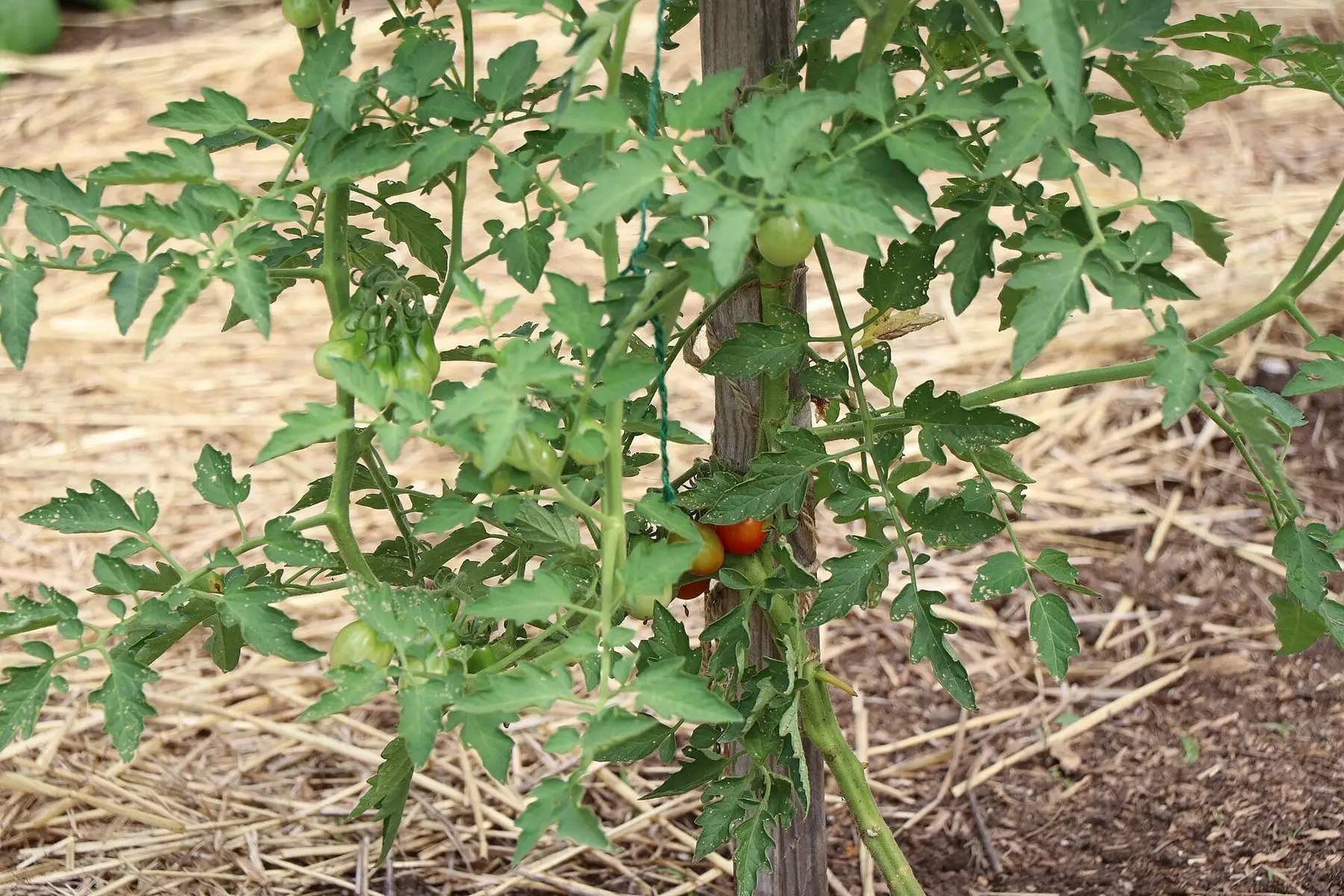
How to Grow Tomatoes: Determinate or Indeterminate First
That one word on the seed packet decides your spacing, your pruning, and your harvest shape. Then it is warmth, consistent water, and feeding at the right time.
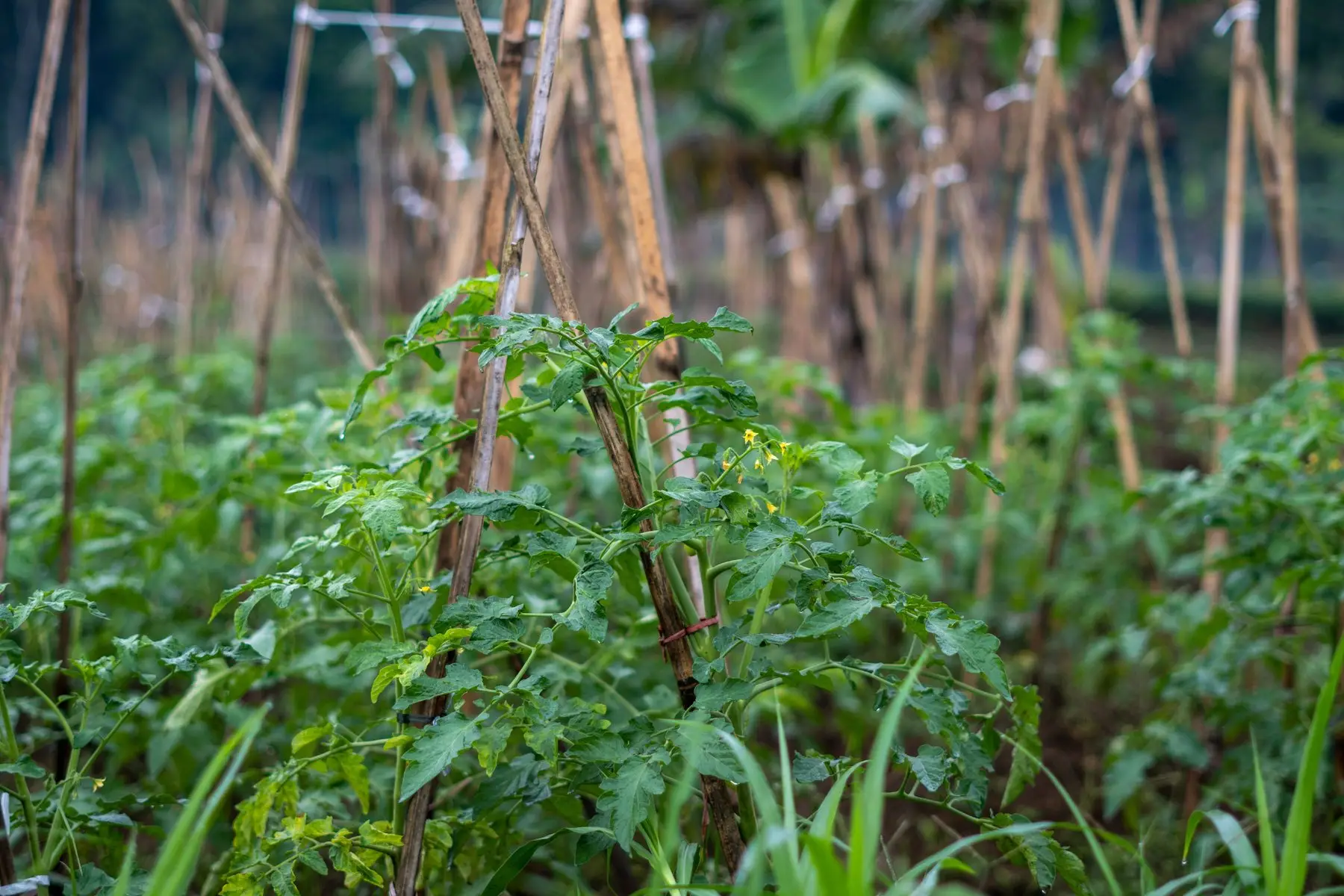
How Many Tomato Plants Per Person? Depends on the Plan
Two or three plants per person for fresh eating, but eight to ten each if you are canning. The numbers by use, plant type and realistic yield.
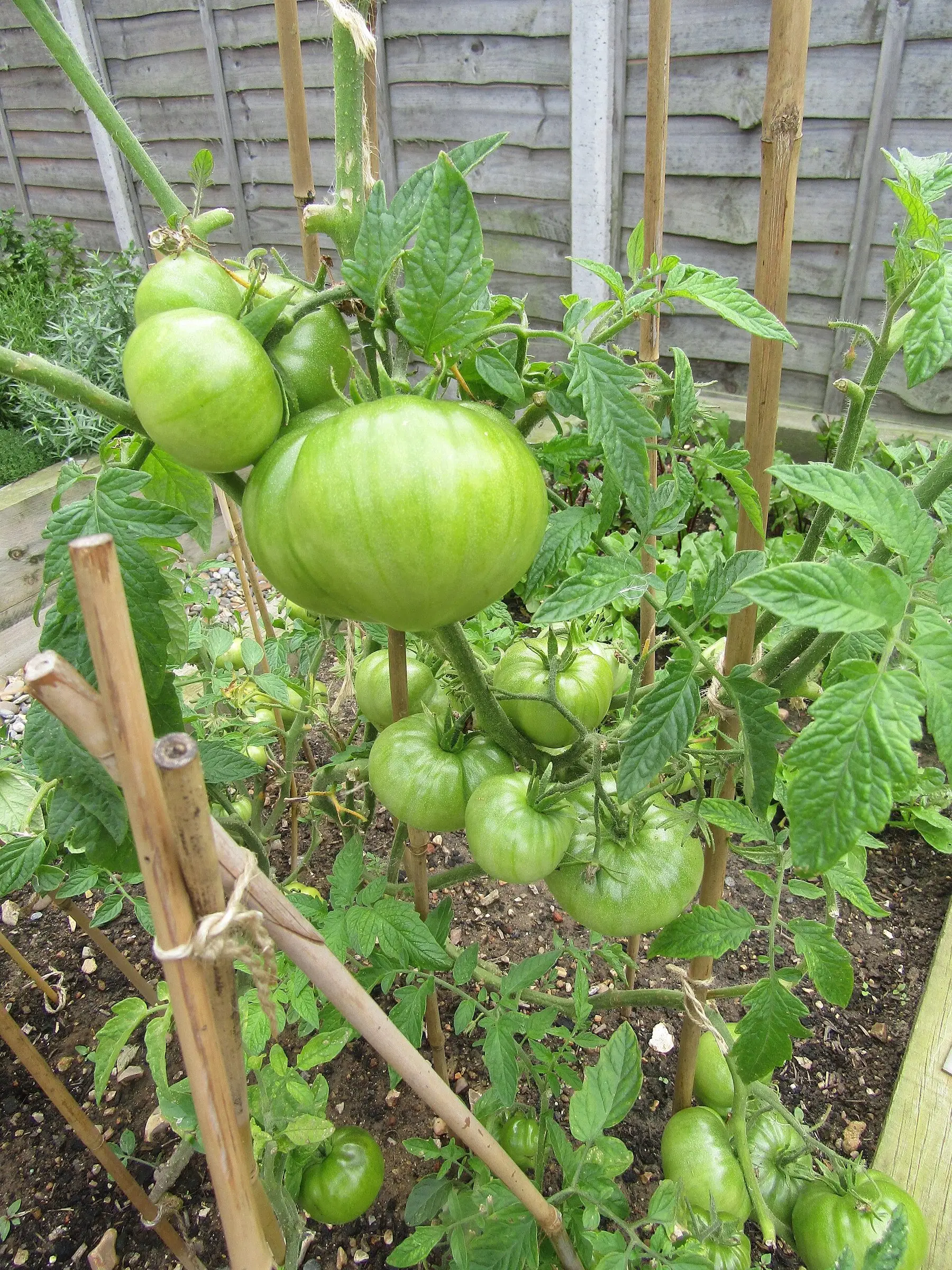
Companion Plants for Tomatoes (And 5 to Keep Away)
Basil, marigolds, and borage earn their place next to tomatoes. Fennel, potatoes, and brassicas do not. What to plant together, and why each pairing works.
Baking Soda and Tomatoes: What It Does and What It Does Not
Baking soda will not sweeten tomatoes and barely moves soil pH. What it genuinely does against fungal disease, and the dose that damages plants.