
Baking Soda and Tomatoes: What It Does and What It Does Not
Baking soda will not sweeten tomatoes and barely moves soil pH. What it genuinely does against fungal disease, and the dose that damages plants.
 By
On this page
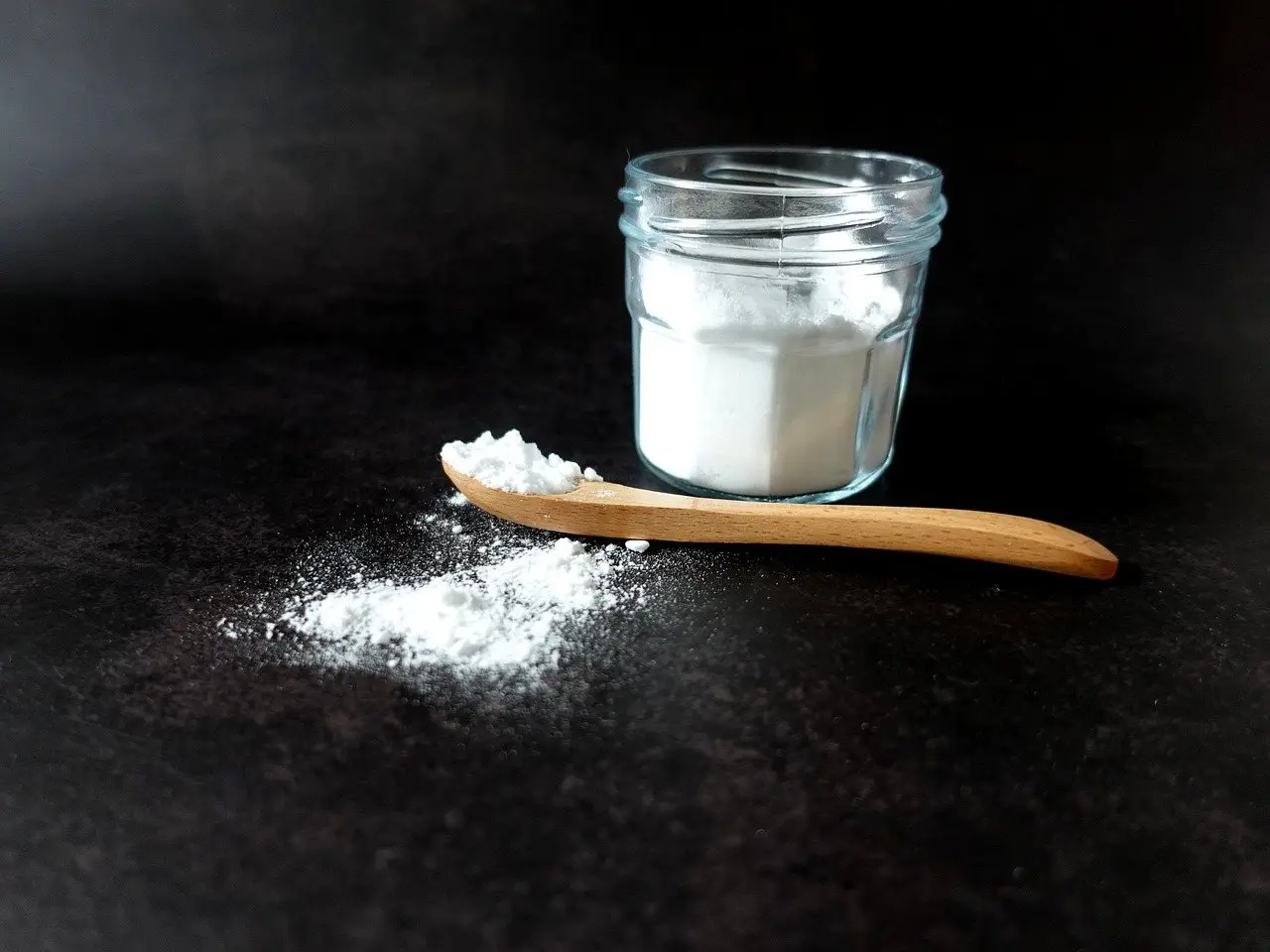
Two claims circulate about baking soda and tomatoes. One is false and the other is a weaker version of something that works better.
The sweetness claim
Sweetness in a tomato is the sugar-to-acid balance in the fruit, set by:
- Variety, overwhelmingly. Sungold is sweet because of what it is
- Sunlight, which drives sugar production
- Water. Over-watering as fruit ripens dilutes flavour, which is the real cause of bland tomatoes
Soil pH is not on that list in any meaningful way, and baking soda does not change soil pH durably in the first place.
The fungicide claim
This one has a real mechanism and a better product.
- Raising leaf-surface pH is hostile to fungal spores, which is genuine
- It is preventative, not curative. It does not clear established blight or mildew
- Potassium bicarbonate does the same thing without the sodium, and is sold as a garden fungicide
- Sodium is the problem. It builds up in soil, interferes with water uptake and degrades structure
If you use it anyway, keep it weak and off the soil
Roughly a teaspoon per quart of water, sprayed in the evening, on one leaf first to check for scorch.
Never as a soil drench or a sprinkle around the stem. The leaf application washes off; the soil application accumulates.
What actually prevents tomato fungal disease
- Space plants for airflow
- Water at soil level, never over the leaves
- Mulch to stop soil splashing onto lower foliage
- Remove the lowest leaves once plants are established
- Bin infected material, do not compost it
- Rotate — do not plant tomatoes in the same ground each year
Common questions
Does baking soda make tomatoes sweeter?
Does baking soda work as a fungicide on tomatoes?
Can baking soda damage tomato plants?
Does baking soda change soil pH?
What should I use instead for tomato blight?
Is baking soda useful anywhere in the garden?
Backyard Weekly
Know what to plant, week by week
Join the weekly email for seasonal jobs, fixes for what is going wrong, and gear worth buying.
Not ready to subscribe? The planting calendar is free and needs no email.
By subscribing you agree to our privacy policy. Grow In Backyard will never sell your address.
Keep reading
How to Grow Tomatoes: Determinate or Indeterminate First
That one word on the seed packet decides your spacing, your pruning, and your harvest shape. Then it is warmth, consistent water, and feeding at the right time.
Tomato Blight: Telling Early From Late, and What to Do
Late blight destroys a plant in days and there is no cure. How to identify it against early blight, act fast enough to save the fruit, and prevent it next year.
Powdery Mildew: Why It Spreads and What Actually Stops It
Powdery mildew is the one fungus that does not need wet leaves — it thrives in humid air and dry foliage. How to spot it early and what treatments hold up.
Bell Pepper Germination Time: 7 to 14 Days With Heat
Peppers germinate in 7 to 14 days at 80 to 85 °F and can take a month at room temperature. Why bottom heat is the whole answer.