
What Attracts Coyotes to a Yard? Food, Water, Cover
Pet food, fallen fruit, rodents, compost and unsecured bins draw coyotes in. The five attractants to remove, in the order they matter.
 By
On this page
Coyotes follow food, and in most gardens the food is not what people assume. The rodents under the bird feeder matter more than the feeder.
The five attractants, in order
| attractant | why it works | fix |
|---|---|---|
| Pet food outside | direct, high-value meal | feed indoors, bring bowls in |
| Unsecured bins | reliable nightly food | locking lids, store in a shed |
| Fallen fruit | easy calories, draws rodents too | pick up daily in season |
| Spilled seed and feed | feeds the rodents they hunt | sweep beneath feeders, metal bins |
| Meat in compost | strong scent trail | greens and browns only |
Cover, which people forget
Coyotes rest during the day in whatever dense cover is available: woodpiles, brush heaps, overgrown shrubs at a boundary, and the space under a deck or shed. Closing off decking with mesh skirting and thinning boundary cover removes the daytime refuge that makes a garden worth returning to.
Supervise small pets after dark, and keep cats in
Dawn and dusk are the risk windows and unfenced gardens are where it happens. A cat flap that lets a cat out at four in the morning is the common pattern behind a missing cat.
Hazing, done properly
- Stand tall, open your coat, make yourself look big
- Shout — a firm voice, not a shriek
- Bang a pan, shake a can of coins, use an air horn
- Advance toward the animal; do not turn and walk away
- Repeat every single time, not just when it is convenient
Never feed a coyote, and never let one get food by accident
Almost every serious incident involves an animal that learned people mean food. Removing the accidental sources is the whole job, and it is the part you control.
Common questions
What attracts coyotes to a yard?
Do bird feeders attract coyotes?
Will a coyote take a cat or small dog?
How high a fence keeps coyotes out?
Are coyotes dangerous to people?
What should you do if a coyote is in your garden?
Backyard Weekly
Know what to plant, week by week
Join the weekly email for seasonal jobs, fixes for what is going wrong, and gear worth buying.
Not ready to subscribe? The planting calendar is free and needs no email.
By subscribing you agree to our privacy policy. Grow In Backyard will never sell your address.
Keep reading
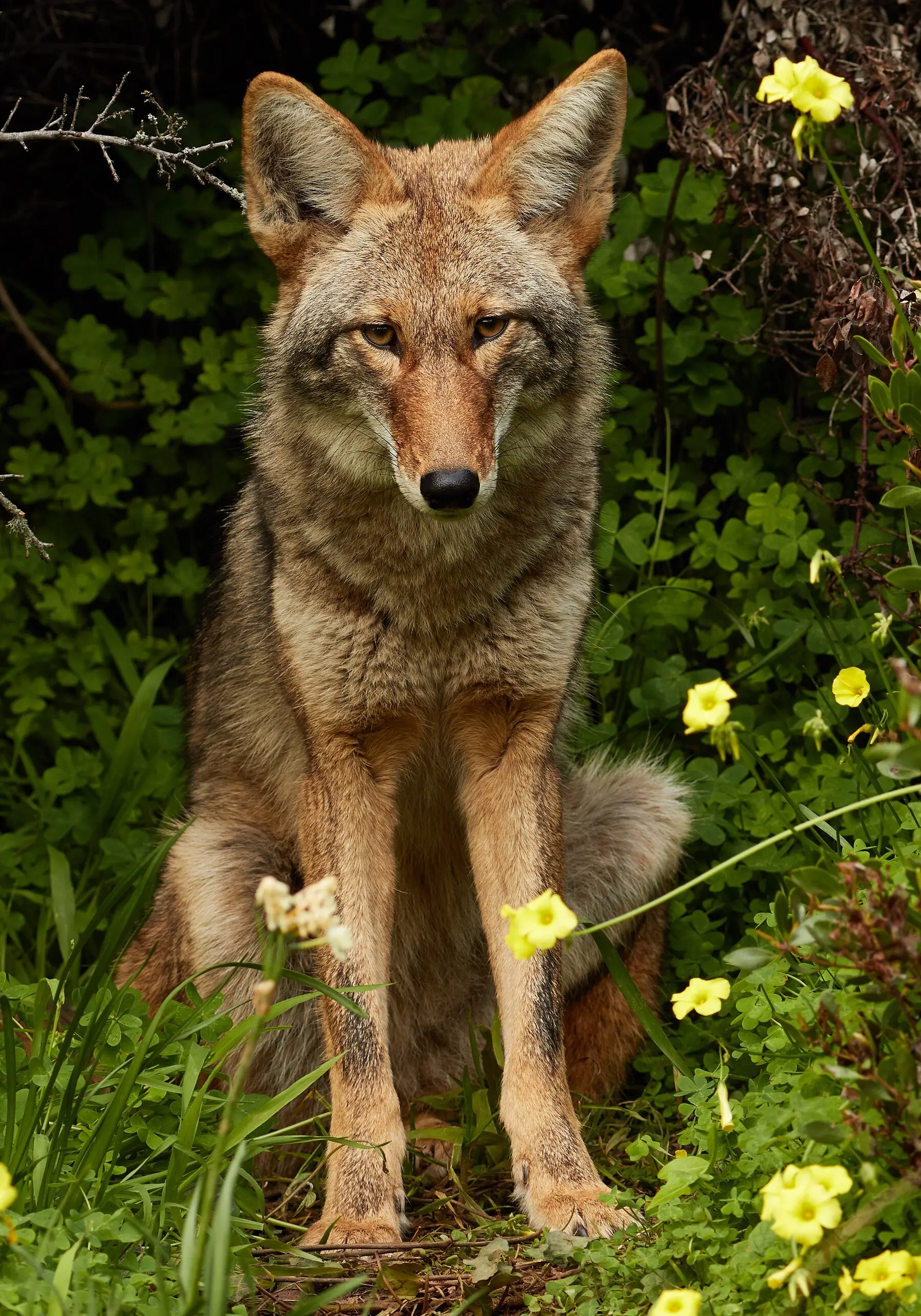
Coyote Poop vs Dog Poop: How to Tell Them Apart
Coyote scat is tapered, full of hair and bone, and left in the open on purpose. Dog stool is smooth and uniform. What each one tells you about your yard.
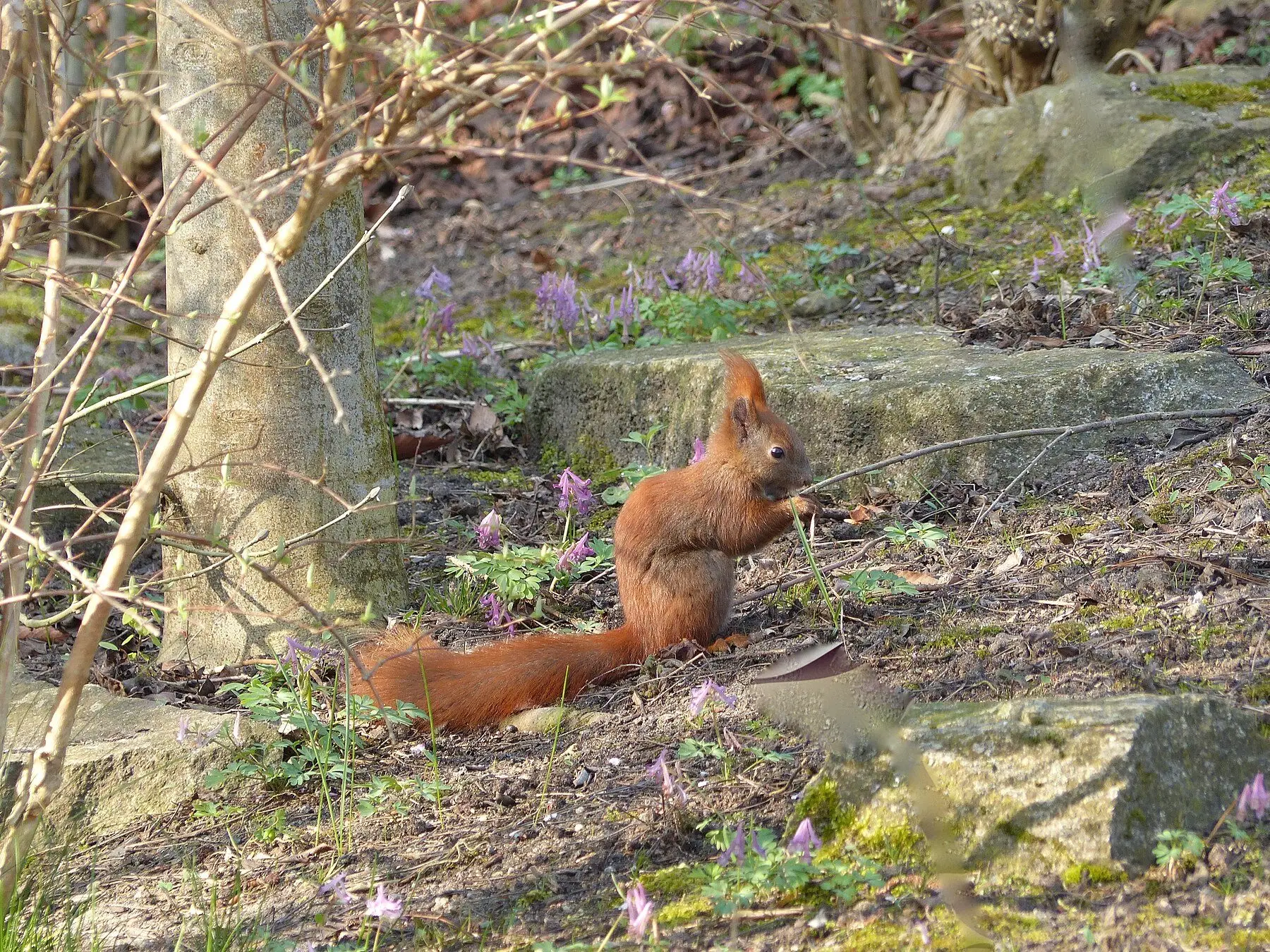
How to Attract Squirrels to Your Yard (And Whether To)
Nut trees, water and cover bring squirrels in far more durably than a feeder. What works, what to put out, and the costs worth weighing first.
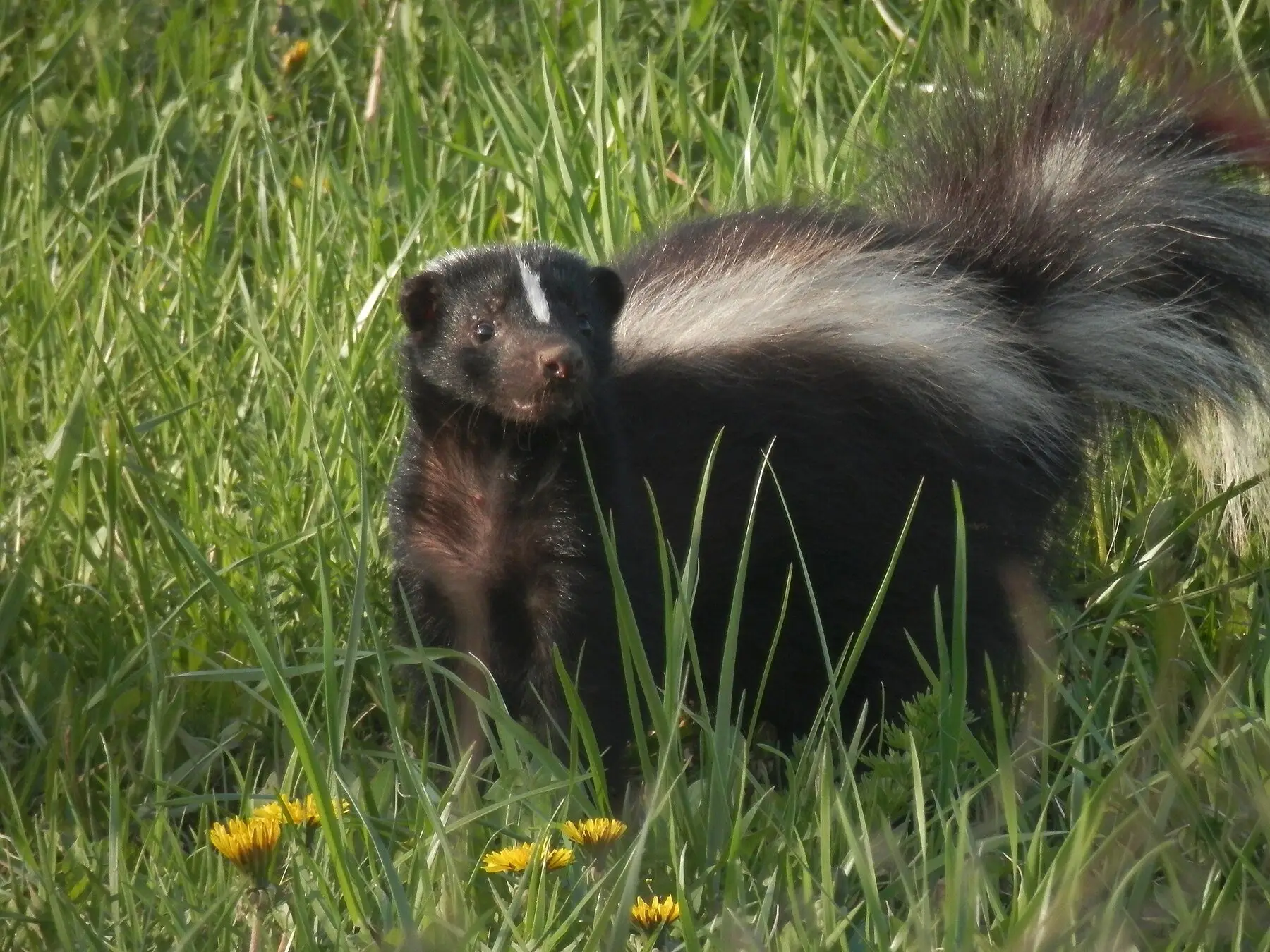
How to Get Rid of a Skunk Under a Deck Without Being Sprayed
Skunks under a deck leave on their own if you make the space unpleasant. The one-way door method, the timing that avoids trapping kits, and warning signs.
What Attracts Lightning Bugs? Darkness, Damp and Long Grass
Fireflies need unlit, undisturbed, damp ground with leaf litter and long grass. What actually draws them in, and why porch lights drive them out.