
Chicken Tractor Disadvantages: Six Real Problems
Daily moving, weather exposure, predator weakness and a hard size ceiling. The honest case against the chicken tractor before you build one.
 By
On this page
A chicken tractor is a good design with one hard requirement attached: it has to be moved every day. Most of the complaints about tractors are really complaints about that.
The six disadvantages
| disadvantage | how bad |
|---|---|
| Daily move required | structural — the design depends on it |
| Predator access under the frame | serious without a wire apron |
| Cold-weather performance | poor |
| Summer heat on open ground | poor without shade |
| Flock size ceiling | 4–10 birds realistically |
| Needs level, even ground | gaps open on slopes |
Tractor against fixed coop
| tractor | fixed coop + run | |
|---|---|---|
| Fresh ground daily | yes | no |
| Manure spread for you | yes | mucked out |
| Winter warmth | poor | good |
| Predator security | moderate | good |
| Flock size | small | any |
| Daily obligation | high | low |
The floor is the weak point
Anything that digs can reach the birds in a few minutes. A 45 cm wire apron lying flat on the ground along every side, pinned down and moved with the frame, is the cheapest fix and the one most home-built tractors skip.
If you build one anyway
- Keep it under what you can move alone — test the weight before you finish the cladding
- Wheels on one end, handles on the other, so it lifts like a wheelbarrow
- Solid roof and two solid walls on the roosting end, for wind and rain
- Wire apron pinned along the base, moved with the frame
- Shade cloth over half the run from late spring
- A fixed winter home to retreat to if your winters are hard
Try the move before you commit
Build the frame, load it with sandbags to flock weight, and move it across your actual ground in the rain. If that is unpleasant once, it will be unpleasant 365 times a year.
Common questions
What is the biggest disadvantage of a chicken tractor?
Are chicken tractors weak against predators?
Do chicken tractors handle weather badly?
How many birds can a tractor hold?
Is a chicken tractor bad for the lawn?
When is a fixed coop and run the better choice?
Backyard Weekly
Know what to plant, week by week
Join the weekly email for seasonal jobs, fixes for what is going wrong, and gear worth buying.
Not ready to subscribe? The planting calendar is free and needs no email.
By subscribing you agree to our privacy policy. Grow In Backyard will never sell your address.
Keep reading
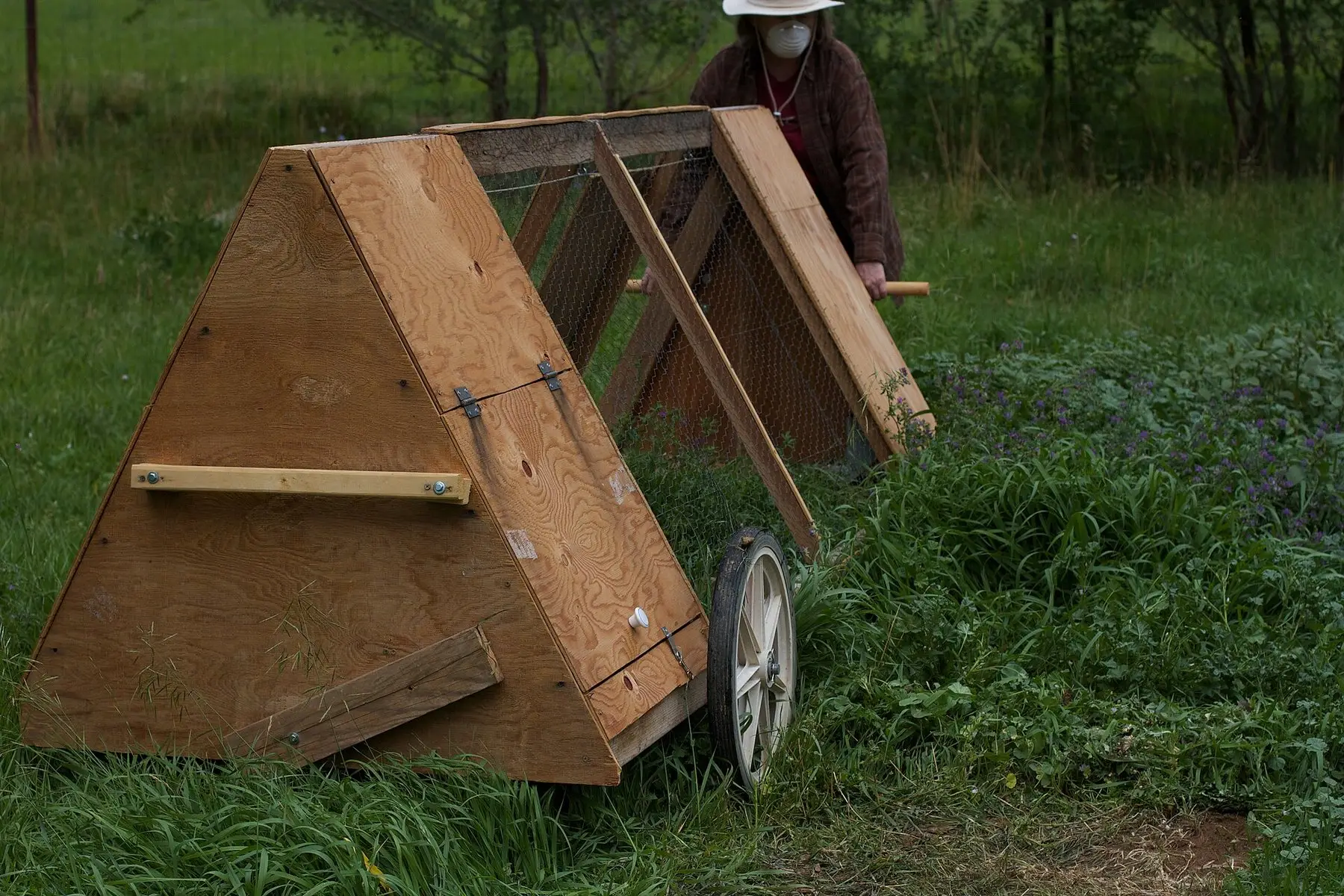
Chicken Tractors: Mobile Coop Plans That Actually Move
A chicken tractor gives hens fresh ground daily without fencing the yard. How to size one you can move alone, and the weight mistakes that strand it.
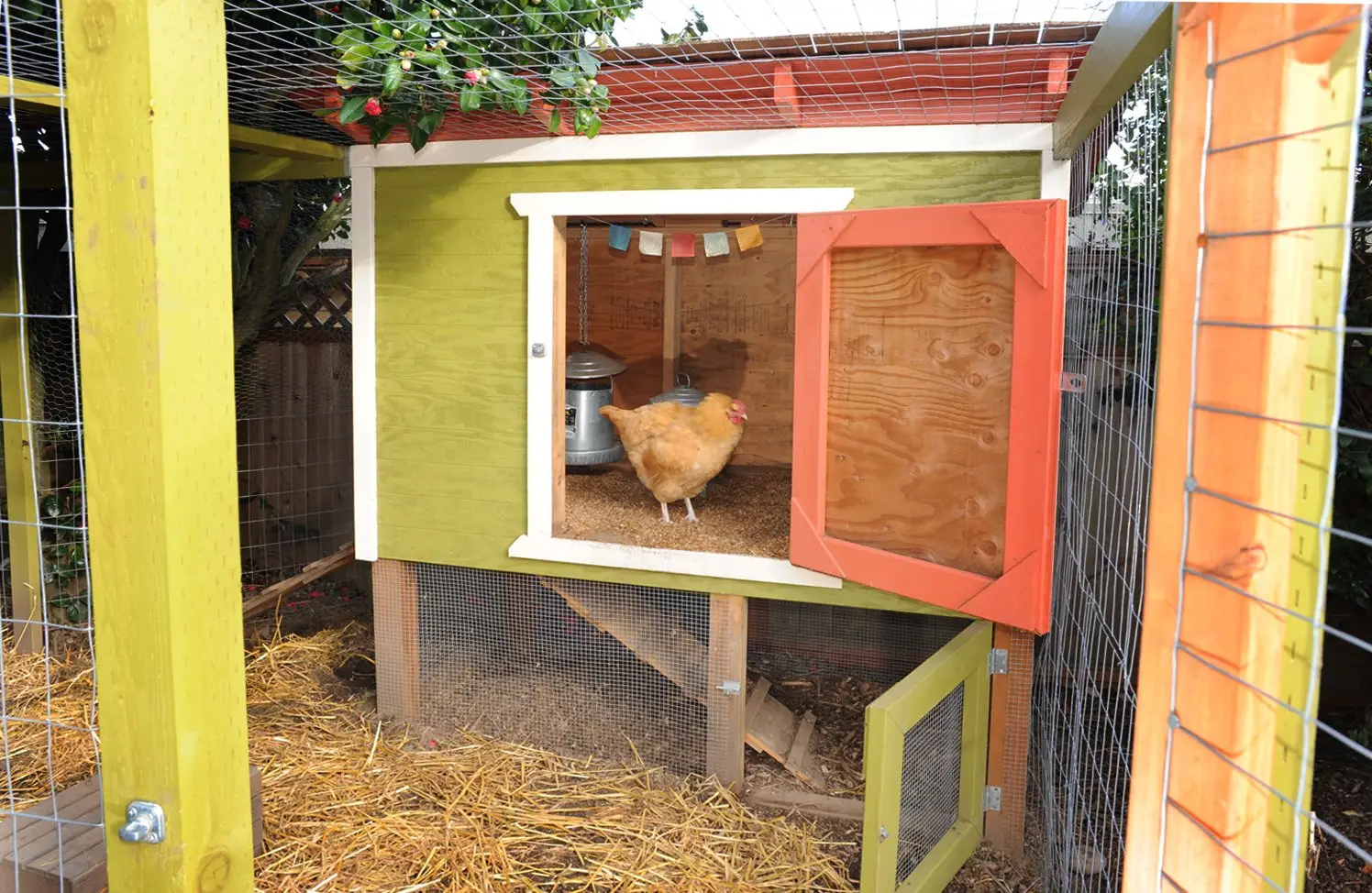
Types of Chicken Coops: Which One Actually Fits Your Yard
Fixed, tractor, walk-in, A-frame — each solves a different problem. What each style is actually for, before you commit to building or buying one.
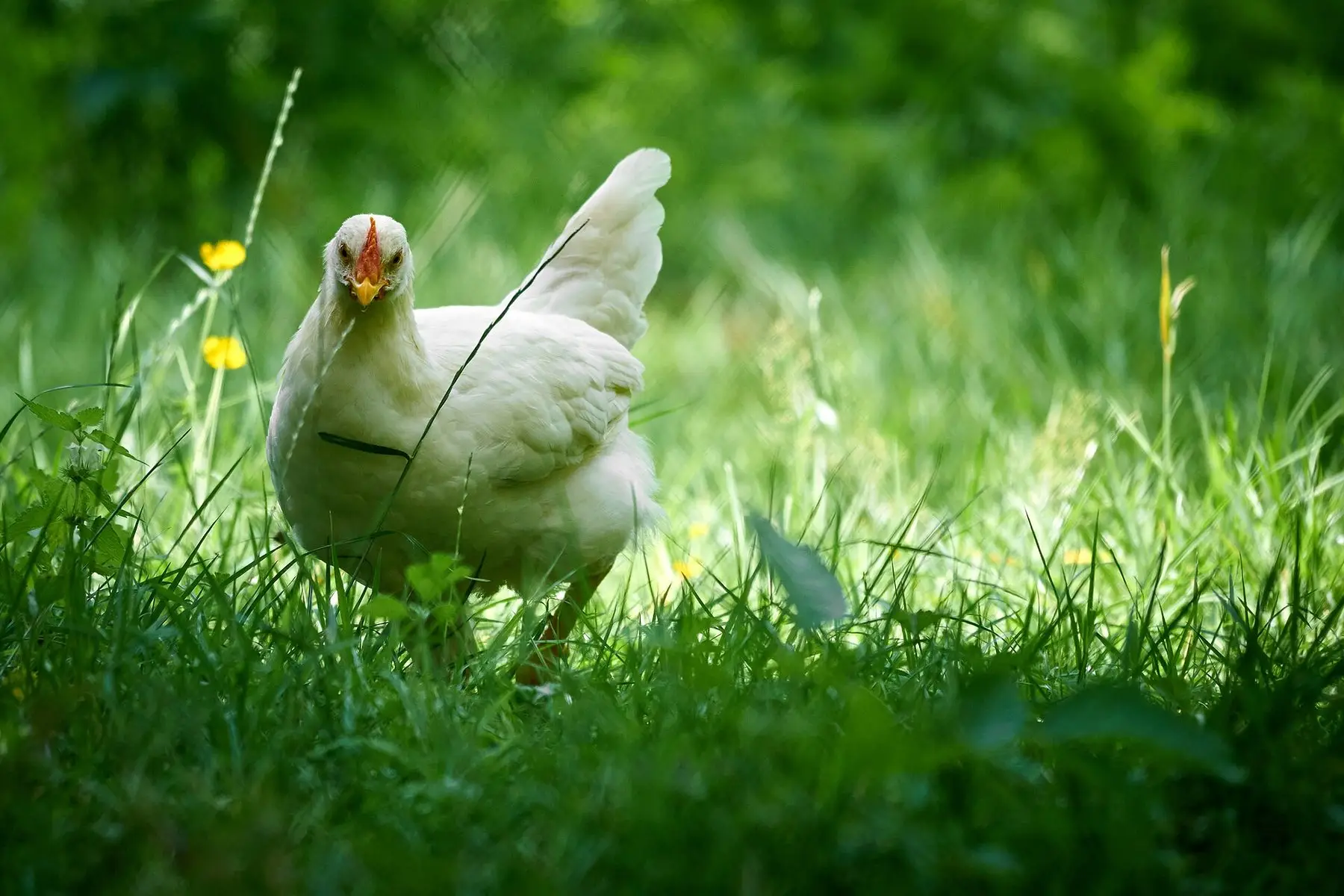
Backyard Chickens: What It Actually Takes
Space, cost, time, and the rules nobody mentions. An honest account of keeping backyard chickens before you buy the coop — including why the eggs are not free.
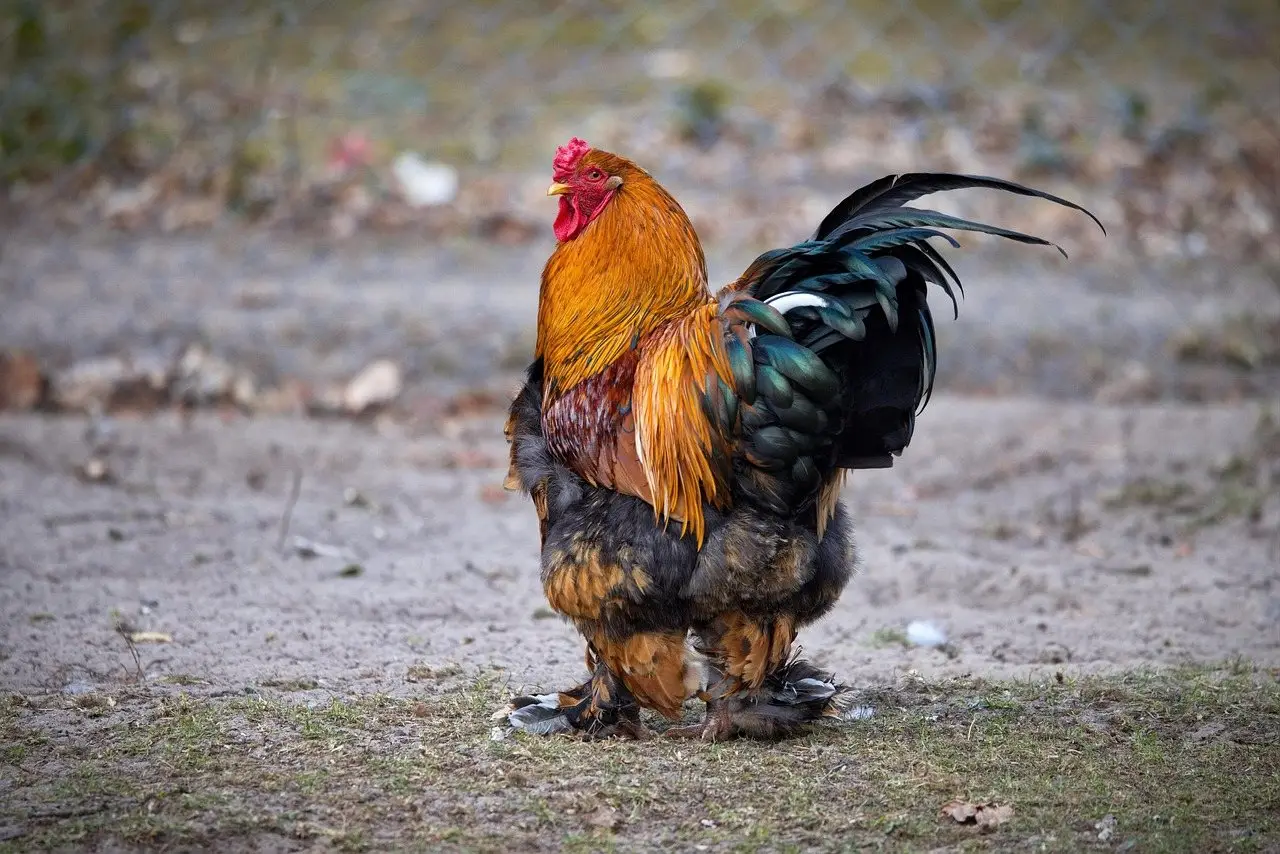
What Breed Has the Nicest Roosters? Six Calm Choices
Orpington, Brahma, Faverolles, Sussex, Cochin and Wyandotte roosters have the calmest reputations. Why temperament is individual, and how rearing decides it.