
What Breed Has the Nicest Roosters? Six Calm Choices
Orpington, Brahma, Faverolles, Sussex, Cochin and Wyandotte roosters have the calmest reputations. Why temperament is individual, and how rearing decides it.
 By
On this page
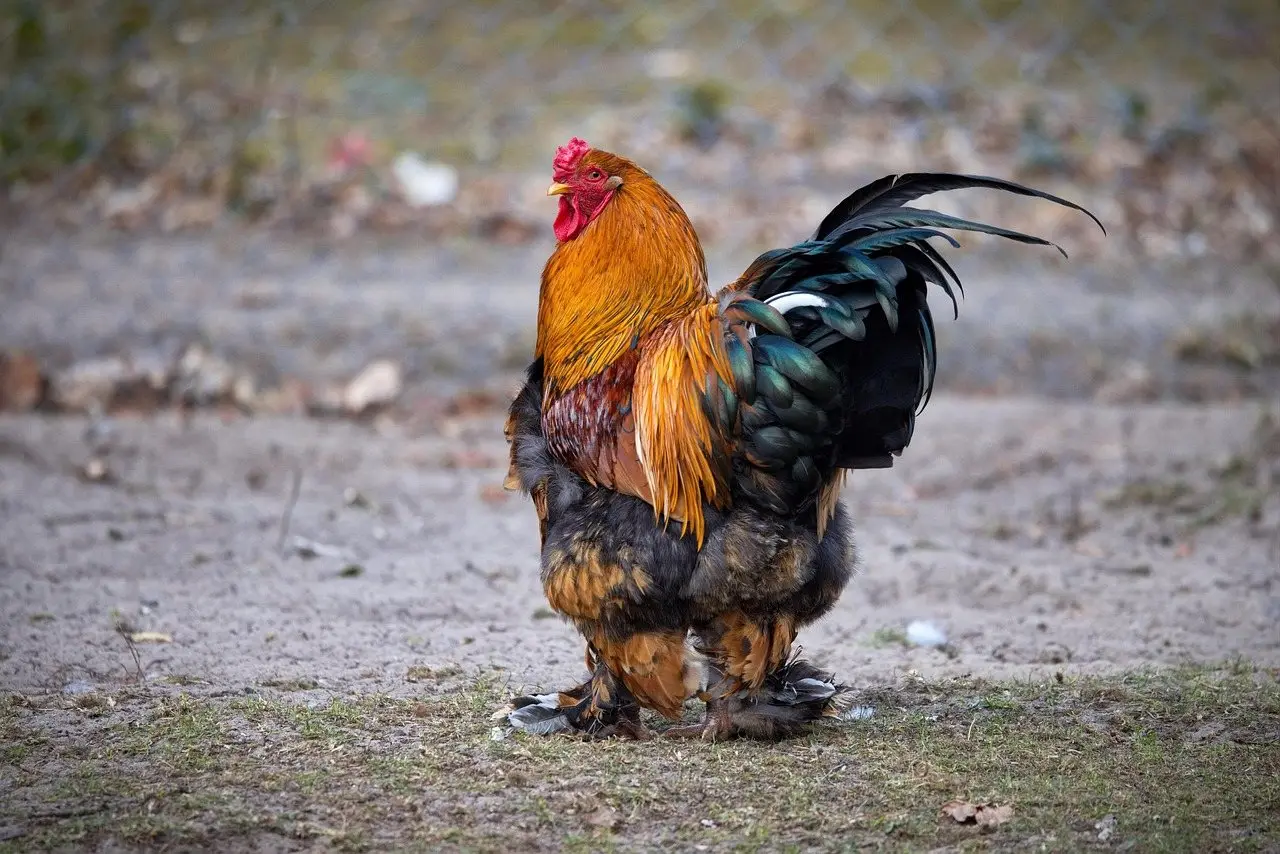
Six heavy, slow breeds come up again and again in owner reports as the calmest roosters — and the way a cockerel is reared still matters more than which of the six it is.
The calm six, and what you get with them
| breed | weight | also gives you |
|---|---|---|
| Orpington | heavy | good winter laying, broody hens |
| Brahma | very heavy | cold hardiness, feathered legs |
| Salmon Faverolles | medium | the mildest of the group, poor flyer |
| Speckled Sussex | heavy | steady laying, forages well |
| Cochin | very heavy | ornamental, reliably broody |
| Wyandotte | heavy | hardy, good carcass |
They have a common thread: bulk and a slow gait. A bird that cannot sprint at you tends not to.
Rearing decides more than breed
- Do not pick cockerels up for fun. Handle for health checks, then put them down.
- Do not feed from the hand. It builds approach behaviour you will later regret.
- Do not back away when a young bird postures. Walk through calmly.
- Do not chase or kick. Both teach the bird that people are a rival to beat.
A rooster that has attacked a child is not a training project
Spurs on a mature bird reach face height on a small child. Rehome or cull — there are plenty of calm roosters and no good reason to keep a dangerous one.
Hens per rooster
| hens | result |
|---|---|
| under 6 | over-mating, bare backs, feather loss |
| 8–12 | the working range for a heavy breed |
| over 15 | some hens never mated, fertility drops |
Check local rules before you buy
A great many ordinances permit hens and ban roosters outright. Worth five minutes before the cockerel is six months old and crowing at half past four.
Common questions
What breed has the nicest roosters?
Which rooster breeds are worst for aggression?
Does hand-rearing make a rooster friendlier?
How many hens does one rooster need?
Can an aggressive rooster be reformed?
Do you need a rooster at all?
Backyard Weekly
Know what to plant, week by week
Join the weekly email for seasonal jobs, fixes for what is going wrong, and gear worth buying.
Not ready to subscribe? The planting calendar is free and needs no email.
By subscribing you agree to our privacy policy. Grow In Backyard will never sell your address.
Keep reading
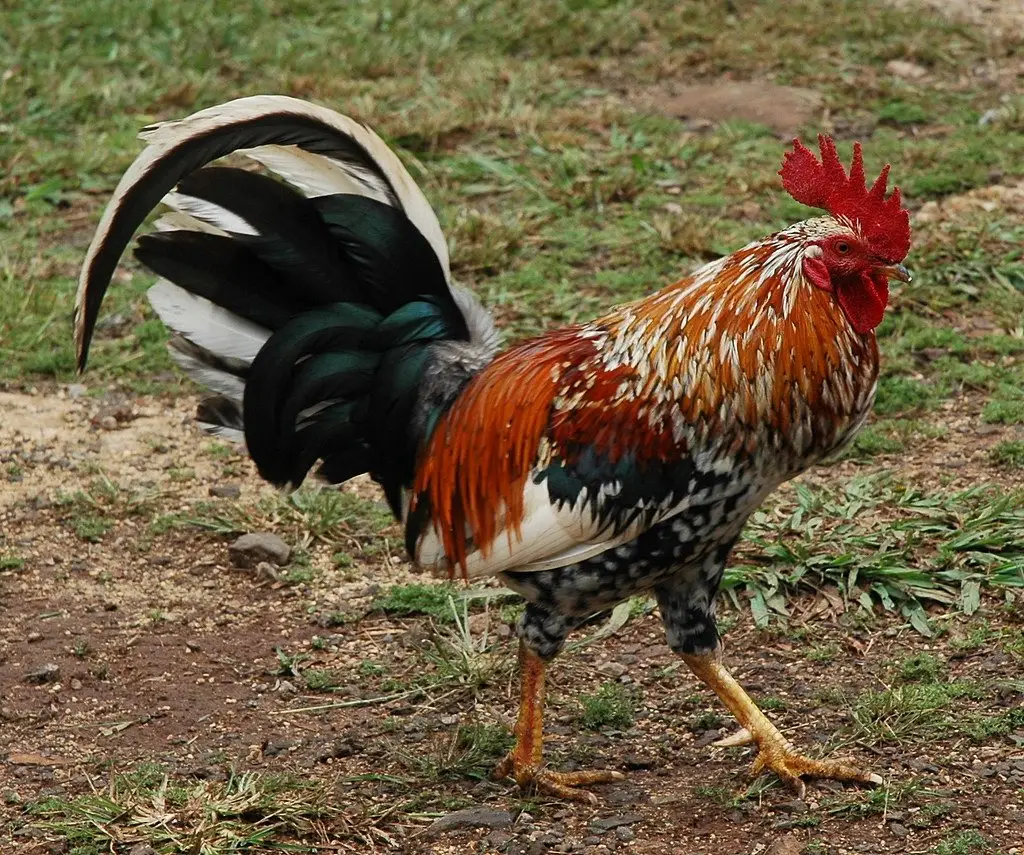
Best Rooster Breed for a Mixed Flock: Temperament First
A rooster's job in a mixed flock is watching and keeping peace, not fertility. Which breeds do it calmly, the ratio to keep, and the one trait to rule out.
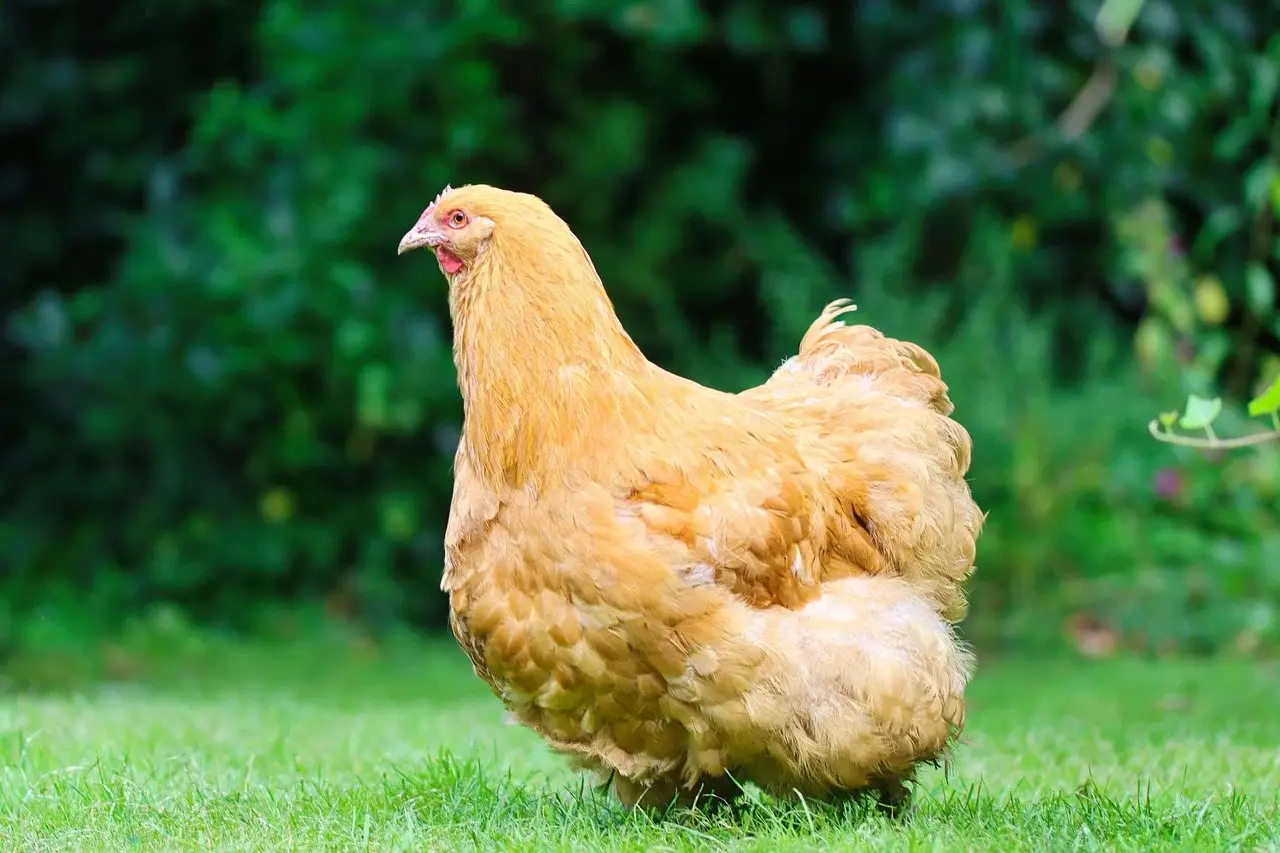
What Is the Least Aggressive Chicken? Orpington and Brahma
Buff Orpingtons, Brahmas and Cochins top every docility list. Why breed matters less than space, and the one bird that causes most flock trouble.
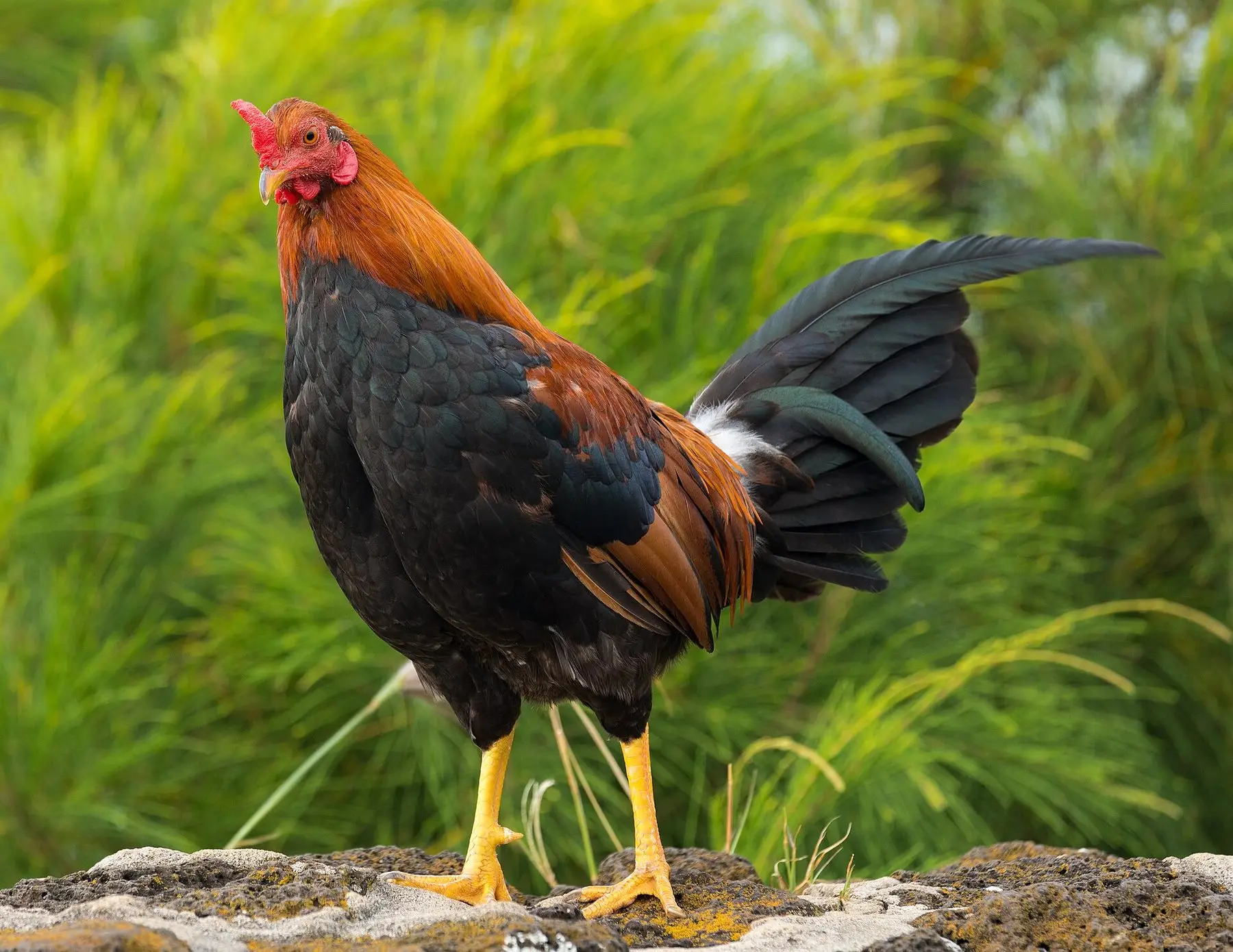
Do You Actually Need a Rooster?
Hens lay perfectly well without one. A rooster is only necessary for fertile eggs — here is what one actually does, and why most municipalities ban them anyway.
Best Chicken Breed for Free Range Meat
Cornish Cross cannot forage well enough to free range. The slow-growing breeds that can, and what you trade in weeks and feed to get there.