
What Is the Least Aggressive Chicken? Orpington and Brahma
Buff Orpingtons, Brahmas and Cochins top every docility list. Why breed matters less than space, and the one bird that causes most flock trouble.
 By
On this page
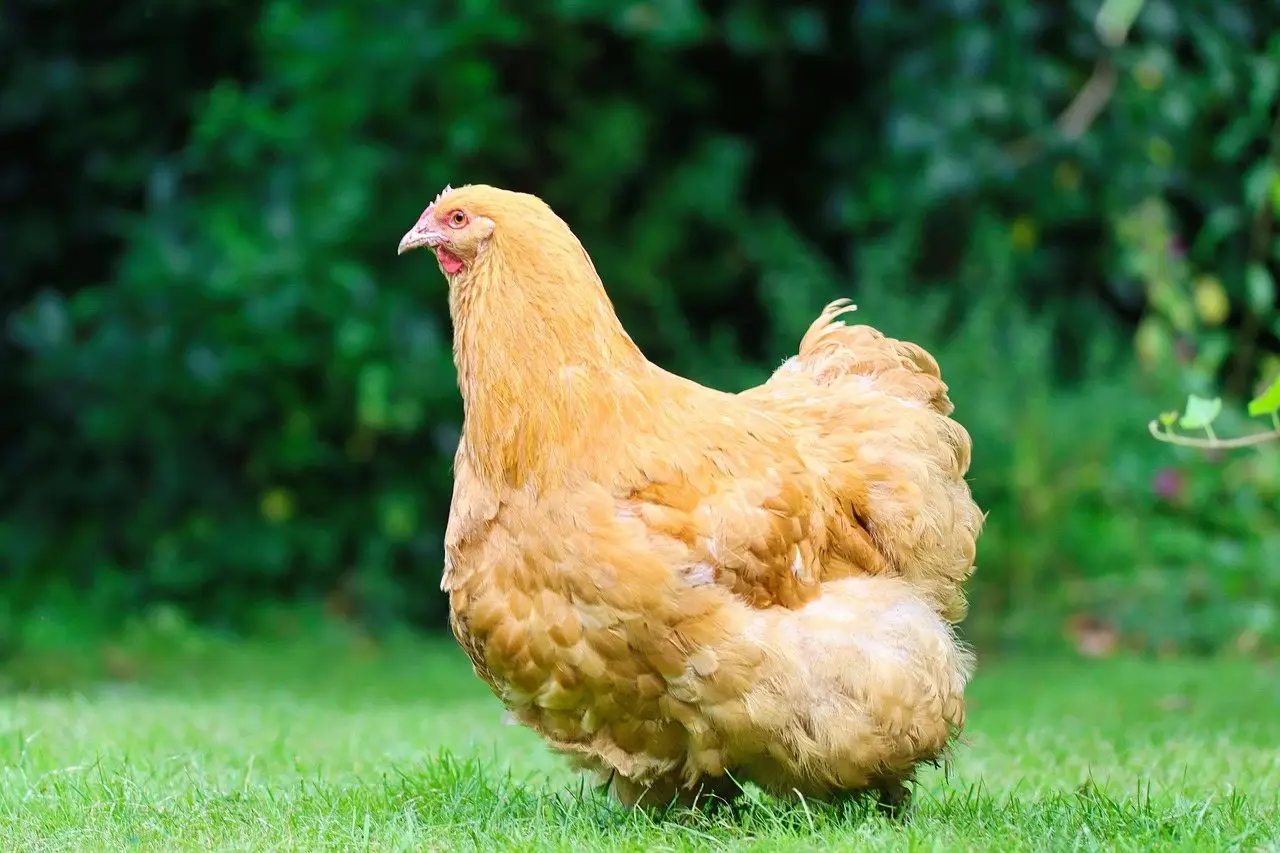
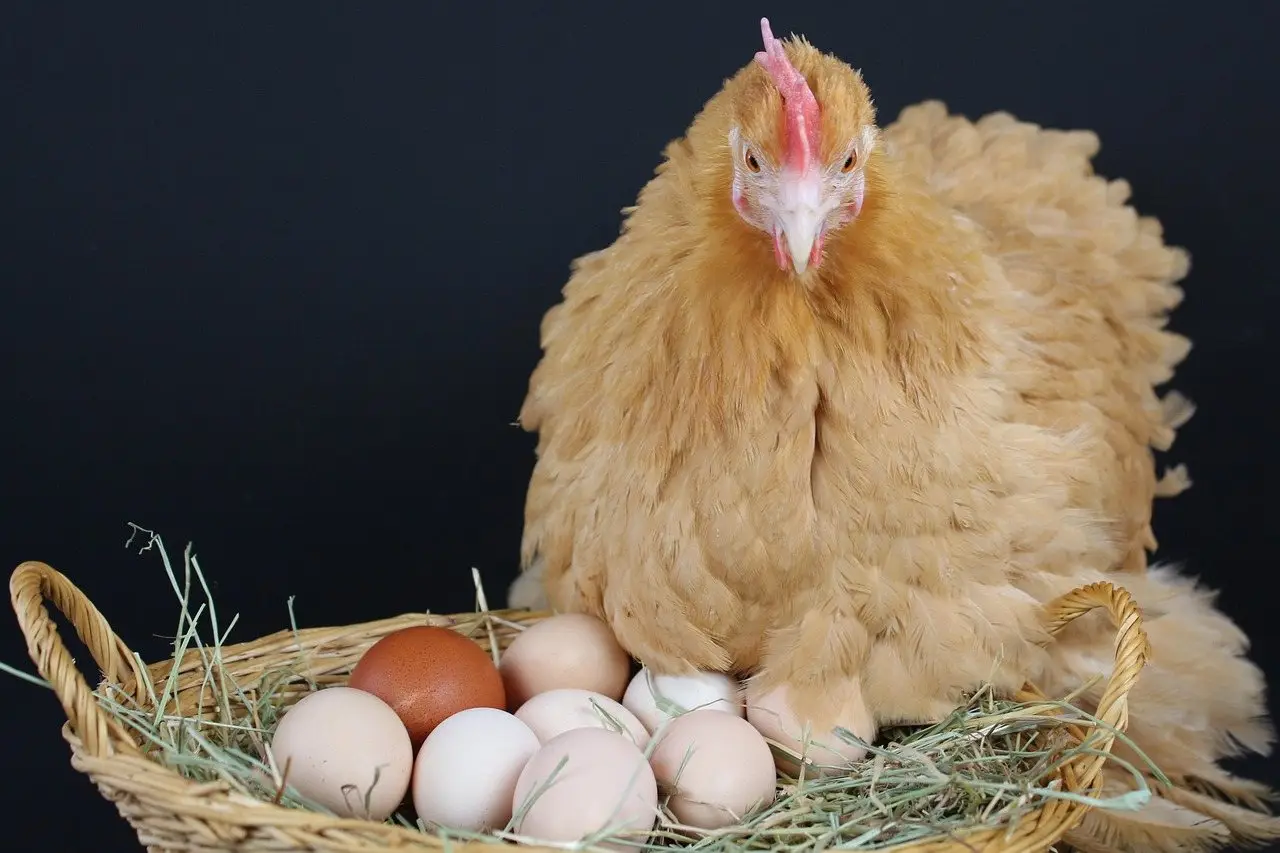
Buff Orpington, with Brahma, Cochin, Australorp and Salmon Faverolle close behind. But breed is the second variable. Space is the first, and a crowded flock of docile breeds will still pick each other raw.
The docile list
| breed | temperament | size | eggs/year |
|---|---|---|---|
| Buff Orpington | very calm, enjoys handling | heavy | 180–220 |
| Brahma | placid, very large, slow | very heavy | 150–200 |
| Cochin | gentle, fluffy, broody | heavy | 150–180 |
| Salmon Faverolle | friendly, often bottom of the order | medium | 180–240 |
| Australorp | calm and steady, still lays well | heavy | 250–300 |
| Sussex | docile, curious | heavy | 240–280 |
| Silkie | extremely gentle, vulnerable | bantam | 100–120 |
| Wyandotte | steady, moderately assertive | heavy | 200–240 |
| Plymouth Rock | easygoing | heavy | 200–280 |
Australorp is the one to notice. It sits near the top of the docility list and lays 250 to 300 eggs, which is the combination most people actually want.
The assertive end
Not aggressive, but likely to run the flock:
- Rhode Island Red — robust and confident; fine among equals, hard on Silkies
- Leghorn — flighty rather than mean, but noisy and hard to handle
- Welsummer, Ancona, Hamburg — active, alert, not lap birds
- Game breeds — bred for exactly what the name implies; not for mixed backyard flocks
Matching sizes matters more than matching temperaments
A Silkie or a Polish in a flock of Rhode Island Reds is the classic bullying setup — small, poor sighted through the crest, and bottom of the order. Keep crested and bantam breeds with other gentle birds rather than mixing them into a robust flock.
Why space beats breed
| resource | minimum per bird |
|---|---|
| Coop floor | about 4 sq ft |
| Run | 8–10 sq ft |
| Roost length | 8–12 in |
| Nest boxes | 1 per 3–4 hens |
| Feeder space | enough that all can eat at once |
Below those figures, docile breeds pick too. Feather-pecking is a crowding behaviour before it is a breed behaviour, and once it starts — a bare patch, then blood, then the whole flock joining in — it is extremely hard to stop.
The other triggers
- Bad introductions. New birds go in at night, after a week of see-but-not-touch through mesh
- Boredom. A bare run with nothing to do produces pecking. Perches, logs, dust baths, hanging greens and a scattered scratch all help
- Too few hens per cockerel. Eight to ten per rooster; fewer means over-mating injuries
- Illness or injury. A bird that is off colour gets attacked. Blood in particular triggers a pile-on, so any wound needs covering or the bird separating immediately
- One bad individual. Occasionally it is not the breed. A week apart from the flock costs a bully its rank and often settles it
Children and chickens
The friendly-breed question is usually really a children question. Two practical points:
- Pick heavy, slow breeds — Orpington, Cochin, Brahma. A bird that cannot flee quickly is a bird that learns to tolerate being picked up
- Do not keep a cockerel. Almost all chicken injuries to children come from roosters, not hens, and the flock does not need one to lay
Common questions
Which chicken breed is the least aggressive?
What makes a chicken aggressive?
Are Rhode Island Reds aggressive?
Which chickens are best with children?
Do roosters make a flock more aggressive?
How do I stop bullying in my flock?
Backyard Weekly
Know what to plant, week by week
Join the weekly email for seasonal jobs, fixes for what is going wrong, and gear worth buying.
Not ready to subscribe? The planting calendar is free and needs no email.
By subscribing you agree to our privacy policy. Grow In Backyard will never sell your address.
Keep reading
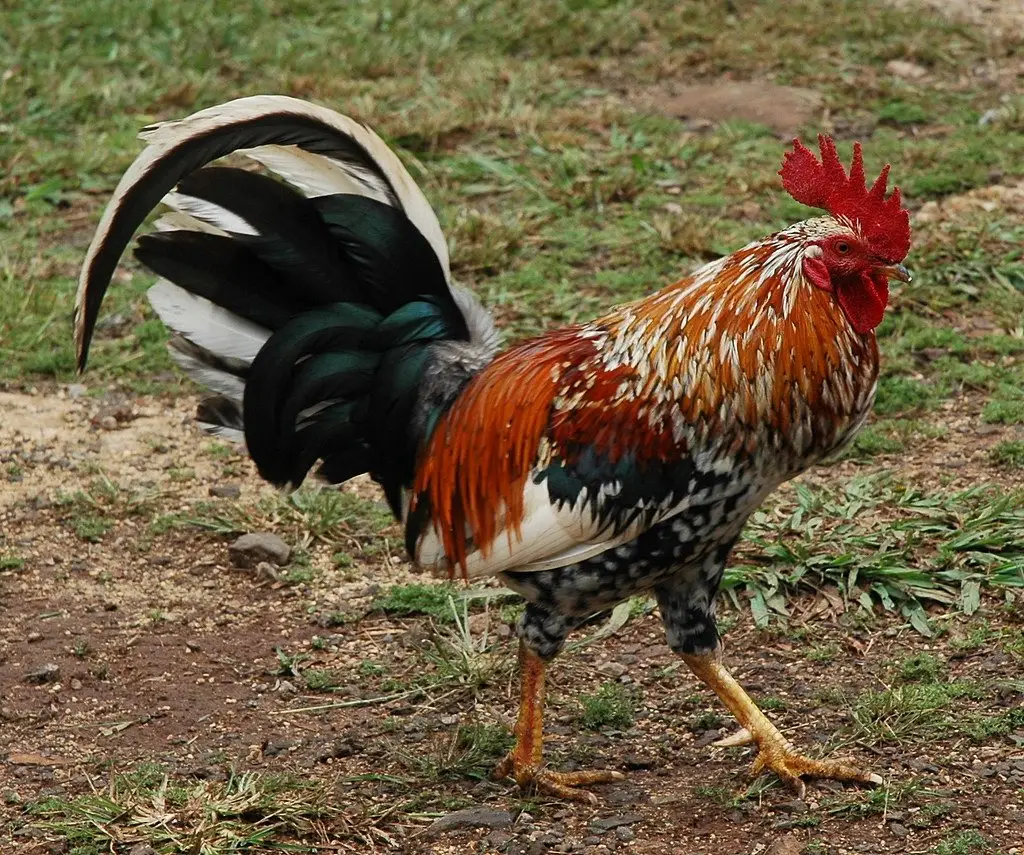
Best Rooster Breed for a Mixed Flock: Temperament First
A rooster's job in a mixed flock is watching and keeping peace, not fertility. Which breeds do it calmly, the ratio to keep, and the one trait to rule out.
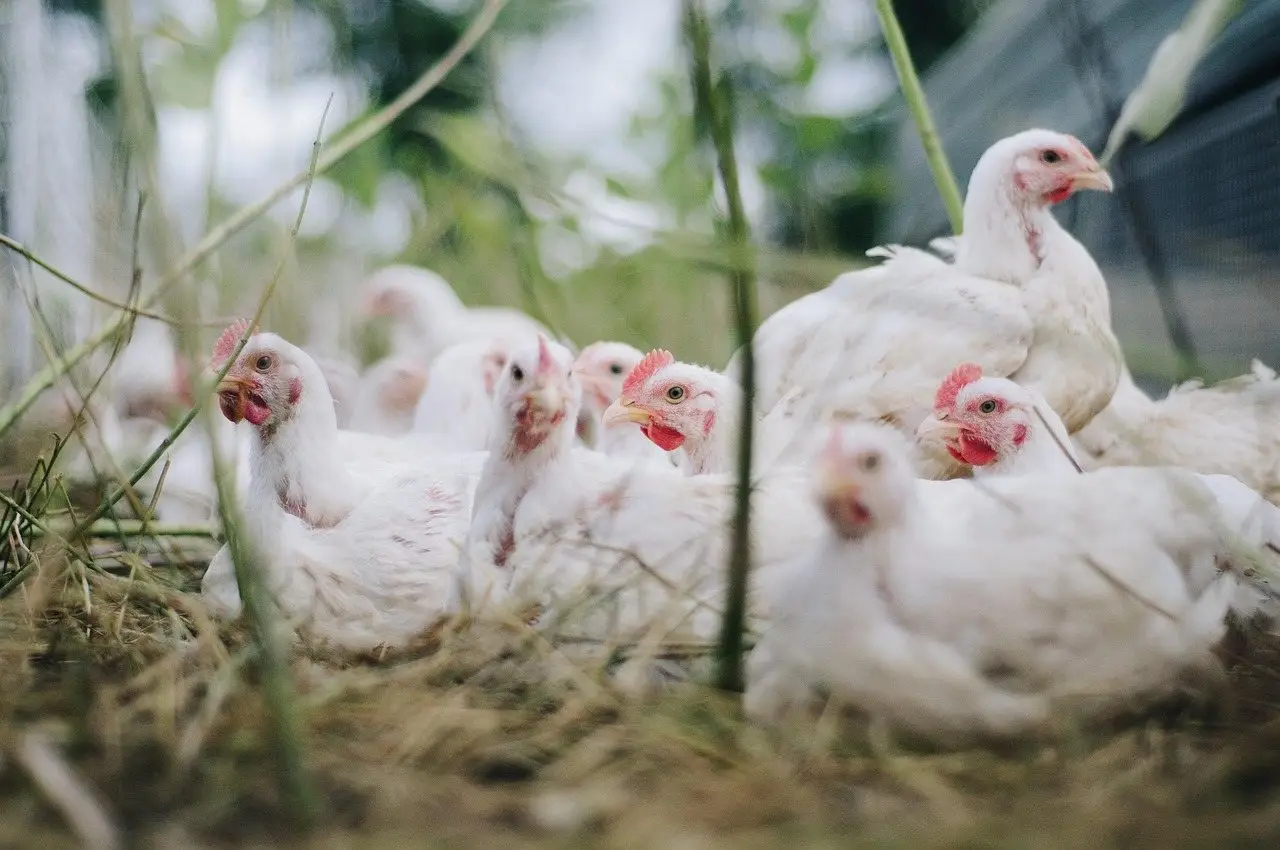
How Many Chickens for a Backyard Flock? Start With Eggs
Work backwards from eggs eaten, then apply the three-bird minimum and your local limit. Why four to six suits most households, and what goes wrong at two.
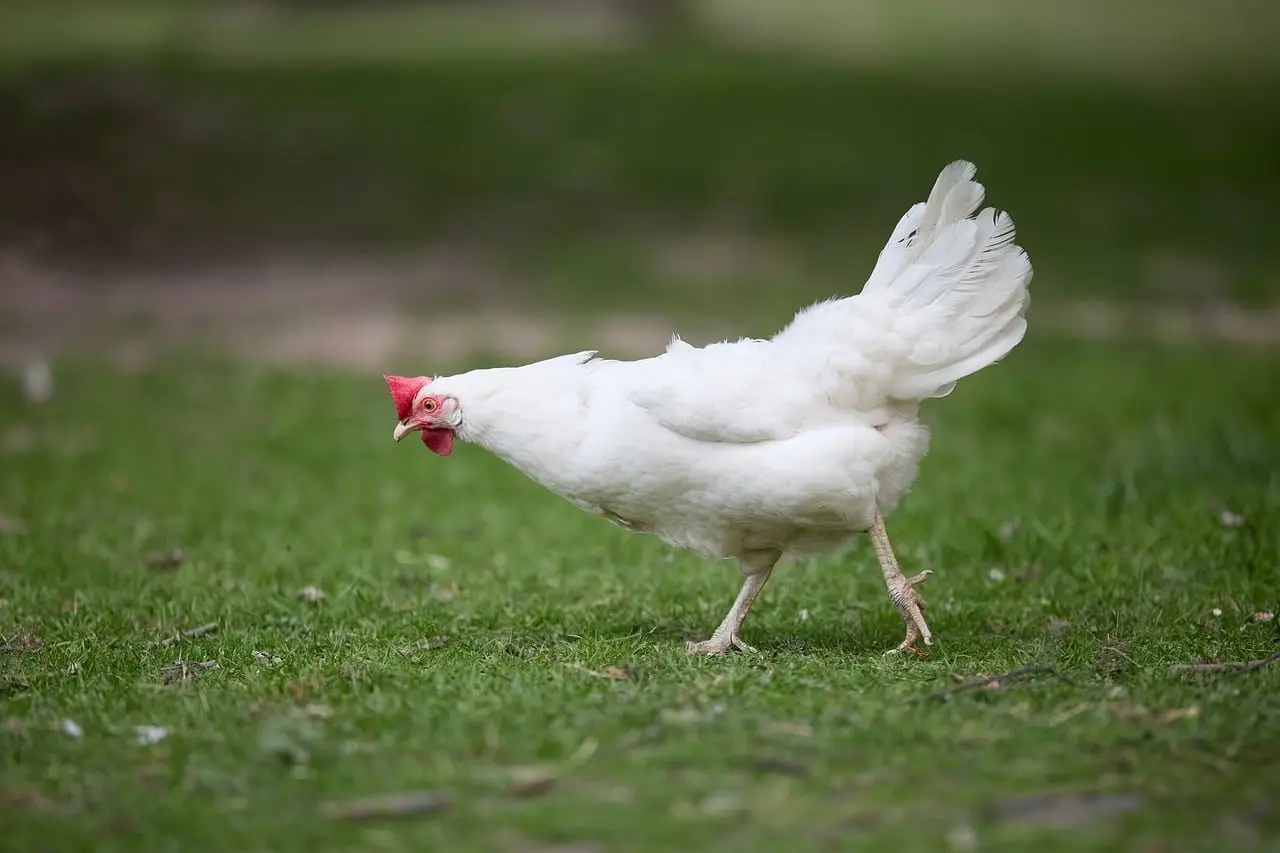
How to Keep Backyard Chickens Healthy: The Routine
Most flock illness is prevented by dry bedding, clean water, parasite checks and quarantine. The weekly routine and the signs that need acting on.
What Is the Most Prolific Egg Laying Chicken? The Hybrids
Commercial brown hybrids top 300 eggs a year, well ahead of any heritage breed. What that output costs the bird, and the best heritage alternatives.