
Do Hummingbirds Make Noise? The Hum, Chirps and Dives
The hum is wings, not voice — but hummingbirds also chip, chatter and make sound with their tail feathers during courtship dives. What each one means.
 By

On this page
Yes — and in three different ways, only one of which involves a voice. The famous hum is mechanical. The chirping is vocal. And the loud squeak at the end of a courtship dive is made with tail feathers.
Three sound sources
| Sound | Made by | Means |
|---|---|---|
| Continuous hum | Wings, 50–80 beats/sec | Nothing — it is unavoidable flight noise |
| Sharp repeated chip | Voice, from a perch | Territory advertisement and warning |
| Rapid harsh chatter | Voice, in flight | An actual chase in progress |
| Scratchy buzzy song | Voice, from an exposed perch | Male display, species-dependent |
| Soft quiet calls | Voice, close range | Female to fledglings |
| Loud squeak at the end of a dive | Tail feathers | Courtship display |
| Trill or whistle in flight | Wing feathers | Species-specific; identifies the bird |
The hum
Pure physics. A hummingbird’s wings beat roughly 50 to 80 times per second depending on species — fast enough that the air being pushed produces an audible tone rather than individual beats.
Because wingbeat frequency varies between species, the pitch of the hum varies too, enough that experienced listeners can identify some species by the sound of the bird passing. It is not something the bird chooses or can turn off; it is the by-product of flying that way.
Larger birds beat far too slowly to hum. Hummingbirds got the name for a reason.
The voice
They are noisier than most people expect, and near a feeder almost all of it is about who owns the feeder.
- Chips — a sharp, high, repeated note, usually from a favoured perch with a view — they perch far more than people realise. This is a male advertising ownership and warning rivals off, and it can go on for very long stretches.
- Chatter — faster and harsher, and it accompanies an actual chase.
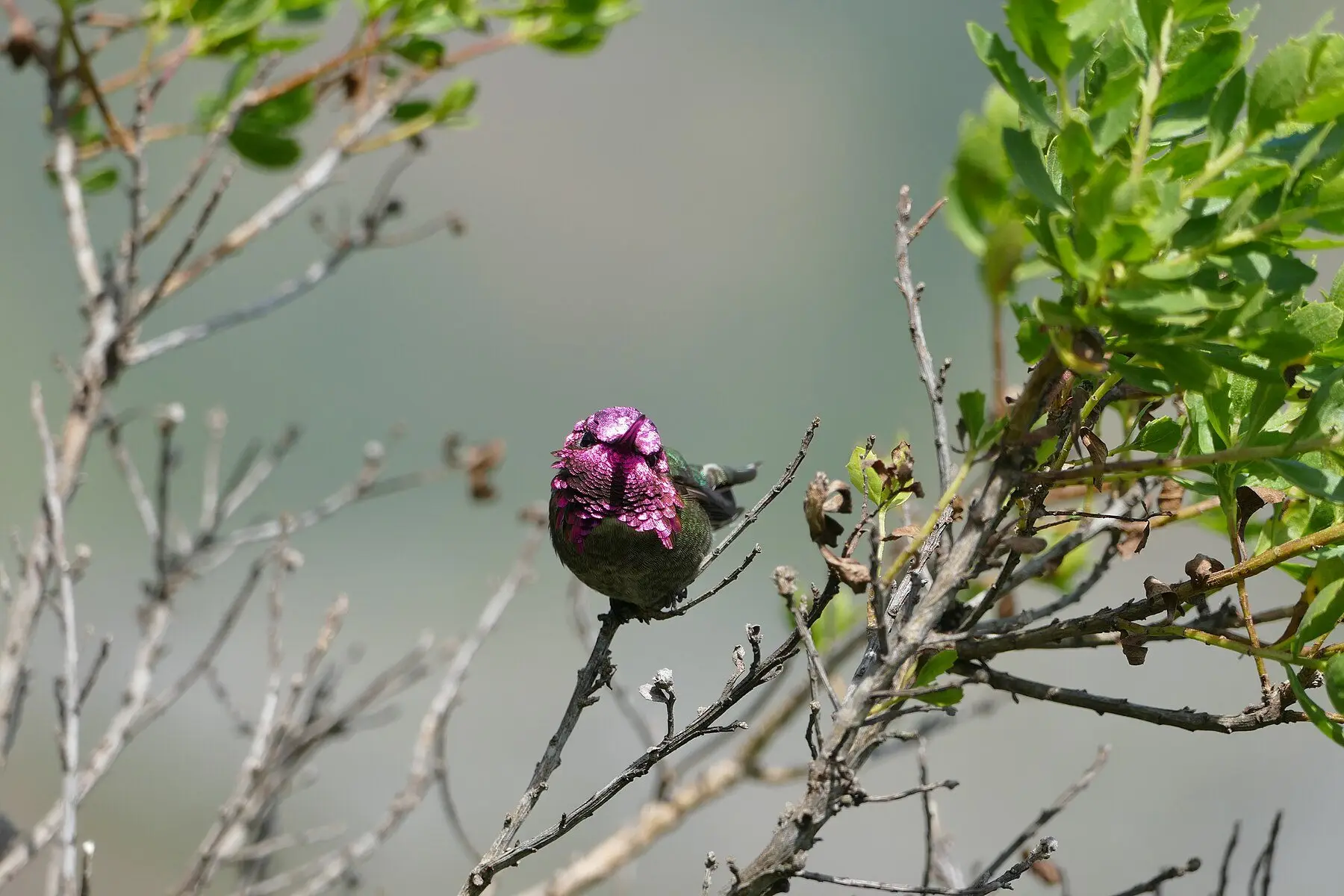
- Song — Anna’s hummingbird has a genuinely scratchy, buzzy song delivered from an exposed perch, and several tropical species are more elaborate. The ruby-throated hummingbird, the common species across eastern North America, is far less musical.
- Soft calls between a female and fledglings, quiet and easy to miss.
Which is why one bird seems to own your feeder
Hummingbirds are extremely territorial around concentrated food. A single dominant bird typically claims a feeder and spends the day guarding it. If you want more birds and less fighting, put out several small feeders spread out and out of sight of one another rather than one large one — a bird cannot defend what it cannot see.
The dive squeak
The most interesting one, and a genuine piece of settled science.
A male Anna’s hummingbird climbs to 100 feet or more, plunges toward a female, and at the bottom of the dive produces a loud sharp squeak. For a long time this was assumed to be vocal.
It is not. At the base of the dive the bird spreads its outer tail feathers, and airflow makes them flutter and sound — the same principle as a blade of grass held between your thumbs. Researchers confirmed it by removing or modifying those feathers, which silenced the dive while leaving the bird’s voice intact.
Other species make wing trills and whistles in ordinary flight by the same mechanism — the broad-tailed hummingbird’s metallic wing trill is distinctive enough to identify the bird without seeing it.
Reading your own yard
- Constant chipping from one perch — a resident male has claimed the feeder.
- Harsh chatter and blurred chases — a rival is testing him.
- A loud squeak overhead in spring — courtship diving, if you are in Anna’s range.
- A change in the hum’s pitch — quite possibly a different species passing through.
- Quiet, and no birds — worth checking the feeder rather than the birds: nectar ferments fast in warm weather and a sour feeder empties a garden quickly.
Common questions
Do hummingbirds make noise?
What does a hummingbird chirp mean?
Why do hummingbirds squeak when they dive?
What makes the humming sound?
Do hummingbirds sing?
Why are the hummingbirds at my feeder so noisy?
Backyard Weekly
Know what to plant, week by week
Join the weekly email for seasonal jobs, fixes for what is going wrong, and gear worth buying.
Not ready to subscribe? The planting calendar is free and needs no email.
By subscribing you agree to our privacy policy. Grow In Backyard will never sell your address.
Keep reading
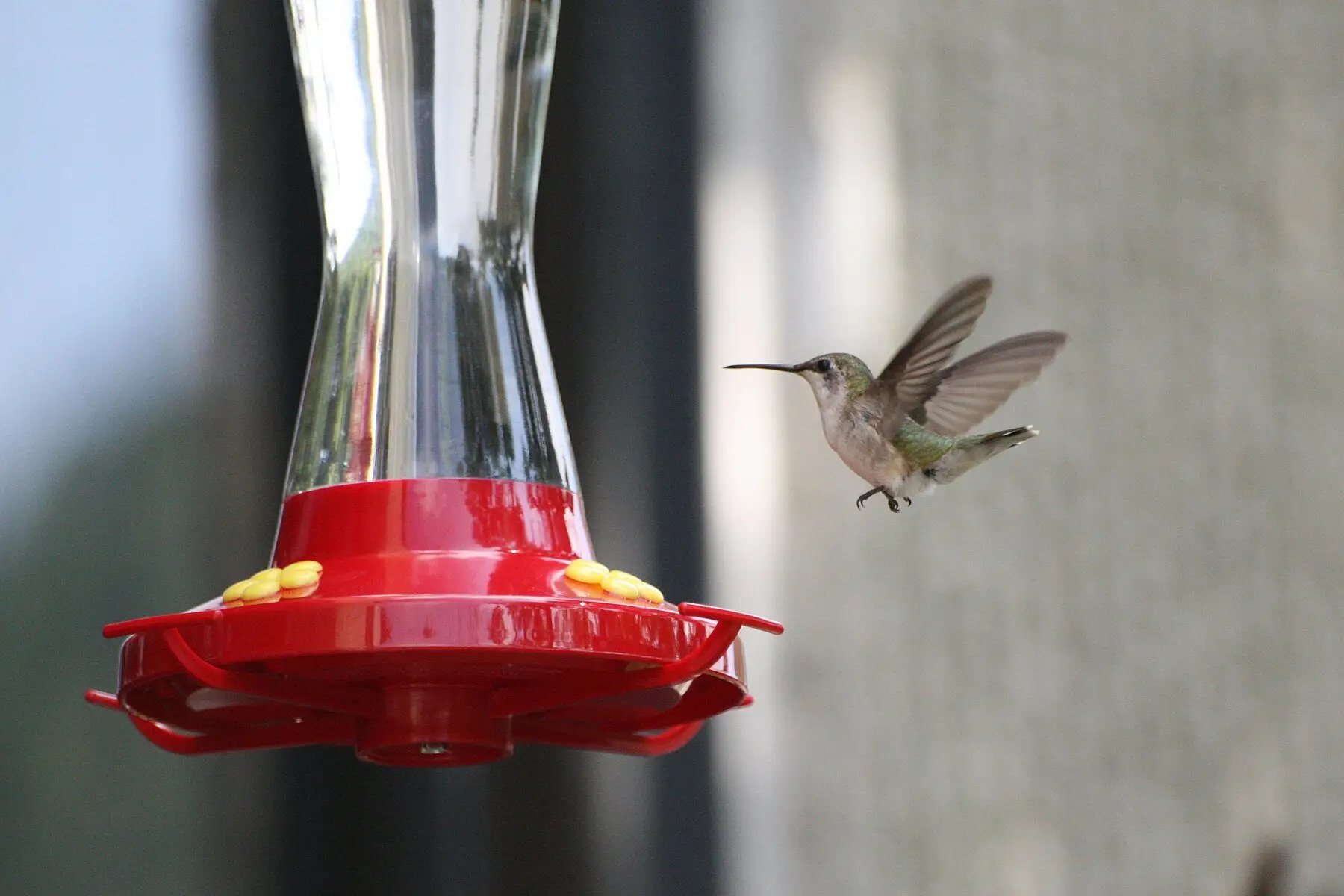
Why Do Hummingbirds Chase Each Other? Territory, Mostly
Hummingbirds are aggressively territorial over food, and a single bird will guard a feeder against all comers. How to stop one monopolising yours.
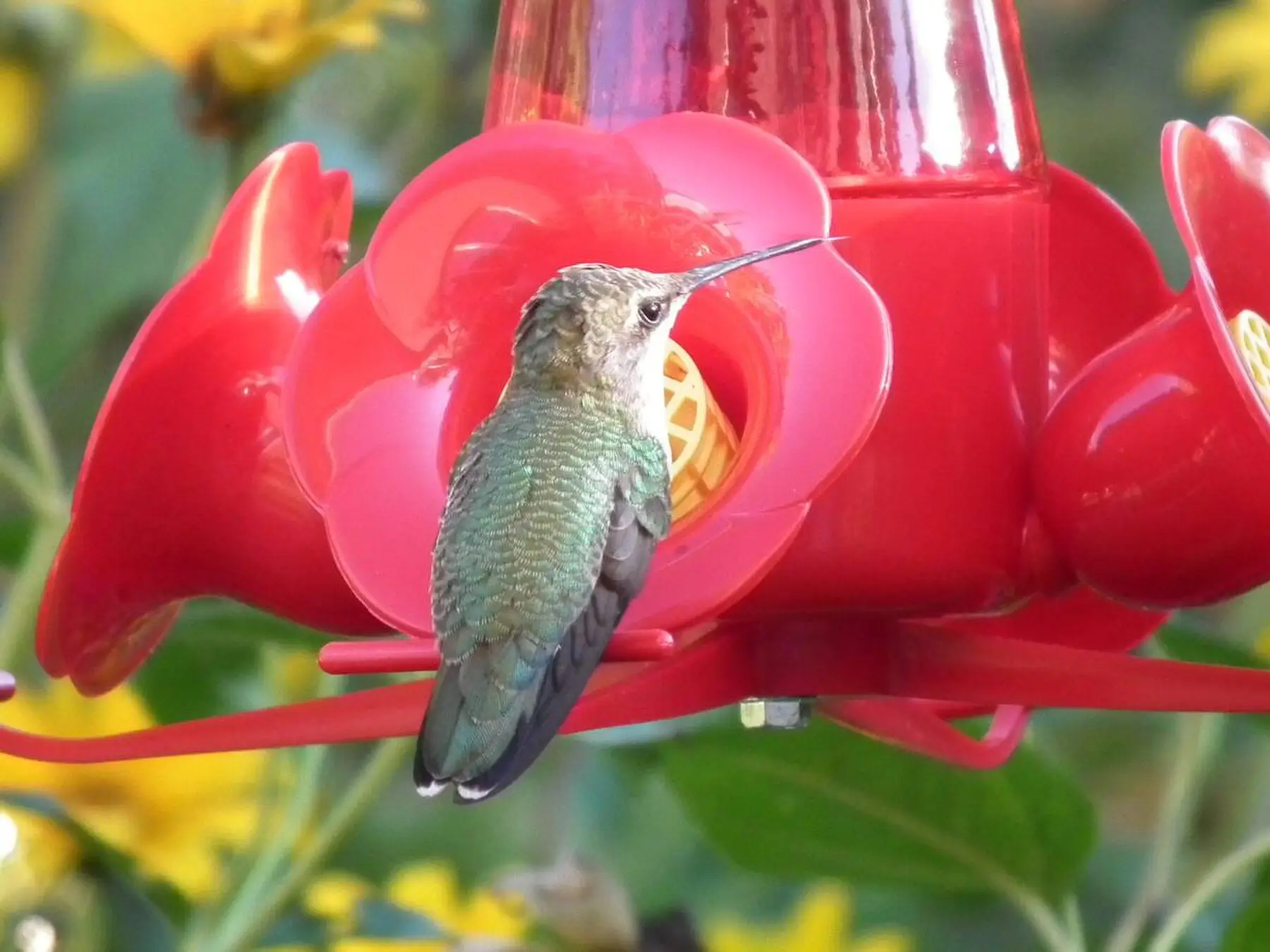
Why Hummingbirds Stopped Coming to Your Feeder
Spoiled nectar, natural flowers, migration, or one bird driving the rest off. The order to check them in, and the feeder mistake most people are making.
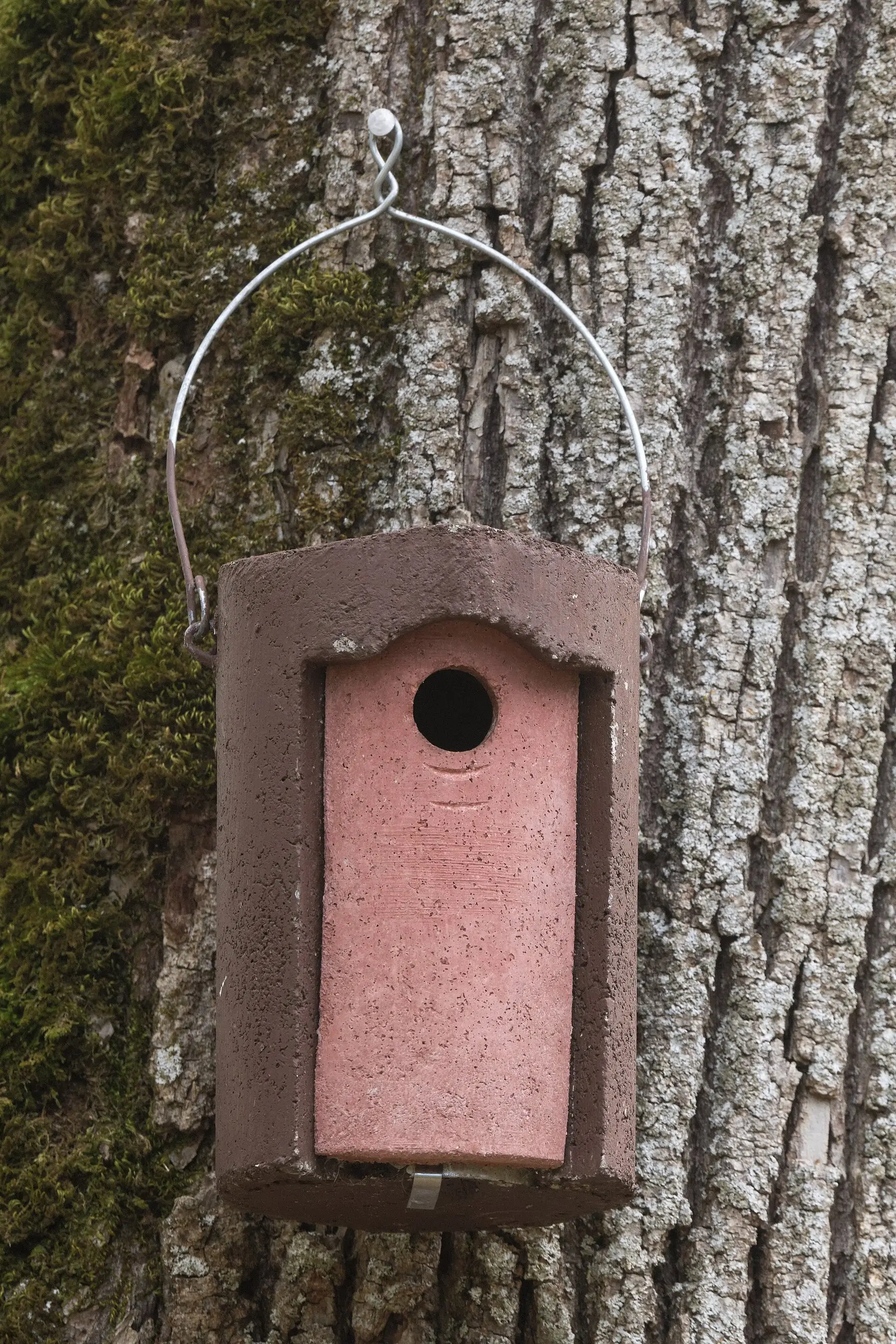
Bird House Hole Size: The Number That Picks the Tenant
Entrance diameter decides which species can use a box and which predators cannot. A size chart, the dimensions that go with each, and why perches are harmful.
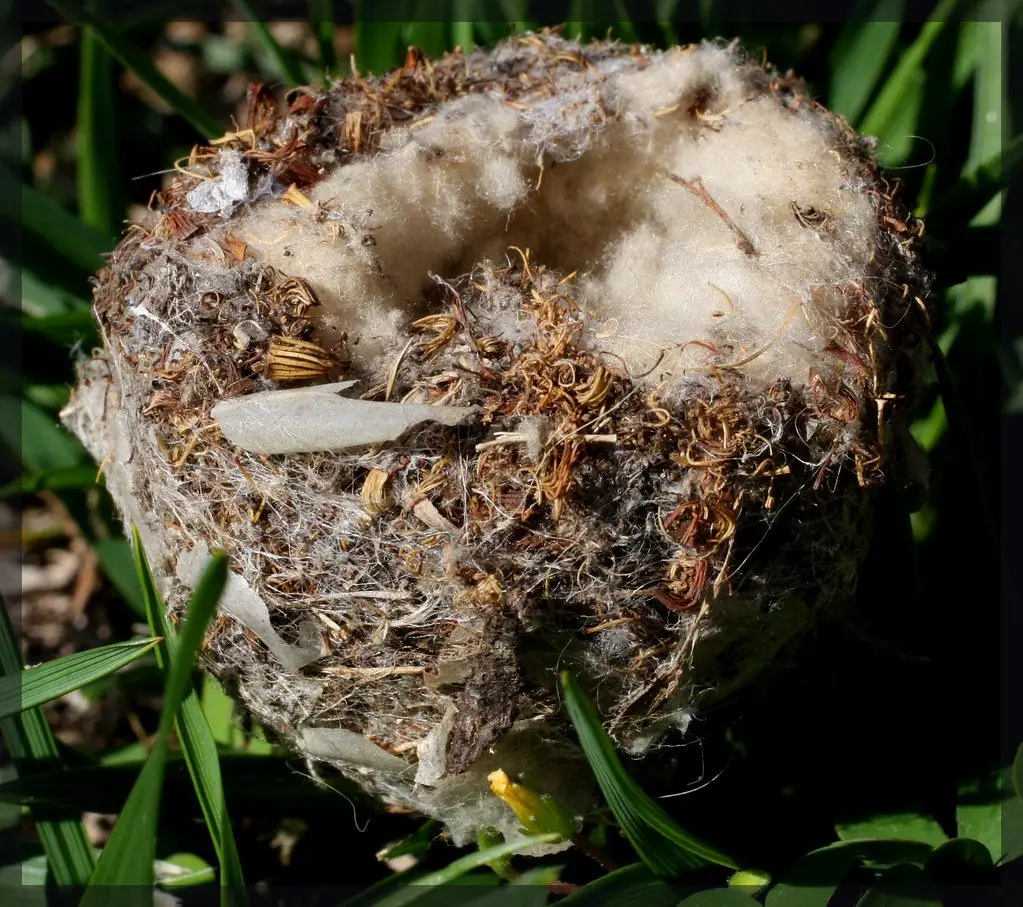
Do Hummingbirds Use Birdhouses? No — Here Is What They Need
Hummingbirds are not cavity nesters, so a birdhouse will never be used. What they actually build, and the four things that bring them in to nest instead.