
Can Hummingbirds Stop Flying? Yes — and They Do It Often
Hummingbirds perch for most of the day, despite the reputation. Why they cannot walk, how torpor works, and what the constant-flight myth gets wrong.
 By

On this page
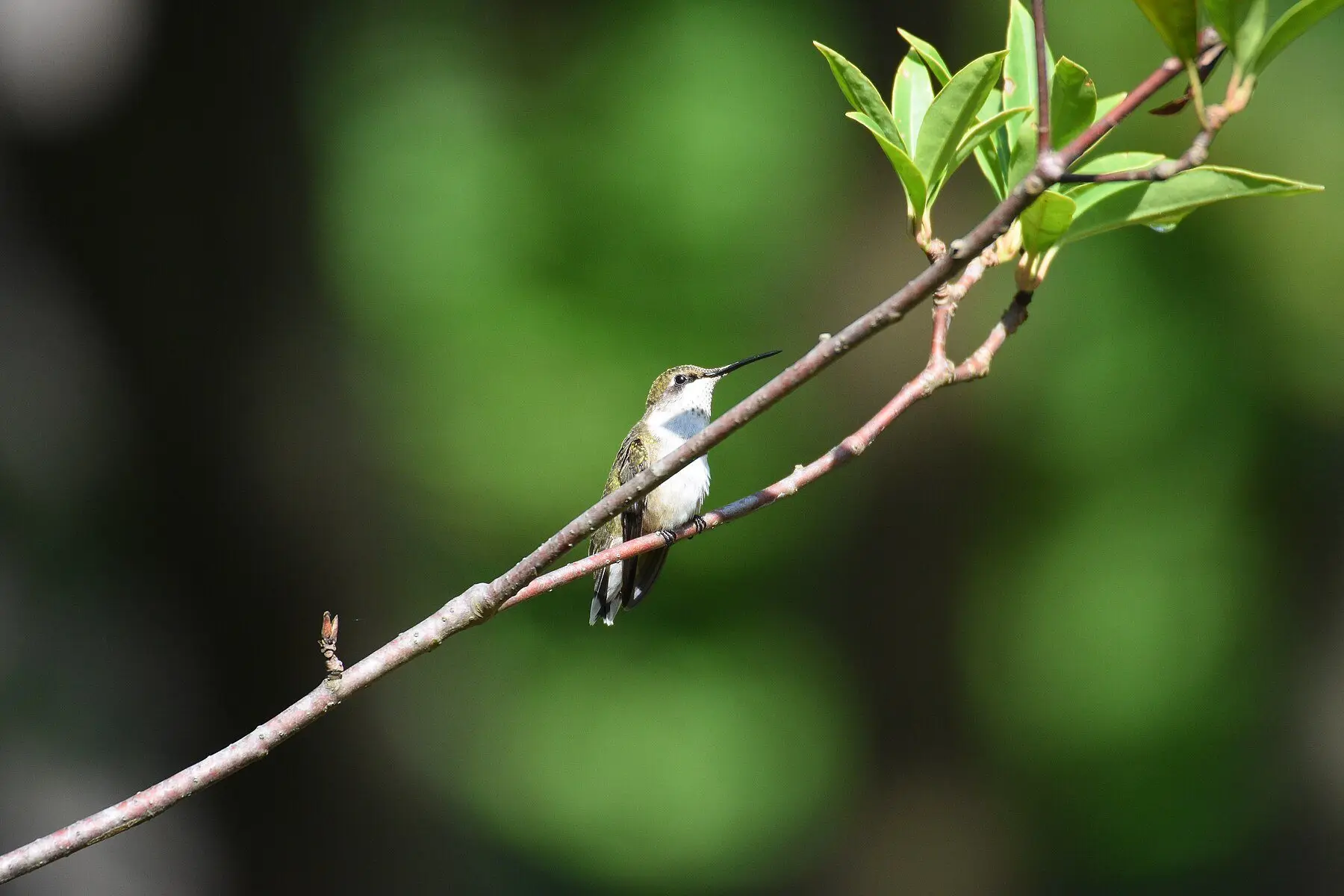
Yes — and they spend most of the day doing it. A hummingbird perches for roughly three quarters of daylight hours. The myth has things almost exactly backwards.
What they genuinely cannot do is walk, and that is where the confusion comes from.
Where the myth comes from
Three things feed it, and each is half-true:
- They cannot walk. Genuinely true. So every movement of any distance really is a flight.
- Hovering is what you see. A bird at a feeder is visible and memorable. The same bird sitting still in a shrub for twenty minutes is not.
- Their metabolism is extreme. Also true — but resting is how they manage that, not something they are unable to do.
What perching is for
| Activity | Roughly |
|---|---|
| Perched — resting, digesting, preening, watching | The majority of daylight |
| Feeding, in flight | Frequent short bouts through the day |
| Chasing rivals from a territory | Bursts, often from a perch |
| Night | Torpor |
A perched hummingbird is usually doing one of these:
- Digesting. Nectar is processed fast, and they need to sit while it happens.
- Guarding. A favourite exposed twig with a view of a feeder or a flower patch is a sentry post, and the bird will launch from it at any intruder.
- Preening. Feather condition is survival equipment.
- Sunning, particularly on cool mornings after emerging from torpor.
Put perches near your feeder
A thin bare twig within a few feet of a feeder gets used constantly — it gives the bird a sentry post and a place to digest between visits. It is one of the easiest ways to actually watch hummingbirds instead of catching two-second glimpses of them.
The feet, and why walking is out
Hummingbird feet are specialised for one job: gripping a perch. Their legs are very short, and the musculature for walking or hopping simply is not there.
The trade-off is worth appreciating rather than pitying. Those same anatomical choices — minimal leg mass, an enormous flight-muscle share of body weight, a shoulder joint that rotates almost freely — are what allow:
- Sustained hovering, which almost no other bird can do
- Flying backwards, which essentially none can
- Wings that generate lift on both the forward and backward stroke, in a figure-of-eight rather than a simple up-and-down flap
Torpor: stopping in the fullest sense
At night, and in cold or food-scarce conditions, hummingbirds enter torpor.
- Body temperature falls sharply toward ambient
- Heart rate drops from over a thousand beats a minute to a small fraction of that
- Breathing becomes shallow and intermittent
- Energy use falls dramatically
- The bird may hang upside down, and is completely unresponsive
It takes twenty minutes or more to rouse, which is why a torpid hummingbird found on a cold morning is so often mistaken for a dead one.
If you find one that seems dead
Assume torpor first. Move it somewhere sheltered and safe from cats and wait — do not box it in the dark, do not warm it artificially, and do not attempt to feed it, which can drown a bird this small. If there is no response after an hour, or there is a visible injury, call a licensed wildlife rehabilitator. Hummingbirds are federally protected in the US and handling one is regulated even with good intentions.
The numbers behind the reputation
| Wingbeats, normal flight | ~50–80 per second |
| Wingbeats, courtship dive | Over 200 per second in some species |
| Heart rate, active | 1,200+ beats per minute |
| Heart rate, torpor | A small fraction of that |
| Breaths per minute, active | ~250 |
| Flower visits per day | Frequently over a thousand |
| Weight | About 3 grams for a ruby-throated — roughly a penny |
Those figures are genuinely extreme, and they are exactly why the bird has to rest. An animal running that hot cannot afford to stay airborne when it does not need to be.
So: can they stop?
Yes. They perch, they sleep deeply, they sunbathe, they sit and watch. What they cannot do is stroll along a branch — and a bird that has to fly to move three inches gives a powerful impression of never landing, even while it spends most of its day doing precisely that.
Common questions
Can hummingbirds stop flying?
Can hummingbirds walk?
Do hummingbirds sleep?
How fast do hummingbird wings beat?
Why do hummingbirds hover so much if they can perch?
Do hummingbirds die if they stop flying?
Backyard Weekly
Know what to plant, week by week
Join the weekly email for seasonal jobs, fixes for what is going wrong, and gear worth buying.
Not ready to subscribe? The planting calendar is free and needs no email.
By subscribing you agree to our privacy policy. Grow In Backyard will never sell your address.
Keep reading
Do Hummingbirds Make Noise? The Hum, Chirps and Dives
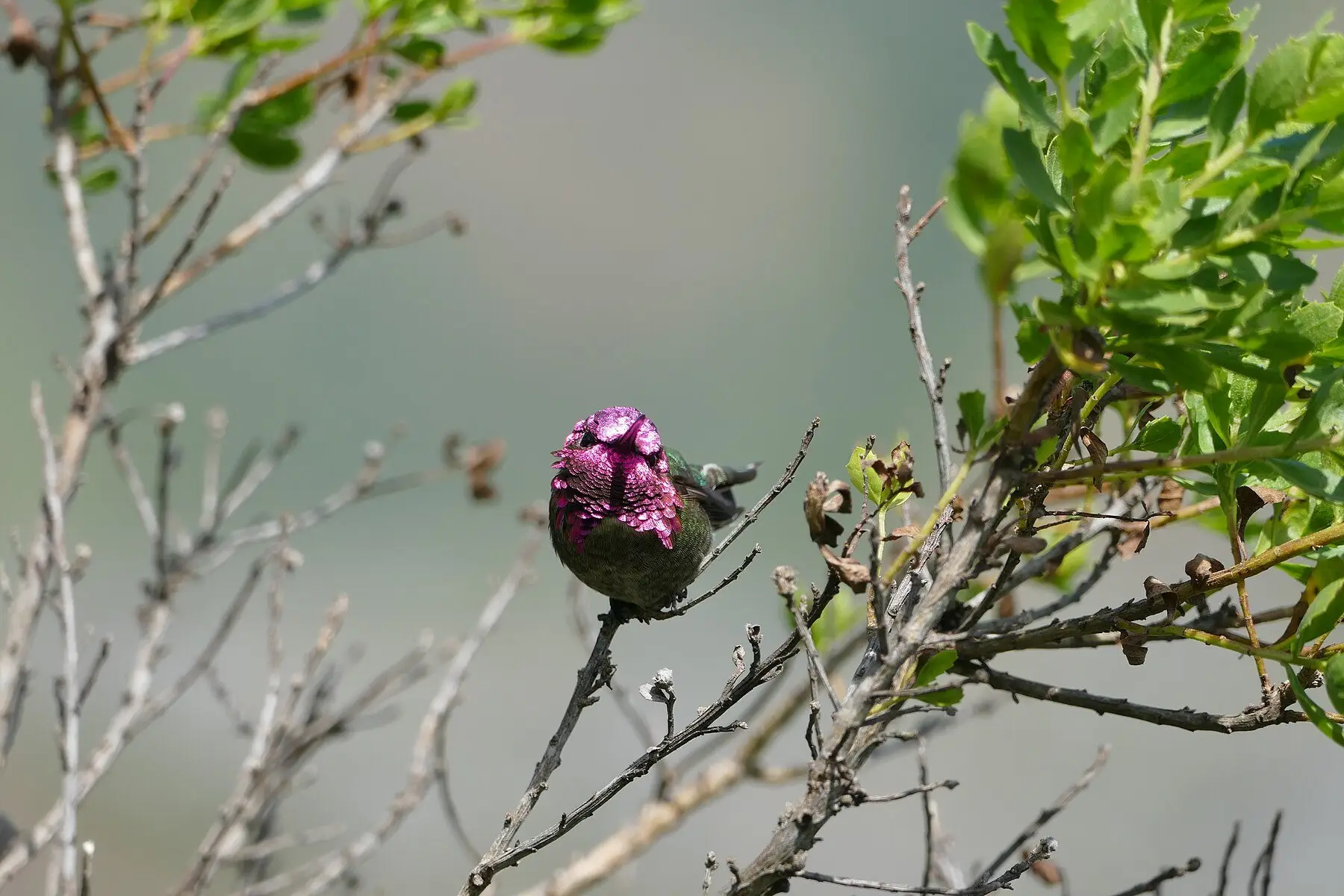
The hum is wings, not voice — but hummingbirds also chip, chatter and make sound with their tail feathers during courtship dives. What each one means.
How Do Hummingbirds Die? Causes, Lifespan and What You Can Fix
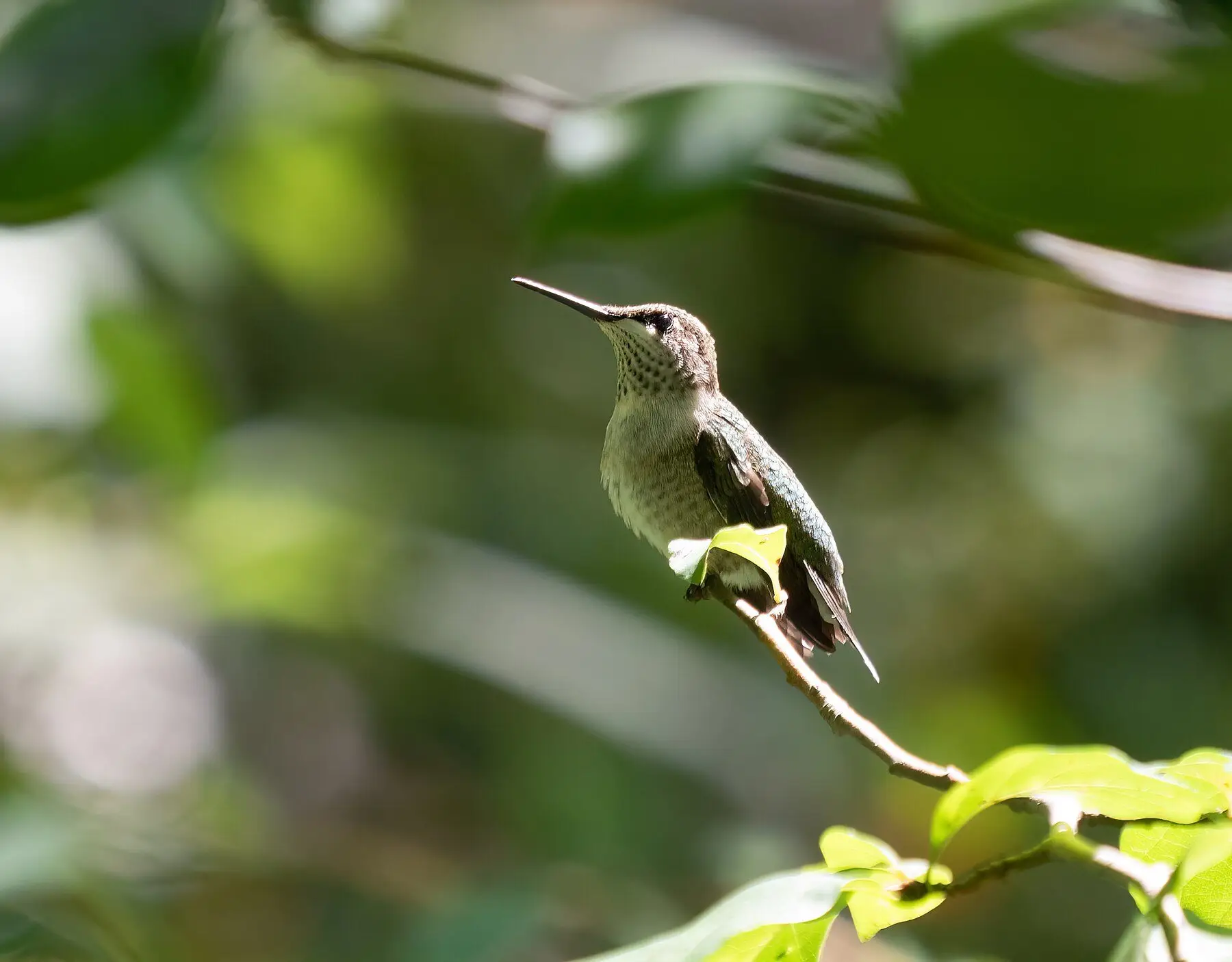
Most hummingbirds die in their first year, and the biggest causes are ones a garden can influence — windows, cats, dirty feeders and pesticides.
Why Do Hummingbirds Chase Each Other? Territory, Mostly
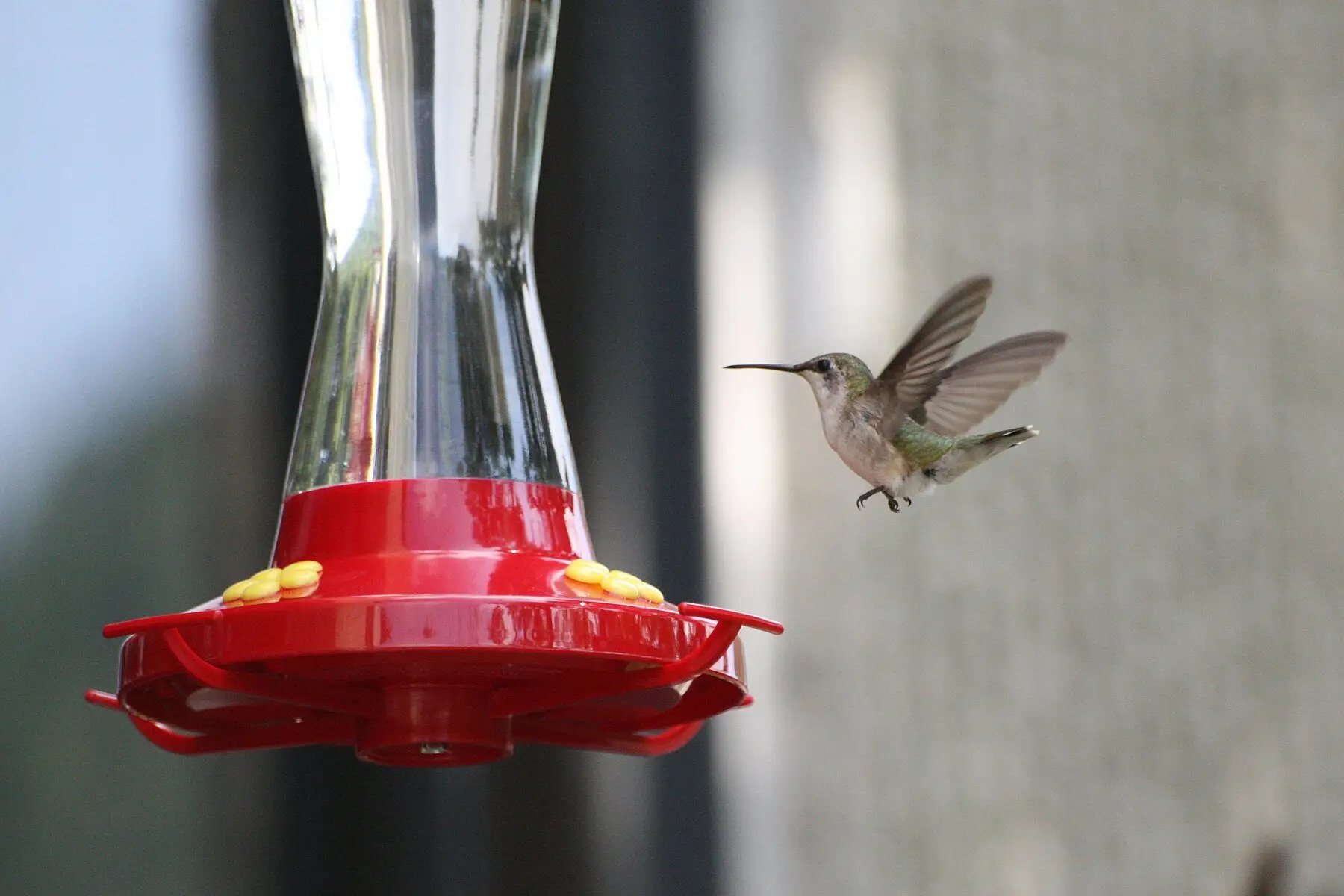
Hummingbirds are aggressively territorial over food, and a single bird will guard a feeder against all comers. How to stop one monopolising yours.
Cardinal Flying Into Window: Why It Happens and How to Stop It
A cardinal attacking a window is fighting its own reflection, usually in spring. Why it targets cardinals specifically, and the fix that actually works.