
Do Hummingbirds Use Birdhouses? No — Here Is What They Need
Hummingbirds are not cavity nesters, so a birdhouse will never be used. What they actually build, and the four things that bring them in to nest instead.
 By
On this page
No, and they never will. Hummingbirds are not cavity nesters — a box with a hole in it is as irrelevant to them as it is to a robin. Anything sold as a “hummingbird house” is garden ornament.
Why a box is the wrong shape entirely
Cavity nesting is a specific strategy with specific anatomy behind it. Species that use boxes — chickadees, bluebirds, wrens, swallows, woodpeckers — are adapted to enter and manoeuvre inside a dark enclosed space.
Hummingbirds are adapted for something else completely: hovering in open air. Their feet are nearly useless for walking. They perch, and they fly, and that is it. An enclosed box is a trap, not a shelter.
What about 'hummingbird houses' for sale?
The enclosed ones with a small hole are decorative products, and they do not get used. The open-sided platforms and “nesting shelves” occasionally sold are at least the right shape — an open cup site — but uptake is very low, because a hummingbird chooses a specific kind of branch and can find far better ones on her own. Money spent on a native flowering shrub buys you considerably more.
What the nest actually is
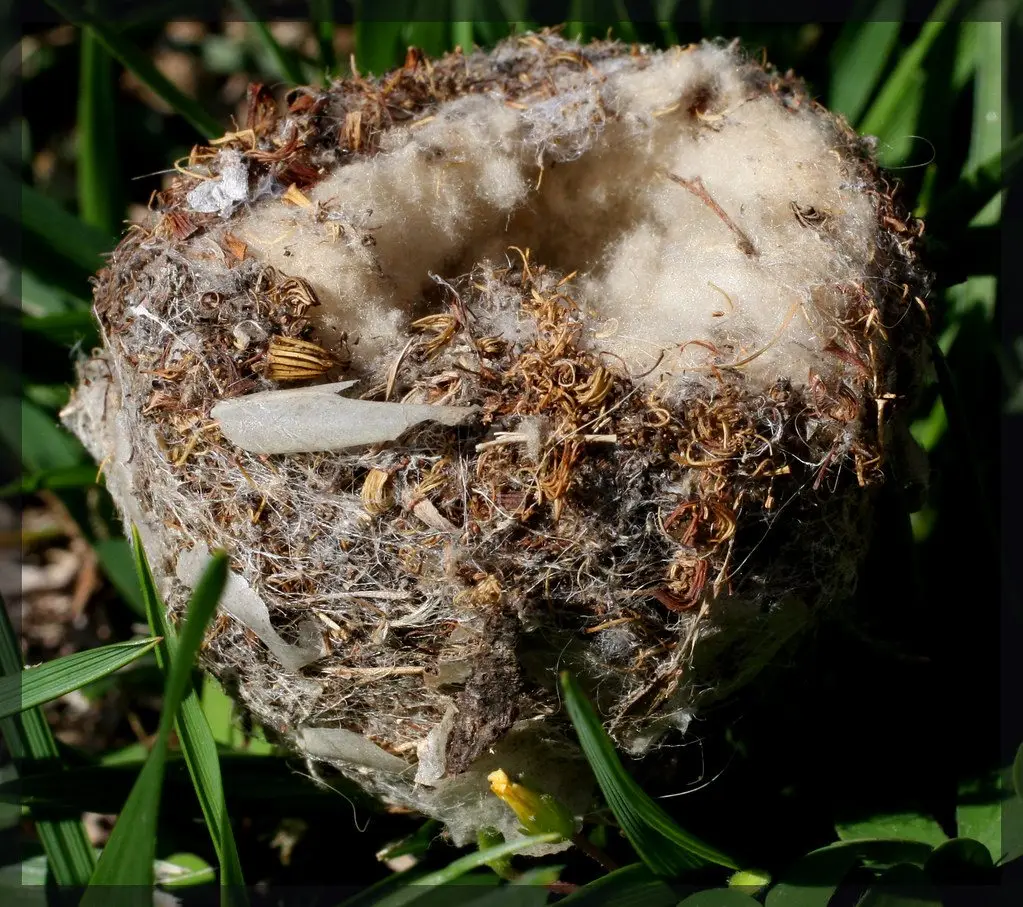
Small enough that most people who have hosted one never find it.
- Size: about 1.5 inches across and 1 inch deep — a walnut half, or a large thimble
- Site: a slender horizontal or slightly downward-sloping branch, usually 10 to 40 feet up, often with a larger branch or leaf directly above it for rain cover and concealment from above
- Materials: plant down, soft fibres, moss — bound with spider silk
- Outside: camouflaged with lichen and flakes of bark, so it reads as a bump on the branch
- Eggs: two, each about the size of a coffee bean
- Timing: incubation around 14 to 18 days, chicks fledging roughly three weeks later
The spider silk is the clever part. It is elastic, so the cup stretches as the chicks grow — a nest built for two hatchlings accommodates two nearly full-sized birds a fortnight later.
What to do instead of hanging a box
| Need | What to provide |
|---|---|
| Nest sites | Native shrubs and small trees with thin, forked branches. Oaks, birches, hawthorns, dogwoods |
| Structural material | Leave spider webs alone. This is the single most useful change |
| Nest lining | Cinnamon fern, pussy willow catkins, cattail fluff, thistle and dandelion down, clematis seed heads |
| Food for adults | Season-long nectar — tubular flowers, plus clean feeders |
| Food for chicks | Insects and spiders, which means no pesticides |
| Water | A mister or a dripper. They bathe in fine spray, not in a deep bath |
| Safety | Cats indoors; window collision decals on large panes |
Chicks are not fed nectar. They are fed small insects and spiders, which is why an insecticide programme in the garden is quietly one of the worst things for nesting success — it removes the protein supply and the silk supplier at the same time.
Nesting material, done safely
Natural plant down only:
- Cattail fluff, cinnamon fern wool, pussy willow catkins
- Thistle and dandelion seed down
- Clematis seed heads
Never put out lint, string or treated fur
Dryer lint soaks up water, collapses and rots — it looks soft and makes a lethal nest. Cut string, yarn and long hair are entanglement hazards that cost nestlings and adults their legs. Pet fur treated with flea or tick products carries insecticide directly into a nest. Plant down is the only material worth offering.
Feeders during nesting
Keep them up, and keep them honest. A nesting female is burning an extraordinary amount of energy.
- Four parts water to one part plain white sugar. Nothing else.
- No red dye, no honey, no brown sugar, no artificial sweetener.
- Change it every two days in hot weather, every three to four when cool. Fermented nectar and black mould in the ports are genuinely dangerous.
- Clean with hot water and a brush; skip the detergent residue.
- Several small feeders spread apart beats one large one — hummingbirds are territorial, and a single dominant bird will guard one feeder against everything else in the garden.
Common questions
Do hummingbirds use birdhouses?
Where do hummingbirds actually nest?
How do I attract hummingbirds to nest in my yard?
Can I put out nesting material for hummingbirds?
What do hummingbird nests look like?
Should I take down my feeders when hummingbirds are nesting?
Backyard Weekly
Know what to plant, week by week
Join the weekly email for seasonal jobs, fixes for what is going wrong, and gear worth buying.
Not ready to subscribe? The planting calendar is free and needs no email.
By subscribing you agree to our privacy policy. Grow In Backyard will never sell your address.
Keep reading
Do Hummingbirds Make Noise? The Hum, Chirps and Dives
The hum is wings, not voice — but hummingbirds also chip, chatter and make sound with their tail feathers during courtship dives. What each one means.
Why Do Hummingbirds Chase Each Other? Territory, Mostly
Hummingbirds are aggressively territorial over food, and a single bird will guard a feeder against all comers. How to stop one monopolising yours.
Why Hummingbirds Stopped Coming to Your Feeder
Spoiled nectar, natural flowers, migration, or one bird driving the rest off. The order to check them in, and the feeder mistake most people are making.
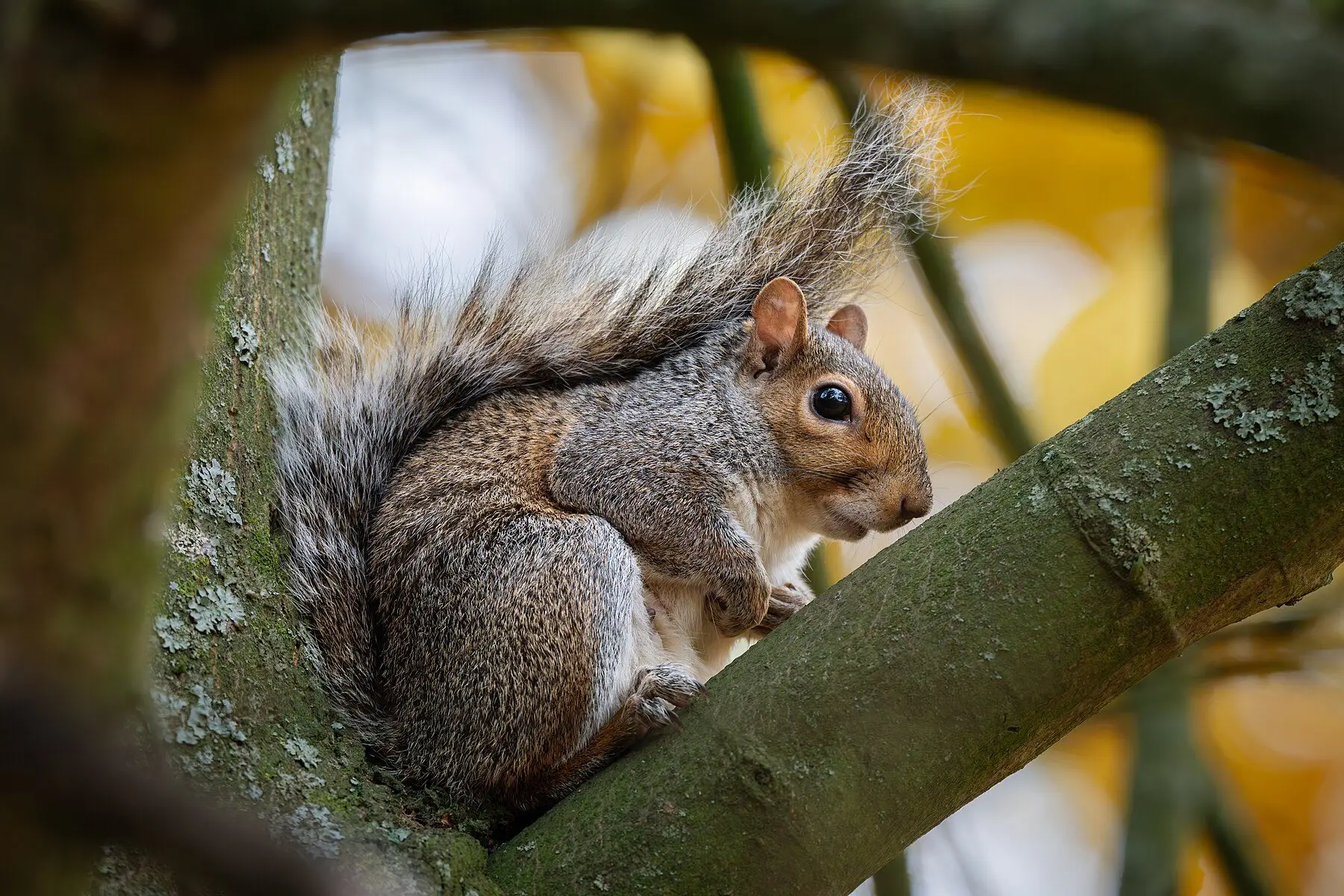
Do Squirrels Eat Bird Eggs? Yes, and Nestlings Too
Grey squirrels raid nests opportunistically, especially in spring when other food is scarce. How much it matters, and what actually protects a nest box.