
Can Opossums Jump? Barely — They Climb Instead
Opossums are poor jumpers and excellent climbers with a prehensile tail and opposable rear thumbs. What that means for fencing them out.
 By

On this page
An opossum barely jumps at all. It climbs — with hind thumbs and a prehensile tail — which changes entirely what a barrier has to do.
Climb or jump
| action | opossum |
|---|---|
| Vertical jump | negligible |
| Horizontal leap across a gap | no |
| Climbing a tree | yes, easily |
| Climbing chain link | yes |
| Climbing rough brick or timber | yes |
| Climbing smooth sheet with no rail | no |
| Digging its own burrow | rarely |
Where they actually get in
| access | fix |
|---|---|
| Under a deck or porch | buried steel mesh skirt |
| Under a shed | same, plus a check for occupants |
| Crawl space vent | metal vent cover |
| Over a rough fence | smooth face or outward lip |
| Via a bin or woodpile against a fence | move the bin |
Low body temperature, low rabies risk
Opossums run cooler than placental mammals of similar size, and rabies virus replicates poorly at that temperature. Rabies in opossums is genuinely rare — the hissing, drooling, open-mouthed display that alarms people is a bluff, not a symptom.
Deciding whether to exclude at all
- Eating ticks, slugs, beetles and rodents is a real benefit in most gardens
- Structural damage is rare; they occupy spaces rather than making them
- The genuine reasons: a den under a structure, bins raided, conflict with a dog
- All three are secured, not trapped — mesh, bin straps, bringing pet food in at night
- Relocation is often illegal and usually fatal to the animal
Check before you seal
Spring and summer dens hold young on the mother’s back. Loosely block the entrance with crumpled paper and watch for three nights: if it is pushed out, something is living there.
Common questions
Can opossums jump?
So how do they get everywhere?
Can an opossum climb a fence?
What actually keeps them out?
Can they get under things instead?
Are opossums worth excluding at all?
Backyard Weekly
Know what to plant, week by week
Join the weekly email for seasonal jobs, fixes for what is going wrong, and gear worth buying.
Not ready to subscribe? The planting calendar is free and needs no email.
By subscribing you agree to our privacy policy. Grow In Backyard will never sell your address.
Keep reading
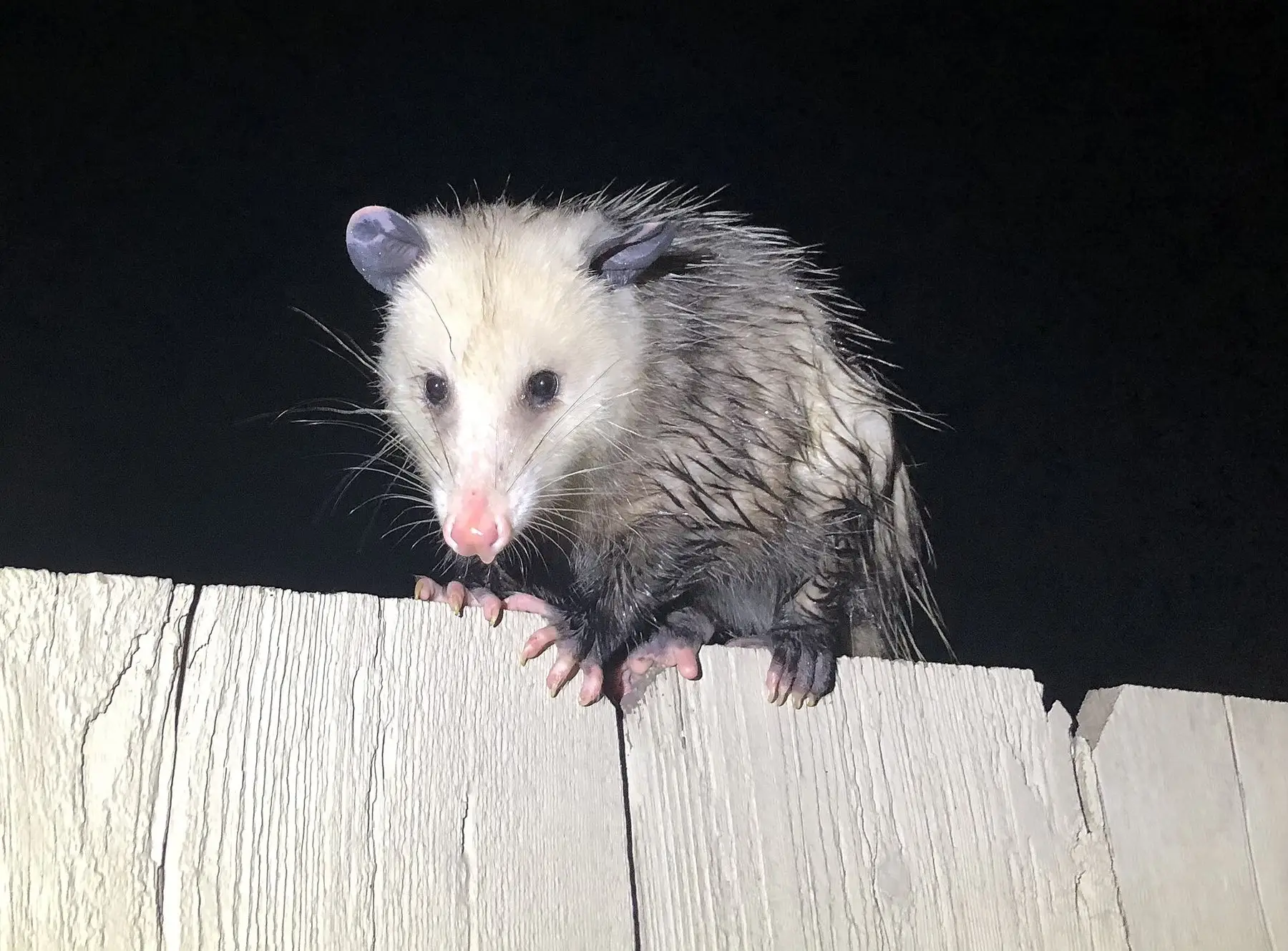
Can Possums Climb? Fences, Trees, and What Stops Them
Opossums are capable, deliberate climbers with a grasping tail built for it. What that means for fencing them out, and where they actually can't get a grip.
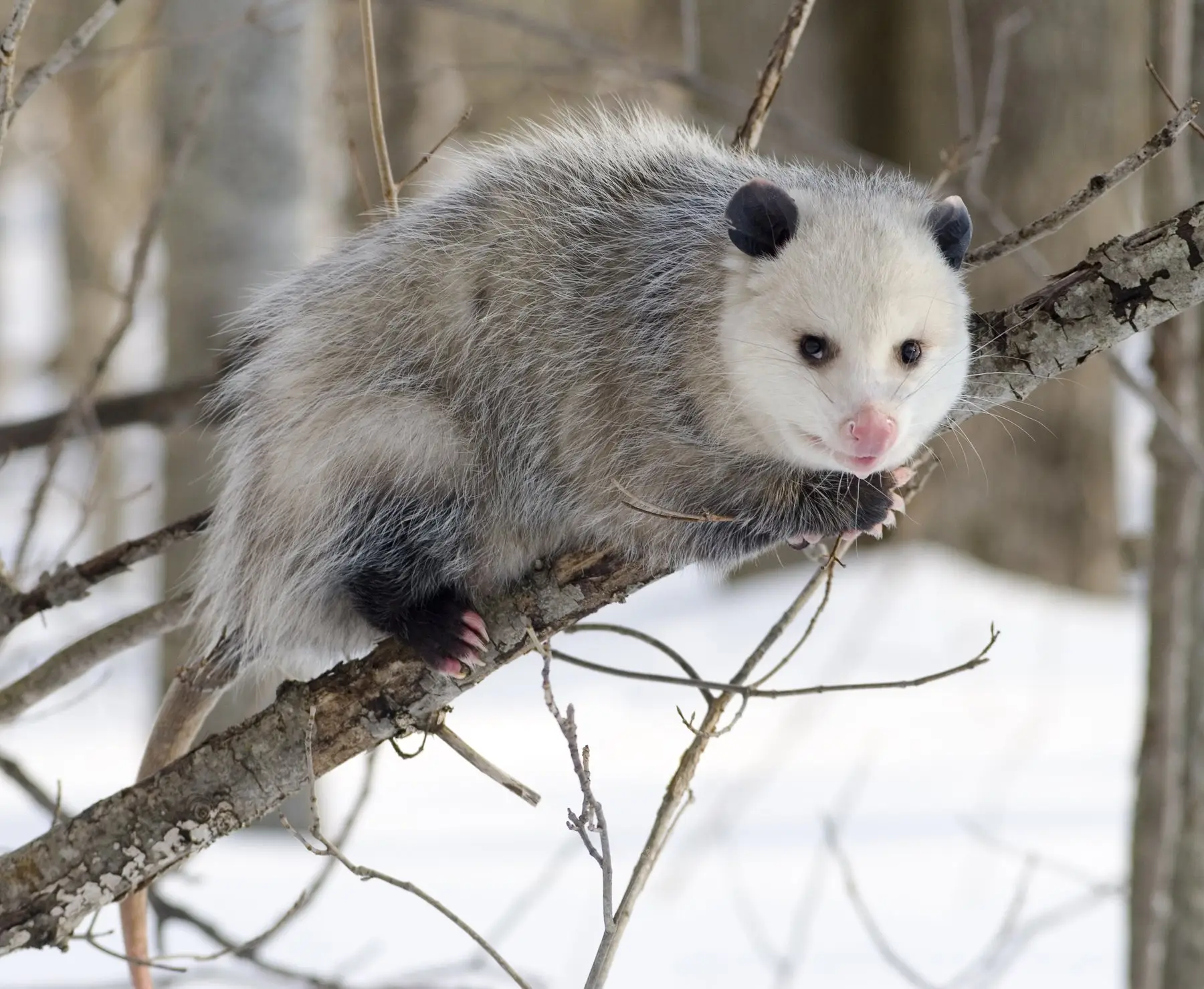
Do Possums Live Underground? Where Opossums Actually Den
They use burrows constantly and almost never make them. Whose holes they take, why they move every few days, and how to tell one from a groundhog's.
Why Do Possums Play Dead? And How Long It Lasts
Playing possum is an involuntary shock state, not a decision. Why it happens, how long it lasts, and what to do with one lying in your yard.
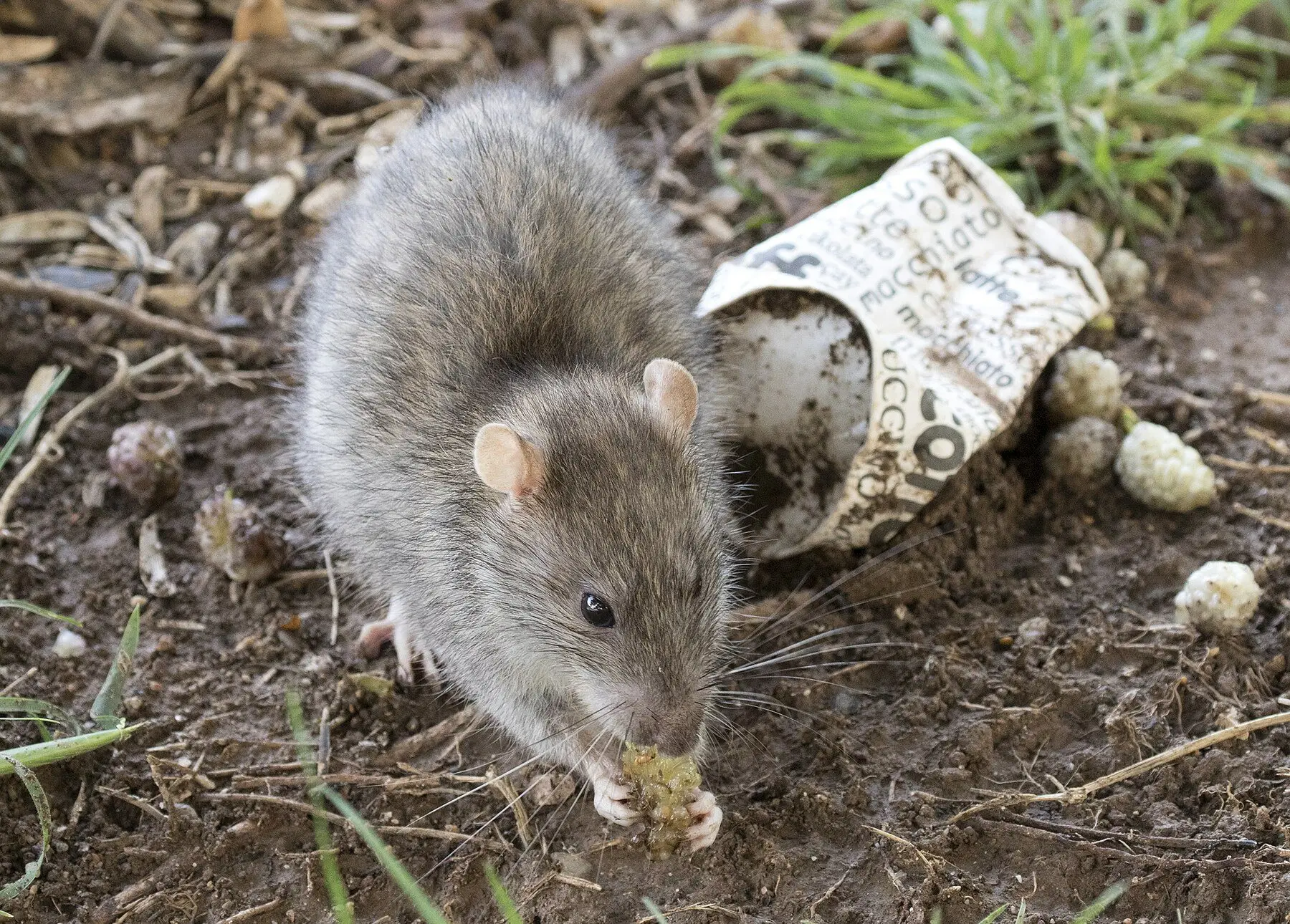
Can Rats Climb Walls? Brick and Pipes, Yes. Glass, No.
Rats climb rough vertical surfaces easily, jump three feet up and squeeze through a 20mm gap. What that means for sealing a house, and what actually stops them.