
Are Free Range Chickens Good for Your Yard? It Depends
Chickens clear ticks, grubs and weed seed — and shred mulch, dig craters and eat the vegetable bed. Where free ranging pays, and where it does not.
 By
On this page
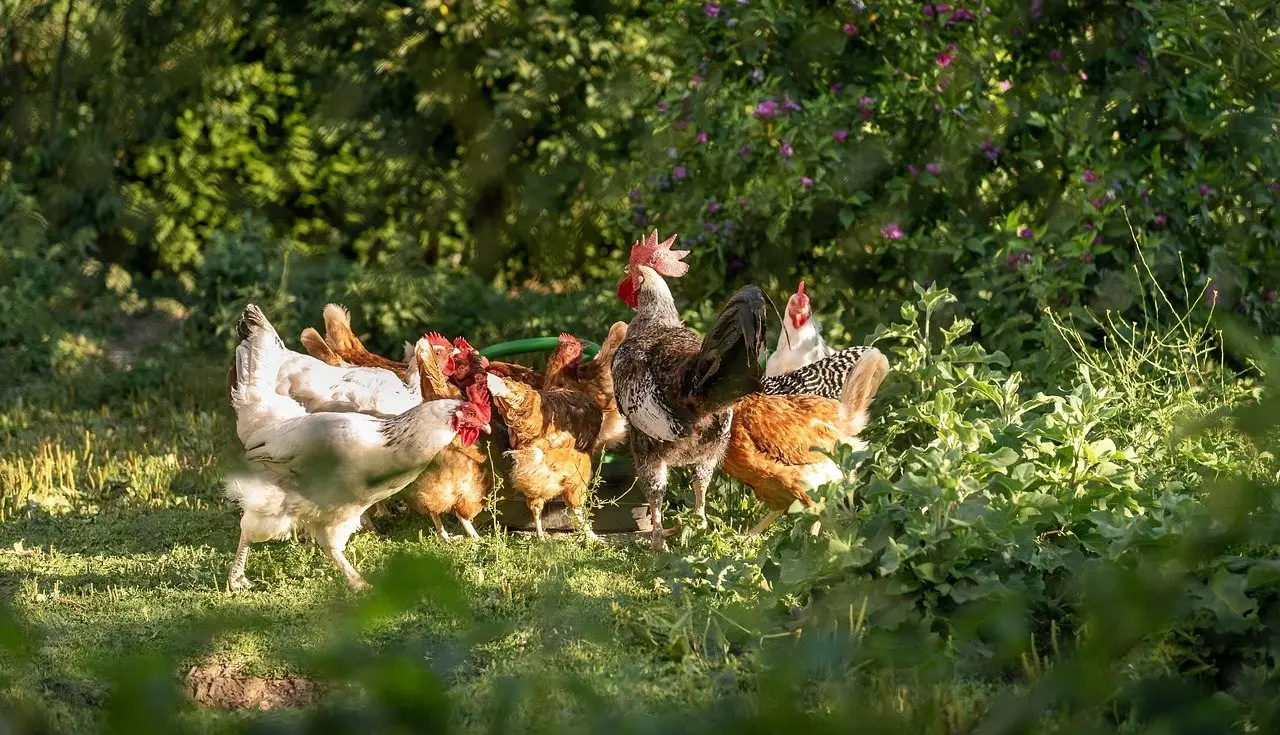
Free ranging is a stocking-rate question dressed up as a philosophy. The same six hens that improve a half acre will strip a small lawn to bare soil in a month.
What a flock gives and takes
| gives | takes |
|---|---|
| Tick, grub and slug reduction | Mulch scattered off beds |
| Weed seed eaten before it sets | Seedlings and soft leaves grazed |
| Windfall fruit cleared | Dust-bath craters in fine soil |
| Manure spread as they go | Manure on the patio too |
| Insect control around the margins | Bare patches at high stocking |
Space against outcome
| space per bird | result on grass |
|---|---|
| Under 5 m² | bare earth within weeks |
| 5–10 m² | thin, patchy, mud in winter |
| 10–25 m² | survives in summer, struggles in winter |
| 25 m² and up | holds year-round |
Heavy clay and winter rain both push these figures upward. A flock that is fine in July can puddle the same ground into mud by November.
Overhead cover is what keeps them alive
A hen on open lawn is visible to a hawk from a long way off. Shrubs, fruit trees, a deck or even a pallet on blocks give birds somewhere to dive, and that single change does more for free-range survival than any fence.
Practical middle grounds
- Fence the beds — 1.2 m poultry netting around the vegetable garden, birds loose elsewhere
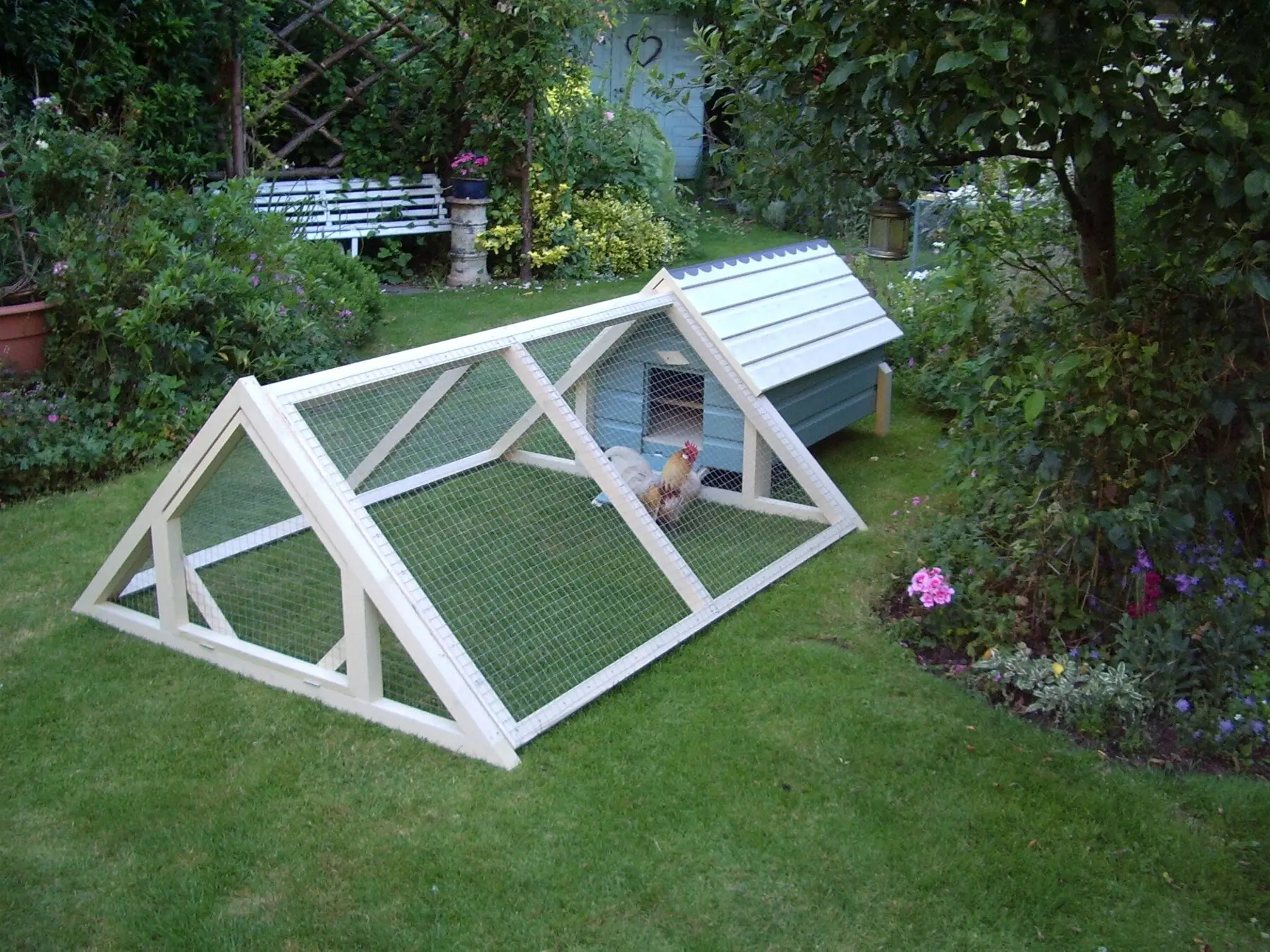
- Chicken tractor — floorless pen moved daily, fresh ground, no bald patches
- Timed ranging — out for the last two hours before roost, when they fill up and then go to bed
- Sacrifice area — one gravelled or wood-chipped zone they can wreck freely
- Dust bath provided — a tub of dry soil, sand and wood ash keeps the craters out of your borders
Last two hours is the cheap version
Letting the flock out only in the evening gets most of the foraging benefit with a fraction of the damage, because they feed hard, then head for the coop on their own at dusk with no herding.
Common questions
Do free range chickens help or harm a yard?
How much space does a chicken need to range without wrecking it?
Do chickens really eat ticks?
What will they destroy first?
Is there a middle option between free range and a run?
What about predators and neighbours?
Backyard Weekly
Know what to plant, week by week
Join the weekly email for seasonal jobs, fixes for what is going wrong, and gear worth buying.
Not ready to subscribe? The planting calendar is free and needs no email.
By subscribing you agree to our privacy policy. Grow In Backyard will never sell your address.
Keep reading
Backyard Chickens: What It Actually Takes
Space, cost, time, and the rules nobody mentions. An honest account of keeping backyard chickens before you buy the coop — including why the eggs are not free.
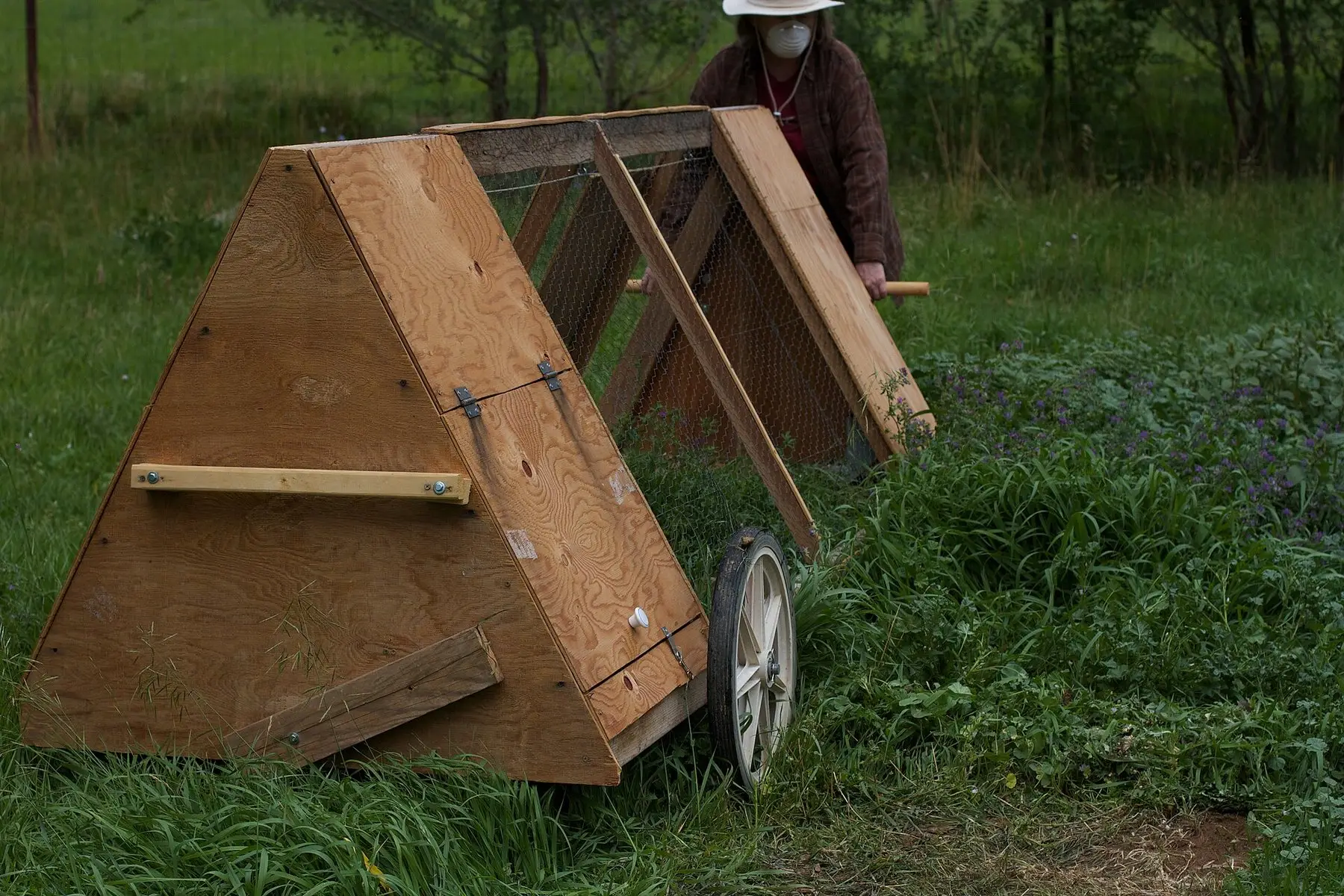
Chicken Tractors: Mobile Coop Plans That Actually Move
A chicken tractor gives hens fresh ground daily without fencing the yard. How to size one you can move alone, and the weight mistakes that strand it.
Can Chickens Eat Lawn Clippings? Only Fresh and Short
Fresh short clippings are fine in small amounts. Long clippings cause crop impaction, and a treated or mown-wet pile is genuinely dangerous.
Backyard Chickens and Bird Flu: Biosecurity That Is Realistic
Avian influenza reaches backyard flocks through wild birds. The practical steps that lower the risk, what to watch for, and who to call.