
Root Knot Nematode Treatment: What Works in a Home Garden
Root knot nematodes cannot be eradicated, only suppressed. Solarisation, resistant varieties, rotation and organic matter are the levers that work.
 By
On this page
Root knot nematodes are managed, not cured. Everything below is about keeping the population low enough that crops still produce.
Confirming it
| sign | detail |
|---|---|
| Root galls | Swollen beads integral to the root, cannot be rubbed off |
| Legume nodules | Smooth, detachable, pinkish inside — not nematodes |
| Above ground | Stunting, midday wilt in moist soil, yellowing from the base |
| Pattern | Patches within a bed, worsening year on year |
A soil assay through a local extension or agricultural lab gives species and population count, which decides how aggressive the response needs to be.
The five things that work
- Resistant varieties. The
Nin a tomato code such as VFN. Resistance weakens in very hot soil, so it is a reduction rather than immunity - Rotation. Sweetcorn, small grains and cereal rye are poor hosts. Avoid following tomatoes with peppers or squash
- Solarisation. Clear plastic, sealed at the edges, over moist cultivated weed-free soil, six to eight weeks at the hottest point of the year. Effective in hot climates, marginal in cool ones
- Marigolds as a cover crop. Tagetes varieties including Tangerine and Single Gold, sown densely for a full season and then incorporated. Scattered marigolds among vegetables do nothing
- Organic matter. Annual compost builds the predatory fungi, bacteria and nematodes that attack juveniles, and lets damaged roots cope
Keep the ground weed-free during fallow
Many common weeds host root knot nematodes, so a “resting” bed full of weeds is actually a bed growing the population. Bare fallow with regular cultivation, or a non-host cover crop, is the version that helps.
A three-year plan for a badly infested bed
- Year one: solarise through high summer, then a cereal rye cover crop over winter
- Year two: a dense marigold cover crop for the full season, incorporated in autumn; compost heavily
- Year three: resistant tomatoes or peppers, with compost, and rotate the susceptible crops out again the following year
What not to spend money on
- Nematicides for home use — the effective ones are restricted, and the garden-centre options do little
- Beneficial nematode products sold for grubs. Those are different species and do not control root knot
- Single marigolds planted between tomatoes — the suppression needs a full-season dense stand
Common questions
Can you get rid of root knot nematodes completely?
How do I know I have root knot nematodes?
Does soil solarisation kill nematodes?
Which plants resist root knot nematodes?
What crops should I avoid in infested soil?
Does adding compost help against nematodes?
Backyard Weekly
Know what to plant, week by week
Join the weekly email for seasonal jobs, fixes for what is going wrong, and gear worth buying.
Not ready to subscribe? The planting calendar is free and needs no email.
By subscribing you agree to our privacy policy. Grow In Backyard will never sell your address.
Keep reading
What Is Blight in Plants? Fast Death of Leaves and Stems
Blight is rapid tissue death from fungal or bacterial infection — not one disease. What separates it from wilt, rot, spot and mildew.
How to Grow Tomatoes: Determinate or Indeterminate First
That one word on the seed packet decides your spacing, your pruning, and your harvest shape. Then it is warmth, consistent water, and feeding at the right time.
How to Amend Clay Soil Without Tilling
Tilling clay breaks the structure you are trying to build. Compost on the surface, deep roots and time do the work instead — and it holds.
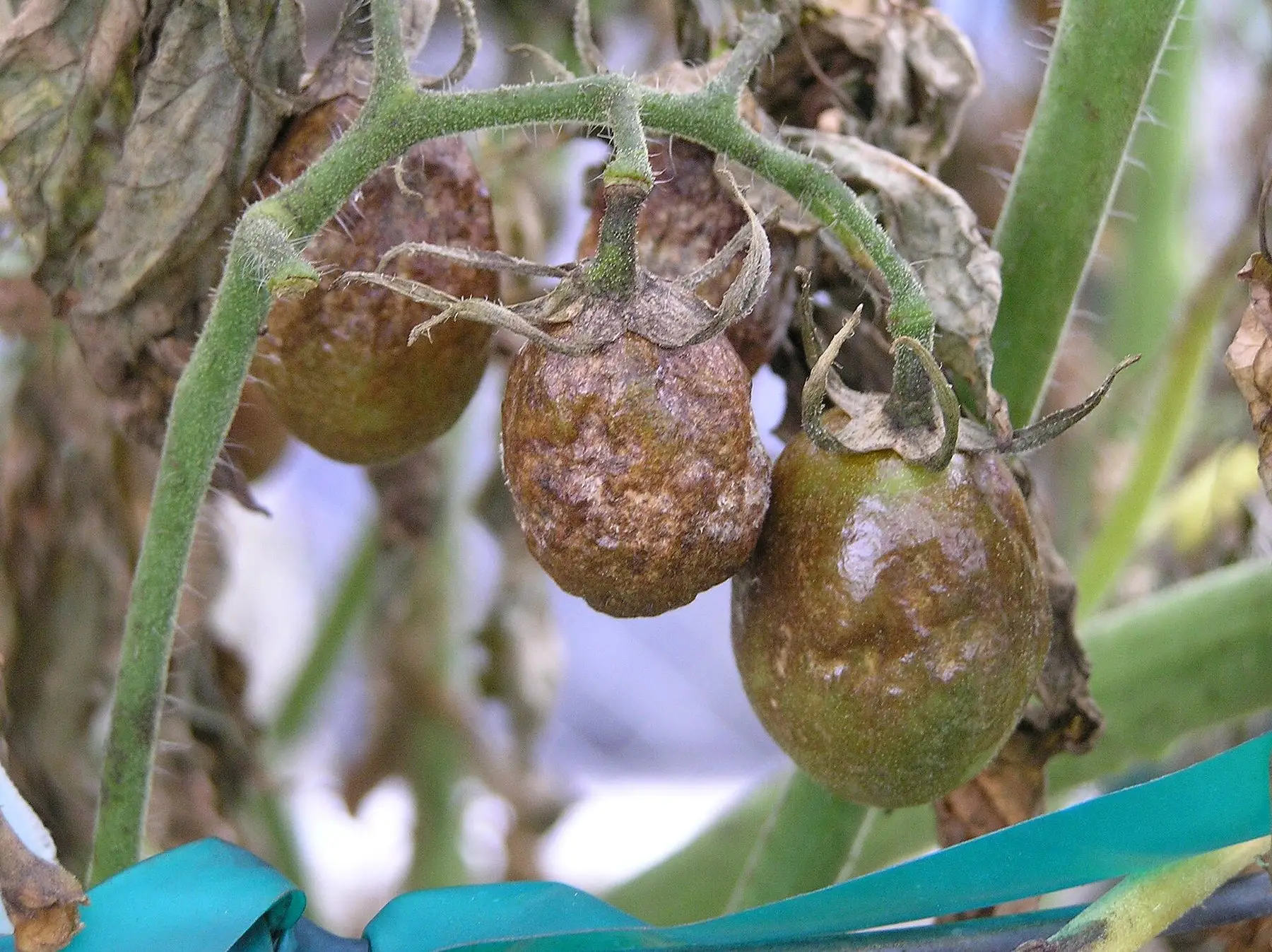
Tomato Blight: Telling Early From Late, and What to Do
Late blight destroys a plant in days and there is no cure. How to identify it against early blight, act fast enough to save the fruit, and prevent it next year.