
How to Tell When Acorn Squash Is Ripe: Four Checks
A ripe acorn squash has a hard rind, a dry corky stem, a deep orange ground spot and dull skin. Days to maturity and how to cure it.
 By
On this page
Four signs tell you, and all four need to agree. Days-to-maturity only tells you when to start looking.
The four checks
| check | not ready | ready |
|---|---|---|
| Rind | Thumbnail dents it | Thumbnail leaves no mark |
| Stem | Green, soft, fleshy | Dry, brown, corky |
| Ground spot | Pale cream or yellow | Deep orange |
| Skin | Glossy | Dull, matte |
Over-ripe, and why it matters
A fully ripe acorn squash stays dark green with an orange patch. If the whole fruit is turning orange it has been on the vine too long:
- Stringier texture
- Less sweetness, since sugars convert as the seeds mature
- Shorter storage life
It remains edible — use it soon rather than storing it.
Harvesting
- Cut, with a knife or secateurs, leaving one to two inches of stem
- Never pull or twist. A broken stem is the usual cause of storage rot
- Do not carry it by the stem
- Handle it like eggs. Invisible bruises become soft spots
- Wipe off soil with a dry cloth; do not wash it
Acorn squash is the one you do not cure
Butternut, hubbard and most winter squash improve with a week or two at 80 to 85 °F. Acorn squash loses sweetness and quality in heat. Give it a few days at room temperature to dry the skin, then move it straight to cool storage.
Storage
| condition | result |
|---|---|
| 50–55 °F, dry, good airflow, single layer | 1–2 months |
| Warm room | Weeks; quality falls |
| Refrigerated | Chilling injury; do not |
| Touching each other or stacked | Soft spots spread |
Check stored fruit weekly and use anything with a soft spot immediately.
If frost is coming
Harvest everything. Frost damage to the rind leads directly to storage rot. Use the immature fruit straight away — a half-ripe acorn squash cooks well as a summer squash.
Common questions
How do you know when acorn squash is ready to pick?
Does acorn squash turn orange when ripe?
How long does acorn squash take to mature?
Should acorn squash be cured before storing?
How should acorn squash be cut from the vine?
What if frost is forecast before they are ripe?
Backyard Weekly
Know what to plant, week by week
Join the weekly email for seasonal jobs, fixes for what is going wrong, and gear worth buying.
Not ready to subscribe? The planting calendar is free and needs no email.
By subscribing you agree to our privacy policy. Grow In Backyard will never sell your address.
Keep reading
When to Harvest Butternut Squash: Three Signs, Not One
Butternut picked early never sweetens and never keeps. The colour, the stem and the fingernail test, plus the curing that turns it from starchy to sweet.
When to Harvest Pumpkins: Three Signs, Not the Calendar
Rind hardness, stem colour and a hollow sound tell you it is ready. Why you must cut the stem rather than carry by it, and the curing that decides storage life.
Fast Growing Seeds: What Sprouts in Days, Not Weeks
Radish, cress, beans and sunflowers germinate in 2 to 5 days. A table by germination time and days to harvest, for gardens and for children.
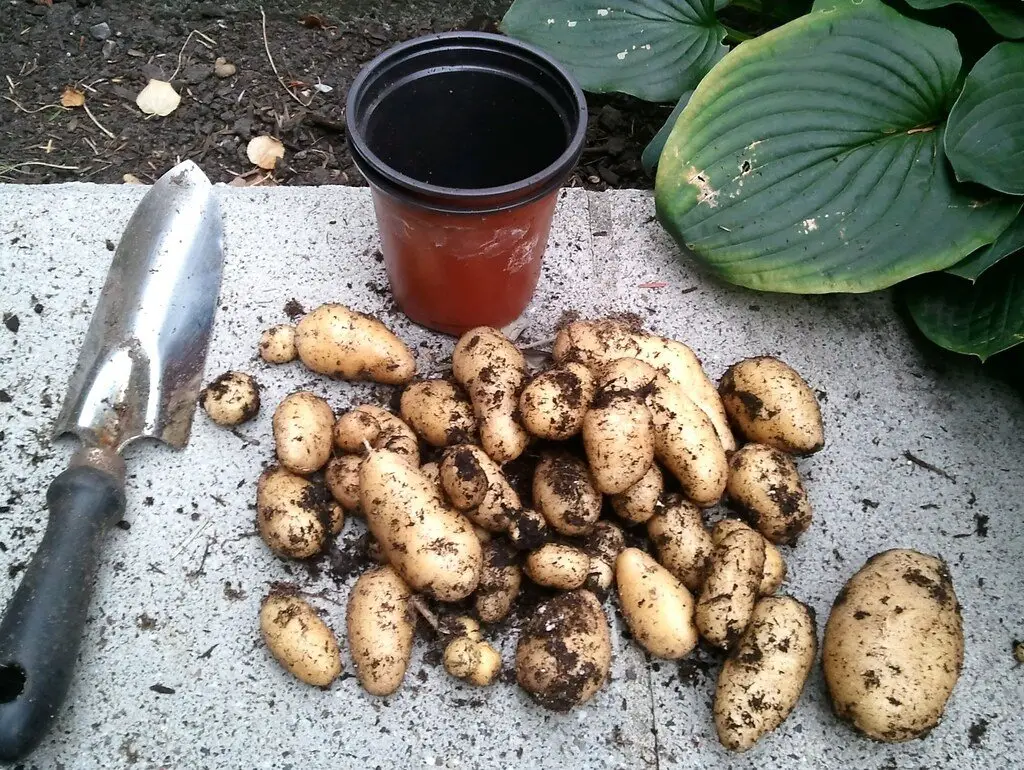
What Potato Plants Look Like When Ready to Harvest
Flowers mean new potatoes; yellowing, collapsing foliage means maincrop. How to read the plant above ground, and the two-week wait that makes them store.