
Fast Growing Seeds: What Sprouts in Days, Not Weeks
Radish, cress, beans and sunflowers germinate in 2 to 5 days. A table by germination time and days to harvest, for gardens and for children.
 By
On this page
Fast seeds share three traits: large or thin-coated, sown shallow, into warm moist soil. Those three explain the whole table below.
Germination speed
| seed | days to germinate |
|---|---|
| Cress | 1–3 |
| Mustard | 2–4 |
| Radish | 2–5 |
| Rocket / arugula | 3–5 |
| Pak choi | 3–5 |
| Beans (bush, runner) | 4–7 |
| Courgette / squash | 4–7 |
| Sunflower | 4–7 |
| Peas | 5–8 |
| Lettuce | 5–10 |
| Spinach | 6–10 |
| Nasturtium | 7–12 |
| Sweetcorn | 7–10 |
| Carrot | 14–21 |
| Parsley | 21–28 |
| Parsnip | 21–28 |
Seed to harvest
| crop | days to harvest |
|---|---|
| Cress on damp paper | 5–7 |
| Microgreens | 7–14 |
| Radish | 25–30 |
| Baby salad leaves | 25–35 |
| Rocket | 30–40 |
| Pak choi (baby) | 30–45 |
| Bush beans | 50–60 |
| Courgette | 50–60 |
| Spring onion | 60 |
| Nasturtium (flowers) | 50–60 |
| Calendula (flowers) | 50–60 |
For children
| seed | why it works |
|---|---|
| Cress | Days to germinate, a week to eat. Works on kitchen paper |
| Sunflower | Big seed, big result, measurable weekly |
| Radish | Sowing to pulling inside a month |
| Runner bean | Climbs fast enough to mark on a stick |
| Nasturtium | Reliable, and the flowers are edible |
Warmth, not soaking, is the lever
Most seeds germinate two to three times faster at their ideal soil temperature than at a cool one. A heat mat, a propagator lid or simply waiting two weeks later in spring beats any pre-soaking trick — though large hard seeds such as beans and nasturtium do gain a day from eight hours in warm water.
Why fast seeds sometimes are not
- Cold soil — the dominant factor for nearly everything
- Sown too deep. A quarter inch too far down stops small seed
- Surface dried out for a day mid-germination
- Old seed. Most vegetable seed loses vigour after two to three years
- Compacted or crusted surface, which seedlings cannot push through
Using them late in the season
Count back from your first frost date, add two weeks for slower autumn growth, and sow anything whose days-to-harvest fits: radish, rocket, cress, salad leaves, pak choi and spinach all make a crop in four to six weeks and fill the gaps as summer crops come out.
Common questions
What seeds germinate the fastest?
What is the quickest thing to grow from seed to harvest?
What are the best fast seeds for children?
Does soaking seeds make them germinate faster?
Why are my fast seeds taking ages?
Can I sow fast seeds late in the season?
Backyard Weekly
Know what to plant, week by week
Join the weekly email for seasonal jobs, fixes for what is going wrong, and gear worth buying.
Not ready to subscribe? The planting calendar is free and needs no email.
By subscribing you agree to our privacy policy. Grow In Backyard will never sell your address.
Keep reading
How to Harvest Lettuce So It Grows Back Again
Cut-and-come-again gets three or four crops from one sowing, but only if you cut above the growing point. Where that is, and why lettuce turns bitter.
Bell Pepper Germination Time: 7 to 14 Days With Heat
Peppers germinate in 7 to 14 days at 80 to 85 °F and can take a month at room temperature. Why bottom heat is the whole answer.
Best Soil for Seedlings: Fine, Sterile and Low in Nutrients
Seedlings need a fine, sterile, low-nutrient mix that holds moisture without staying wet. Why garden soil and standard compost both fail.
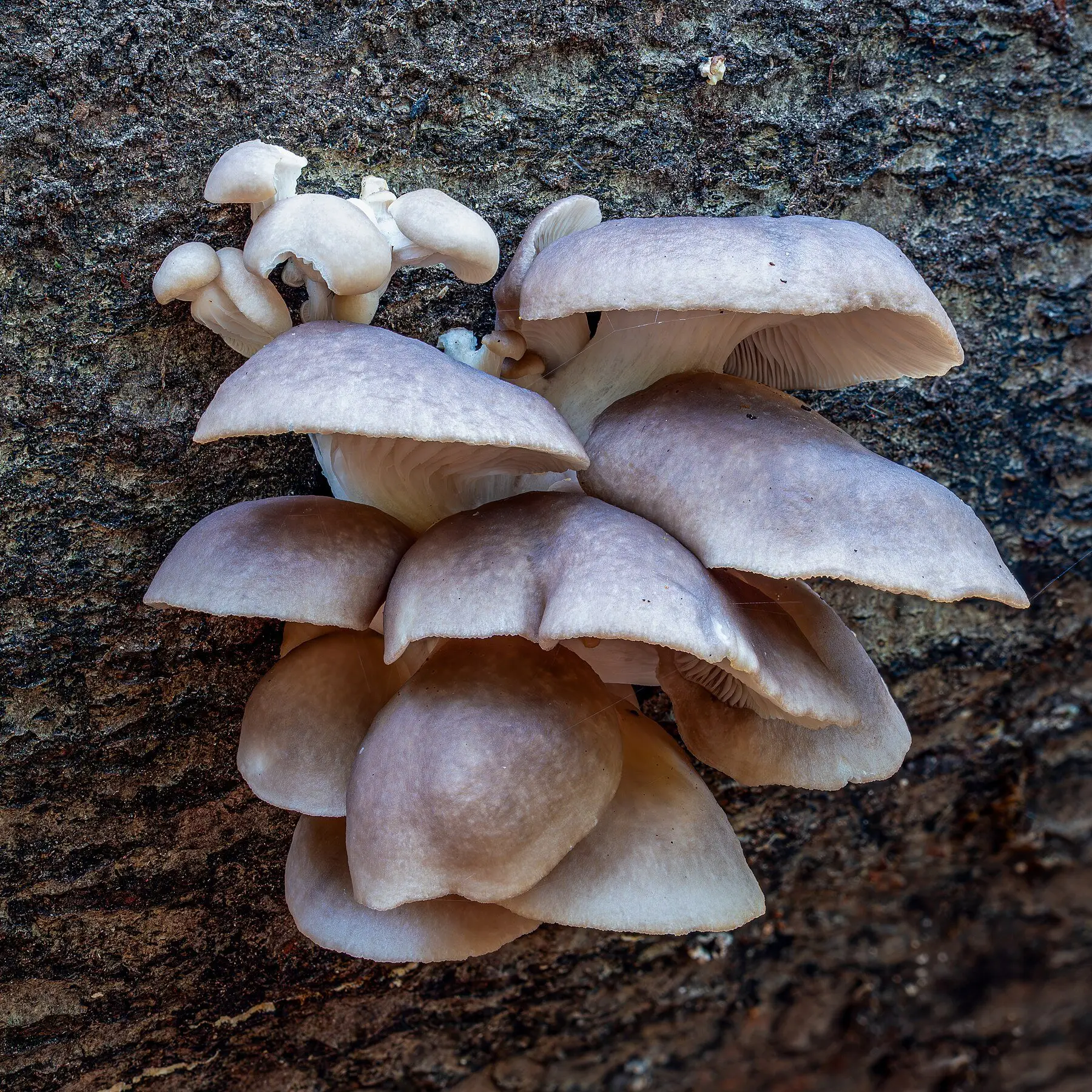
Growing Mushrooms at Home: Which Method, and Why
Oyster mushrooms on a kit crop in three weeks. Substrates, sterile versus pasteurised, humidity, and the contamination that ends most attempts.