
Cover Crop for Raised Beds: Which Ones Suit a Small Bed
Most cover crop advice assumes a field and a tractor. What works in a four-by-eight bed, how to kill it without digging, and the timings that matter.
 By

On this page
Most cover crop advice assumes a field, a mower and a tractor. In a four-by-eight bed the binding constraint is how you kill it, not how much biomass it makes.
Which crop, by what you want
| Crop | Gives | Termination | Small-bed verdict |
|---|---|---|---|
| Oats | Organic matter, weed suppression | Winter-kills | Best for cold regions |
| Crimson clover | Nitrogen, flowers for bees | Cut before seed | Excellent |
| Field peas | Nitrogen, fast | Cut, easy | Good, short season |
| Buckwheat | Fast summer gap filler | Cut at flowering | Good — 4–6 weeks only |
| Winter rye | Most biomass, deep roots | Hard without machinery | Avoid in small beds |
| Hairy vetch | Nitrogen, lots | Can become weedy | Only if you will manage it |
| Phacelia | Pollinators, biomass | Frost-kills in cold areas | Good |
Terminating without digging
- Let frost do it — oats, buckwheat, phacelia in cold regions. Nothing to do
- Cut at the base before seed set, leave residue on the surface as mulch
- Occultation — cardboard or a tarp over the bed for two to four weeks
- Wait two to three weeks before planting into the residue, longer for woody material
Never let it set seed
This is how a cover crop becomes a weed. Rye, vetch and buckwheat all self-seed readily, and a bed that seeded itself in autumn is a weeding job next spring.
Cut at flowering, before seed forms. If you miss the window, remove the top growth rather than leaving it in place.
Timing in a small bed
- Sow into gaps as crops finish, not after the whole bed clears — waiting is how sowings end up too late
- Four to six weeks before first hard frost for a winter crop
- Buckwheat for summer gaps — four to six weeks from sowing to flowering
- Terminate two to three weeks before planting the next crop
The honest alternative
Three inches of compost over a bare bed achieves most of the winter protection with none of the termination work. Cover crops add living roots, weed suppression and — with legumes — nitrogen. If you want those, sow; if you only want the soil covered, mulch.
Common questions
What is the best cover crop for raised beds?
Do raised beds need cover crops?
How do I kill a cover crop without digging?
When should I sow a cover crop in a raised bed?
How long before planting should I terminate a cover crop?
Will a cover crop make my soil nitrogen-rich?
Backyard Weekly
Know what to plant, week by week
Join the weekly email for seasonal jobs, fixes for what is going wrong, and gear worth buying.
Not ready to subscribe? The planting calendar is free and needs no email.
By subscribing you agree to our privacy policy. Grow In Backyard will never sell your address.
Keep reading
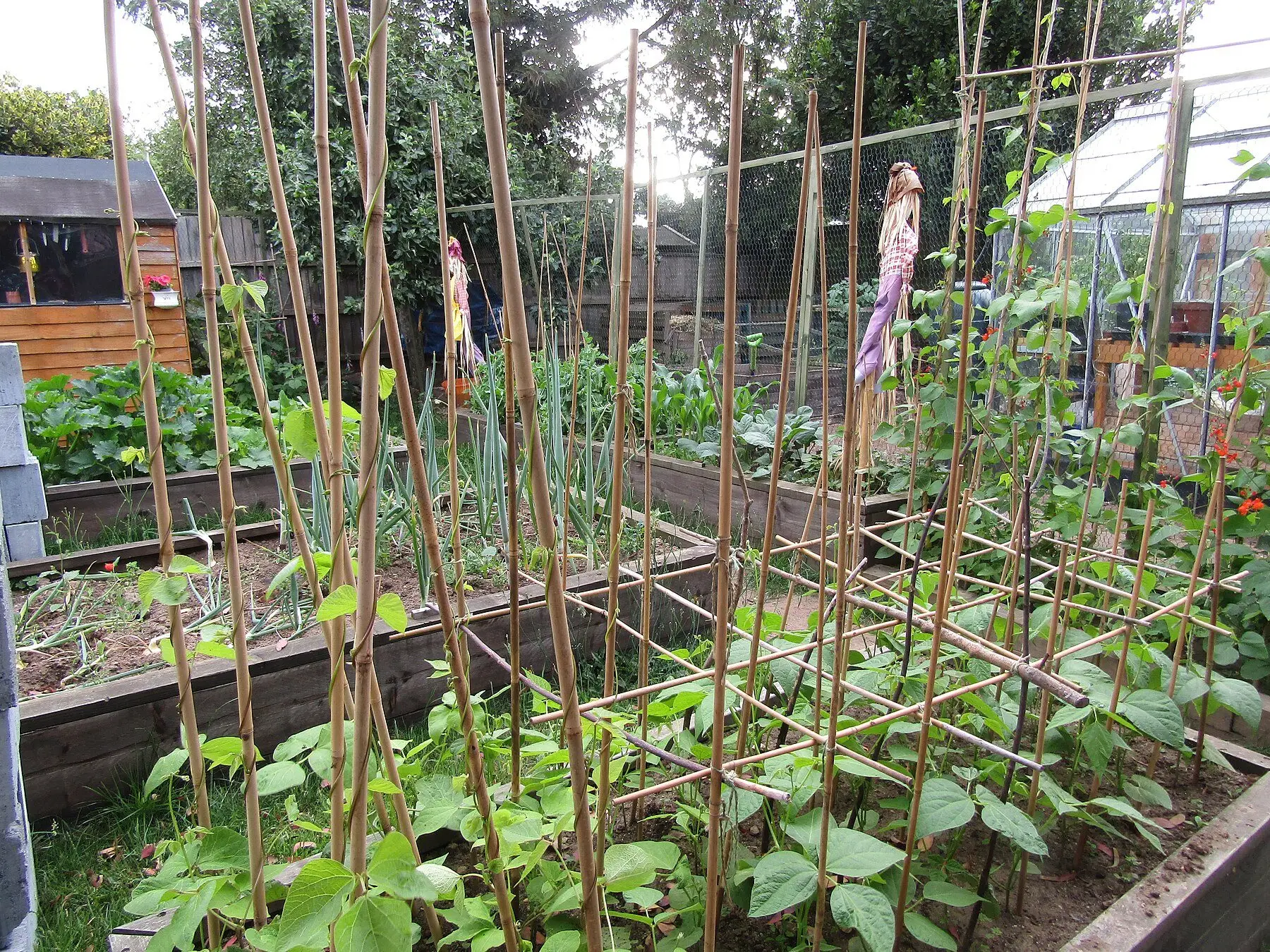
How to Fill a Raised Garden Bed (Without Spending a Fortune)
What to put in the bottom, the soil mix that actually works, and why hugelkultur layering is a good idea in a deep bed and a bad one in a shallow bed.

How to Make Compost Step by Step: Greens, Browns and Air
Compost needs roughly two parts browns to one part greens, moisture like a wrung sponge, and turning. Get those three right and the rest follows.

Vegetable Garden Ideas for Small Spaces That Actually Yield
A small plot wastes space on the wrong crops. What returns most per square foot, how to go vertical, and the succession that doubles a season.
Cucumber Types: Slicing, Pickling, Burpless and Greenhouse
Cucumbers split into four groups that need different handling. Which to grow outdoors, which need glass, and why some turn bitter.