
Apple Cider Vinegar for Plants: What It Does and Does Not
ACV will not acidify soil usefully or feed plants. Where it genuinely works — fruit fly traps, cleaning pots — and where it damages.
 By
On this page
Apple cider vinegar has three real garden uses and a long list of claimed ones that do not hold up. The difference is worth knowing before you pour it on a bed.
The claims, assessed
| claim | verdict |
|---|---|
| Lowers soil pH for blueberries | No — brief, reverts, damages roots |
| Acts as a fertilizer | No — no NPK |
| Kills weeds | Partly — top growth only, non-selective |
| Traps fungus gnats and fruit flies | Yes — with a drop of soap |
| Controls powdery mildew | Marginal; potassium bicarbonate is better |
| Cleans pots and tools | Yes |
| Tests for alkaline soil | Yes, roughly — fizzing means carbonates |
| Deters cats or pests | No reliable effect |
The gnat trap, which does work
- A shallow dish of apple cider vinegar
- One drop of dish soap, which breaks the surface tension so insects sink
- Set it on the soil surface near the affected pot
- Replace every few days
This catches adults only. The larvae in the compost are what damage roots, so also:
- Let the top inch dry between waterings
- Top-dress with horticultural grit so adults cannot reach the compost to lay
- Drench with Bti if the infestation is established
For acid-loving plants, use the right material
Blueberries, rhododendrons and camellias need a durable pH change. Elemental sulfur works slowly and lasts; ericaceous compost and rainwater is the practical route in containers. Vinegar drenches achieve neither and set back the soil biology.
If you want to use it on weeds
- Paving, gravel and cracks only — not planted beds
- Hot, dry, still day for the strongest burn
- Horticultural strength (20–30%) needs gloves and eye protection
- Expect perennials to regrow — the roots are untouched
- Repeated use acidifies the surface, which matters if you later plant there
Common questions
Does apple cider vinegar lower soil pH?
Can apple cider vinegar be used as fertilizer?
Does apple cider vinegar work on fungus gnats?
Will vinegar kill weeds in a border?
Is apple cider vinegar safe to spray on leaves?
Where is apple cider vinegar actually useful in a garden?
Backyard Weekly
Know what to plant, week by week
Join the weekly email for seasonal jobs, fixes for what is going wrong, and gear worth buying.
Not ready to subscribe? The planting calendar is free and needs no email.
By subscribing you agree to our privacy policy. Grow In Backyard will never sell your address.
Keep reading
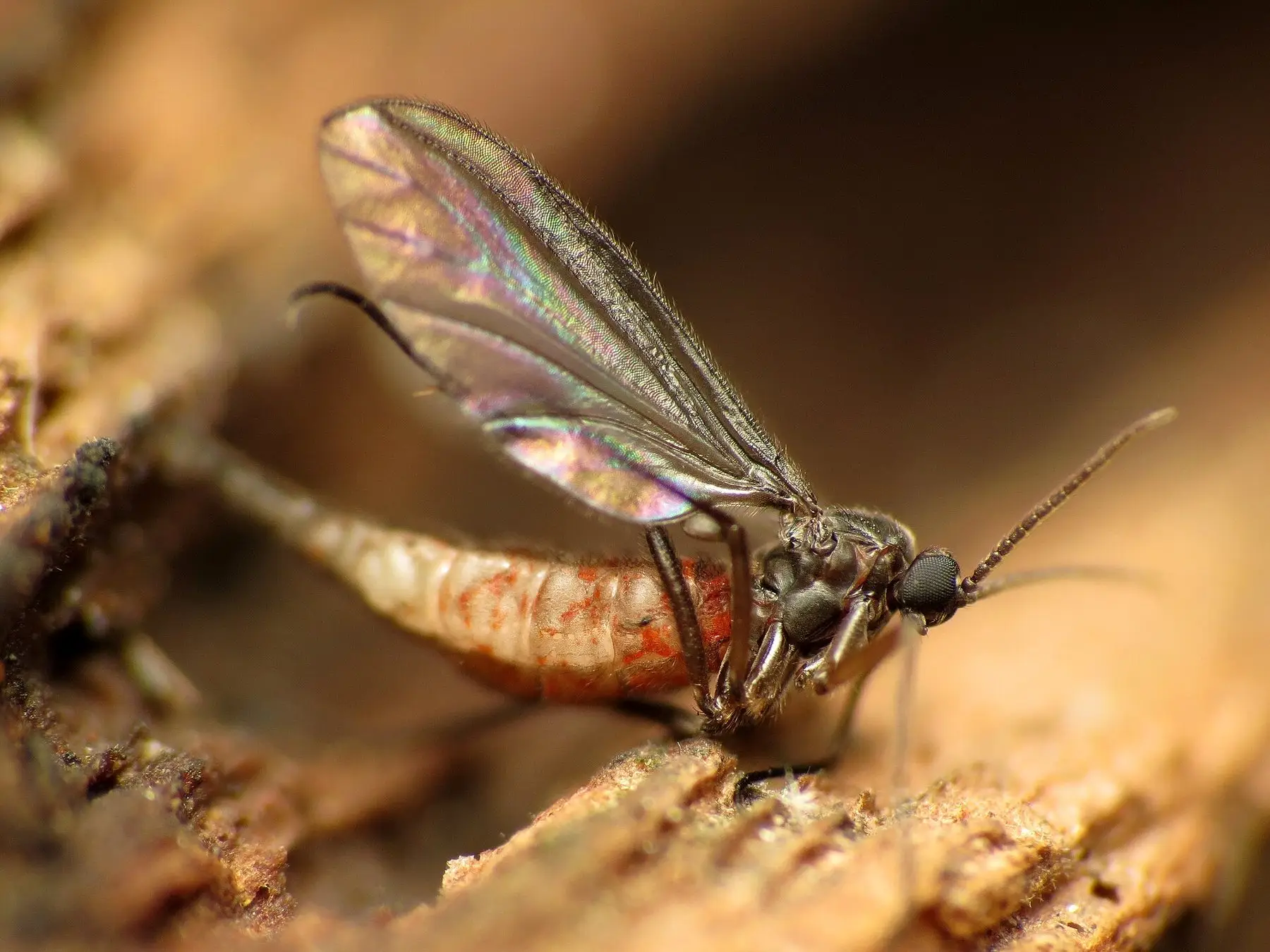
Fungus Gnats: Kill the Larvae, Not the Flies You See
The adults are harmless; the larvae in the top inch of compost are what damage roots. Why letting the surface dry works, and what actually breaks the cycle.
Does Vinegar Kill Weeds — 4 Checks on What It Misses
Does vinegar kill weeds down to the root, or only the leaves? Only the leaves, and 4 checks cover strength, gear and perennials. See where it earns use.
Soil pH for Plants: A Chart of Preferred Ranges
Most garden plants want pH 6.0 to 7.0, but blueberries, azaleas and brassicas sit well outside it. A reference table by crop and ornamental.
Are Cherry Tomatoes Determinate or Indeterminate? Both
Cherry tomato is a fruit size, not a growth habit. How to tell which you have, why it decides pruning and support, and the common varieties in each group.