
How Hot Do Fire Pits Get? Temperatures and Safe Distances
A wood fire pit runs 600 to 1,100 °F at the flame and radiates enough heat to scorch decking. The numbers that decide clearances.
 By
On this page
A wood fire pit runs 600 to 1,100 °F, and the number that matters for your deck is not the flame temperature but the radiant heat downward and sideways.
Temperature ranges
| source | flame / coal temperature |
|---|---|
| Softwood fire | ~600–900 °F |
| Hardwood fire, established | ~800–1,100 °F |
| Charcoal | ~700–1,000 °F |
| Propane fire pit | ~1,000 °F flame, far less radiant |
| Natural gas fire pit | Similar to propane |
| Smokeless secondary-burn pit | Hotter burn, cleaner, hot exterior |
Clearances
| from | typical minimum |
|---|---|
| House or structure | 10–25 ft |
| Fence or property line | 10 ft |
| Overhead canopy, eaves, branches | 10–25 ft vertical |
| Vehicles, fuel, propane cylinders | 10 ft+ |
| Seating | 2–3 ft from the rim |
These are commonly code requirements rather than suggestions, and insurers ask about them after a claim. Check locally.
Charring happens below ignition temperature
Timber does not need to reach flame temperature to be damaged. Sustained radiant heat chars and weakens decking, and repeated cycles lower the temperature at which it will eventually ignite. A pit that “seemed fine last summer” is not evidence of a safe arrangement.
Protecting surfaces
- Decking: a heat shield or fire-pit pad rated for the purpose, plus legs lifting the bowl clear. Better still, use propane
- Concrete: never light directly on a slab. A sand or lava-rock base in the bowl plus a pad underneath reduces spalling
- Pavers: more tolerant than poured concrete, still not immune
- Grass: a pit on legs plus a paver base; radiant heat kills turf in a circle regardless
- Gravel or sand: the safest surface there is
Shutting down safely
- Let it burn down rather than smothering a hot fire
- Douse with water and stir the ash, then douse again
- Feel for heat with a hand held above, not in, the ash
- Never leave it unattended until cold
- Store ash in a lidded metal can, away from the house, for several days before disposal
Common questions
How hot does a wood fire pit get?
How far should a fire pit be from a house or fence?
Can you put a fire pit on a wooden deck?
Will a fire pit crack a concrete patio?
Does a propane fire pit get as hot as wood?
How long does a fire pit stay dangerous after burning?
Backyard Weekly
Know what to plant, week by week
Join the weekly email for seasonal jobs, fixes for what is going wrong, and gear worth buying.
Not ready to subscribe? The planting calendar is free and needs no email.
By subscribing you agree to our privacy policy. Grow In Backyard will never sell your address.
Keep reading
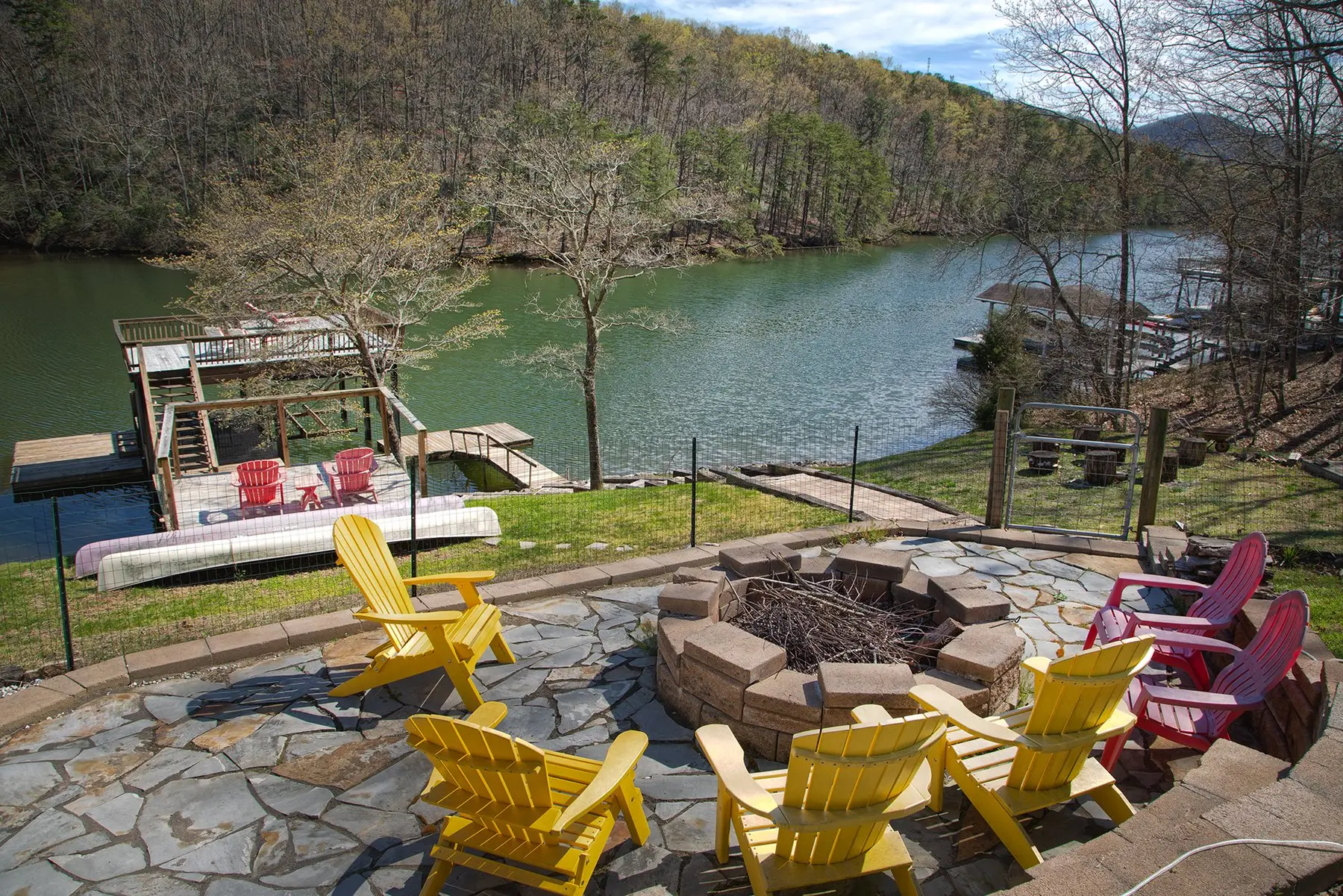
How a Smokeless Fire Pit Works (and Its Real Limits)
A smokeless fire pit burns the smoke rather than venting it, using a double wall and a second ring of air. Here is the mechanism, and when it stops working.

Fire Pit on a Deck: What Is Safe and What Is Not
A wood fire pit on a wooden deck is a bad idea whatever you put under it. What actually works on decking, and the clearances that make it survivable.
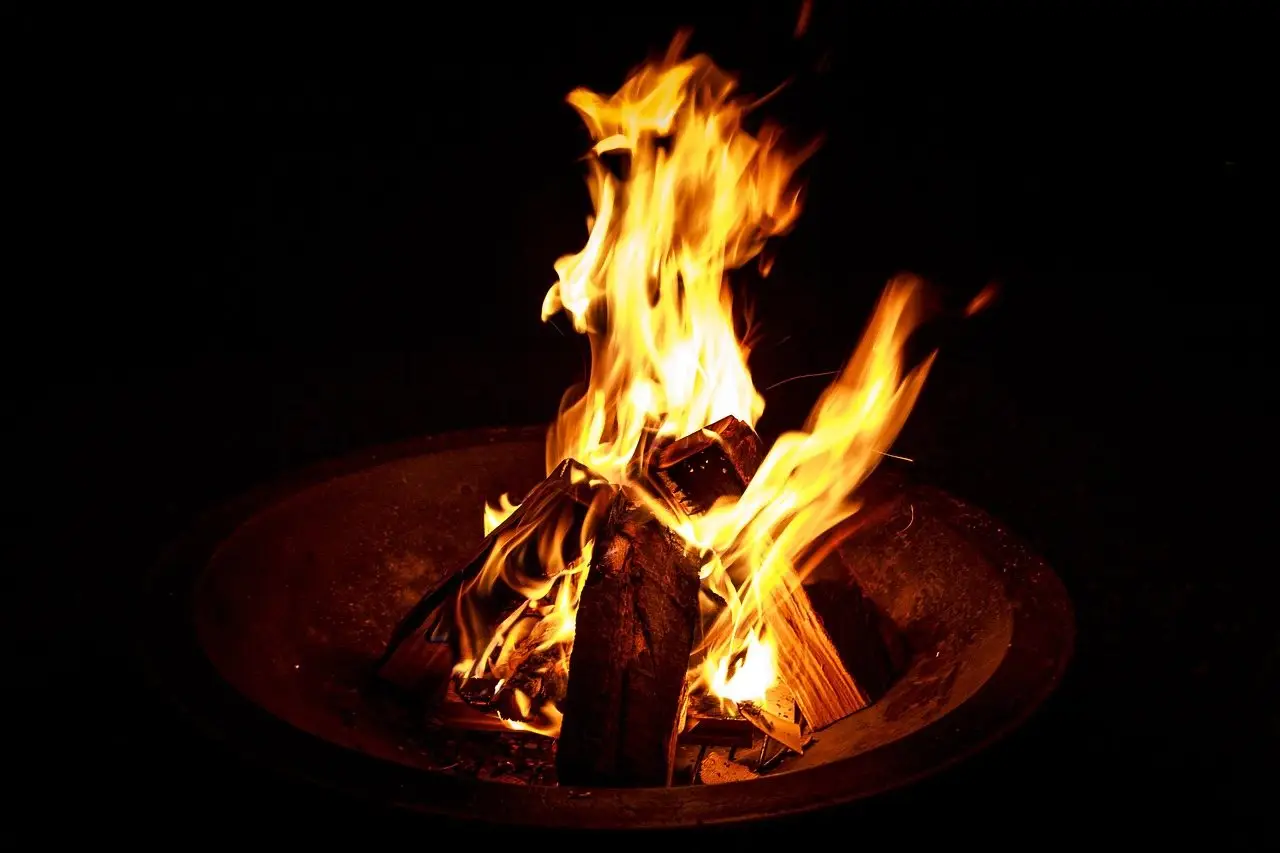
What to Put Under a Fire Pit: Match It to the Surface
Grass, a wooden deck, pavers and gravel each need a different answer. Radiant heat and ember fall are two separate problems, and only one is obvious.
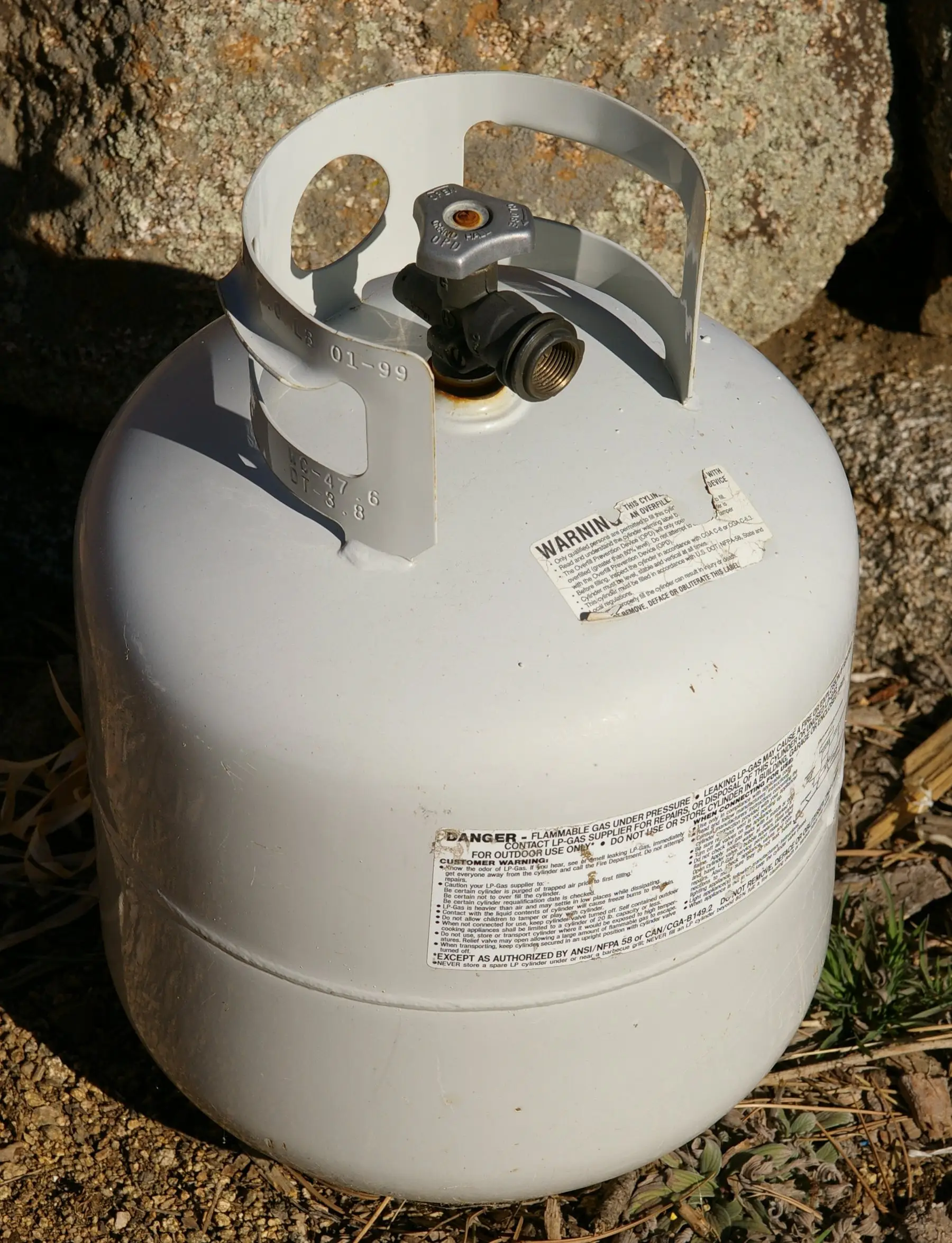
How Long Does a Propane Tank Last for a Fire Pit?
A 20 lb tank holds about 430,000 BTU. Divide by your pit's BTU rating and you have the answer — usually four to ten hours. The arithmetic, worked.