
Brush Cutter vs String Trimmer: Which One You Need
A string trimmer cuts grass and soft weeds. A brush cutter takes a metal blade through saplings and brambles. Where the line actually falls.
 By
On this page
The line between them is woody stems. Nylon line handles green growth; past about half an inch of woody stem you need a blade and a machine built to carry one.
Side by side
| string trimmer | brush cutter | |
|---|---|---|
| Cutting head | Nylon line | Rigid metal blade |
| Handles | Grass, soft weeds, edging | Brambles, saplings, scrub |
| Shaft | Curved or straight | Straight, always |
| Handle | Loop or D-handle | Wide bike handlebar |
| Harness | Optional | Essential |
| Typical engine | 20–30 cc or cordless | 30–50 cc or high-output cordless |
| Weight | 8–12 lb | 15–25 lb |
| Kickback | Minimal | Significant |
Blade selection
| blade | for |
|---|---|
| 3- or 4-tooth | Dense grass, bracken, soft weeds |
| 8-tooth | Tough weeds, light scrub |
| 40-tooth / chisel | Woody stems, saplings to ~2 in |
| Circular saw style | Small trees — specialist use, high risk |
The curved-shaft rule is not negotiable
A curved shaft brings the cutting head close to your own feet and has no harness mount. Manufacturers do not approve blades on them, and an adapter being available does not make it safe.
Choosing for your yard
- Lawn edges, soft weeds, a tidy garden → string trimmer, cordless is fine
- Long rough grass, nettles, a paddock edge → straight-shaft trimmer with heavy line, or a convertible
- Brambles, saplings, a reclaimed boundary → brush cutter, or hire one for the clearance
- One-off clearance only → hire. These machines are heavy, loud, and sit unused for years
Safety kit for blade work
- Harness, correctly adjusted so the blade sits level just off the ground
- Steel-toe boots
- Chainsaw-grade trousers or chaps
- Gloves, eye protection, hearing protection
- Fifty-foot exclusion zone — a blade throws stones a long way
Common questions
What is the difference between a brush cutter and a string trimmer?
Can a string trimmer cut brush?
Do I need a brush cutter for my yard?
What blade should a brush cutter have?
Is a brush cutter dangerous to use?
What about a convertible machine?
Backyard Weekly
Know what to plant, week by week
Join the weekly email for seasonal jobs, fixes for what is going wrong, and gear worth buying.
Not ready to subscribe? The planting calendar is free and needs no email.
By subscribing you agree to our privacy policy. Grow In Backyard will never sell your address.
Keep reading
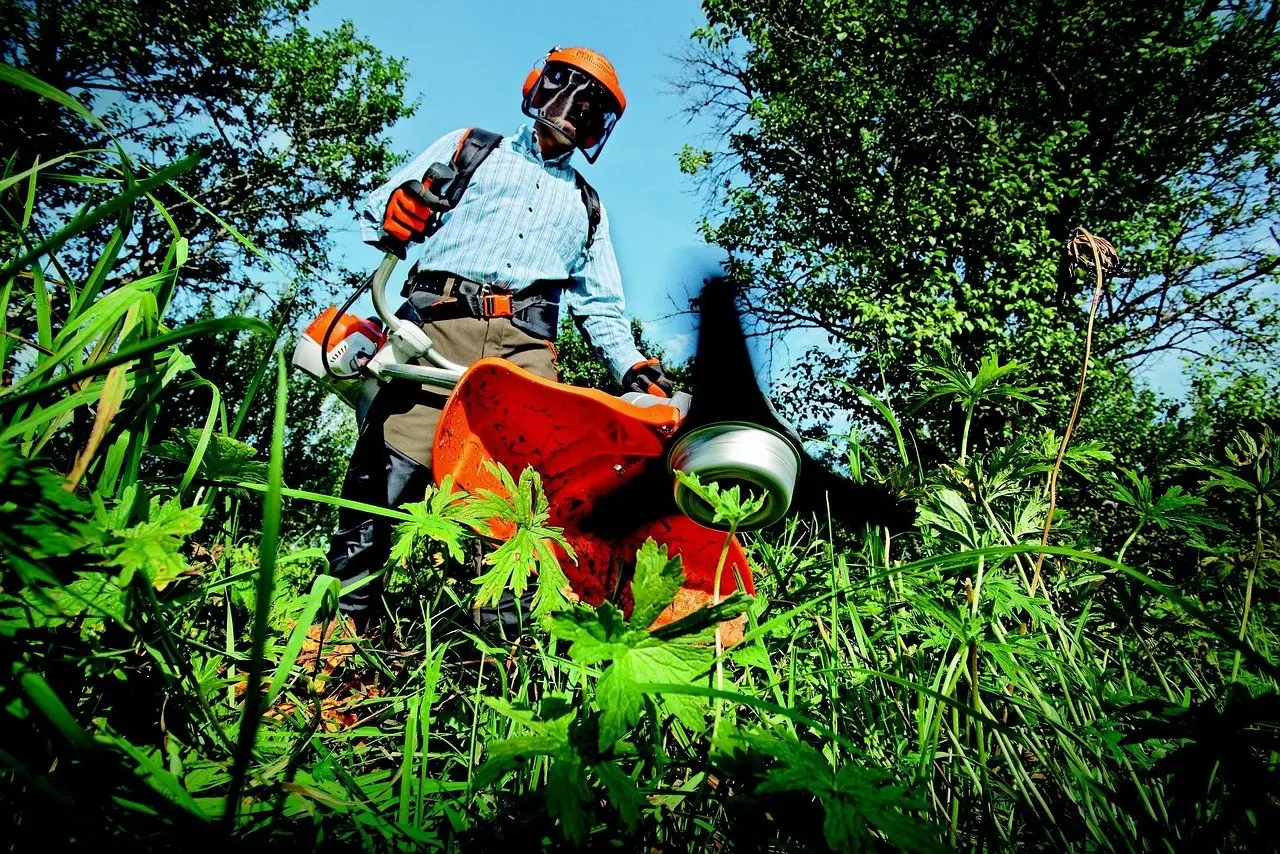
Best Electric Brush Cutter: Voltage, Blade and Harness
Cordless brush cutters now clear real brush if you buy enough voltage and a straight shaft. What matters, and what the specs do not tell you.
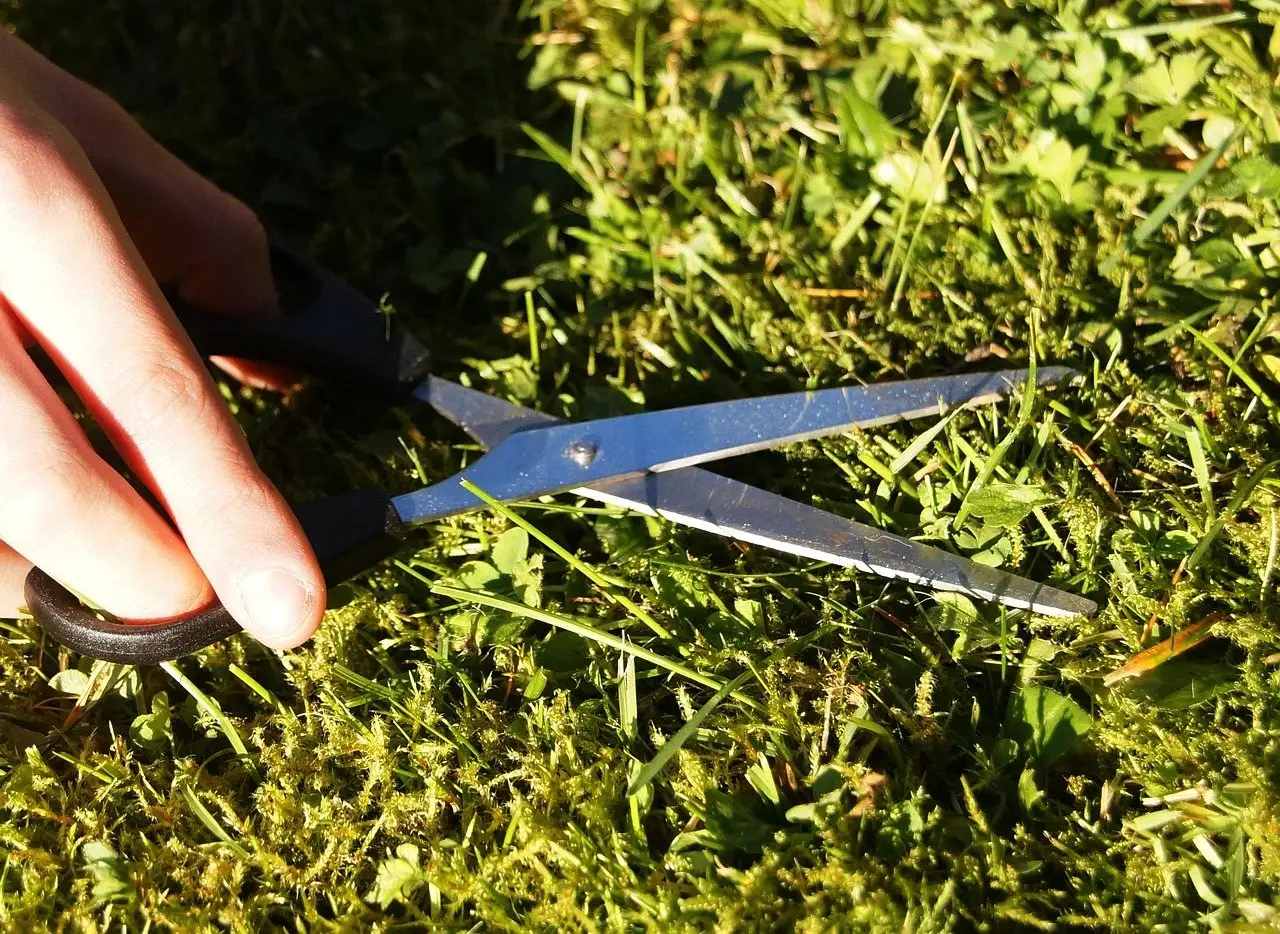
How to Cut Grass Without a Mower: Five Working Methods
A string trimmer, scythe, shears, sickle or grazing animals will all cut grass. Which suits which job, and how to get an even finish by hand.
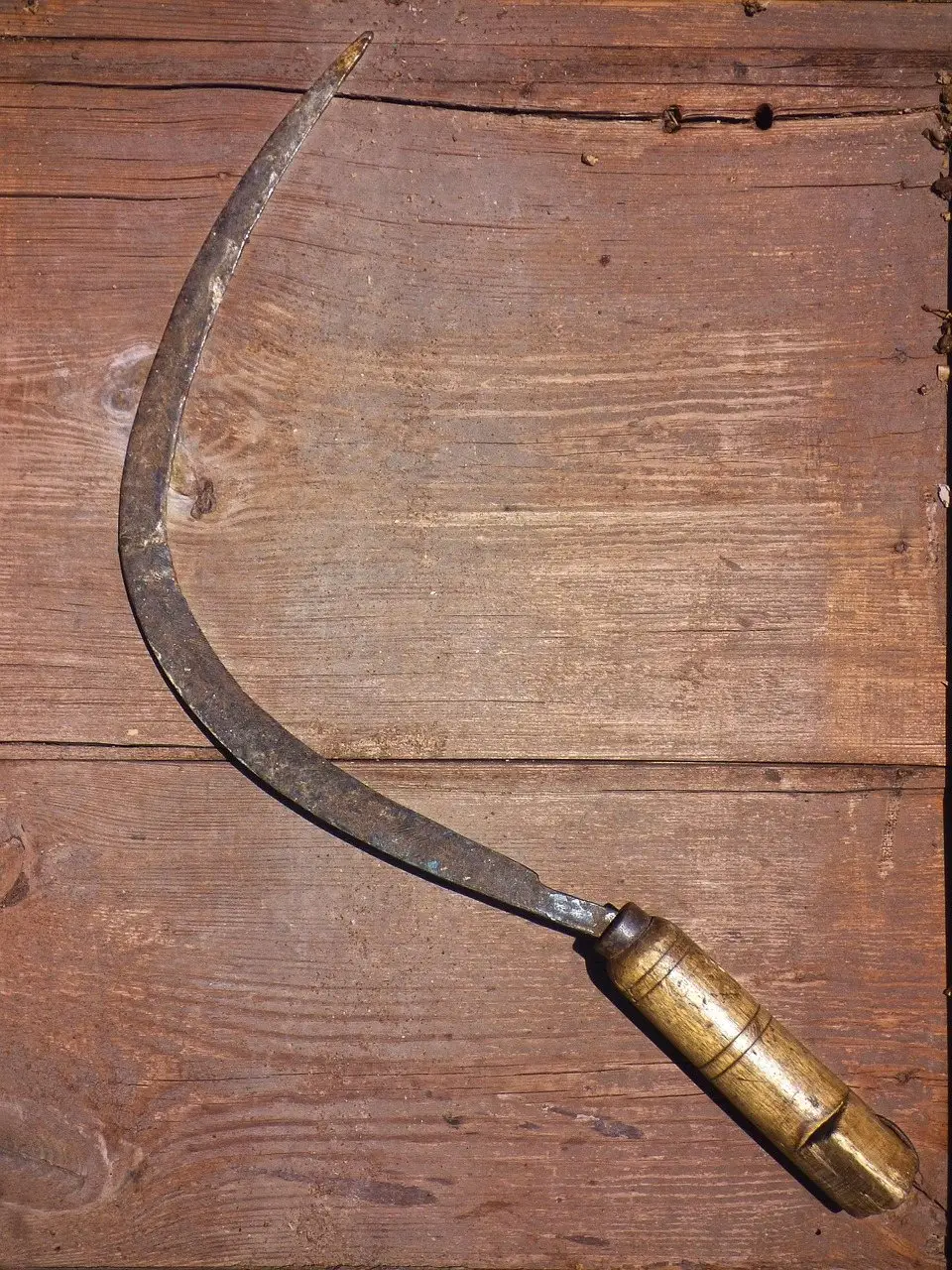
How to Cut Tall Grass Without a Mower, in Stages
Knee-high grass takes two or three passes with a trimmer, scythe or brush cutter, clearing the cuttings between each. The order that works.
Can You Use a Leaf Blower for Snow? Only If It's Light and Dry
A leaf blower clears a few inches of dry powder quickly. On wet, packed or deeper snow it does nothing, and cold is hard on the machine.