
How to Cut Tall Grass Without a Mower, in Stages
Knee-high grass takes two or three passes with a trimmer, scythe or brush cutter, clearing the cuttings between each. The order that works.
 By
On this page
Tall grass comes down in stages, with the cuttings cleared between each one. Attempting ground level in a single pass kills the lawn and clogs the machine.
The sequence
- Walk the area. Remove rocks, wire, bottles, posts; note stumps and hidden obstacles
- Check for wildlife and plan to work from the middle outward
- First pass: take the top third with a trimmer, brush cutter or scythe
- Rake the cuttings off and deal with them
- Wait three to five days
- Second pass: another third
- Rake off again
- Third pass or mower, once the grass is at roughly double the mower’s highest setting
- Step the mowing height down over two or three cuts across the following fortnight
Choosing the tool
| tool | handles | notes |
|---|---|---|
| String trimmer, heavy line | Grass to knee height | Cheap, no skill, slow and uneven |
| Brush cutter with blade | Tall grass, brambles, saplings | Fastest on rough ground; kickback risk |
| Austrian scythe | Large areas of long grass | Quiet, clean cut, real learning curve |
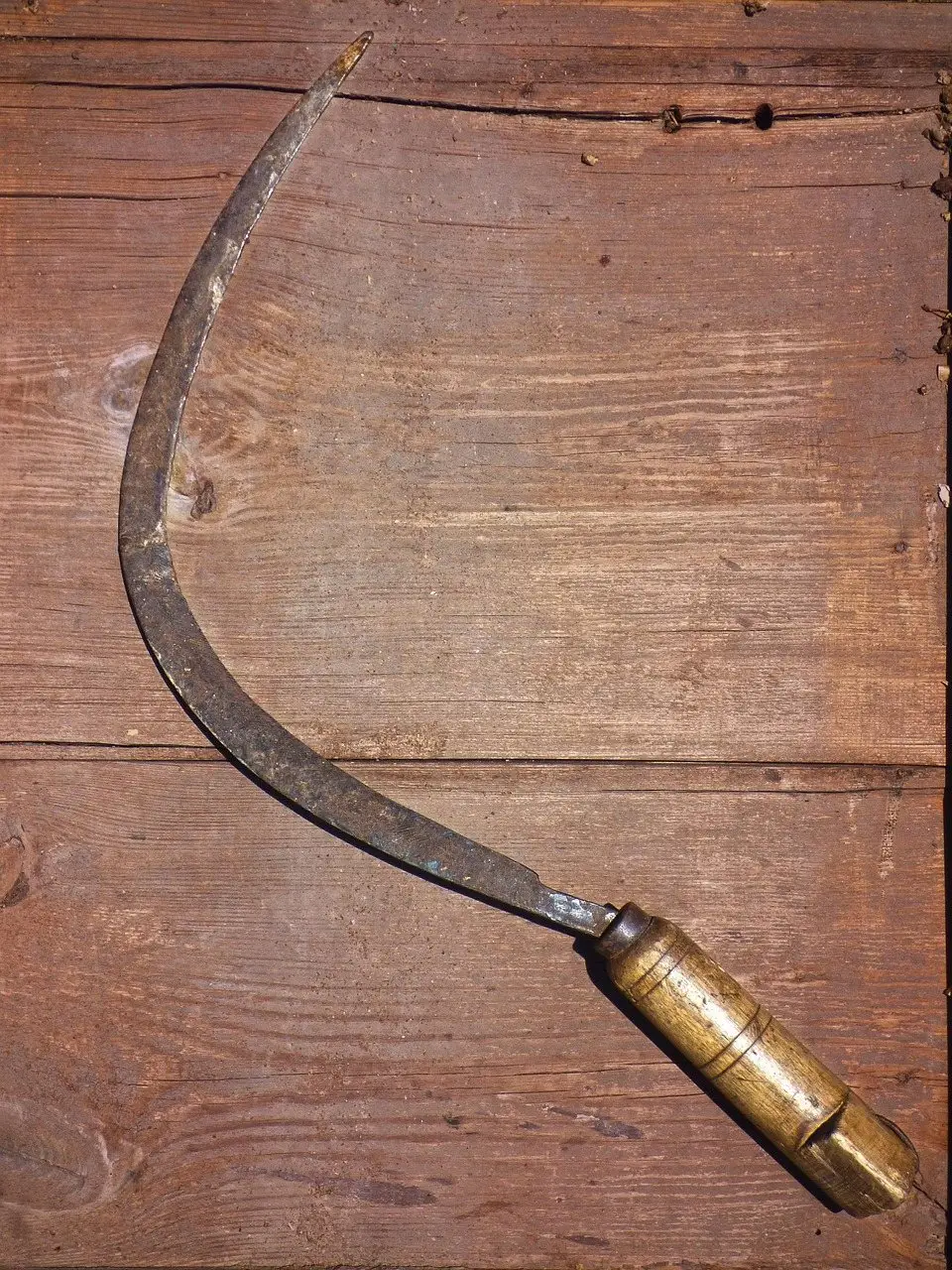
| Sickle | Patches and awkward corners | Hand work only |
| Mower on highest setting | Grass under ~double that height | Not before then |
Long grass is full of animals and hardware
Hedgehogs, toads, slow-worms and ground-nesting birds all shelter in it, and a blade is lethal to them. Hidden rocks, wire and glass destroy strings and blades and fly a long way. Walk it, work outward from the middle, and cut in late summer or autumn where you can.
What to do with the cuttings
- Compost in thin layers, alternated with brown material — a thick pile goes anaerobic in days
- Spread thinly as mulch elsewhere, no more than an inch
- Leave windrows to dry for a day, then move them, which halves the weight
- Bag it if there is simply too much
- Never leave a thick mat on the area you just cut
Recovering the lawn afterwards
- Rake out dead thatch once it has dried
- Expect pale weak blades for a few weeks — that grass has been shaded by its own growth
- Overseed bare patches in early autumn
- Feed lightly, once it is actively growing again
- Water deeply rather than often
- Keep the mowing height high for the rest of the season
Common questions
How do you cut very tall grass without a mower?
Why clear the cuttings between passes?
Is a scythe better than a brush cutter for long grass?
What should I check before cutting an overgrown area?
Can I just use a mower on the highest setting?
How do I recover a lawn after cutting back overgrown grass?
Backyard Weekly
Know what to plant, week by week
Join the weekly email for seasonal jobs, fixes for what is going wrong, and gear worth buying.
Not ready to subscribe? The planting calendar is free and needs no email.
By subscribing you agree to our privacy policy. Grow In Backyard will never sell your address.
Keep reading
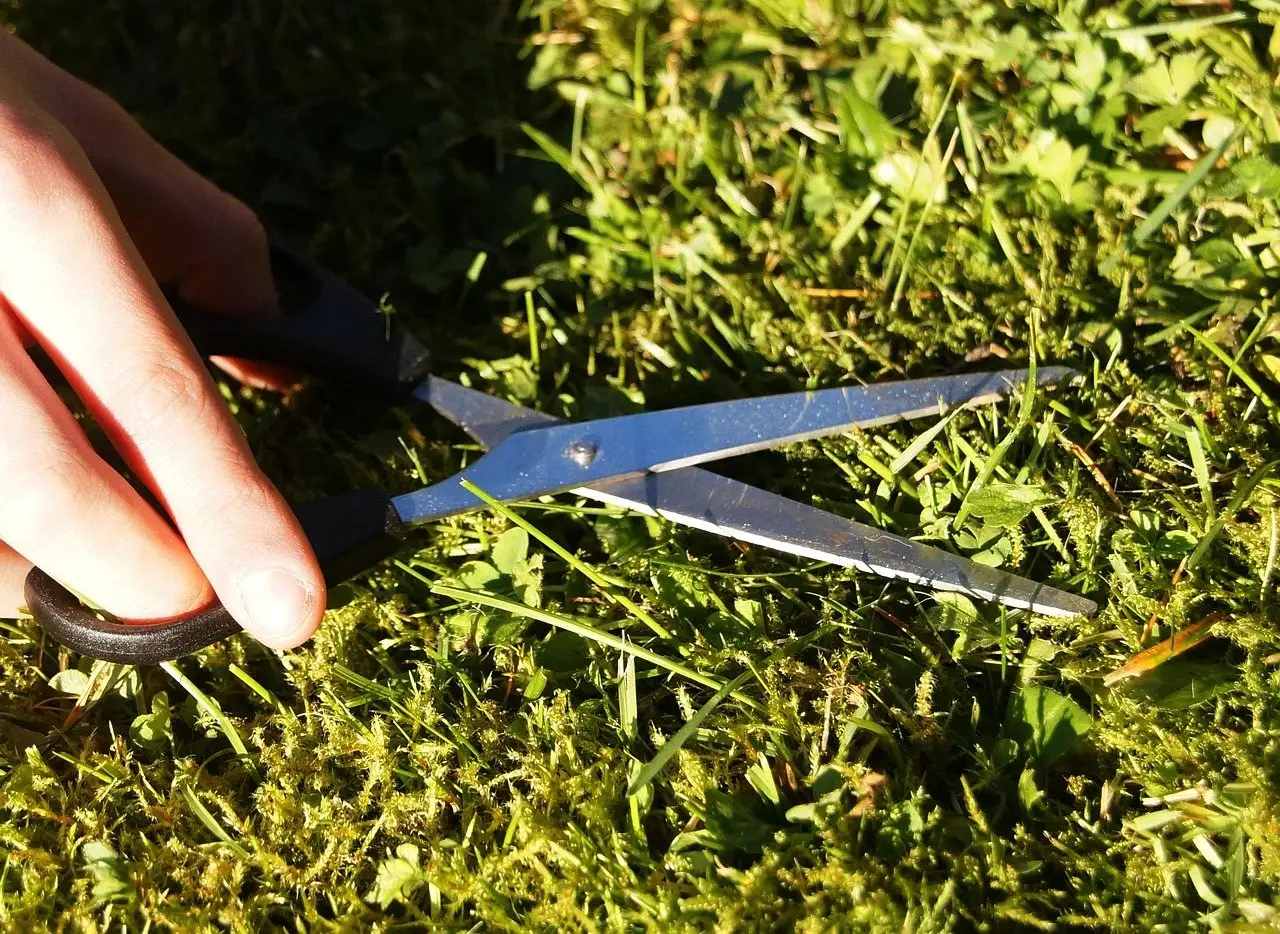
How to Cut Grass Without a Mower: Five Working Methods
A string trimmer, scythe, shears, sickle or grazing animals will all cut grass. Which suits which job, and how to get an even finish by hand.

Brush Cutter vs String Trimmer: Which One You Need
A string trimmer cuts grass and soft weeds. A brush cutter takes a metal blade through saplings and brambles. Where the line actually falls.
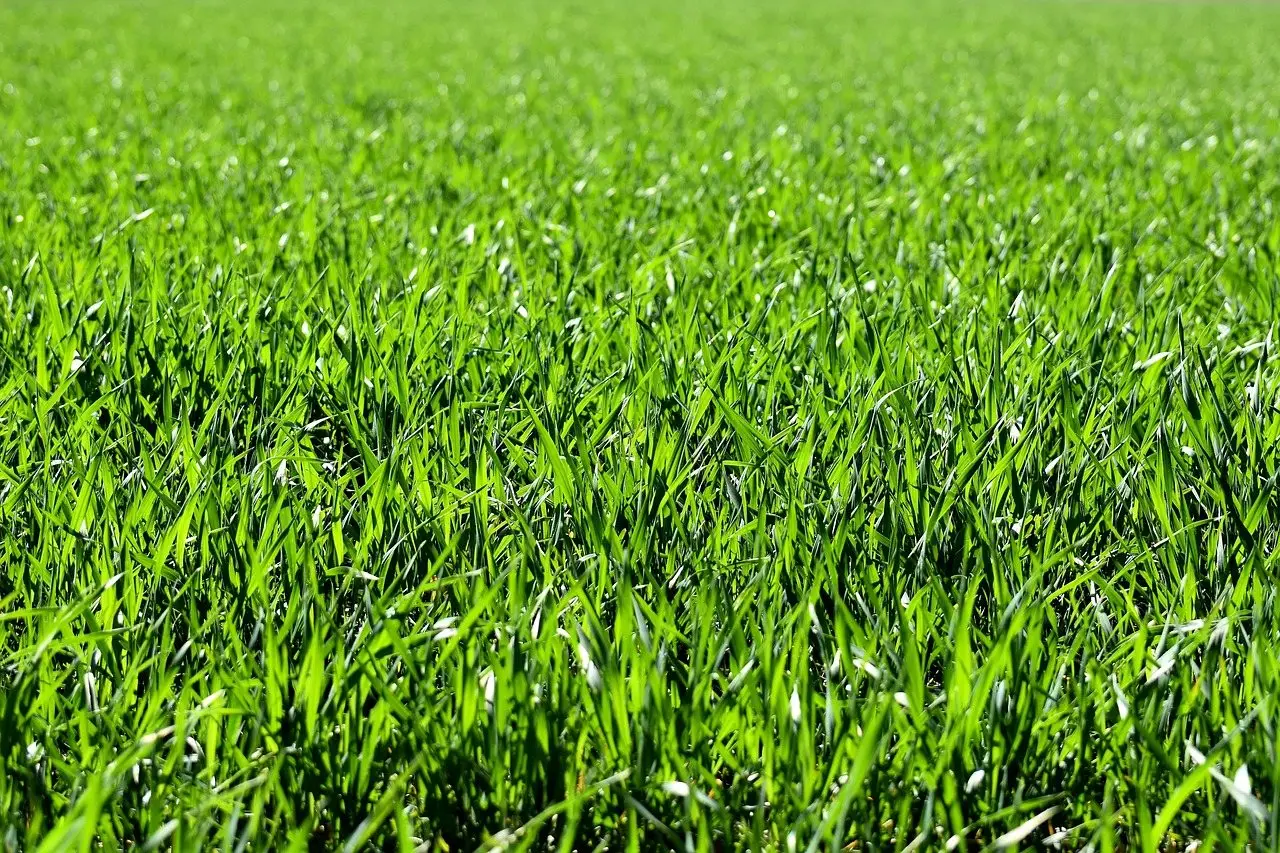
How to Make a Lawn Green and Thick: The Order That Works
Thick grass comes from mowing height, overseeding and deep watering before fertilizer. The sequence that fixes a thin lawn in one season.
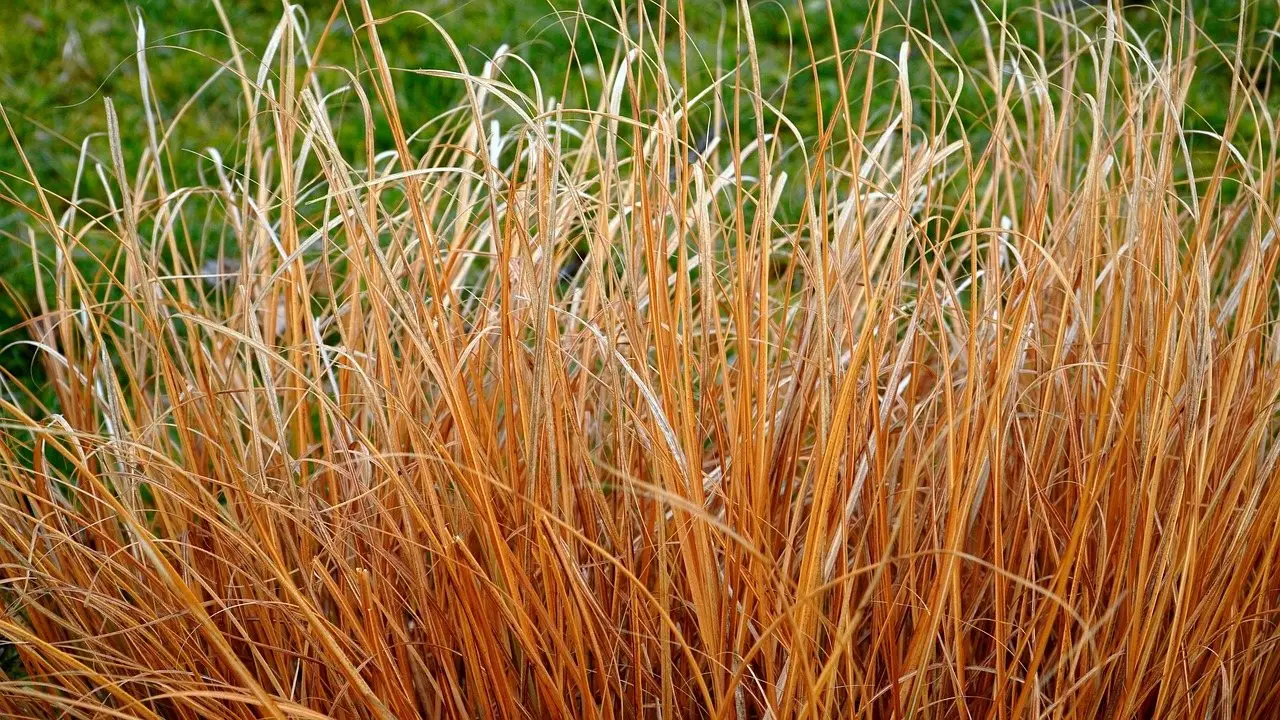
How to Fix Burned Grass: Diagnose First, Then Repair
Fertilizer burn, dog urine, drought and disease all look similar and need different fixes. How to tell them apart and repair each one.