
How to Cut Grass Without a Mower: Five Working Methods
A string trimmer, scythe, shears, sickle or grazing animals will all cut grass. Which suits which job, and how to get an even finish by hand.
 By
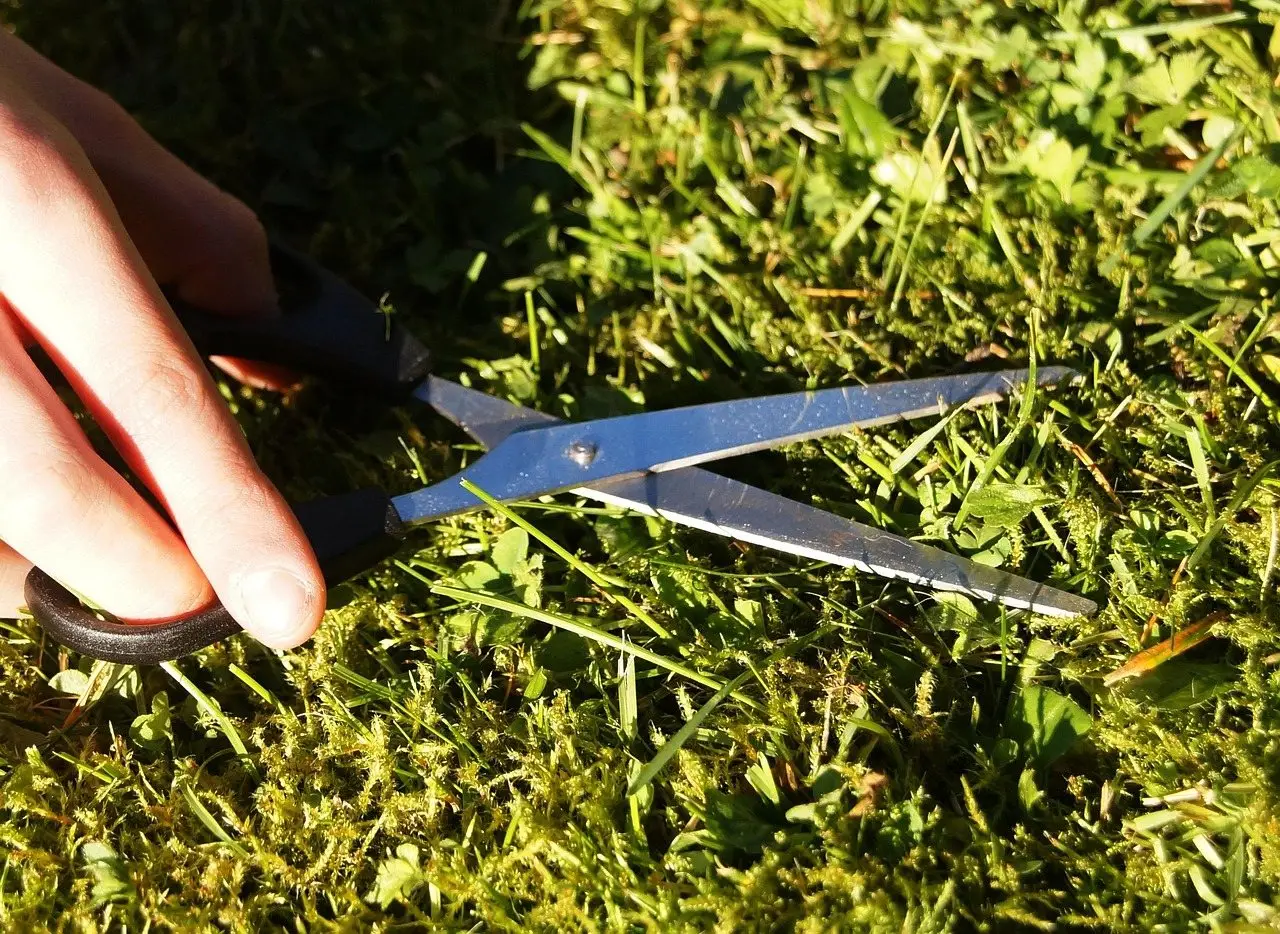
On this page
Five tools cut grass without an engine driving a rotary blade. Which one depends on the area and how tall the grass already is.
Choosing the method
| method | area it suits | finish | effort |
|---|---|---|---|
| String trimmer | Up to a few hundred sq ft | Fair; uneven if careless | Low |
| Brush cutter with blade | Rough and tall growth | Rough | Low |
| Austrian scythe | Large areas, meadow | Clean, not short | Moderate, skilled |
| Long-handled shears | Small lawn | Excellent | High |
| Sickle | Patches and awkward corners | Rough | High |
| Sheep or goats | Paddock, not lawn | Patchy | Husbandry |
Trimmer technique for an even cut
- Tilt the head 5–10 degrees so only the string tip contacts the grass
- Hold a constant height — a guard or wheel attachment resting on the ground is the trick
- Sweep right to left, which throws clippings away from the uncut side
- Overlap each pass by a third
- Walk at a steady pace. Pausing cuts a divot
Expect two to three times a mower’s time, and eye and ear protection throughout.
Scythe basics
- Blade matched to the grass — a longer ditch blade for lawn grass, shorter and heavier for brush
- Mow in the early morning, while dew-damp; dry grass resists
- Hone every few minutes with a whetstone, and peen the edge periodically
- Keep the blade flat to the ground and sweep from your hips, not your arms
- Windrow the cut grass to one side as you go
Check long grass before cutting it
Hedgehogs, toads, slow-worms and ground-nesting birds shelter in long grass, and hidden rocks and wire wreck blades and strings. Walk it first, and work from the middle outward so wildlife can escape to the edges.
Recovering badly overgrown grass
- Take the top third with a trimmer or scythe
- Rake the cuttings off — a wet mat smothers and kills what is underneath
- Wait three to five days
- Cut lower, repeat
- Water and feed lightly once it is at a normal height and growing again
Common questions
What is the best alternative to a lawn mower?
How do you get an even cut with a string trimmer?
Can you cut a whole lawn with shears?
Is a scythe actually practical for a lawn?
What about goats or sheep?
How do you tackle very tall overgrown grass without a mower?
Backyard Weekly
Know what to plant, week by week
Join the weekly email for seasonal jobs, fixes for what is going wrong, and gear worth buying.
Not ready to subscribe? The planting calendar is free and needs no email.
By subscribing you agree to our privacy policy. Grow In Backyard will never sell your address.
Keep reading
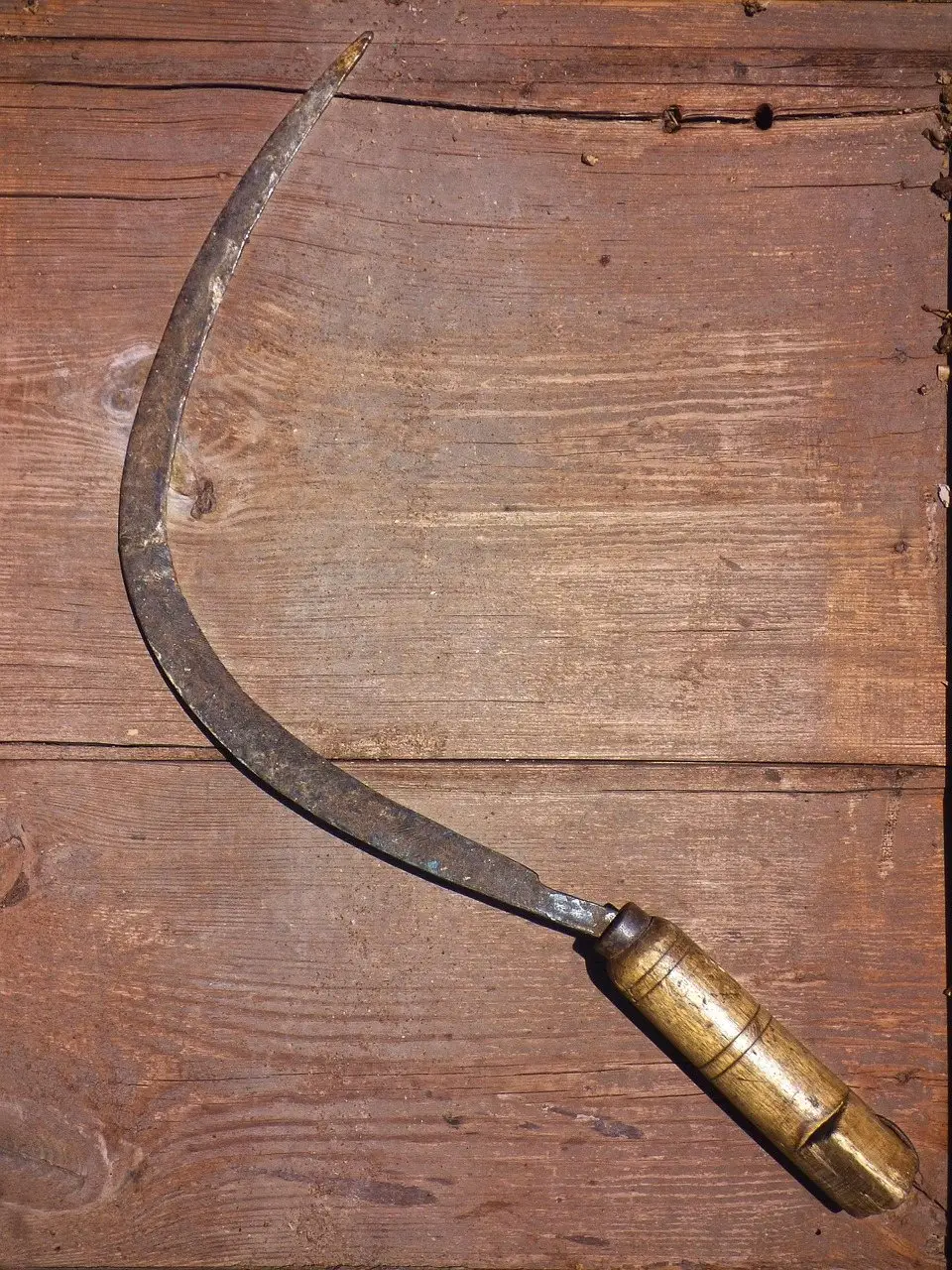
How to Cut Tall Grass Without a Mower, in Stages
Knee-high grass takes two or three passes with a trimmer, scythe or brush cutter, clearing the cuttings between each. The order that works.
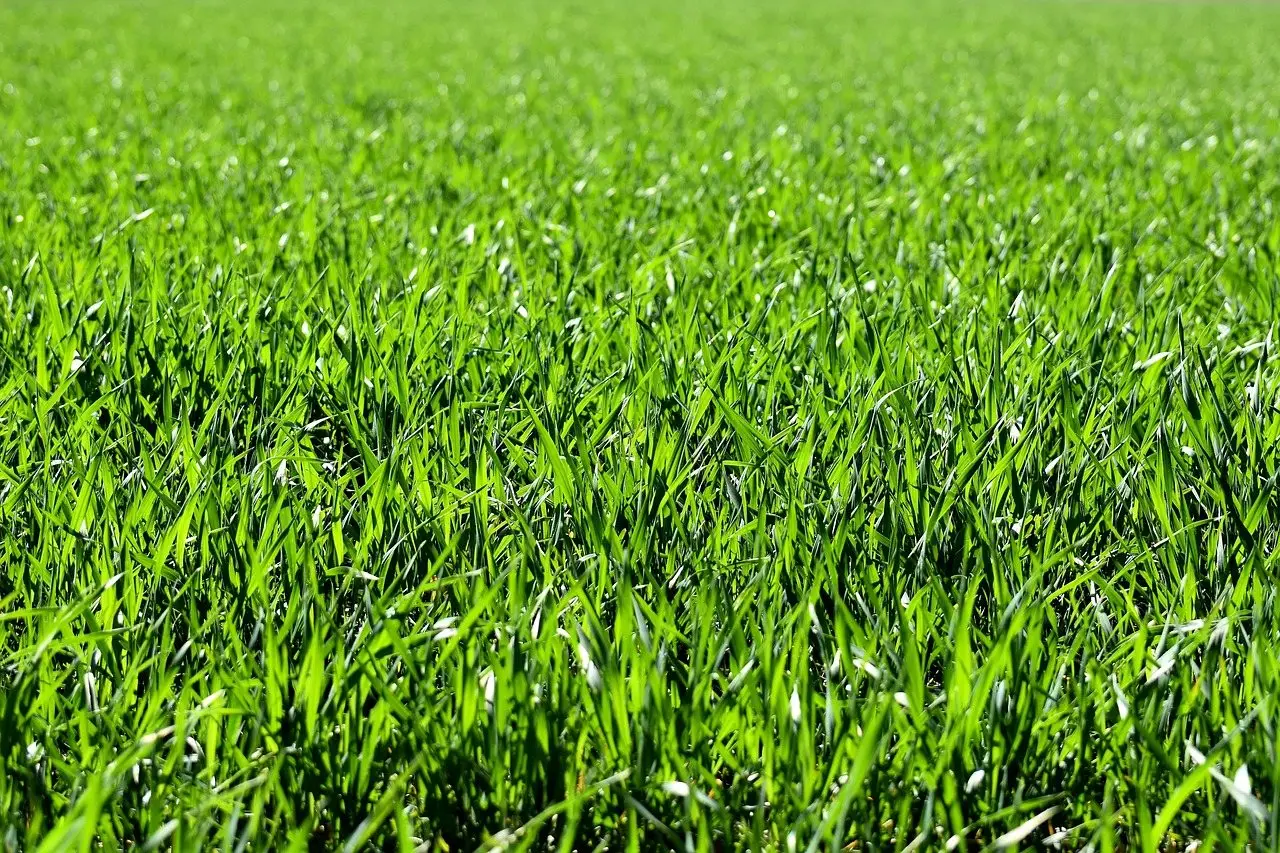
How to Make a Lawn Green and Thick: The Order That Works
Thick grass comes from mowing height, overseeding and deep watering before fertilizer. The sequence that fixes a thin lawn in one season.
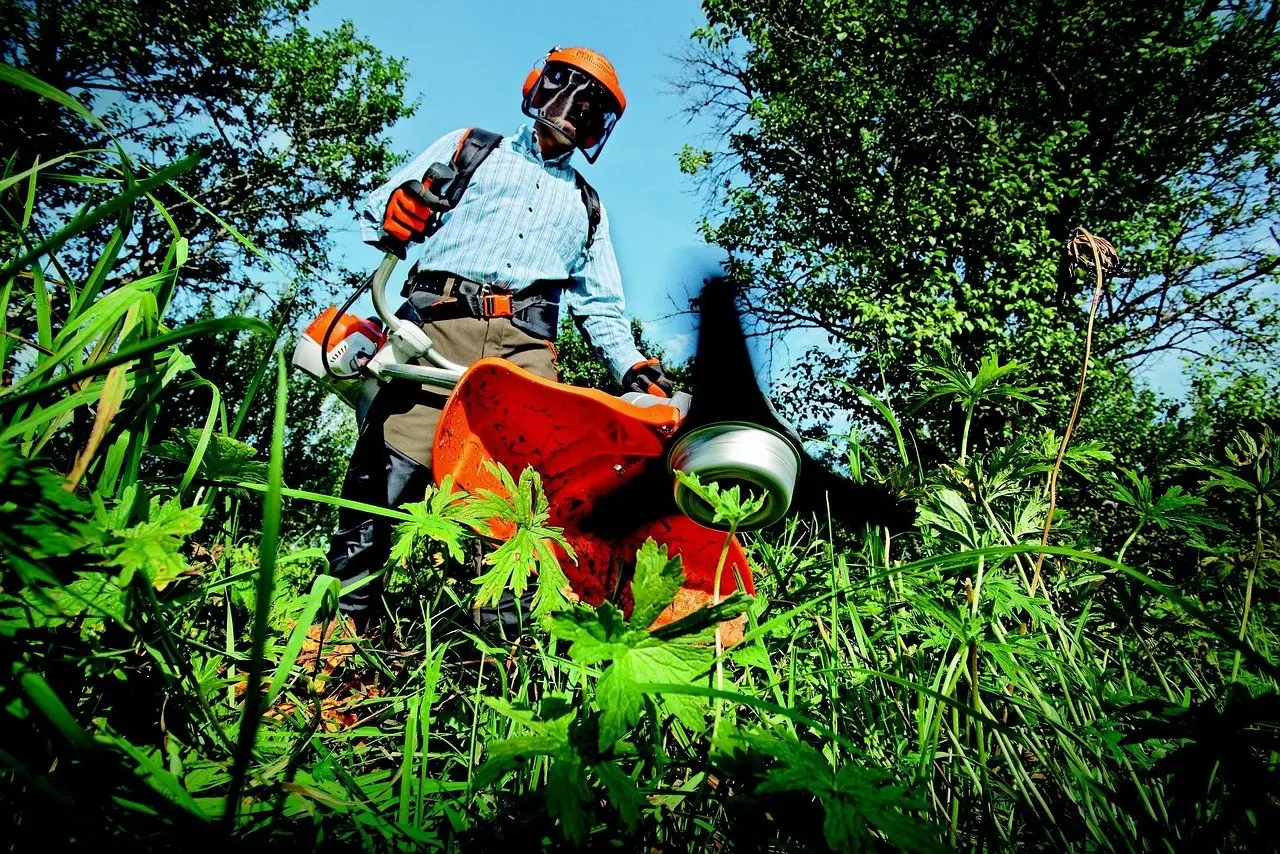
Best Electric Brush Cutter: Voltage, Blade and Harness
Cordless brush cutters now clear real brush if you buy enough voltage and a straight shaft. What matters, and what the specs do not tell you.
How to Fix Burned Grass: Diagnose First, Then Repair
Fertilizer burn, dog urine, drought and disease all look similar and need different fixes. How to tell them apart and repair each one.