
Will Wind Chimes Keep Birds Away? Only for a Week or Two
Wind chimes deter birds briefly and then stop working entirely. Why habituation defeats them, and the exclusion methods that actually hold.
 By
On this page
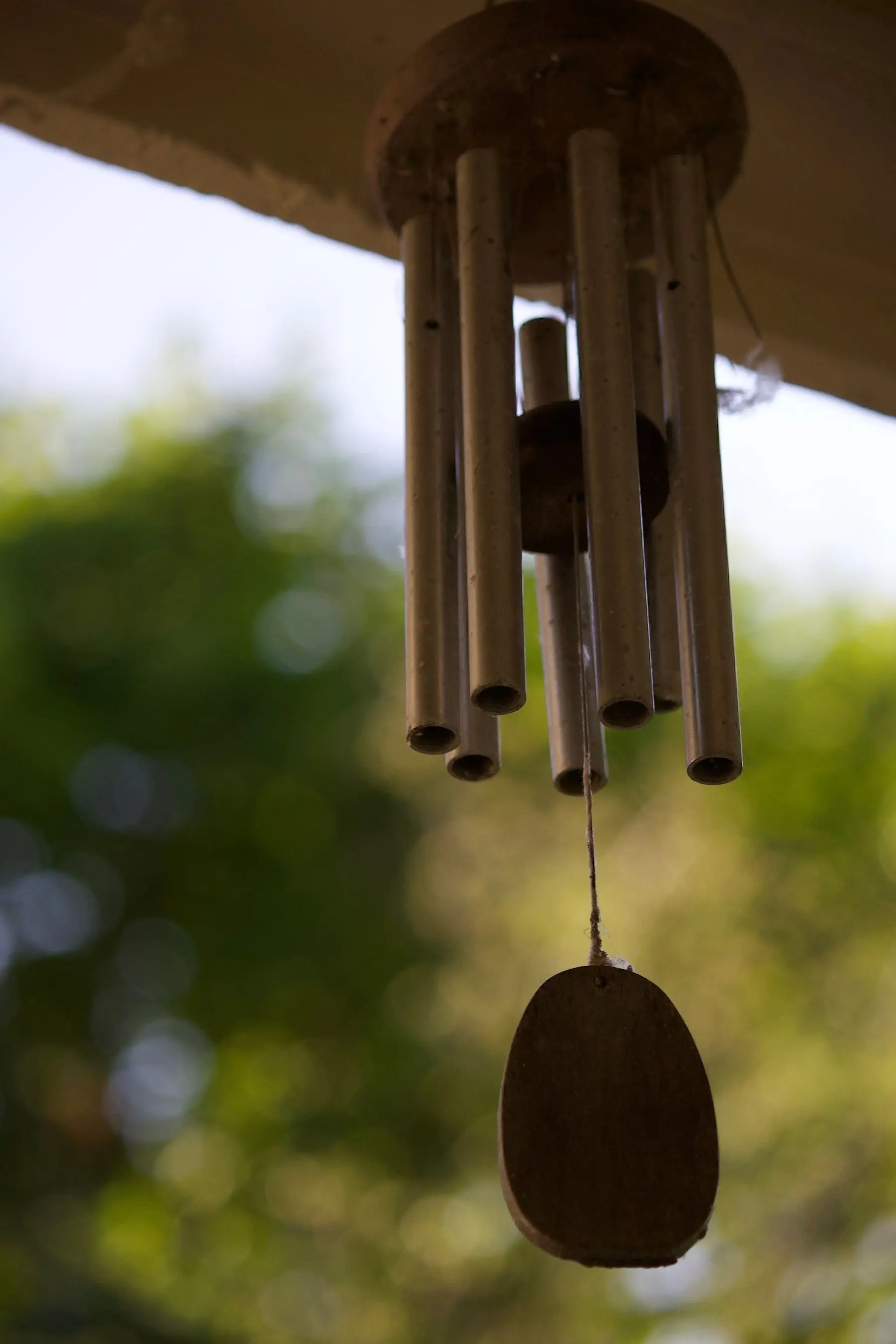
Briefly. A new wind chime genuinely clears a patio for about a week, and then the birds work out that nothing ever comes of it.
Why it fails, specifically
A deterrent only works while it stays linked to a threat. A wind chime cannot manage that:
- It sounds the same whether a bird is there or not — no contingency
- It is always present, so it becomes background
- Nothing bad ever happens, so the association decays
- Birds learn fast and remember places well
That is the textbook profile of a stimulus an animal tunes out quickly. The chime is not a bad device; it is asked to do something no consequence-free stimulus can do.
How the common deterrents compare
| Holds for | Extends if | |
|---|---|---|
| Wind chimes | ~1–2 weeks | Rarely worth it |
| Old CDs, reflective tape | 2–4 weeks | Repositioned every few days |
| Scare-eye balloons, kites | 2–6 weeks | Moved and rotated with others |
| Plastic owls, static decoys | Days | Moved daily — still poor |
| Netting, mesh, spikes | Indefinitely | — |
Rotation is the one trick that genuinely helps. Several different devices, each moved to a new position every few days, keeps the situation unfamiliar for considerably longer than any single device left in place.
For fruit trees in particular, where the stakes are a whole crop, see bird repellent for trees — netting is the only method that does not fade.
What to do instead
- Net the fruit before it colours up, not after the birds find it
- Mesh over vents, eave gaps and air conditioner housings — a bird in a dryer vent is an exclusion job, not a scaring one
- Spikes or wire on the ledge they roost on
- Remove the attraction: spilled seed under feeders, fallen fruit, accessible pet food, standing water
Exclusion works because it does not require the bird to believe anything. More effort once, and then it keeps working.
Do not hang anything near an active nest
A chime near a nest causes a few days of stress and then gets ignored, which achieves nothing. Active nests of wild birds are legally protected in many countries and disturbing one can be an offence — wait until the young have fledged, then exclude access before the next season.
The honest use case
Two weeks of cover on a cherry tree while it ripens. A few days while you get the netting up. A stopgap with an end date, which is a real job and one a wind chime does perfectly well.
It is expecting a season out of it that does not work.
Where the problem is one species monopolising a feeder rather than birds in general, the fix is mechanical instead — keeping doves off a bird feeder comes down to perch size and tray design, not to scaring anything.
Common questions
Will wind chimes keep birds away?
Why do wind chimes stop working?
Do reflective tape, old CDs and scare-eye balloons work?
What actually keeps birds away?
Do wind chimes bother birds that are nesting?
Is there any case where wind chimes help?
Backyard Weekly
Know what to plant, week by week
Join the weekly email for seasonal jobs, fixes for what is going wrong, and gear worth buying.
Not ready to subscribe? The planting calendar is free and needs no email.
By subscribing you agree to our privacy policy. Grow In Backyard will never sell your address.
Keep reading
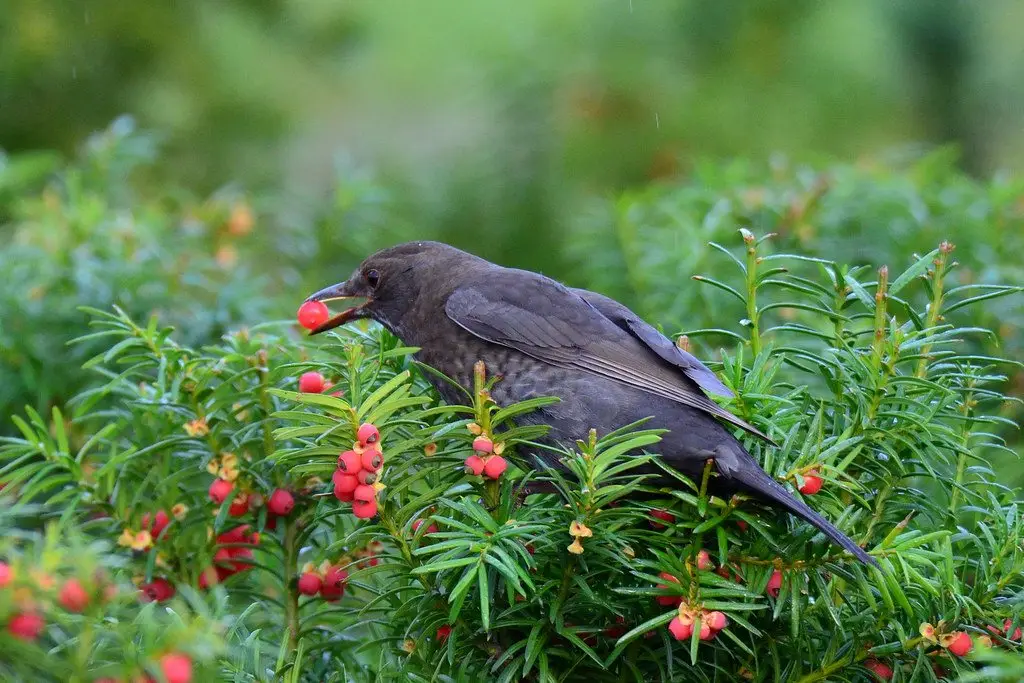
Bird Repellent for Trees — 5 Options Ranked on Fruit
Bird repellent for trees works by movement, not smell. 5 options compared on fruit crops, plus the ones that fail. See which suits your tree.
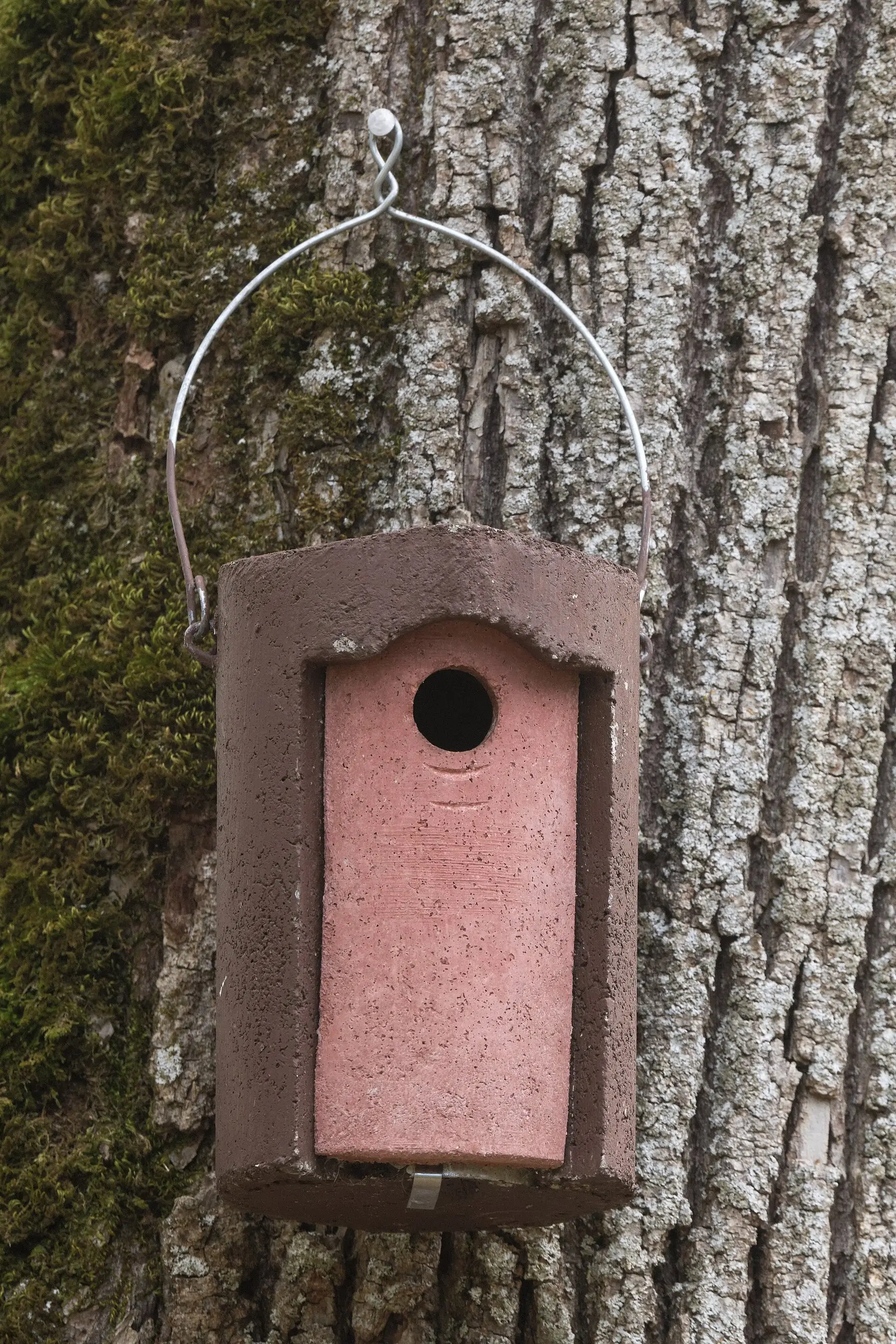
Bird House Hole Size: The Number That Picks the Tenant
Entrance diameter decides which species can use a box and which predators cannot. A size chart, the dimensions that go with each, and why perches are harmful.
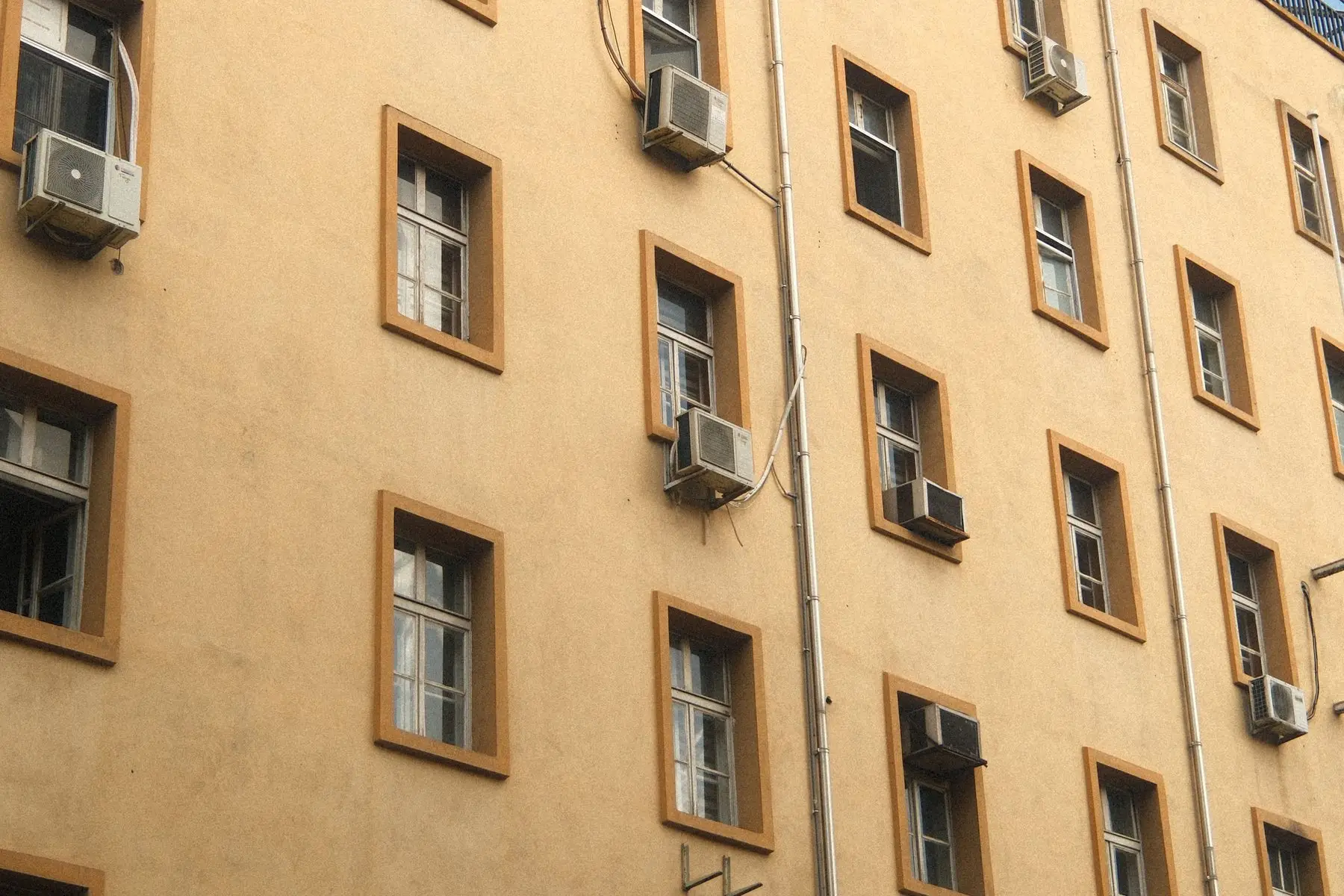
Bird in an Air Conditioner: Getting It Out Safely
Birds nest in window and wall AC units for the shelter and warmth. How to get one out, when the law says wait, and how to seal the unit properly.
Do Birds Return to the Same Nest? Usually the Site, Not the Nest
Most songbirds build fresh each time, but return to the same territory year after year. Which species reuse nests, and what that means for your boxes.