
Do Birds Return to the Same Nest? Usually the Site, Not the Nest
Most songbirds build fresh each time, but return to the same territory year after year. Which species reuse nests, and what that means for your boxes.
 By
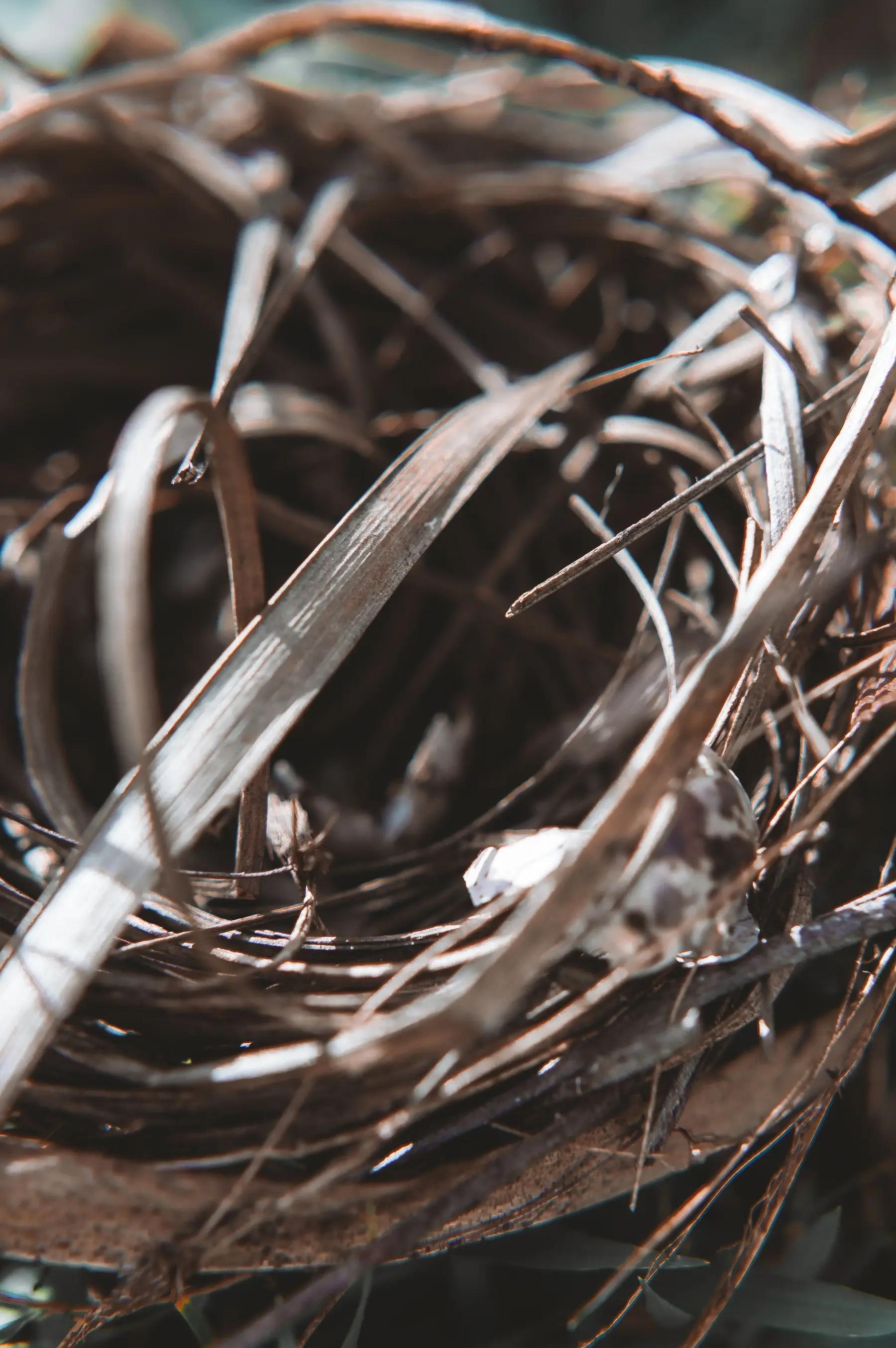
On this page
Mostly the site, not the structure. The blue tit in your box this spring may genuinely be last year’s bird — sitting on a nest it built from scratch three weeks ago.
Two different questions
People asking this usually mean one of two things, and the answers differ:
- “Will the same birds come back to my garden?” — Often yes. Site fidelity is genuinely strong
- “Will they use the same nest again?” — Usually no. Most build fresh
Who reuses, and why
| Species | Reuses a nest? |
|---|---|
| Barn swallow, house martin | Yes — repairs and reuses mud nests |
| Osprey, eagle | Yes — adds to the same platform for decades |
| Stork | Yes, famously |
| Great horned owl, some hawks | Takes over nests built by others |
| Robin, phoebe | Sometimes, for a second brood |
| House sparrow, wren | Sometimes builds on top of the old one |
| Blue tit, chickadee, bluebird | Rarely — builds fresh |
| Most finches, warblers, thrushes | Builds fresh |
The pattern is cost. A mud nest takes hundreds of individual pellets and days of work; a stick platform represents years of accumulation. Those get repaired. A cup of grass and moss takes a few days, and building fresh is cheaper than inheriting the parasites.
A second nest a few feet from the first is normal
Where a pair raises two broods and builds again nearby rather than reusing, that is a deliberate move: the first nest is already carrying parasites, and anything that watched the first brood knows exactly where it is.
Moving a short distance solves both problems for very little effort.
Cleaning boxes
Once a year, in autumn, after the last brood has fledged.
- Remove everything. Old material holds mites, fleas and parasite eggs waiting for spring
- Scrape it out. Hot water if needed — no detergents, no insecticide
- Let it dry before closing it up
- Check the fixings and the hole edge while it is open
- Gloves and a dust mask, since old nests are exactly the dusty parasite-laden material you would expect
There is a second reason beyond parasites: a box half-filled with old nesting material puts the new nest closer to the entrance, within easier reach of anything that can get a paw or a beak in.
Do not clear a mud nest
Swallow and house martin nests should be left in place. Rebuilding one costs the birds enormous effort, and in many countries the nests are legally protected whether or not they are in use.
Clean the boxes. Leave the mud.
So clearing a nest does not drive them off
The fidelity attaches to the location, not the structure. An empty box cleaned in October is more attractive next April, not less — the birds get the site they wanted without inheriting a season’s worth of mites.
The same birds, or their young?
Often the latter. Many small songbirds live only two to five years, so a garden that has held blue tits for a decade is usually holding successive generations rather than one very old bird.
Young birds frequently settle close to where they hatched, which is what makes the pattern look like continuity.
Keeping them coming back
The same list every year:
- Nesting cover — dense shrubs for open-cup nesters, boxes with the right hole size for cavity nesters
- Insects. Almost all songbird nestlings are fed insects, whatever the adults eat. This is what pesticide use actually costs you
- Water, kept clean and ice-free in winter
- Cats indoors through the breeding season
- Some untidiness — a thicket, a log pile, seed heads left standing
Get those right and the question answers itself: something will be back, and often it will be the same something.
Common questions
Do birds return to the same nest?
Which birds actually reuse a nest?
Should I clean out a nest box?
Do birds use the same nest for a second brood in one season?
If I remove an old nest, will the birds not come back?
How long do birds keep coming back to a garden?
Backyard Weekly
Know what to plant, week by week
Join the weekly email for seasonal jobs, fixes for what is going wrong, and gear worth buying.
Not ready to subscribe? The planting calendar is free and needs no email.
By subscribing you agree to our privacy policy. Grow In Backyard will never sell your address.
Keep reading
Wireless Bird Feeder Camera — 5 Checks Before Buying
A wireless bird feeder camera lives or dies on power and Wi-Fi reach. 5 picks compared on both, plus hummingbird use. See which fits your yard.
How to Keep Birds Out of a Barn or Open Outbuilding
Sparrows and starlings in a barn mean fouled feed, blocked vents and fire risk. Exclusion at the openings, timing around nesting, and what to do about feed.

Best Binoculars for Backyard Bird Watching — 6 Picks
For the best binoculars for backyard bird watching, close focus beats magnification. 6 pairs compared across budgets. See which hits yours.
Should You Paint a Birdhouse? Outside Only, Pale, and Why
Paint the outside in a pale, dull colour and leave the inside and the entrance bare. What is safe, what cooks a brood, and the best wood to build from.