
Should You Paint a Birdhouse? Outside Only, Pale, and Why
Paint the outside in a pale, dull colour and leave the inside and the entrance bare. What is safe, what cooks a brood, and the best wood to build from.
 By
On this page
Outside yes, inside no — and pale rather than bright, because a small sealed box in July sun is a genuinely dangerous place for a brood.
Outside, inside, and the hole
| Part | Paint? |
|---|---|
| Outside walls and roof | Yes — pale, dull, water-based |
| Inside | No. Off-gassing in a sealed space; nestlings peck it |
| Entrance hole and rim | No. Birds work at the rim and ingest flakes |
| Floor | No |
| Perch | Do not fit one at all — see below |
Leaving the whole box bare is fine. It simply weathers faster. Paint is about longevity and heat, not about the birds wanting it.
Colour is a temperature decision
A dark box in full sun can kill a brood
A nest box is a small sealed cavity. In direct summer sun a dark-painted one reaches internal temperatures nestlings cannot survive, and they cannot leave.
Pale — white, grey, tan, pale green. Then site it so it gets morning sun and afternoon shade, which matters as much as the colour does.
Dull as well as pale. A conspicuous box advertises the nest to predators, and most cavity nesters prefer somewhere inconspicuous. The bright, decorated birdhouses sold in garden centres are ornaments, and are generally built like ornaments too.
What to use
- Water-based exterior latex — the standard choice
- Milk paint or raw linseed oil — traditional, and fine
- Cure it for at least a week outdoors before the box goes up
- Not oil-based or solvent-heavy paints
- Not wood preservative or creosote, ever
- Not pressure-treated timber — the chemistry is not something to seal a brood inside
The wood matters more
| Material | Verdict |
|---|---|
| Untreated cedar | Best. Rot-resistant, insulating, lasts years |
| Redwood | Excellent, same reasons |
| Pine | Fine and cheap; shorter life |
| Rough-sawn anything | Preferred — grip inside, less glare outside |
| Plywood, MDF | No. Delaminates within a season or two |
| Pressure-treated | No |
| Metal | No. Cooks |
| Thin decorative boxes | No. Too thin to insulate |
At least ¾ inch thick. Thin walls give no insulation, and insulation is what keeps the box survivable in a heatwave.
The things that actually decide whether it works
Paint is near the bottom of this list.
- Hole size. It determines which species can use the box and which are excluded — this is the single most important dimension
- Drainage. Holes in the floor, or the corners cut off, so a nest never sits in water
- Ventilation. Gaps under the roof overhang
- Access. A hinged side or removable panel, so you can clean it out each autumn
- Rough interior front wall. Fledglings climb the front to reach the hole, and a smooth inside traps them — score horizontal grooves or staple a strip of mesh below the entrance
- No perch. A perch gives predators and competitors somewhere to stand, and cavity nesters do not need one
- Overhanging roof, sloped, to shed rain away from the hole
- Mounting — on a baffled pole rather than a tree, away from dense cover a cat can use
The rough front wall is the one people miss
It is the commonest fault in cheap decorative birdhouses, and it is the one that kills birds rather than just disappointing them.
If a box has a smooth planed interior, score it or staple mesh below the hole before it goes up. Two minutes.
Cleaning
- Once a year, in autumn, after the last brood has fledged
- Remove the old nest entirely. It holds mites and parasites
- Gloves and a dust mask
- Scrape and brush out — hot water if needed, no detergents, no insecticide
- Let it dry before closing it up
- Check the fixings while it is open
If it is a decorative birdhouse
There is nothing wrong with an ornament, and it is worth being honest about which you have. A brightly painted, thin-walled, perched, sealed-shut birdhouse is decoration.
If you want it to be both, the changes are small: strip or repaint the outside pale, leave the inside bare, open up drainage and ventilation, remove the perch, rough up the interior front wall, and find a way to open it. Then hang it where it gets afternoon shade.
Common questions
Should you paint a birdhouse?
What colour should a birdhouse be?
What paint is safe for a birdhouse?
What is the best wood for a birdhouse?
Should the inside of a birdhouse be rough?
What else matters more than the paint?
Backyard Weekly
Know what to plant, week by week
Join the weekly email for seasonal jobs, fixes for what is going wrong, and gear worth buying.
Not ready to subscribe? The planting calendar is free and needs no email.
By subscribing you agree to our privacy policy. Grow In Backyard will never sell your address.
Keep reading
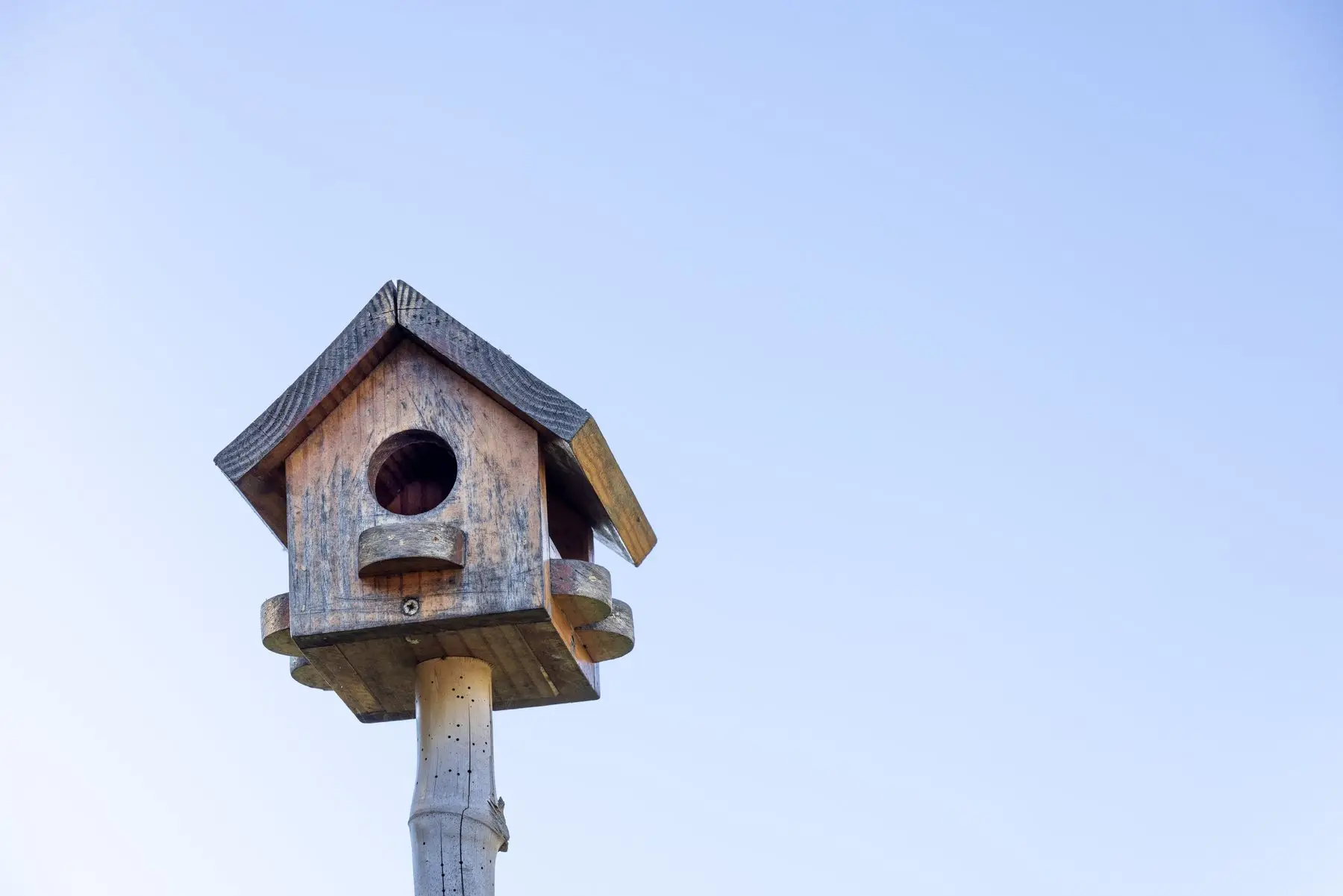
Bird House Hole Size: The Number That Picks the Tenant
Entrance diameter decides which species can use a box and which predators cannot. A size chart, the dimensions that go with each, and why perches are harmful.
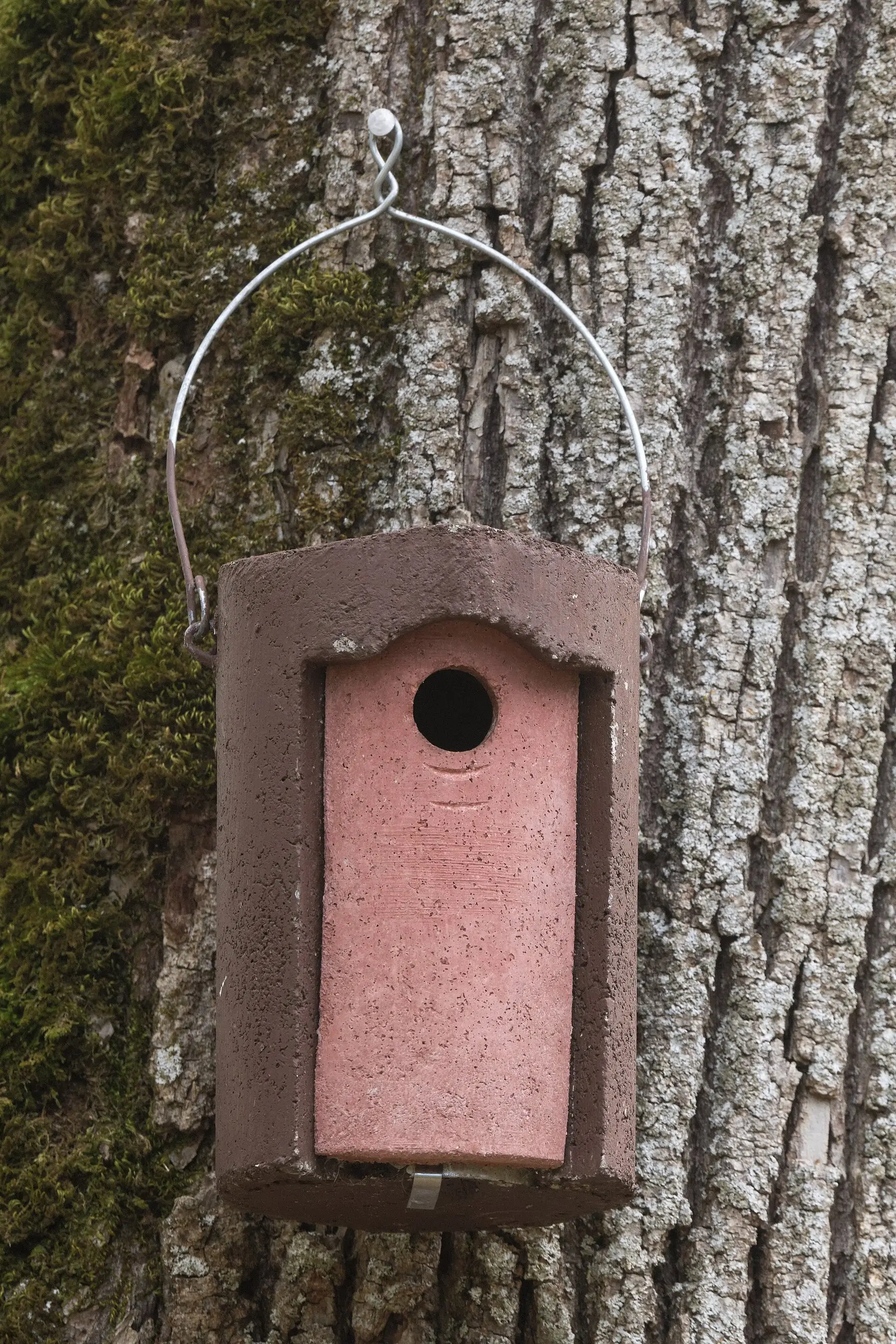
Do Birds Like Hanging Bird Houses? What the Evidence Says
Hanging boxes swing, which most cavity nesters dislike and predators exploit. Which species accept them, and why a post-mounted box is safer.
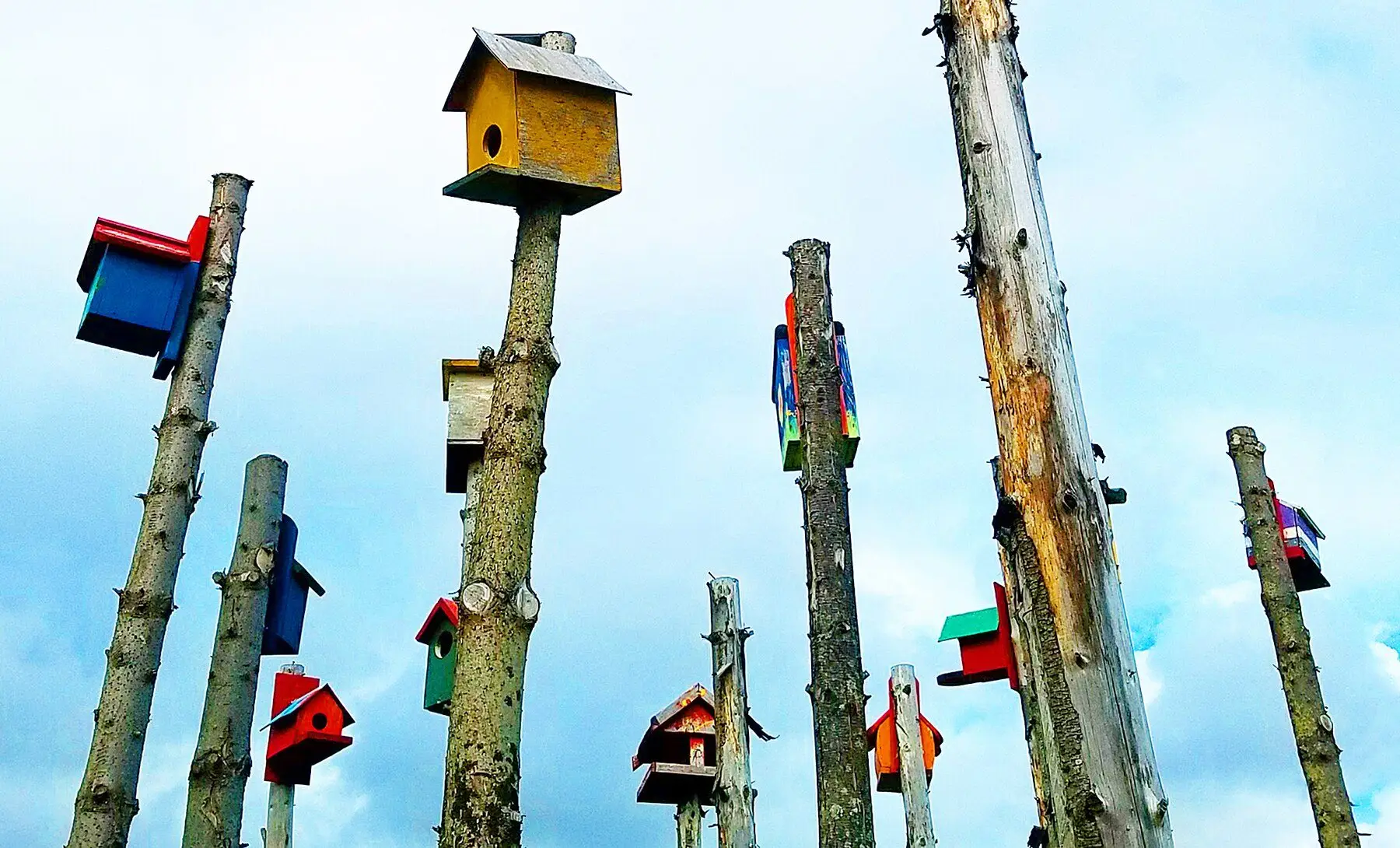
Do Birds Use Birdhouses in Winter? Yes — as Roosts, Not Nests
Birds shelter in boxes overnight through winter, sometimes a dozen at once. Why you should leave boxes up, and the two changes that make one a better roost.
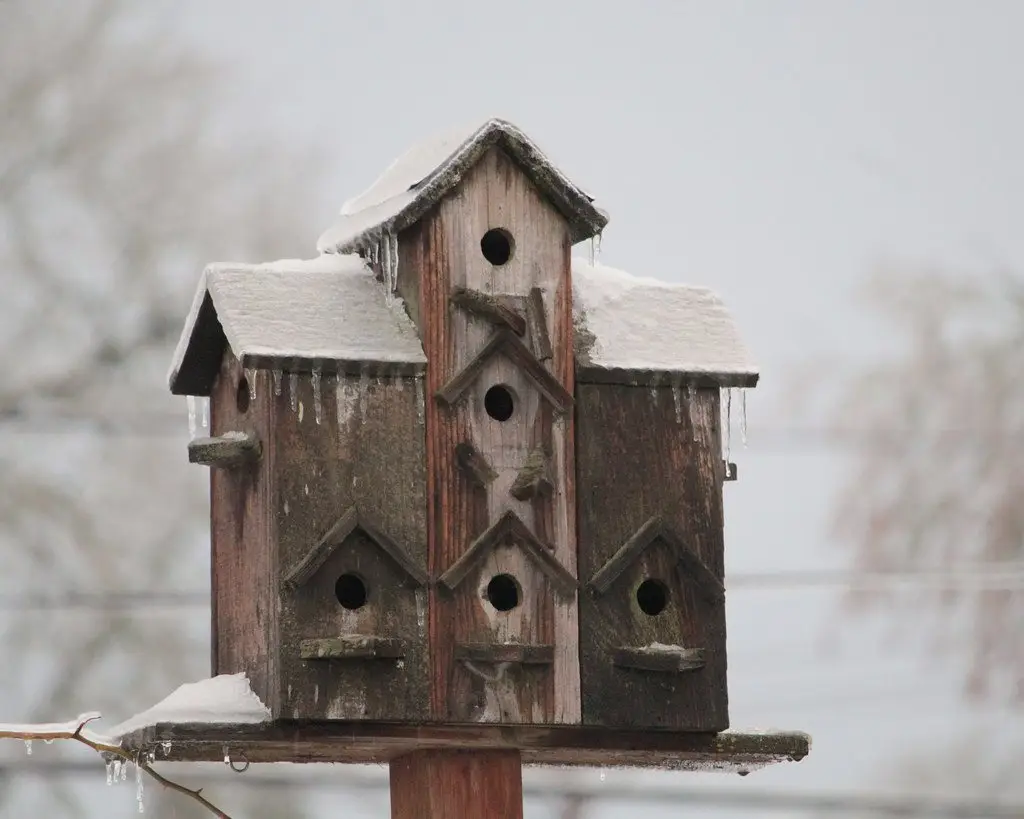
Squirrel-Proof Bird Feeders — 5 Measures That Stop Them
Squirrel-proof bird feeders work on distance and mechanism, not claims. 5 measures compared on cost and success. See which suits your yard.