
Do Birds Use Birdhouses in Winter? Yes — as Roosts, Not Nests
Birds shelter in boxes overnight through winter, sometimes a dozen at once. Why you should leave boxes up, and the two changes that make one a better roost.
 By
On this page
Yes — and it is one of the better arguments for leaving boxes up year-round. Birds do not nest in winter, but cavity nesters absolutely roost in boxes overnight, sometimes a dozen of them crammed into one.
Who uses them
| Species | Roosts in a box? |
|---|---|
| Chickadees, titmice | Yes — among the most frequent users |
| Nuthatches | Yes |
| Wrens | Yes |
| Bluebirds | Yes, and famously communally |
| Downy woodpeckers | Yes — they also excavate their own roost cavities |
| House sparrows, starlings | Yes, often to the exclusion of natives |
| Screech owls, kestrels | Yes, in appropriately large boxes |
| Robins, cardinals, finches | No — open cup nesters. They use dense evergreens |
The dividing line is the same one as in spring. A bird that nests in a hole will shelter in a hole. A bird that builds an open cup in a shrub will shelter in a shrub.
Why it matters so much
A small bird’s problem in winter is not really food — it is the night.
- A chickadee weighs about 11 grams and can lose a substantial share of its body weight overnight.
- Small birds have an enormous surface area relative to their mass, so they shed heat fast.
- Many species drop into regulated overnight hypothermia, letting body temperature fall by 10°C or more to save energy.
- Wind is worse than cold. An out-of-wind cavity is worth more than a few degrees of air temperature.
A box turns an exposed 14-hour night into a sheltered one. Huddling multiplies the effect: birds packed together share heat and sharply reduce the exposed surface of each individual.
The dozen-bluebird box is real
Communal winter roosting in bluebirds is well documented, with reports of ten, a dozen and occasionally more birds in a single box on a hard night. It is one of the more striking things a box owner can witness — and one of the clearest reasons not to store boxes in the shed over winter.
Roost box vs nest box
| Nest box | Roost box | |
|---|---|---|
| Entrance hole | Near the top | Near the bottom — heat does not pour out |
| Ventilation | Generous — summer heat is the risk | Minimal — draughts are the risk |
| Drainage holes | Yes | Yes, but fewer |
| Interior | Bare | Staggered perches or dowels for stacking |
| Size | Species-specific and snug | Usually larger and thicker-walled |
| Season | Spring and summer | Autumn through winter |
Converting a box you already have
Worth twenty minutes in autumn, after the clean-out:
- Block the ventilation gaps. Tape, foam strip or a thin batten along the summer vents under the roof. Reopen them in spring.
- Add two or three perches inside, staggered at different heights below the hole — short dowels or roughened offcuts screwed into the side walls.
- Check it is watertight, and that the roof overhangs enough to keep rain out of the hole.
- Face it away from prevailing wind and rain — in most of North America and Britain, that means pointing east or south-east.
- Leave the floor bare. Do not add bedding: it holds damp, and damp is far more dangerous than cold.
What you cannot easily fix is the hole at the top, which is where the heat goes. A converted box is a real improvement; a purpose-built roost box is better still.
The one maintenance job
Clean each box once a year, at the end of the breeding season — late summer or early autumn.
- Remove all old nest material, which harbours mites, fleas and blowfly larvae
- Scrape it out and rinse with hot water, or a very dilute bleach solution
- Dry it fully with the lid open before closing it up
- Gloves and a mask, because old nests are dusty and full of droppings
Do not open boxes in midwinter
Checking a box on a cold night means flushing roosting birds into the dark, which can be fatal for a small bird that has already spent the day building the energy reserve to survive until morning. Do the inspection and the cleaning in autumn, then leave the box alone until spring.
What else helps through winter
- Leave the dense evergreens and the brush pile. They shelter every species that will not use a box.
- Keep feeders stocked and clean, especially at dusk — birds top up before roosting.
- Provide open water. Drinking and bathing water is harder to find than food in a freeze, and a heated bath or a simple daily refill does a lot.
- Do not tidy the seed heads and grasses until spring. Cover and food in one.
Common questions
Do birds use birdhouses in winter?
Should I take my birdhouses down for winter?
How is a roost box different from a nest box?
Can I convert a nest box into a winter roost?
When should I clean out a birdhouse?
Which birds roost in boxes in winter?
Backyard Weekly
Know what to plant, week by week
Join the weekly email for seasonal jobs, fixes for what is going wrong, and gear worth buying.
Not ready to subscribe? The planting calendar is free and needs no email.
By subscribing you agree to our privacy policy. Grow In Backyard will never sell your address.
Keep reading
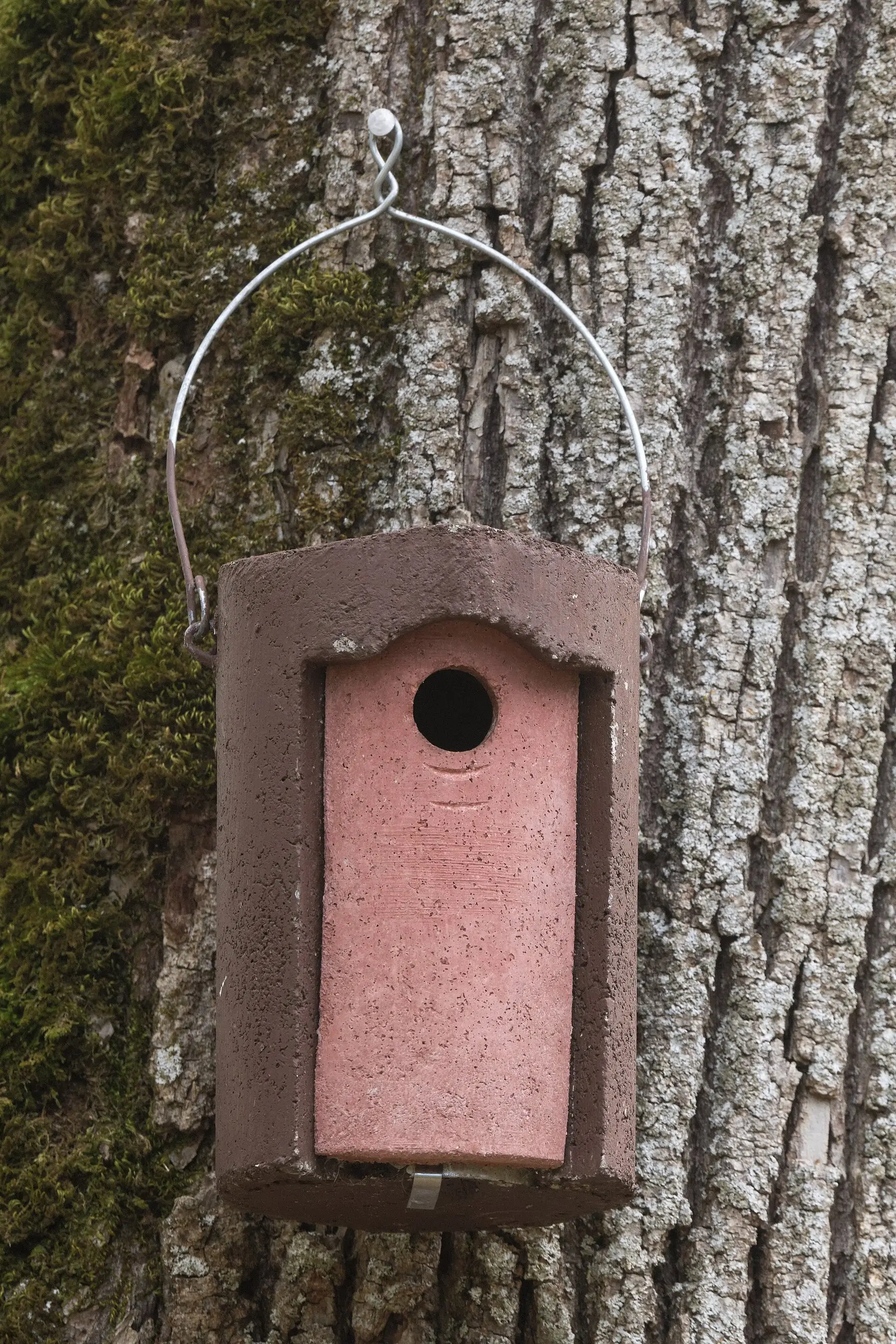
Bird House Hole Size: The Number That Picks the Tenant
Entrance diameter decides which species can use a box and which predators cannot. A size chart, the dimensions that go with each, and why perches are harmful.
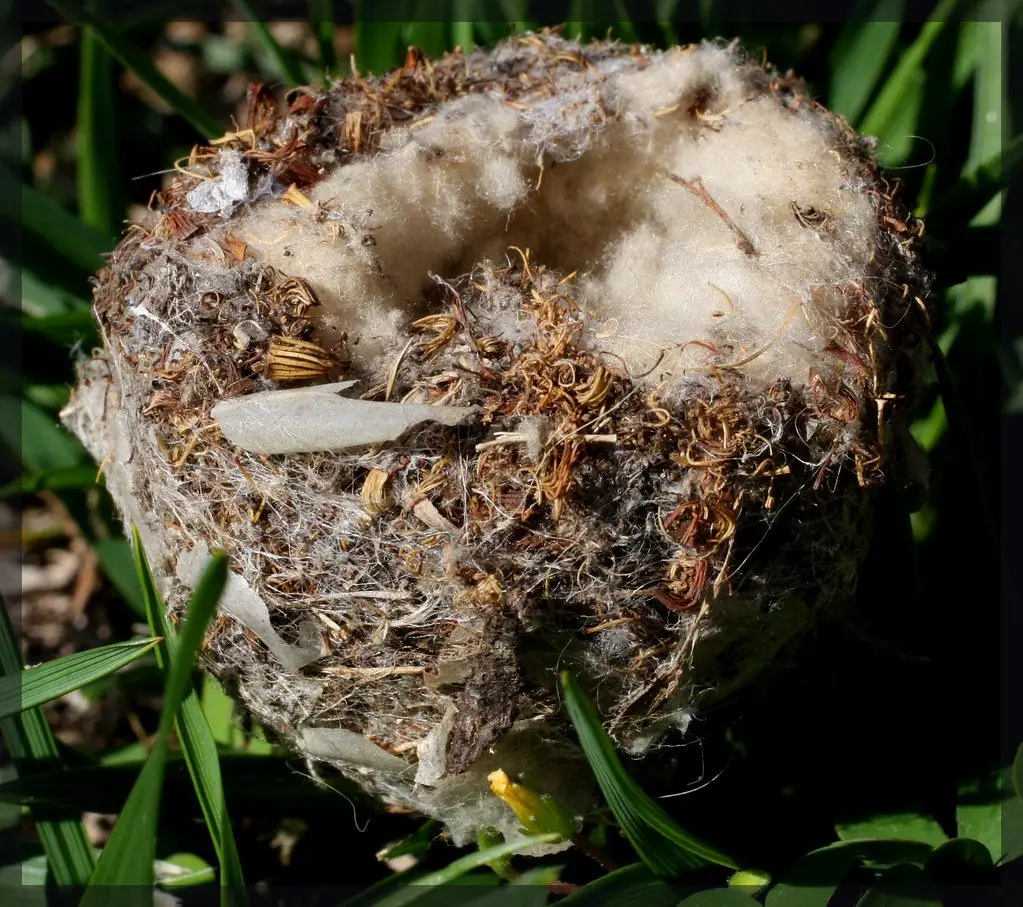
Do Hummingbirds Use Birdhouses? No — Here Is What They Need
Hummingbirds are not cavity nesters, so a birdhouse will never be used. What they actually build, and the four things that bring them in to nest instead.
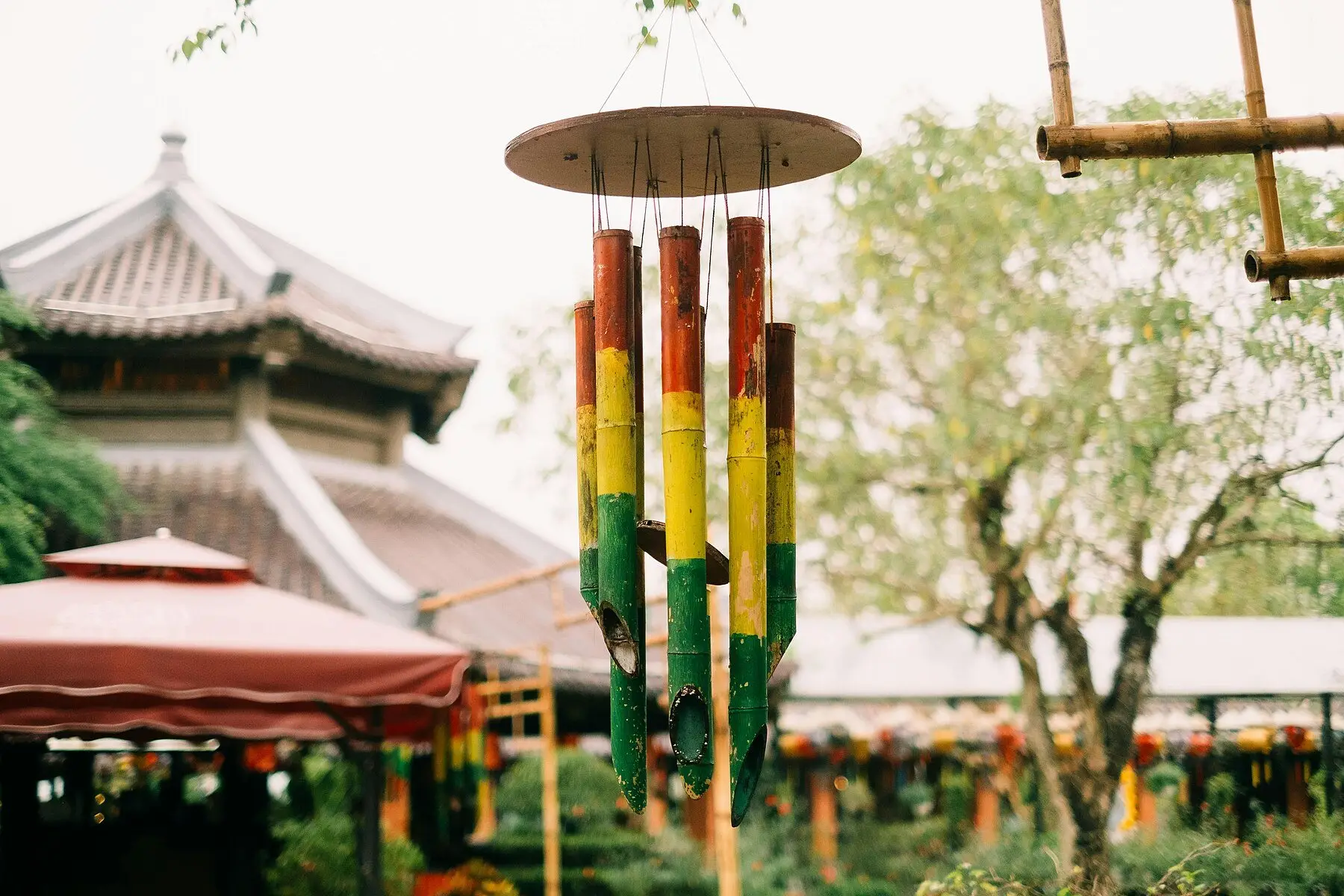
Do Wind Chimes Scare Birds Away? Briefly, Then No
Wind chimes startle birds at first and stop working within days as they habituate. What actually deters birds, and what it costs you at the feeder.
Do Butterfly Houses Work? Almost Never, and Here Is Why
Butterfly houses are sold everywhere and are essentially never used by butterflies. What the research found, and what actually helps them overwinter.