
Why Do Squirrels Hold Their Chest? Posture, Not Pain
Forepaws tucked at the chest is simply where they rest when a squirrel stands upright. What the posture is for, and the signs that do mean something is wrong.
 By
On this page
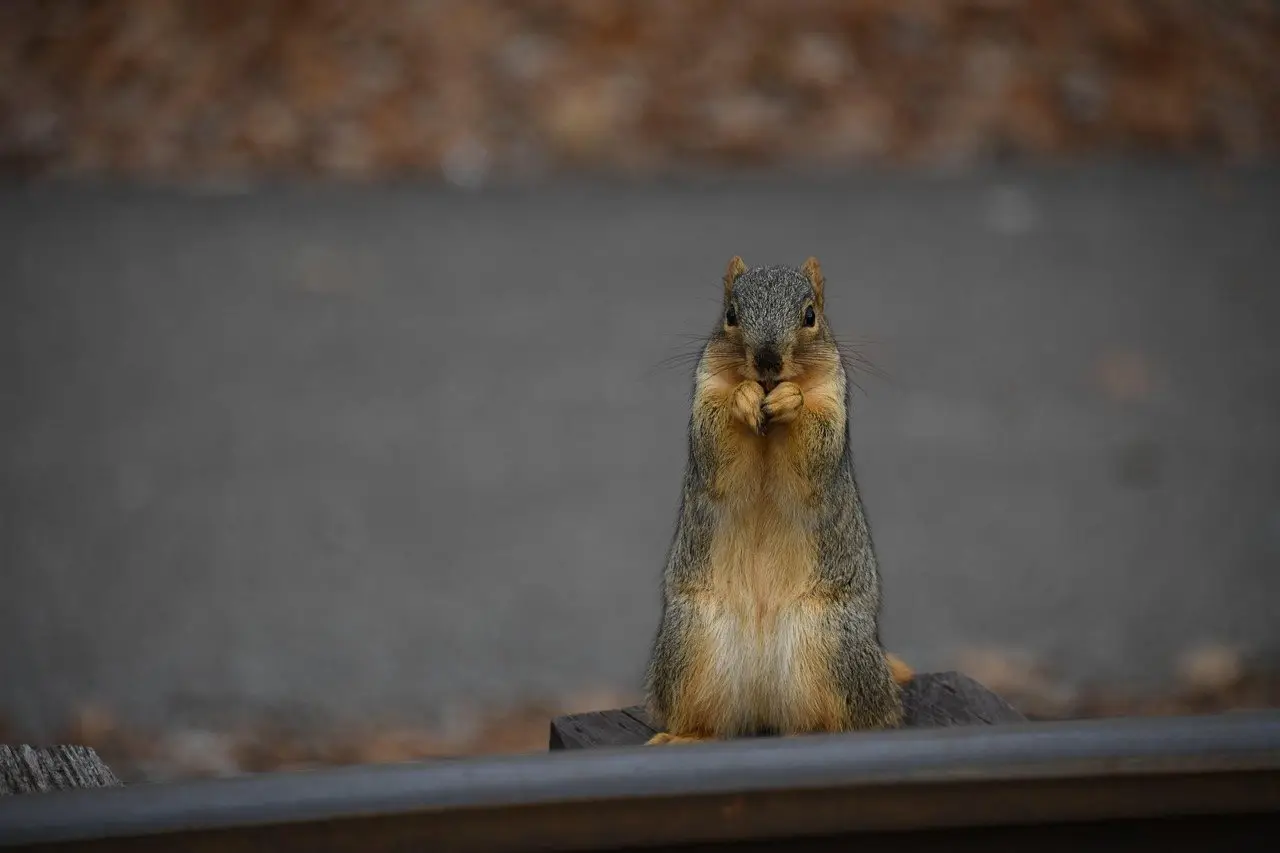
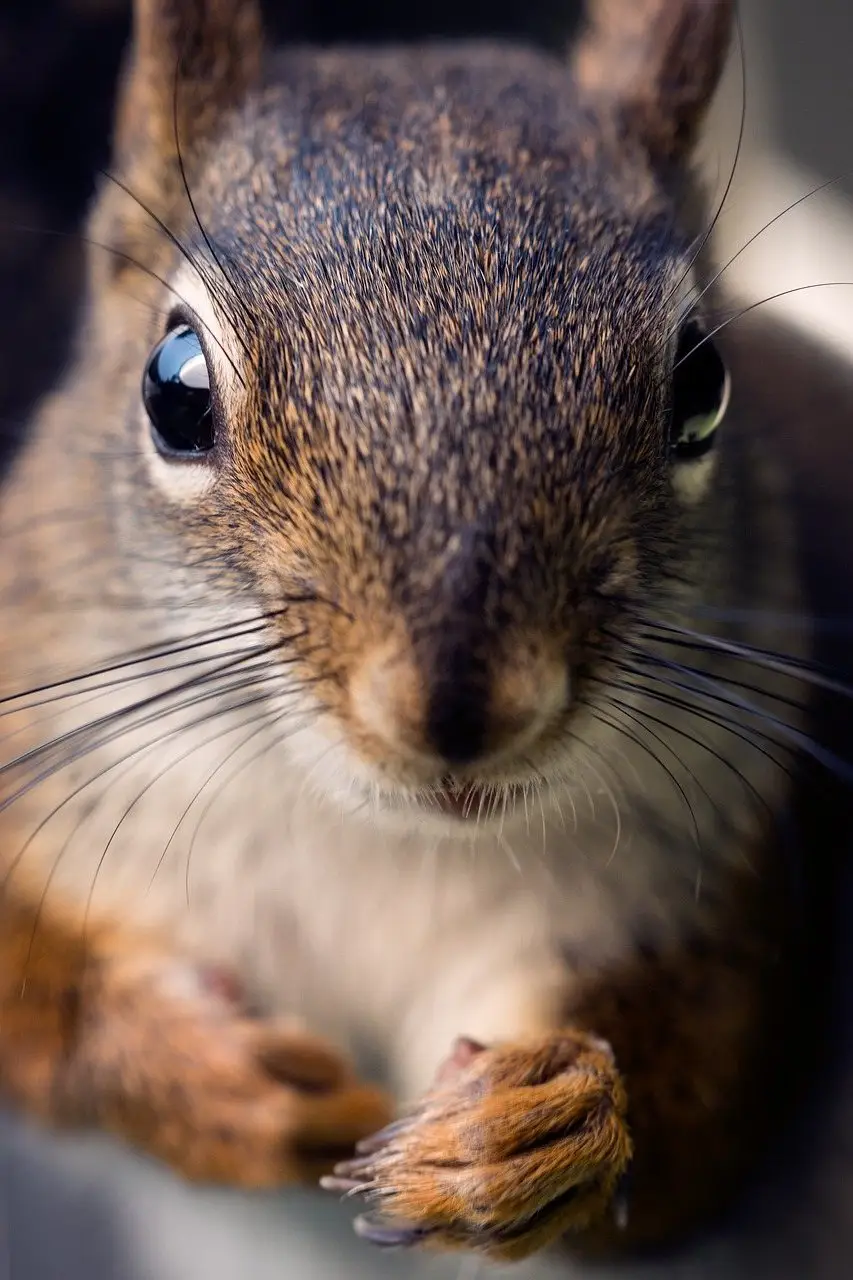
Paws at the chest is where a squirrel’s front feet go when it stands up. Nothing more. It looks like a gesture because it resembles one of ours.
What the upright stance is for
| Height | the head clears grass, leaf litter and low cover; the sightline extends enormously |
| Scent | the nose comes out of ground-level clutter into moving air |
| Readiness | from upright, it can drop and run in any direction at once |
| Handling | both forepaws free to turn a nut over and assess it |
That last one is worth noticing. A squirrel assessing a nut rotates it, which is how it judges weight and whether it is sound. Light or damaged nuts get eaten; good ones get carried off and buried. The upright posture with paws at the chest is often simply the pause between the two.
Why it reads as praying
Humans are extremely good at seeing human gestures in animal posture, and a small upright mammal with its forelimbs folded at the chest is close enough to a familiar shape that the reading happens automatically.
Meerkats, prairie dogs and ground squirrels all produce the same reaction for the same reason. Anatomically they are all doing the same thing: standing up to see further, with nowhere else for the front feet to be.
The one real exception
A habituated squirrel that stands up, extends a paw and steps toward you is doing something directed — reaching for food it expects, because it has been hand-fed before. That is learned behaviour aimed at a person, and it is a good argument for not teaching it: bold squirrels approach strangers and bite.
What distress actually looks like
| normal | a squirrel in trouble |
|---|---|
| Upright, alert, head turning | hunched, head low |
| Sleek coat | fur fluffed out, often patchy |
| Flees or climbs when approached | stays put, or moves slowly |
| Active, moving in bursts | sitting in the open for long periods |
| Eyes clear | discharge, crusting round eyes and mouth |
| Clean skin under the coat | bare grey crusted patches |
A hunched, fluffed squirrel sitting still on a cold day is the posture that warrants attention — not an alert one with its paws tucked.
If you see those signs, do not approach the animal. A frightened squirrel bites deeply, and in most places handling wild squirrels requires a licence. Contact a licensed wildlife rehabilitator and describe what you are seeing.
The other small forepaw behaviours
- Wiping the muzzle and whiskers — grooming after eating
- Working through the coat — grooming, and managing the fleas and mites most wild squirrels carry
- Scrabbling soil, then patting it firm — caching a nut; the patting is deliberate
- Rapid small adjustments while upright — balance, the job the tail does on a branch
All tools. None of them communication.
Common questions
Why does a squirrel hold its paws against its chest?
Is a squirrel holding its chest in pain?
Why do squirrels stand on their hind legs?
What does it mean when a squirrel puts its paws together?
How can I tell if a squirrel is actually unwell?
Why do squirrels rub their paws on their face?
Backyard Weekly
Know what to plant, week by week
Join the weekly email for seasonal jobs, fixes for what is going wrong, and gear worth buying.
Not ready to subscribe? The planting calendar is free and needs no email.
By subscribing you agree to our privacy policy. Grow In Backyard will never sell your address.
Keep reading
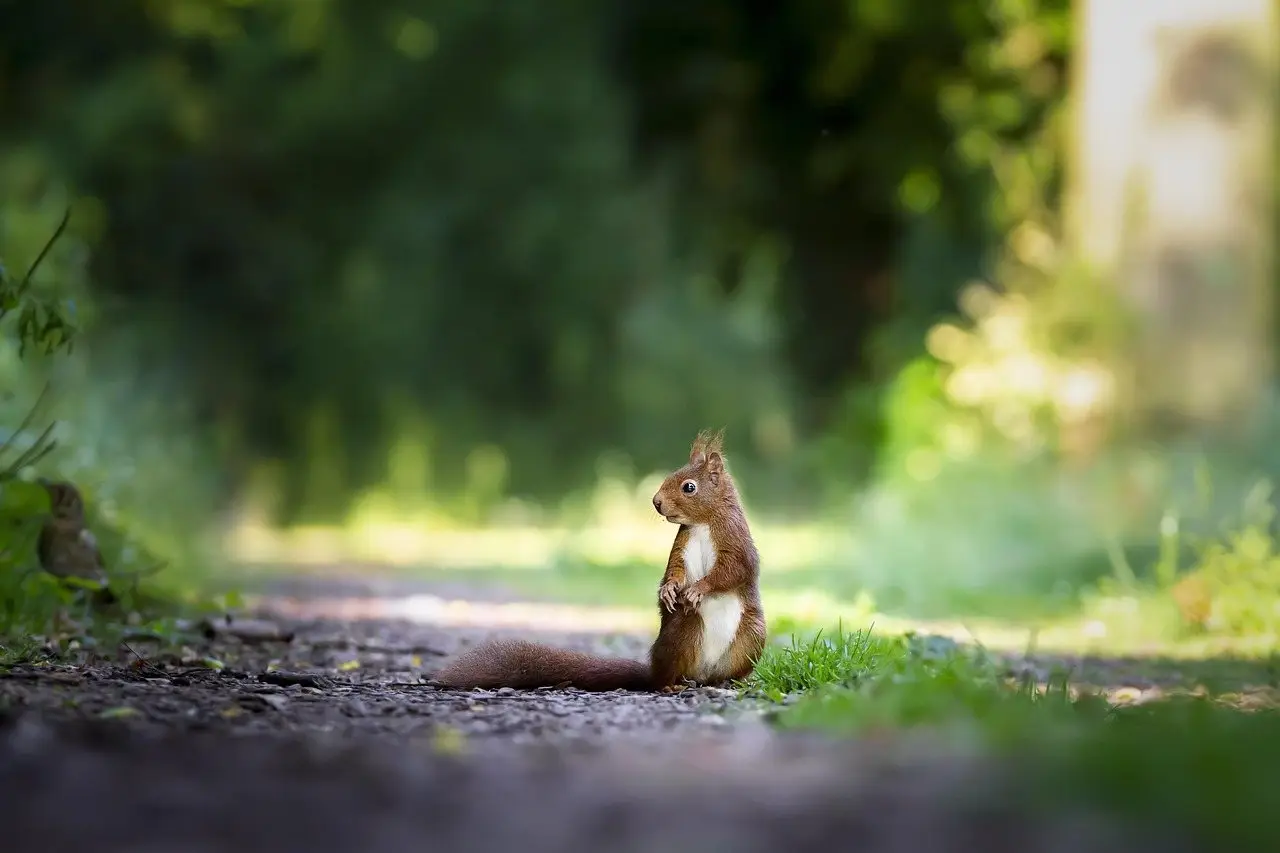
Why Do Squirrels Raise Their Paw? Scent, Pause and Balance
A squirrel freezing with one forepaw lifted is mid-assessment, not waving. What the posture means, how it differs from an injured foot, and when to worry.
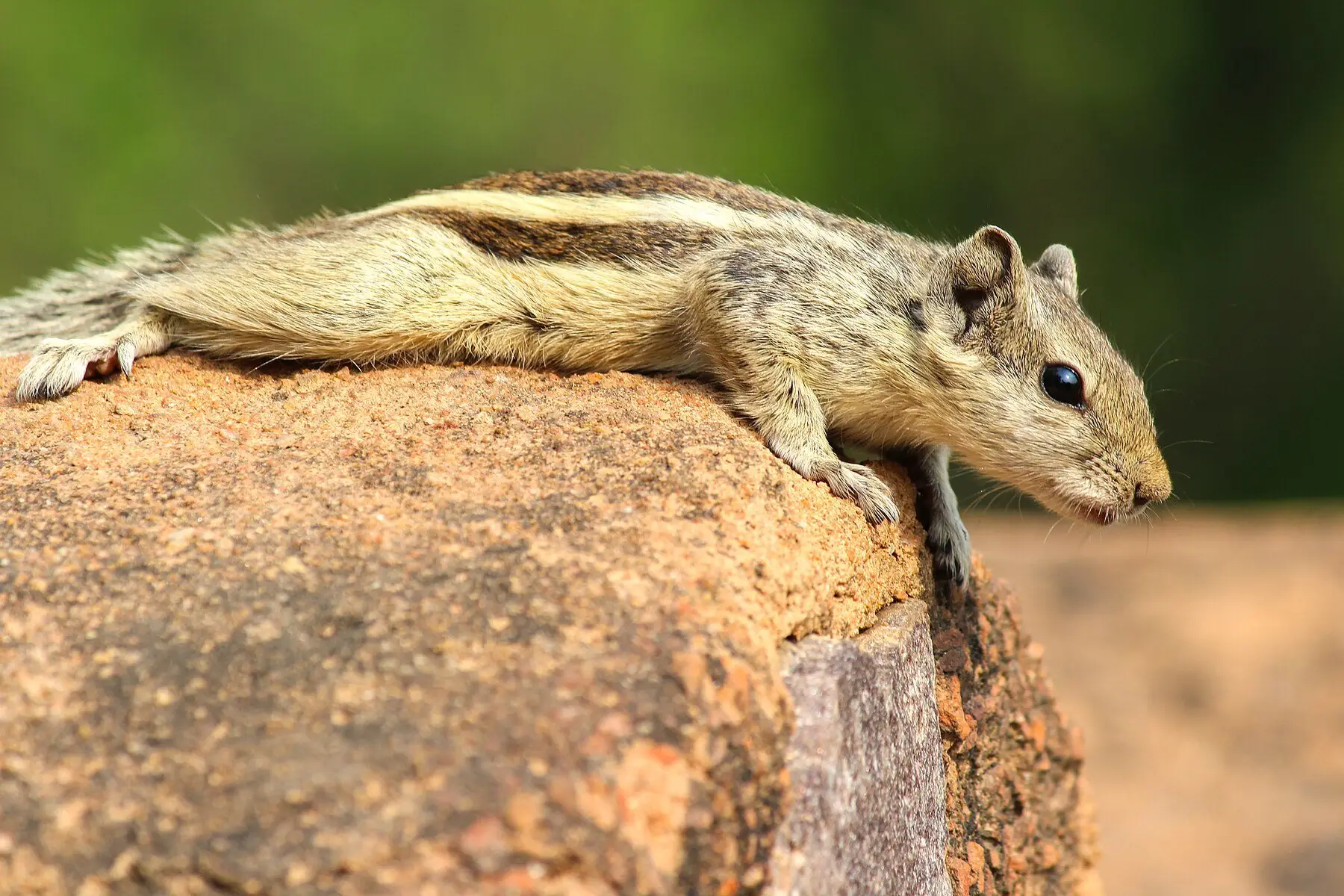
Why Do Squirrels Lay Flat? Splooting Explained, and When to Worry
Splooting is usually heat management, but the same posture can mean something is badly wrong. How to tell the two apart at a glance.
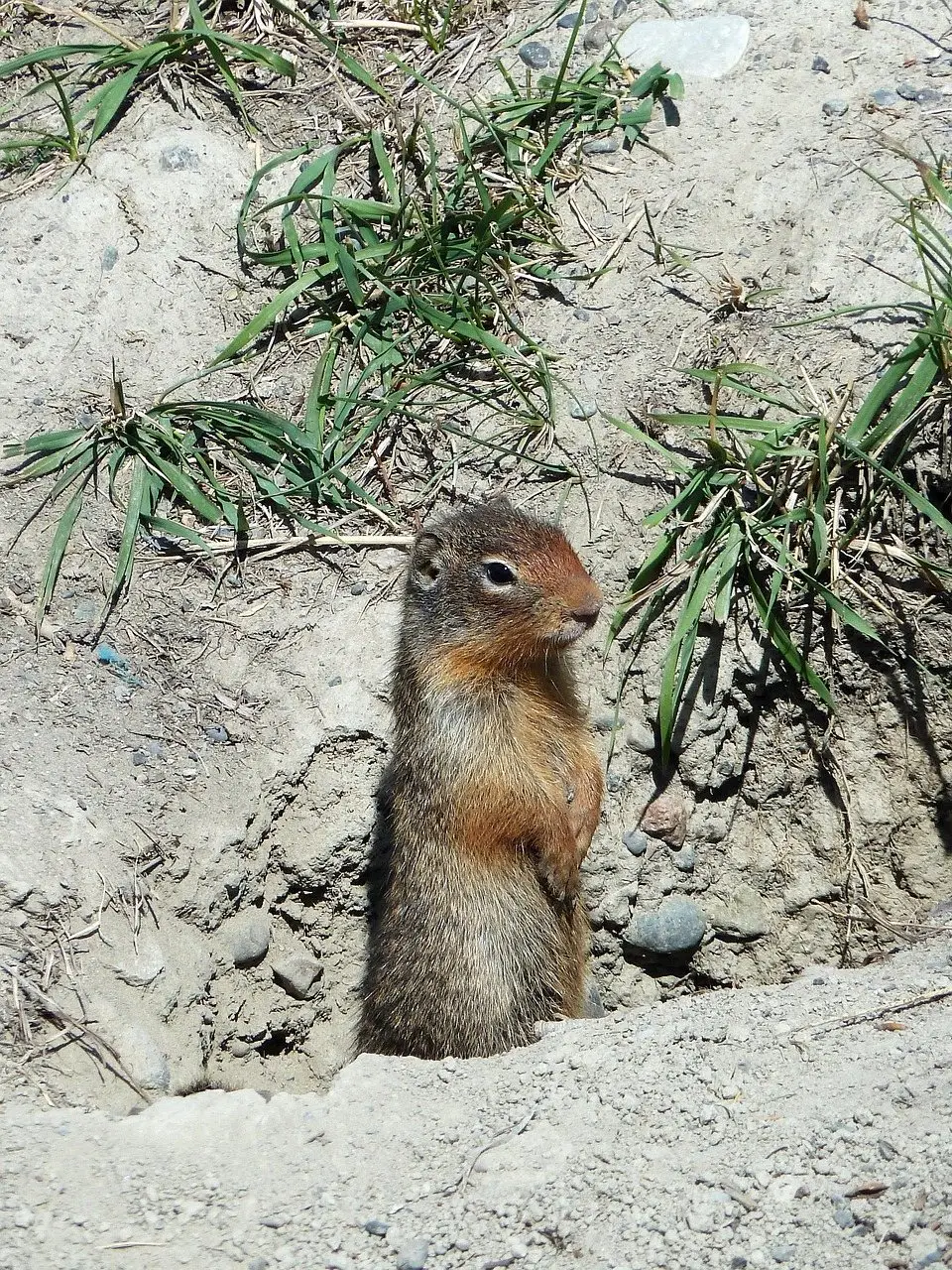
Why Are Squirrels So Twitchy? Everything Is Trying to Eat Them
Freezing, tail-flicking and sudden turns are one system doing one job. What each signal means, and what it says about the predators in your yard.
Why Do Squirrels Look at You? It Is Threat Assessment
A squirrel staring at you is deciding whether you are a predator. What the freeze, the head tilt and the half-turn mean, and what breaks the stare.