
Why Do Squirrels Raise Their Paw? Scent, Pause and Balance
A squirrel freezing with one forepaw lifted is mid-assessment, not waving. What the posture means, how it differs from an injured foot, and when to worry.
 By
On this page
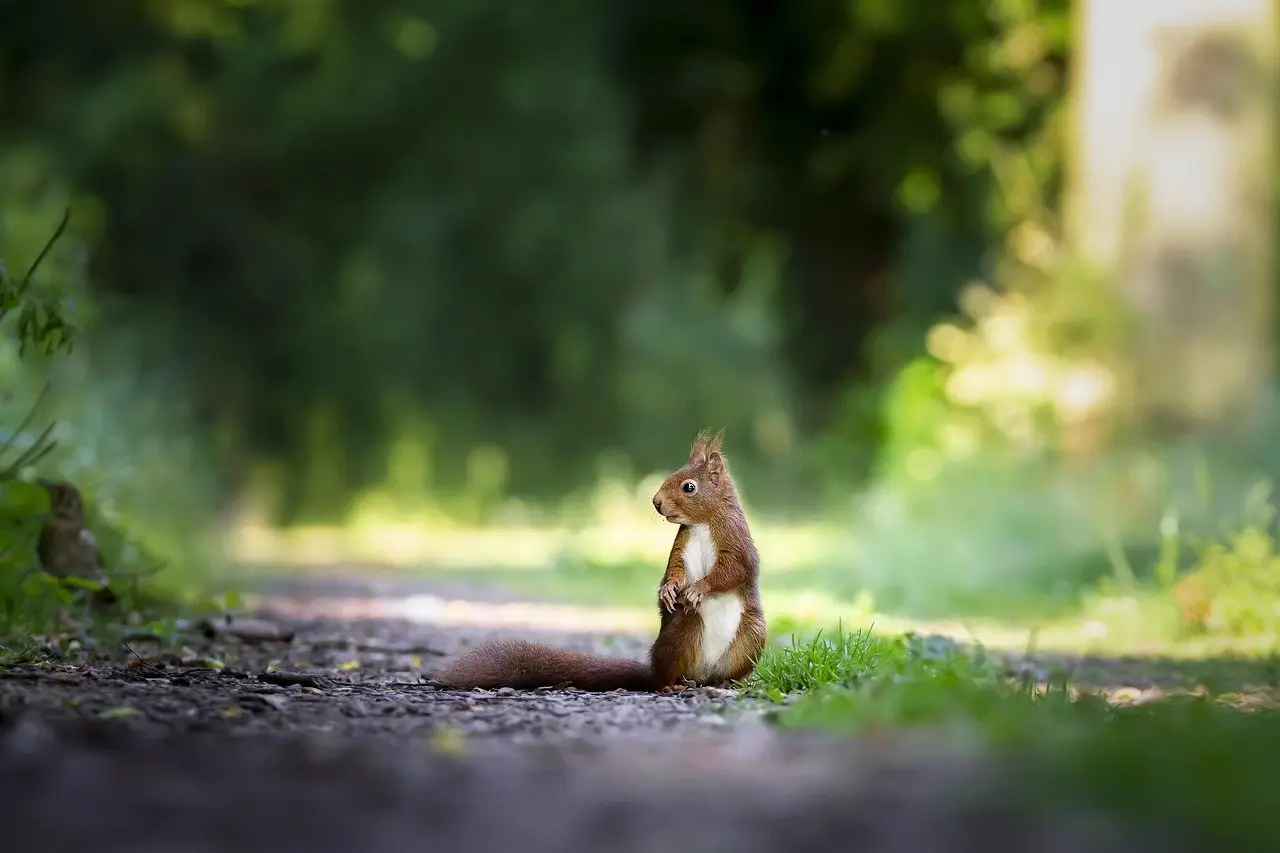
A squirrel with one forepaw in the air has stopped mid-stride. The paw is not raised deliberately — it is where the freeze caught it, and it stays there because putting it down would be movement.
What is actually happening
The sequence takes under a second:
- The squirrel is foraging, moving in short bursts
- Something registers — a sound, a shape, a scent, you stopping on the path
- It freezes instantly, wherever the gait had got to
- One forepaw is in the air because that is where it was
- It assesses: head still, eyes and ears working, often a nose lift
- It either resumes feeding, or goes up the nearest trunk
Freezing is stage one of the squirrel’s two-stage predator response. A motionless squirrel pressed against bark or sitting in leaf litter is genuinely hard to pick out, and hawks and most ground predators key on movement. Finishing the step would undo the whole thing.
The upright version
Standing on the hind legs with both forepaws at the chest is the same behaviour escalated.
- Height. Above grass and leaf litter, the sightline extends enormously
- Scent. The nose comes up out of ground-level clutter into moving air
- Readiness. From upright it can drop and run in any direction
The forepaws end up at the chest because that is their neutral hanging position once the animal is vertical. It looks like prayer or pleading to us for the same reason a meerkat does — the posture happens to resemble a human gesture. It is not one.
The habituated exception
A park squirrel that stands up, holds a paw out and steps toward you is doing something different: it is reaching for food it expects. That is learned behaviour, and it is the one case where the forelimb movement really is aimed at a person — which is also a good reason not to teach it.
Telling a pause from an injury
| normal pause | injury | |
|---|---|---|
| Duration | seconds | continuous |
| While moving | paw goes down | held up, no weight on it |
| Climbing | normal | avoids or struggles |
| Posture | alert, head up | hunched, slow, often fluffed |
| Coat and condition | normal | often poor, thin, crusted |
A squirrel that runs three-legged across a lawn and up a tree has a damaged limb. Most minor injuries heal; squirrels are tough and a stiff foreleg is survivable.
What to do about it is mostly nothing. Do not try to catch it — a frightened squirrel bites hard, the bite can need medical attention, and in most places handling or keeping wild squirrels requires a licence. If it is clearly unable to climb, is being harassed by a cat, or is sitting hunched and unresponsive, call a licensed wildlife rehabilitator and let them decide.
The other small forepaw movements
- Rubbing the face and whiskers — grooming, usually after eating
- Turning a nut over and over — assessing weight and soundness before caching; a light or damaged nut gets eaten rather than buried
- Scrabbling at soil, then patting it down — caching, and the patting is deliberate
- Rapid small adjustments while upright — balance, the same job the tail does on a branch
None of them is communication. Squirrels talk with their tails and their voices.
Common questions
Why does a squirrel raise one front paw?
Is a squirrel with a raised paw hurt?
Why do squirrels stand up on their hind legs?
What does it mean when a squirrel holds its paws to its chest?
Do squirrels wave at people?
Why is a squirrel sniffing the air with a paw up?
Backyard Weekly
Know what to plant, week by week
Join the weekly email for seasonal jobs, fixes for what is going wrong, and gear worth buying.
Not ready to subscribe? The planting calendar is free and needs no email.
By subscribing you agree to our privacy policy. Grow In Backyard will never sell your address.
Keep reading
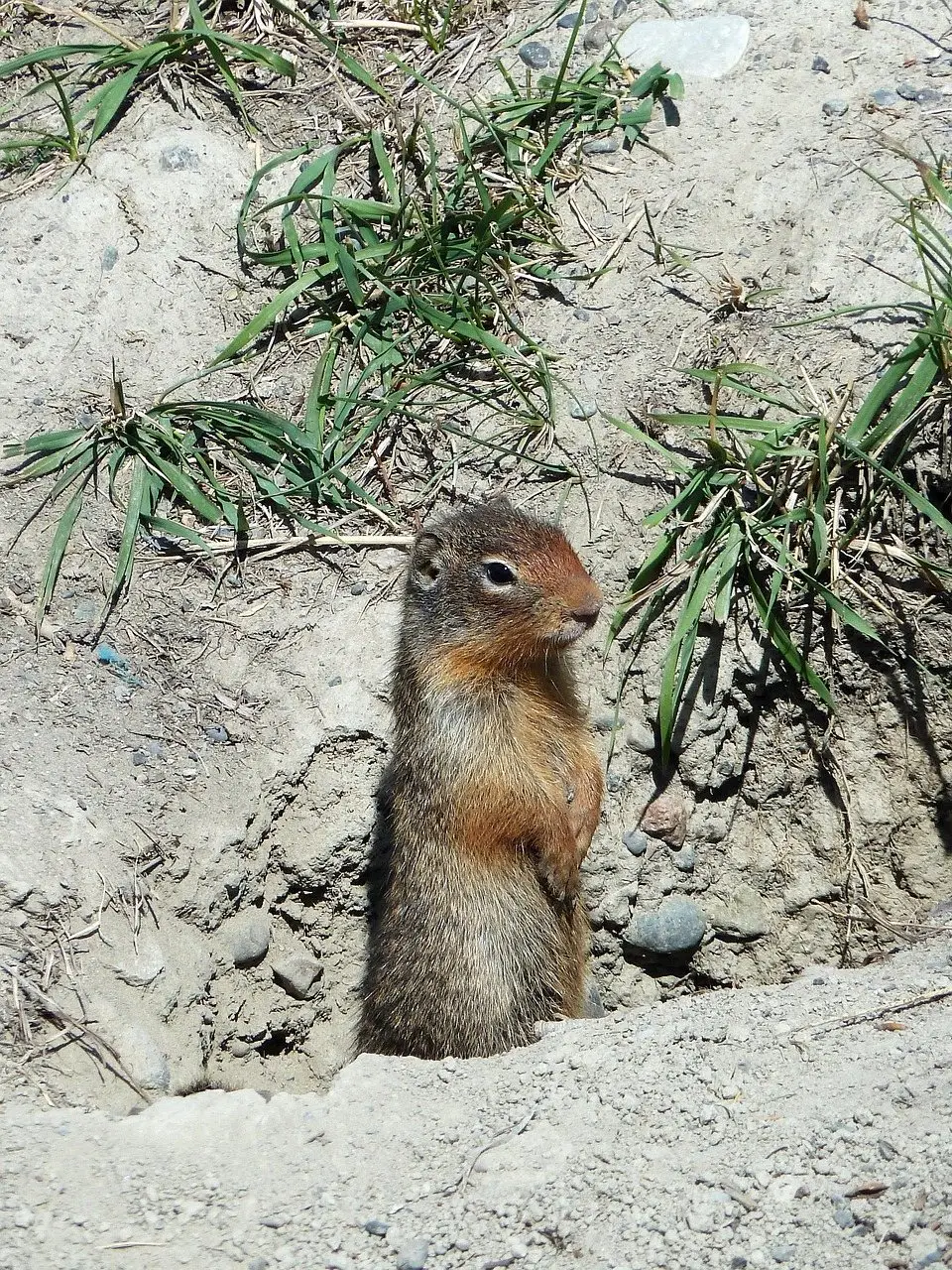
Why Are Squirrels So Twitchy? Everything Is Trying to Eat Them
Freezing, tail-flicking and sudden turns are one system doing one job. What each signal means, and what it says about the predators in your yard.
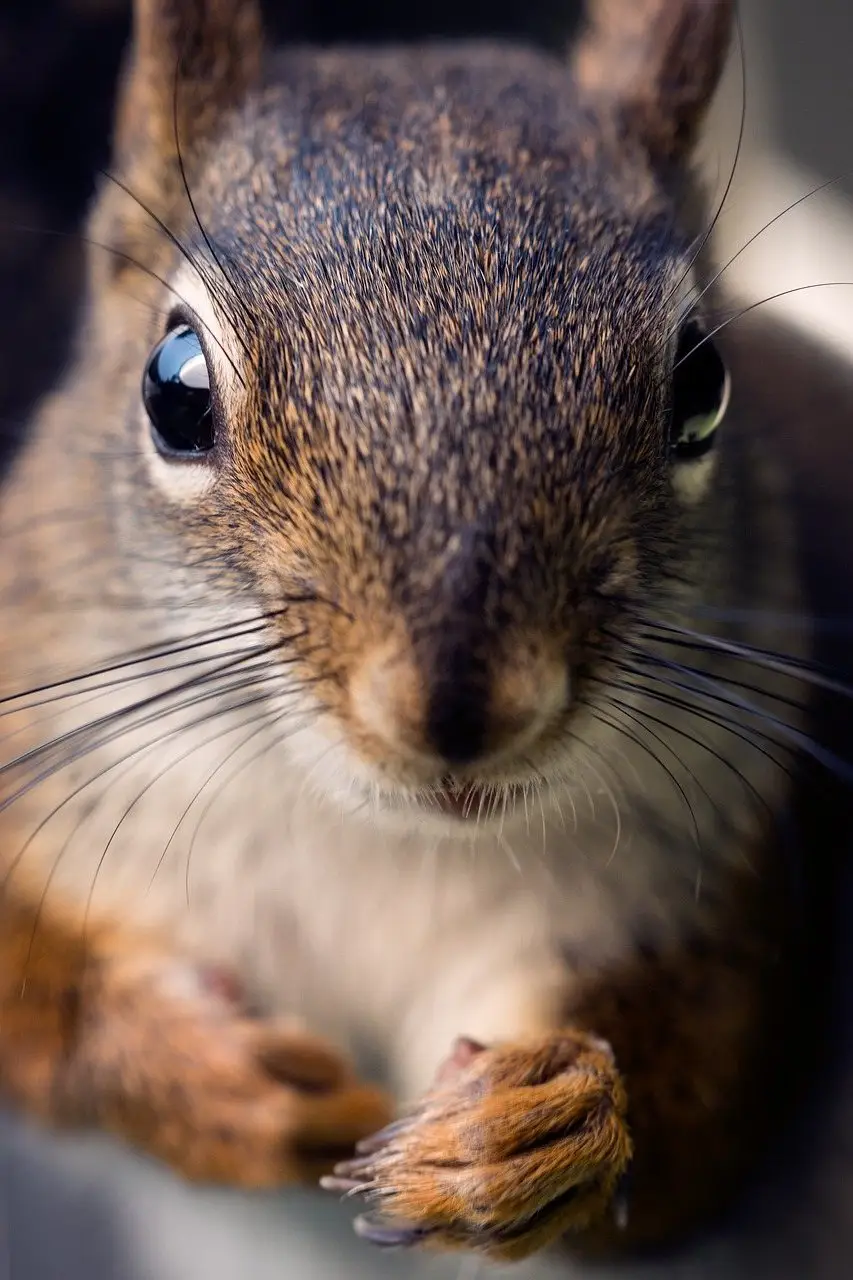
Why Do Squirrels Look at You? It Is Threat Assessment
A squirrel staring at you is deciding whether you are a predator. What the freeze, the head tilt and the half-turn mean, and what breaks the stare.
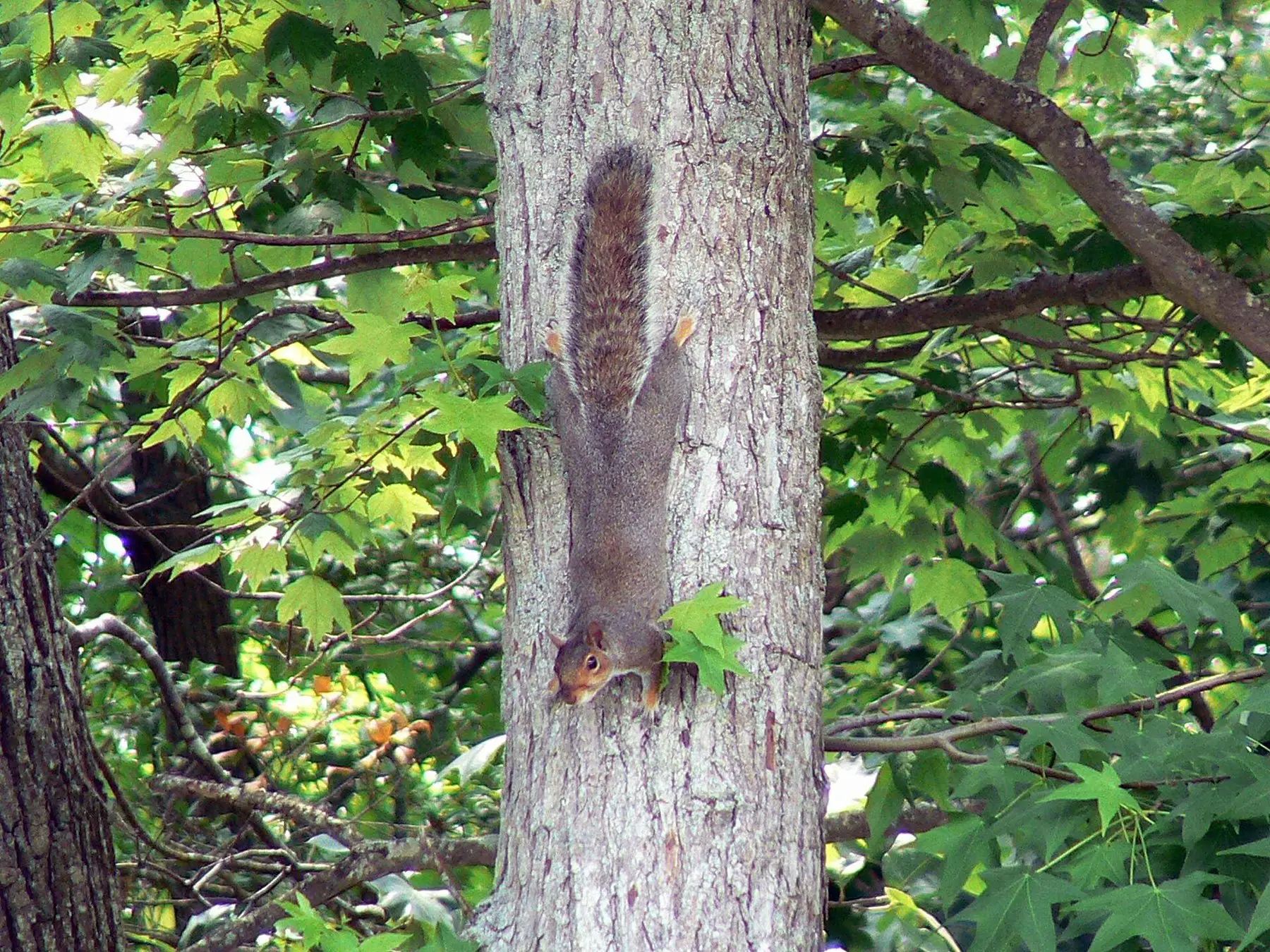
Why Do Squirrels Bury Nuts? And How They Find Them Again
Squirrels cache thousands of nuts a year, in separate holes, and relocate them by memory and smell — while faking burials for any squirrel watching.
Why Do Squirrels Run in Front of Cars? Hawk Evasion, Badly Aimed
Zig-zagging at the last moment defeats a predator that has to commit to an intercept. A car cannot be dodged the same way, and is far wider.