
Why Do Ducks Drink So Much Water? Bills, Nares and Food
A duck needs water to swallow, to flush its nostrils and to keep its bill working. How much a duck drinks a day, and why most of it never gets swallowed.
 By
On this page
A duck needs water for three jobs — swallowing, flushing its nostrils, and washing its eyes — and then wastes vastly more than it drinks. The drinking is half a litre a day. The consumption is often a gallon.
Reason 1: they cannot swallow dry
A duck’s bill and tongue cannot grind or manipulate food the way a mammal’s mouth does. The mechanism is simple and it is wet: a mouthful of feed, then a mouthful of water to flush it back and down.
This is why a duck eats in a sequence of trips between feeder and waterer, and why those two things must be within a step of each other. A duck with dry feed and no water either chokes or stops eating altogether — and a duck that stops eating is in trouble within a day.
This is the one thing never to get wrong
Water running out matters more for ducks than for any other common backyard bird. Not as a comfort issue — as a choking and feeding issue. If you are going out for the day, the waterer is the thing to check twice.
Reason 2: the nares
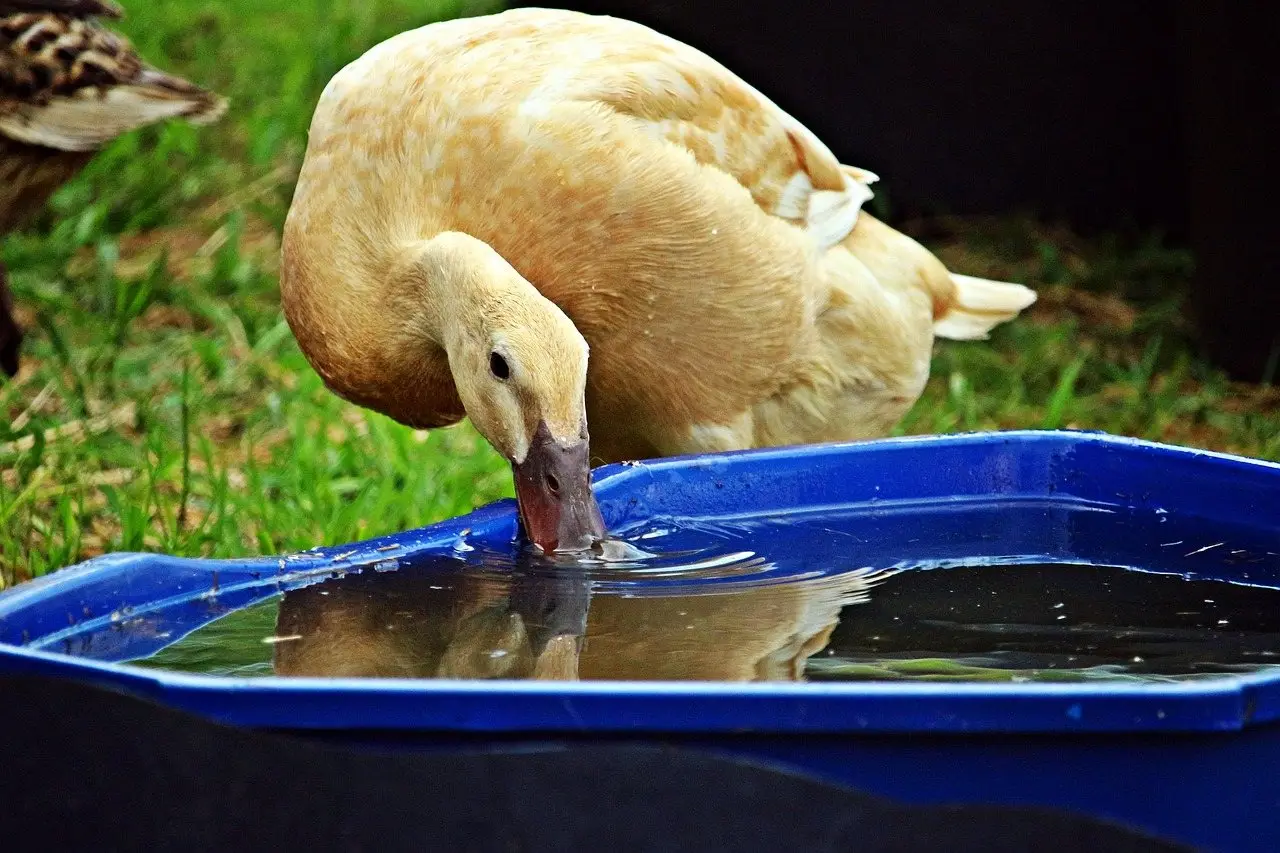
The nostril openings near the base of a duck’s bill clog readily with wet mash, mud and dust. A duck clears them by submerging the entire bill and blowing water through.
A waterer too shallow for that produces:
- Crusted, blocked nostrils
- Mouth breathing, and respiratory irritation
- Eventually sinus infection
The depth requirement is not a preference. Three to four inches minimum, enough for the whole bill and ideally the head.
Reason 3: eyes, and feathers
- Eye washing. Ducks have no effective tear mechanism for grit and dust; dunking is the cleaning system
- Preening water. A duck works water through its plumage and then redistributes oil from the preen gland. Without bathing water the feathers lose their waterproofing, which matters a great deal in rain and cold
- Thermoregulation. Ducks cannot sweat and pant poorly, so wetting feet, bill and feathers is how they shed heat
How much, in numbers
| per adult duck per day | |
|---|---|
| Actual drinking | 0.5–1 quart (0.5–1 L) |
| Laying duck, warm weather | up to 1.5 quarts |
| Total water provided and fouled | 1 gallon or more |
| Bathing water, if offered separately | several gallons, changed often |
Plan the setup around the larger figure. Ducks will foul a bucket within hours, and the gap between what they need and what they go through is where all the labour is.
A waterer that works
- Depth of at least 3–4 inches, open enough for the whole head
- Heavy and stable — ducks tip anything light
- On a slatted platform over gravel or a drain, which handles the splash
- Automatic float valve if there is a tap nearby; it halves the work
- Emptied and refilled, not topped up. Droppings and feed sludge concentrate at the bottom
- Nipple drinkers only as a supplement, never as the only source — they cannot flush nares
- Heated base or a de-icer in freezing climates; a duck without liquid water cannot eat
Why dirty water is a real risk
Ducks tolerate more than chickens, which is not a reason to let it slide.
- Botulism from stagnant, warm, organically loaded water — it kills quickly and in numbers
- Heavy coliform loads in water fouled with droppings
- Algal problems in standing summer water
- Mosquito breeding in anything left still for a week
Dump and refill daily. In heat, twice.
Common questions
Why do ducks drink so much water?
How much water does a duck drink per day?
Do ducks need water to eat?
Why do ducks dunk their heads in water?
What kind of waterer do ducks need?
Can ducks drink dirty water?
Backyard Weekly
Know what to plant, week by week
Join the weekly email for seasonal jobs, fixes for what is going wrong, and gear worth buying.
Not ready to subscribe? The planting calendar is free and needs no email.
By subscribing you agree to our privacy policy. Grow In Backyard will never sell your address.
Keep reading
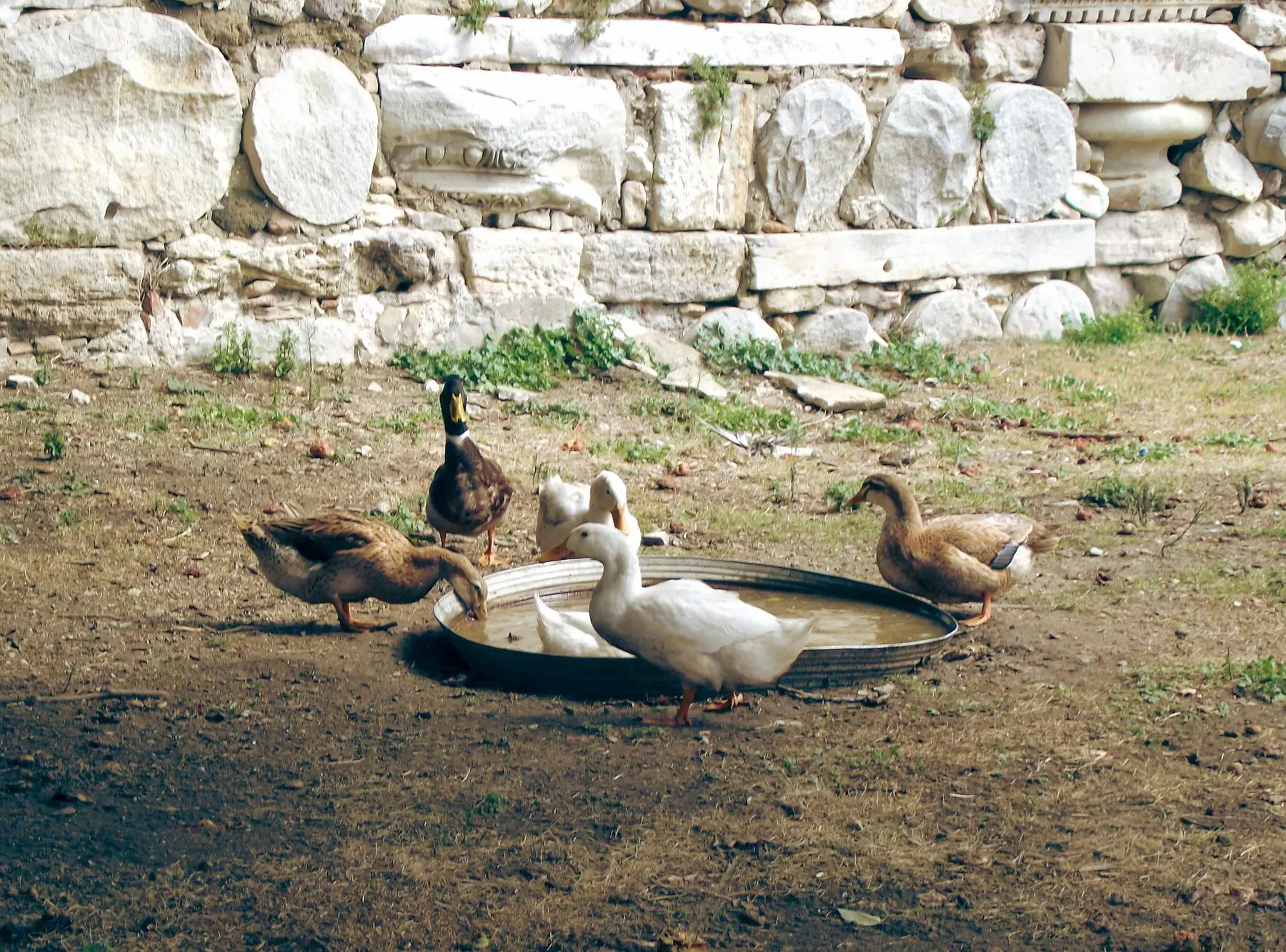
Do Ducks Need Water at Night? Drinking vs Swimming
Ducks need drinking water available overnight if they also have food, but swimming water can be taken away. The safety reasons for splitting the two.
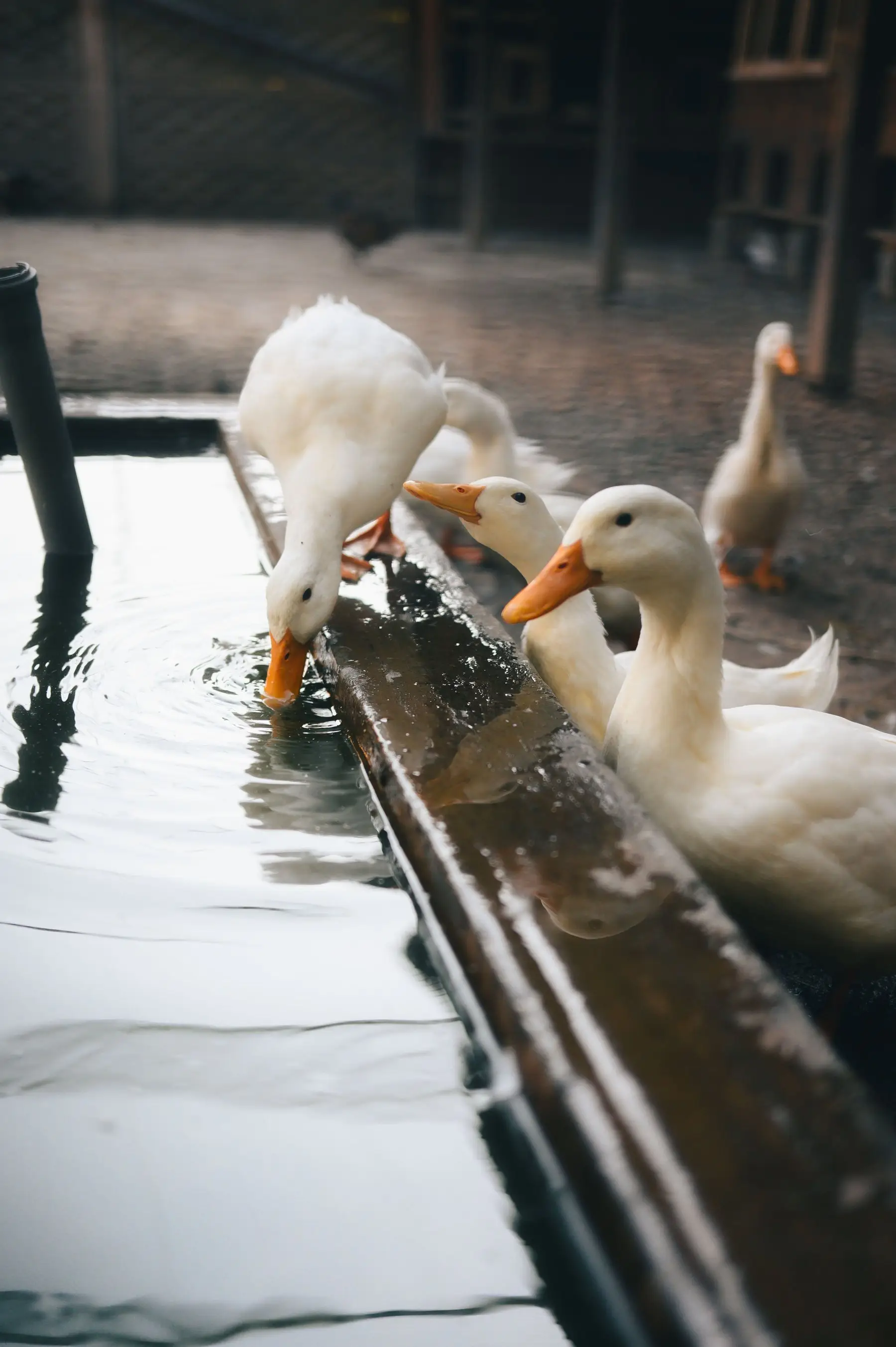
How to Keep Ducks From Spilling Water: What Actually Works
Ducks will always make a mess of water — it is how they feed and clean. Waterer setups that contain the mess without taking away what they need.
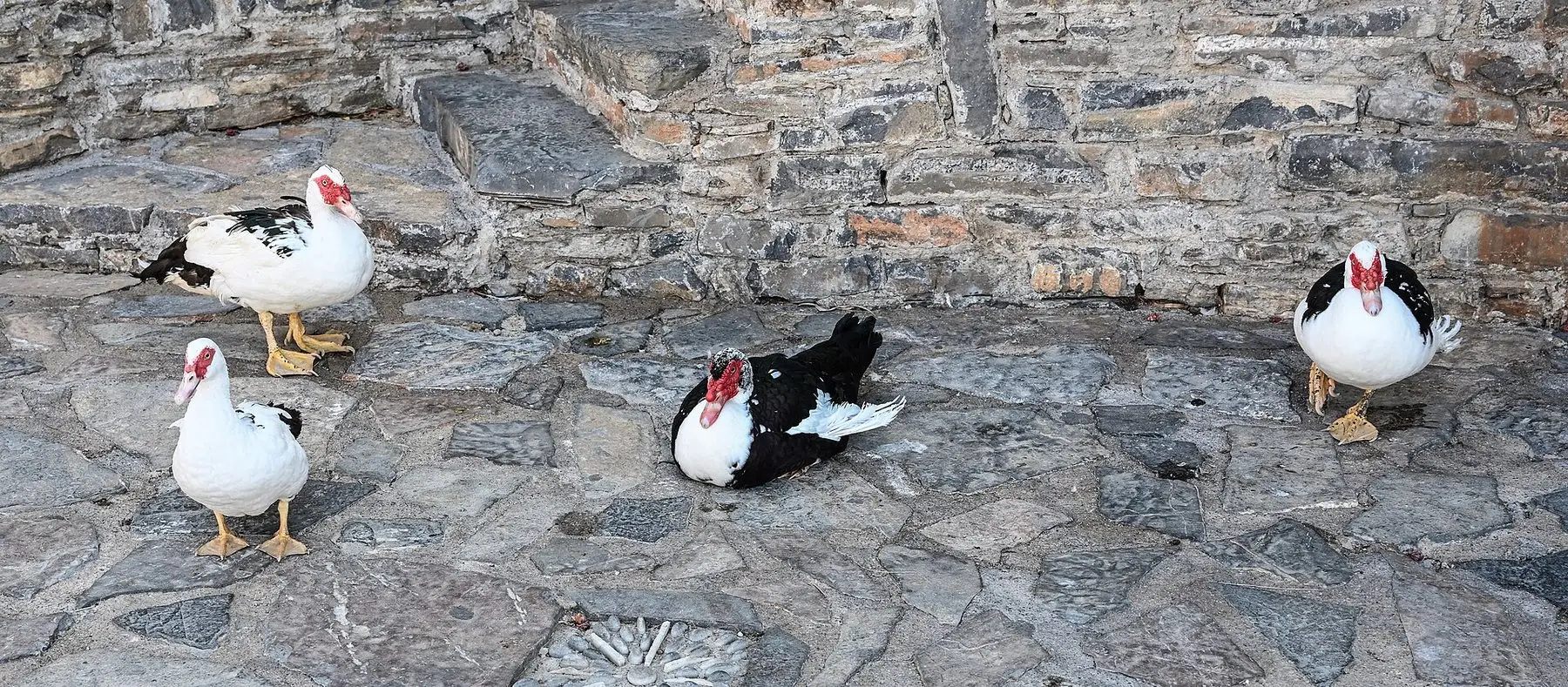
Do Ducks Need a Pond? What They Actually Require
Ducks do not need a pond, but they do need water deep enough to submerge their heads. What that means in practice, and what happens without it.
Why Do Ducks Like Water? Six Jobs It Does for Them
Water is not recreation for a duck. It waterproofs feathers, flushes eyes and nostrils, cools, feeds, and makes mating safe. What they actually need.