
Do Ducks Need Water at Night? Drinking vs Swimming
Ducks need drinking water available overnight if they also have food, but swimming water can be taken away. The safety reasons for splitting the two.
 By
On this page
Two different questions get asked as one. Drinking water and swimming water have opposite answers — and the reason is a choking hazard, not a comfort one.
Why the two questions split
| Drinking water | Swimming water | |
|---|---|---|
| Needed overnight | Only if food is there | No |
| If left in | Wet bedding unless the drinker is designed for it | Soaked bedding by morning |
| Risk of omitting | Choking, if food is down | None |
| Risk of including | Damp house | Cold, filthy house; drowning risk for ducklings |
A duck swallows by flushing. There is no saliva doing the work that a mammal’s does — feed goes down with water. That is the whole basis of the rule, and it is why the pairing matters more than either item alone.
Food without water is the one genuinely dangerous combination
A duck shut in with dry pellets and an empty drinker will still try to eat. Choking on impacted feed is a real and reasonably common way for backyard ducks to die overnight.
If in any doubt about the drinker, take the food out.
The standard arrangement
- Dusk: ducks go in, food and water come out
- Dawn: ducks come out, food and water go back
- Bathing water lives in the run, never in the house
- Bedding stays dry, which is most of duck health
This works because ducks sleep solidly through the dark and wake ready to eat. The failure mode is not hunger — it is a let-out four hours after sunrise.
If your mornings are late
Leave water in, but choose a drinker that does not wet the house:
- Nipple drinkers — almost no spillage, though ducks cannot dunk their heads in them, so they are a night solution rather than a day one
- A narrow drinker on raised mesh over a tray, so splash drains away from the bedding
- Deep, narrow containers rather than open bowls, which get dabbled in
With water genuinely available, leaving food down is fine.
Ducklings
Different rules. Ducklings must have water available whenever they have food, which is continuously for the first weeks, and the water must be shallow enough that they cannot get into it — a drinker with marbles or pebbles in the trough is the usual fix. A wet, chilled duckling is a dying duckling, and they cannot waterproof themselves until their feathers come in.
The part that actually matters
Water overnight is a small question. Whether the house is predator-proof is a large one. Ducks do not roost, do not fly well, and do not wake usefully; a fox that gets in finds every bird on the floor. Hardware cloth rather than chicken wire, a latch a raccoon cannot work, and a floor nothing can dig under — that is the thing to spend the effort on.
Common questions
Do ducks need water at night?
Do ducks need a pool or pond overnight?
Is it cruel to take water away at night?
What if I cannot let them out early in the morning?
Do ducks need to be shut in at night at all?
How much water does a duck drink a day?
Backyard Weekly
Know what to plant, week by week
Join the weekly email for seasonal jobs, fixes for what is going wrong, and gear worth buying.
Not ready to subscribe? The planting calendar is free and needs no email.
By subscribing you agree to our privacy policy. Grow In Backyard will never sell your address.
Keep reading
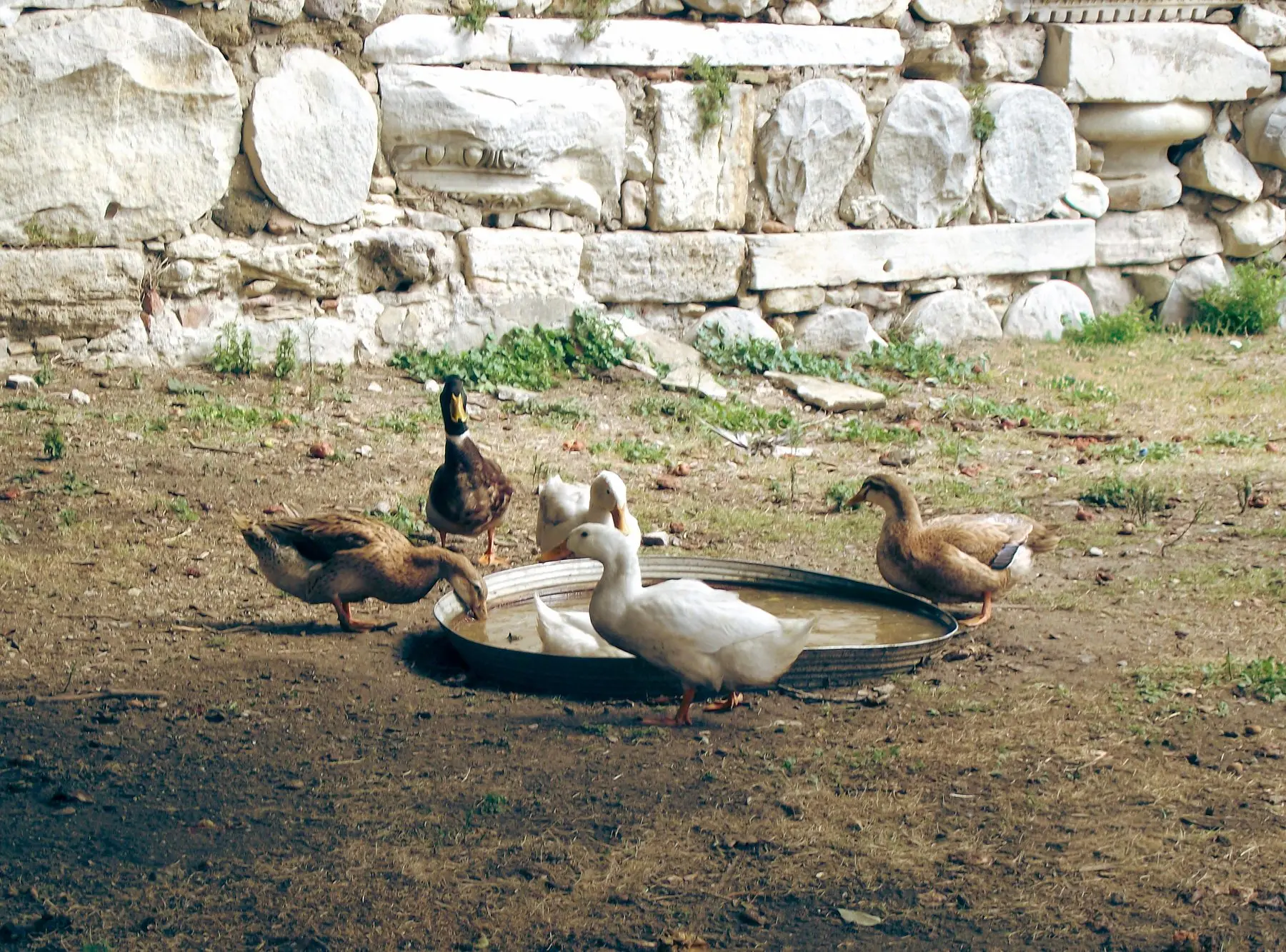
Do Ducks Need a Pond? What They Actually Require
Ducks do not need a pond, but they do need water deep enough to submerge their heads. What that means in practice, and what happens without it.
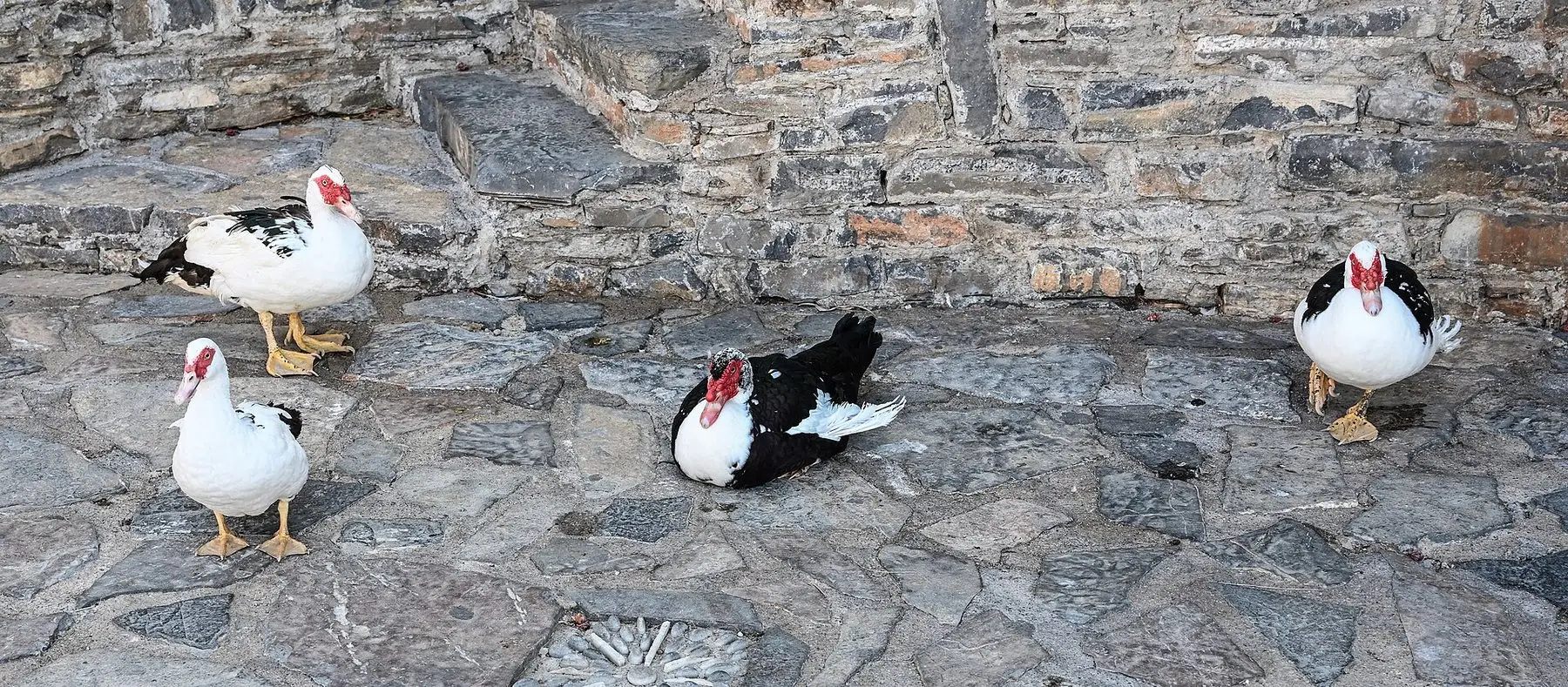
Keeping Ducks in Residential Areas: Rules, Mess and Neighbours
Ducks are quieter than roosters but far messier than hens. The zoning questions to ask first, and what a suburban duck setup actually has to handle.
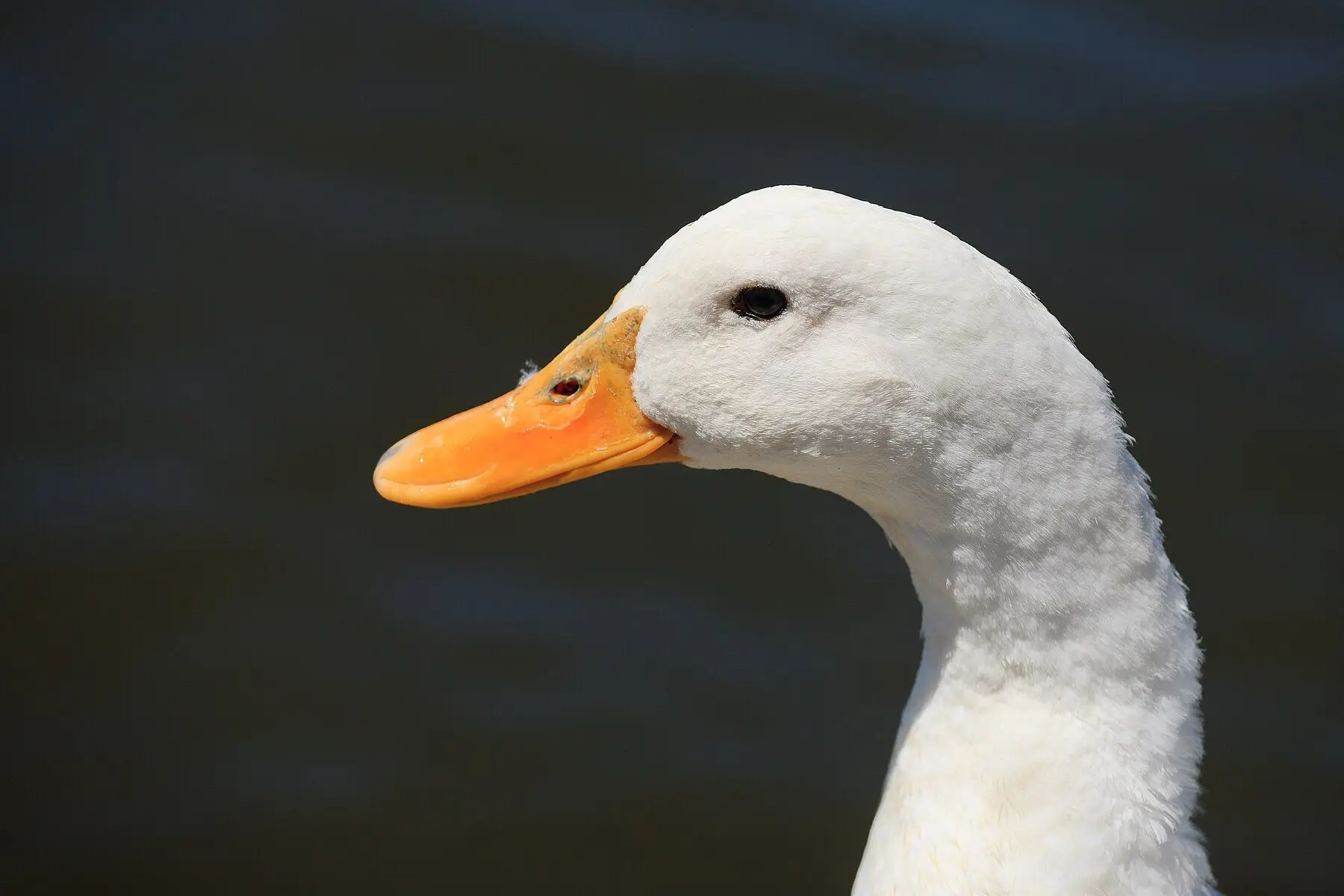
How Long Can Ducks Go Without Food? And Without Water
An adult duck copes with a day without food but only hours without water in heat. The real limits, why water is the tighter one, and what ducklings need.
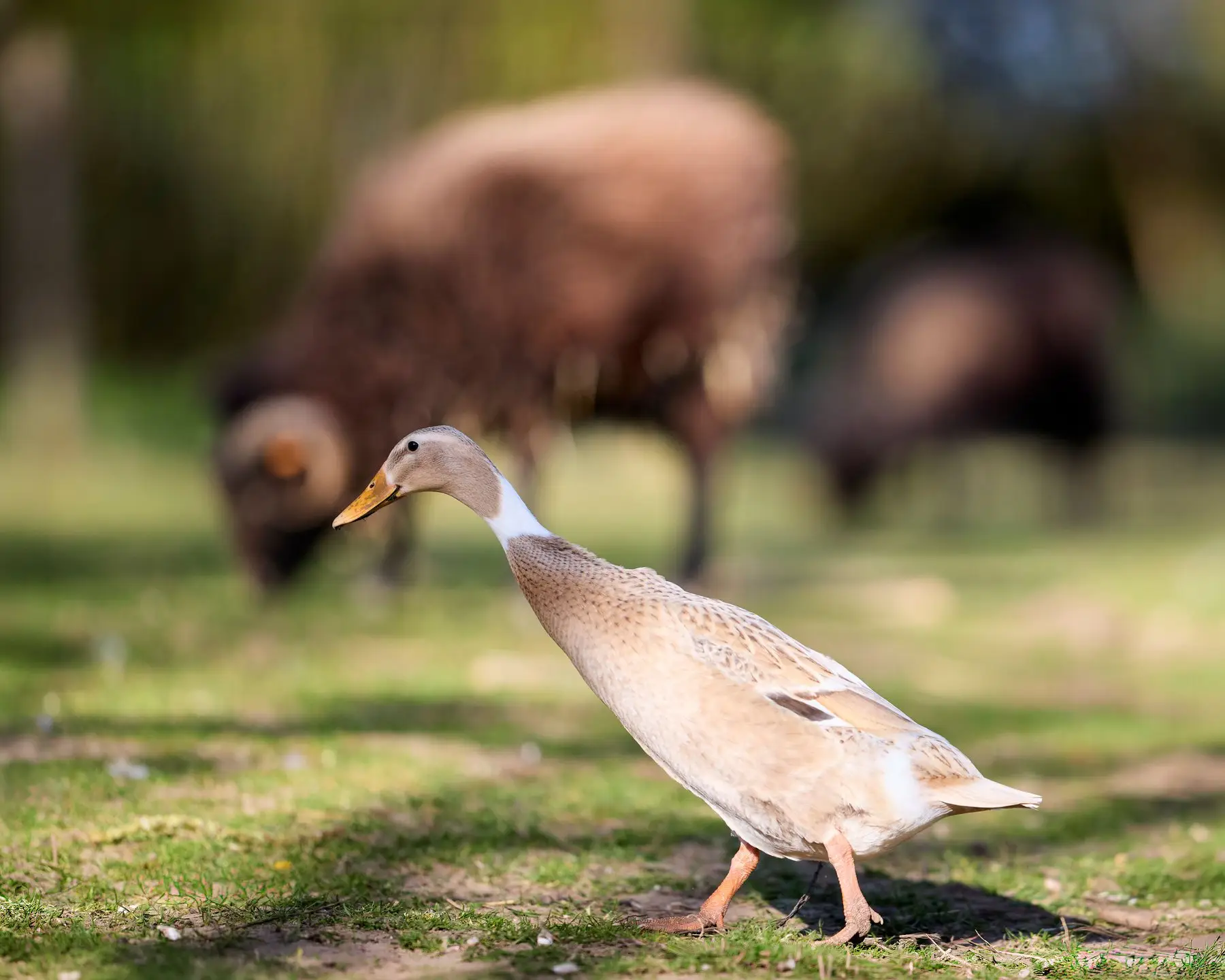
How to Keep Ducks From Spilling Water: What Actually Works
Ducks will always make a mess of water — it is how they feed and clean. Waterer setups that contain the mess without taking away what they need.