
How to Keep Ducks From Spilling Water: What Actually Works
Ducks will always make a mess of water — it is how they feed and clean. Waterer setups that contain the mess without taking away what they need.
 By
On this page
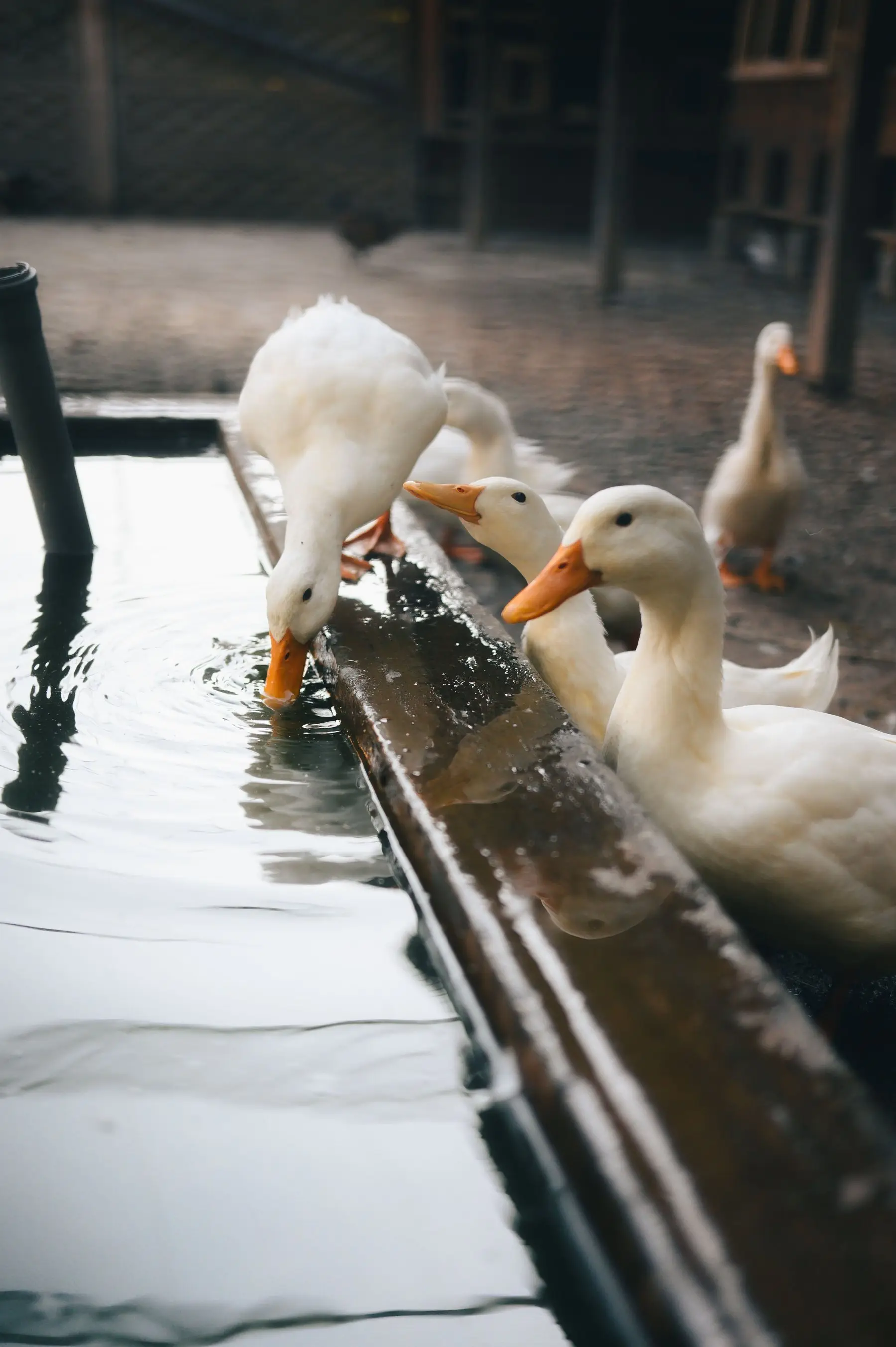
You contain the mess. You do not prevent it. Dabbling and head-dunking are how a duck drinks and cleans itself, so any setup that truly stops the splashing has also stopped something the bird needs to do.
Why “stop the mess” is the wrong goal
A duck drinks by scooping, and needs to submerge its whole head daily to flush its nares and wash its eyes. Nothing else does those jobs.
So the setups that genuinely eliminate splashing — sealed nipple lines, shallow cups — have also removed head submersion.
Nipple and cup drinkers are a supplement, never the whole supply
They deliver clean drinking water and they do not let a duck put its head under.
Used alone, they leave a bird unable to clear its nostrils or rinse its eyes. If you want them for cleanliness, an open container deep enough for the head still has to be available through the day.
The setup that works
1. Dig a shallow sump where the waterer stands. Take out six to eight inches of soil, roughly a foot wider than the waterer on every side, and fill it with coarse gravel.
2. Stand the waterer on a mesh platform over it. Welded wire mesh or a grid panel cut to sit across the sump. Splash drains straight through, and the birds stand on mesh rather than in a puddle.
3. Raise it to the birds’ back height. High enough that they cannot climb in, sit in it or tip it — low enough that the whole head still goes under.
4. Cut head holes rather than leaving an open tub. A lidded bucket with holes at head height gives full submersion while keeping the body out. Make them big enough for head and neck, and smooth the cut edges.
5. Keep bathing water separate. A tub somewhere that drains or can be tipped out, away from the feed and away from the house.
6. Take all water out of the house overnight. Dry bedding does more for them than a night-time drink.
Why the sump matters more than the waterer
Most advice focuses on the container. The ground underneath it does more.
| Effect | |
|---|---|
| Gravel sump + mesh platform | Largest. Splash drains instead of pooling |
| Raised to back height | Large. Removes climbing in and tipping |
| Lidded bucket with head holes | Moderate. Keeps the body out |
| Separate bathing water | Moderate. Stops the feed area staying wet |
| Different bedding | Small — treats the symptom |
| “Spill-proof” drinker | Negative if it blocks head submersion |
Ducklings
Same principles, higher stakes.
- Raise the drinker on a mesh-topped tray so splash drains below the bedding
- Keep raising it as they grow — back height throughout
- Narrow lip: head in, body out
Why dry bedding matters more at this age than any other
A duckling raised without a mother has very little waterproofing oil of its own. Soaked, it chills quickly.
Wet brooder bedding is the common route to a duckling that goes downhill overnight, and it is entirely preventable with a tray and a bit of mesh.
Overnight
Take the water out.
Water in the house soaks bedding, and wet bedding in cold weather is a bigger risk than a night without a drink. Give it last thing before shutting in and first thing at daybreak.
The exception is a very hot night, when a shallow drinker in a spot that drains is the lesser of the two problems.
Step by step
- Time
- PT45M
- You need
- Deep waterer or bucket, Welded wire mesh or grid panel, Gravel or coarse drainage stone, Shallow tray or tub
- Tools
- Spade, Tin snips or wire cutters
Dig a shallow sump where the waterer stands
Take out six to eight inches of soil roughly a foot wider than the waterer on every side, and fill it with coarse gravel. This is the single change that does the most, because it gives spilled water somewhere to go instead of turning the ground to mud.
Stand the waterer on a mesh platform over the gravel
Cut welded wire mesh or a grid panel to sit across the sump, and put the waterer on top. Splash drains straight through to the gravel, and the ducks stand on the mesh rather than in a puddle.
Raise the waterer to the birds' back height
Set it so the rim is level with the ducks' backs. At that height they can still dunk their heads fully, which they must be able to do, but they cannot climb in, sit in it, or tip it over — which is most of the spillage.
Cut head holes rather than leaving an open tub
A lidded bucket with holes cut at head height gives full head submersion while blocking the bird from getting its body in. Make the holes large enough for the whole head and neck, and smooth the cut edges.
Separate drinking water from bathing water
Give bathing water in a tub somewhere it can drain or be tipped out, away from the feed and away from the house. Mixing the two jobs in one container is what produces a permanently wet feeding area.
Keep all water out of the house overnight
Ducks do not need water in the house at night provided they have it before shutting in and at first light. Removing it keeps the bedding dry, which does more for the birds than the water would.
Common questions
How do you keep ducks from spilling water?
Can I stop ducks making a mess with water entirely?
Are nipple or cup drinkers suitable for ducks?
How do you keep ducklings from spilling water in a brooder?
Should ducks have water in the coop at night?
What bedding handles duck water best?
Backyard Weekly
Know what to plant, week by week
Join the weekly email for seasonal jobs, fixes for what is going wrong, and gear worth buying.
Not ready to subscribe? The planting calendar is free and needs no email.
By subscribing you agree to our privacy policy. Grow In Backyard will never sell your address.
Keep reading
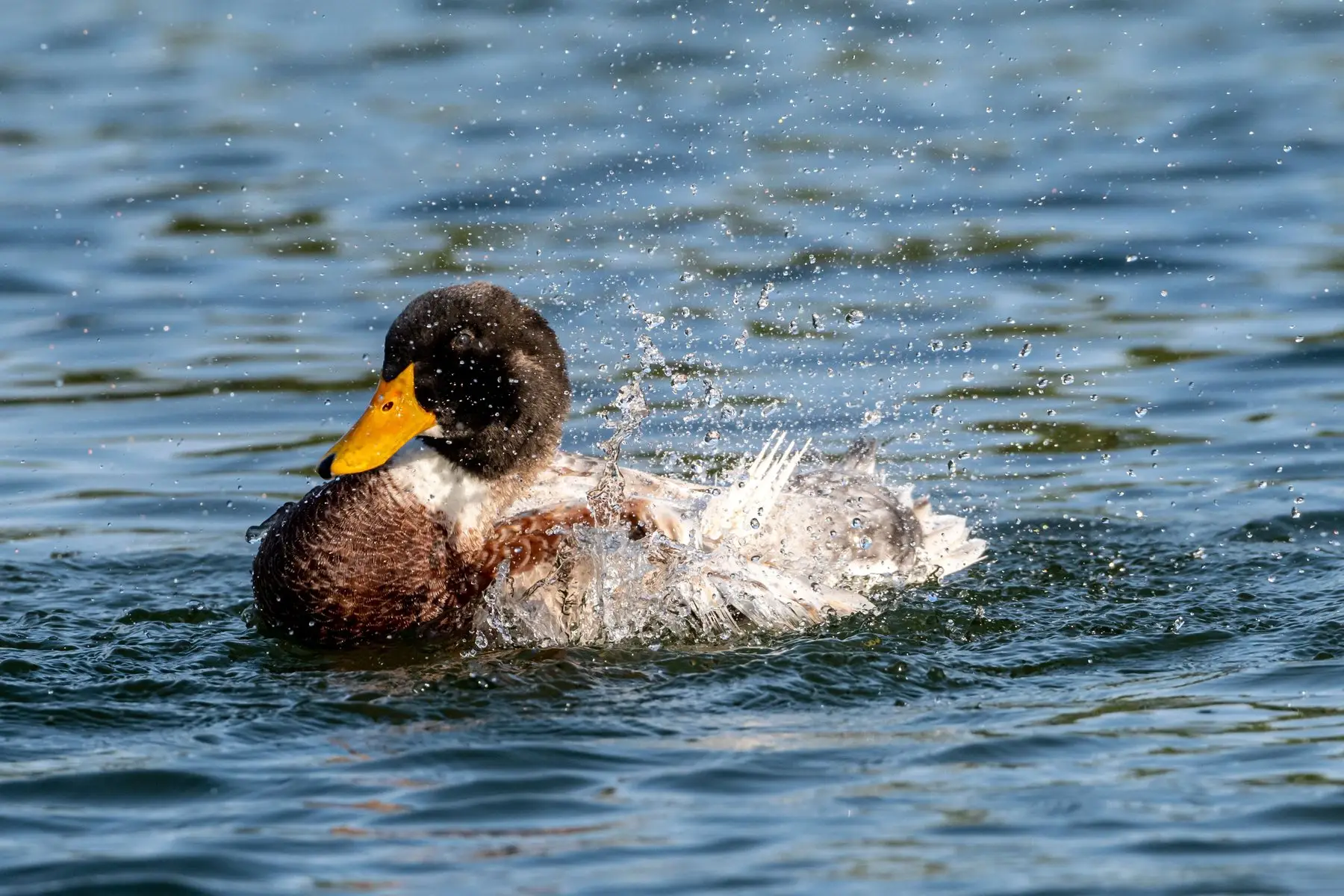
Why Do Ducks Like Water? Six Jobs It Does for Them
Water is not recreation for a duck. It waterproofs feathers, flushes eyes and nostrils, cools, feeds, and makes mating safe. What they actually need.
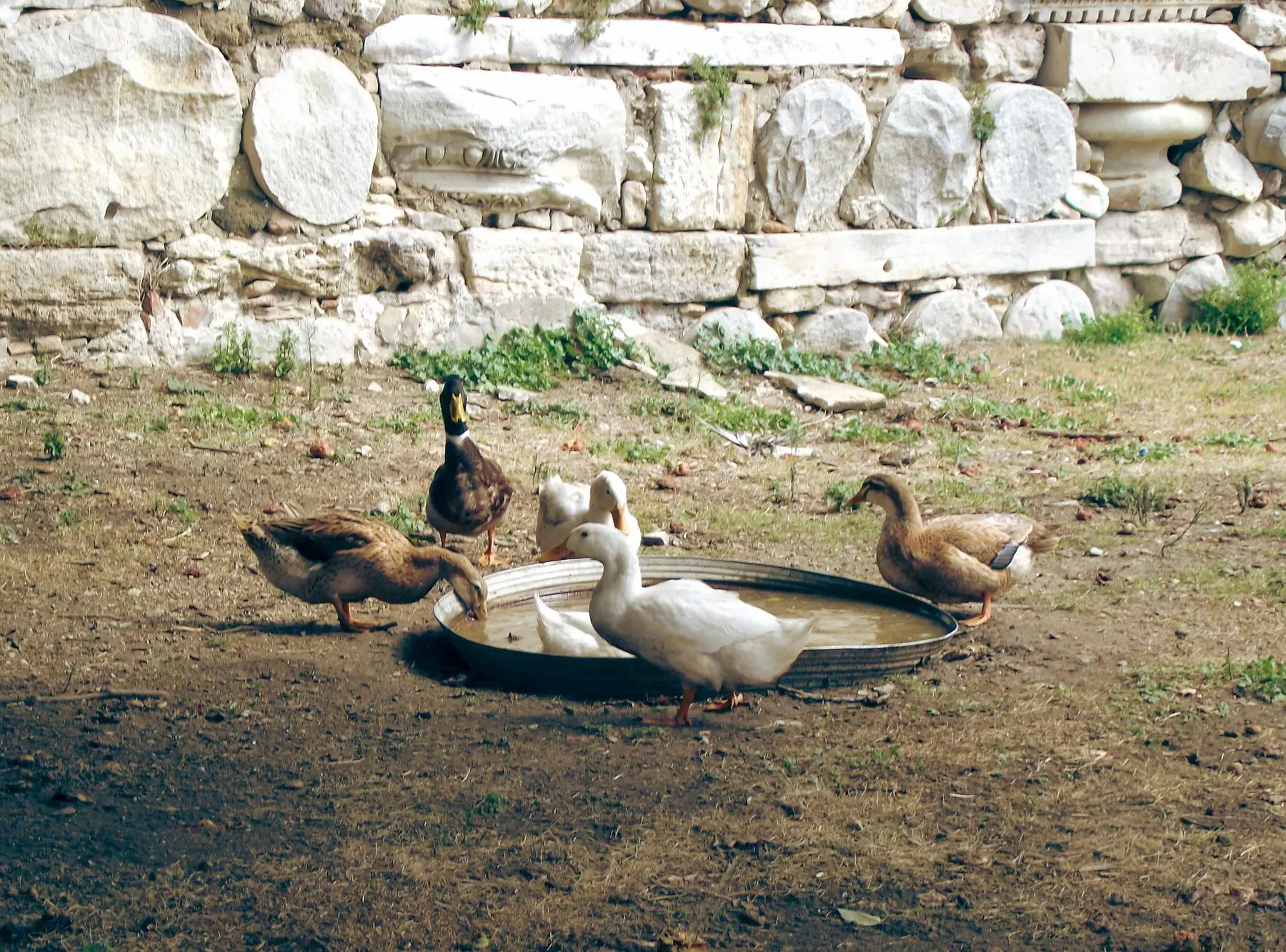
Do Ducks Need Water at Night? Drinking vs Swimming
Ducks need drinking water available overnight if they also have food, but swimming water can be taken away. The safety reasons for splitting the two.
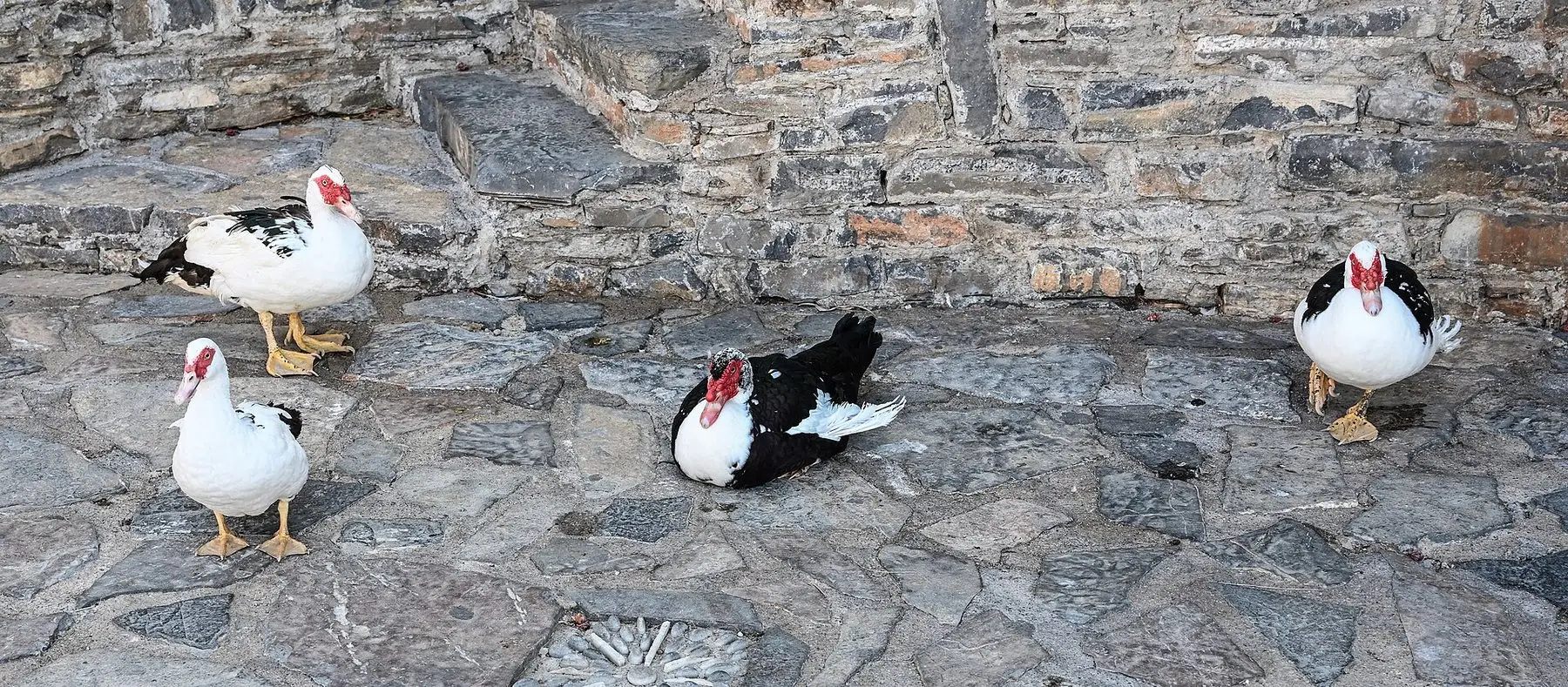
Do Ducks Need a Pond? What They Actually Require
Ducks do not need a pond, but they do need water deep enough to submerge their heads. What that means in practice, and what happens without it.
How to Keep Ducks Out of a Pool — 4 Humane Measures
How to keep ducks out of a pool: cover it, then break the habit. 4 humane measures compared on how long each lasts. See which suits your pool.