
Why Do Ducks Like Water? Six Jobs It Does for Them
Water is not recreation for a duck. It waterproofs feathers, flushes eyes and nostrils, cools, feeds, and makes mating safe. What they actually need.
 By
On this page
It is maintenance, not recreation. Water does six distinct jobs for a duck, and most of them have no substitute — preening, flushing the nostrils and eyes, feeding, cooling, and making mating safe.
The six jobs
| What it does | Substitute? | |
|---|---|---|
| Preening | Spreads preen-gland oil, re-zips feather barbs | None |
| Nostrils | Clears feed and dirt from the nares | None |
| Eyes | Flushes them | None |
| Feeding | Dabbling and filtering — how the bill works | Partial |
| Cooling | Sheds heat in a bird that copes badly with it | Shade, airflow |
| Mating | Takes the drake’s weight, protects the hen | Land, with risk |
Three of those have no substitute at all, which is why “ducks like water” undersells it.
Waterproofing is the one people miss
A duck is not waterproof by default. It is waterproof because it maintains itself.
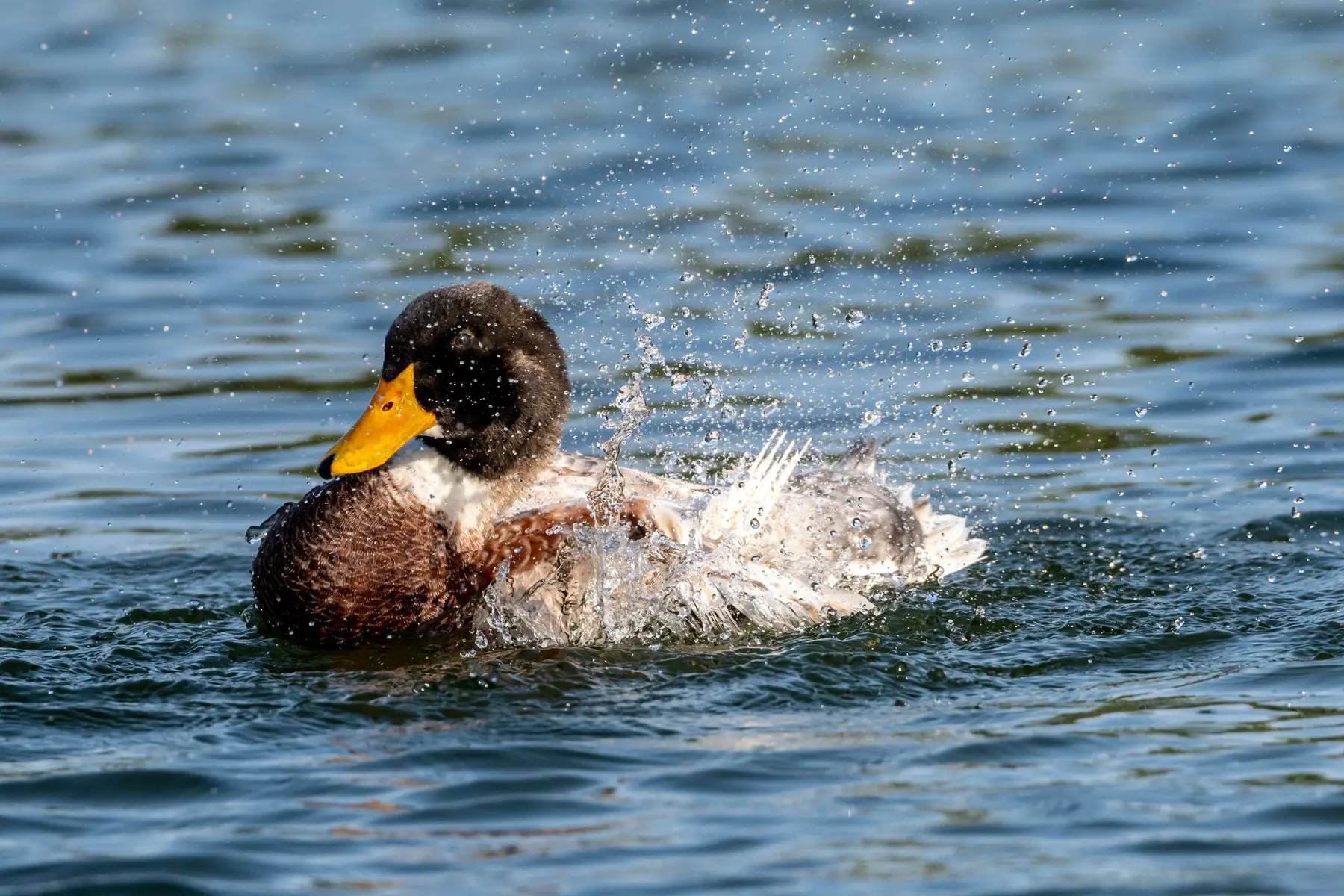
Preening does two things at once: it works oil from the uropygial gland at the base of the tail through the plumage, and it re-zips the tiny barbs that hold each feather’s surface together. Both are needed for the feather layer to shed water and trap insulating air.
A duck that cannot preen properly gets wet to the skin
Without enough water to bathe in, plumage condition falls away — and a duck whose feathers have stopped shedding water gets cold and soaked through.
That is a welfare problem and in cold weather a serious one, not simply an untidy-looking bird.
Why they dunk their heads
Because nothing else clears the nostrils.
A duck’s nares block with feed and dirt, and submerging is the only way it has of flushing them. The same goes for its eyes.
This sets the minimum, even with no pond
Drinking water must be deep enough for the whole head to go under — a tub, a trug, a deep bucket.
A nipple-only or shallow supply keeps a duck hydrated and leaves it unable to do something it needs to do every day. It is the commonest mistake in duck housing.
Mating
Worth stating because it has a practical consequence.
Drakes are heavy and persistent, and on land a mating can injure the hen — especially where several drakes share one female. Water takes the weight and lets her move away.
Most domestic breeds will mate on land if that is all there is. Providing water of bathing depth through the breeding season is a welfare measure, not a luxury.
Ducklings are the exception
They need drinking water deep enough to dunk the head from day one — and not swimming water.
A duckling raised without a mother has very little waterproofing oil of its own, and becomes waterlogged and chilled quickly.
Supervised, shallow, brief, and dried off in a warm brooder afterwards, until they are properly feathered.
Common questions
Why do ducks like water so much?
Why do ducks dunk their heads in water?
Do ducks need a pond?
What does water have to do with waterproof feathers?
Why do ducks mate on water?
Do ducklings need water to swim in?
Backyard Weekly
Know what to plant, week by week
Join the weekly email for seasonal jobs, fixes for what is going wrong, and gear worth buying.
Not ready to subscribe? The planting calendar is free and needs no email.
By subscribing you agree to our privacy policy. Grow In Backyard will never sell your address.
Keep reading
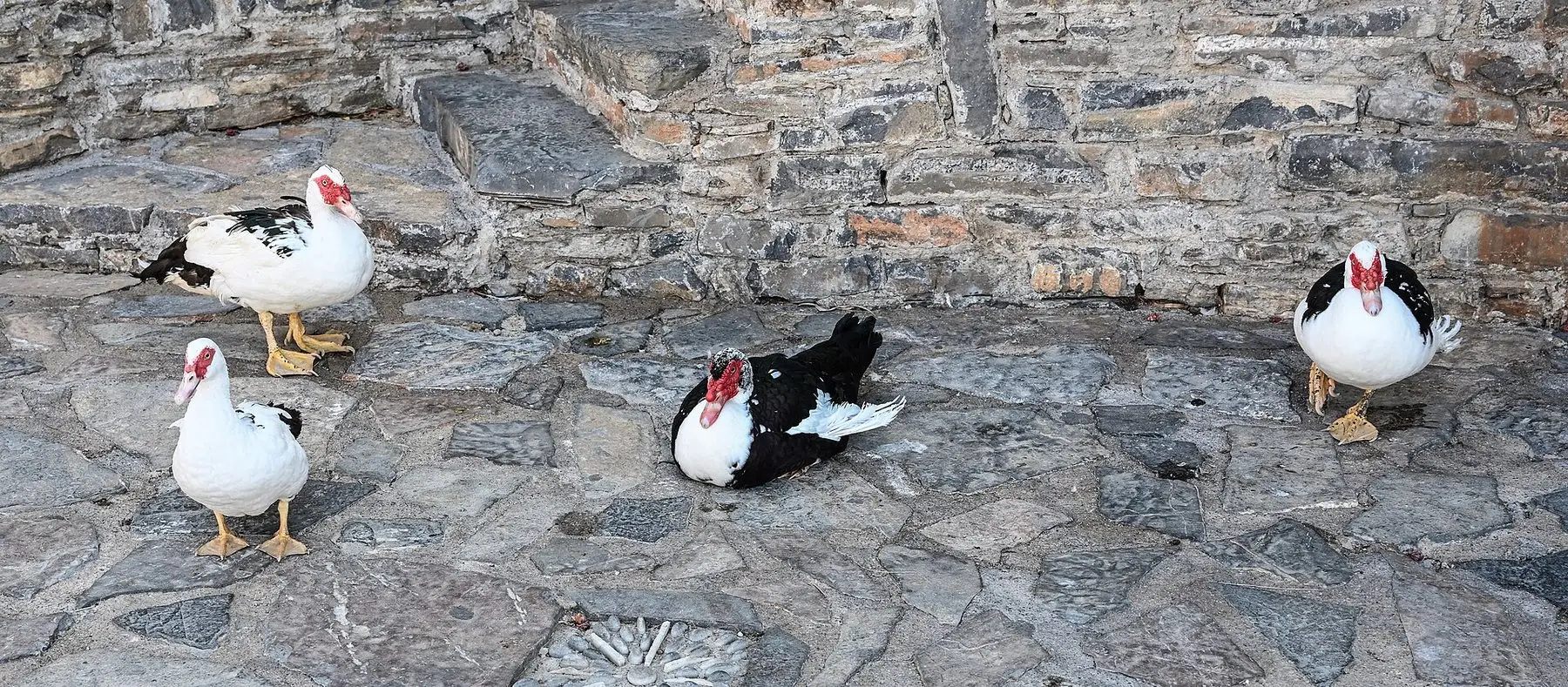
Do Ducks Need a Pond? What They Actually Require
Ducks do not need a pond, but they do need water deep enough to submerge their heads. What that means in practice, and what happens without it.
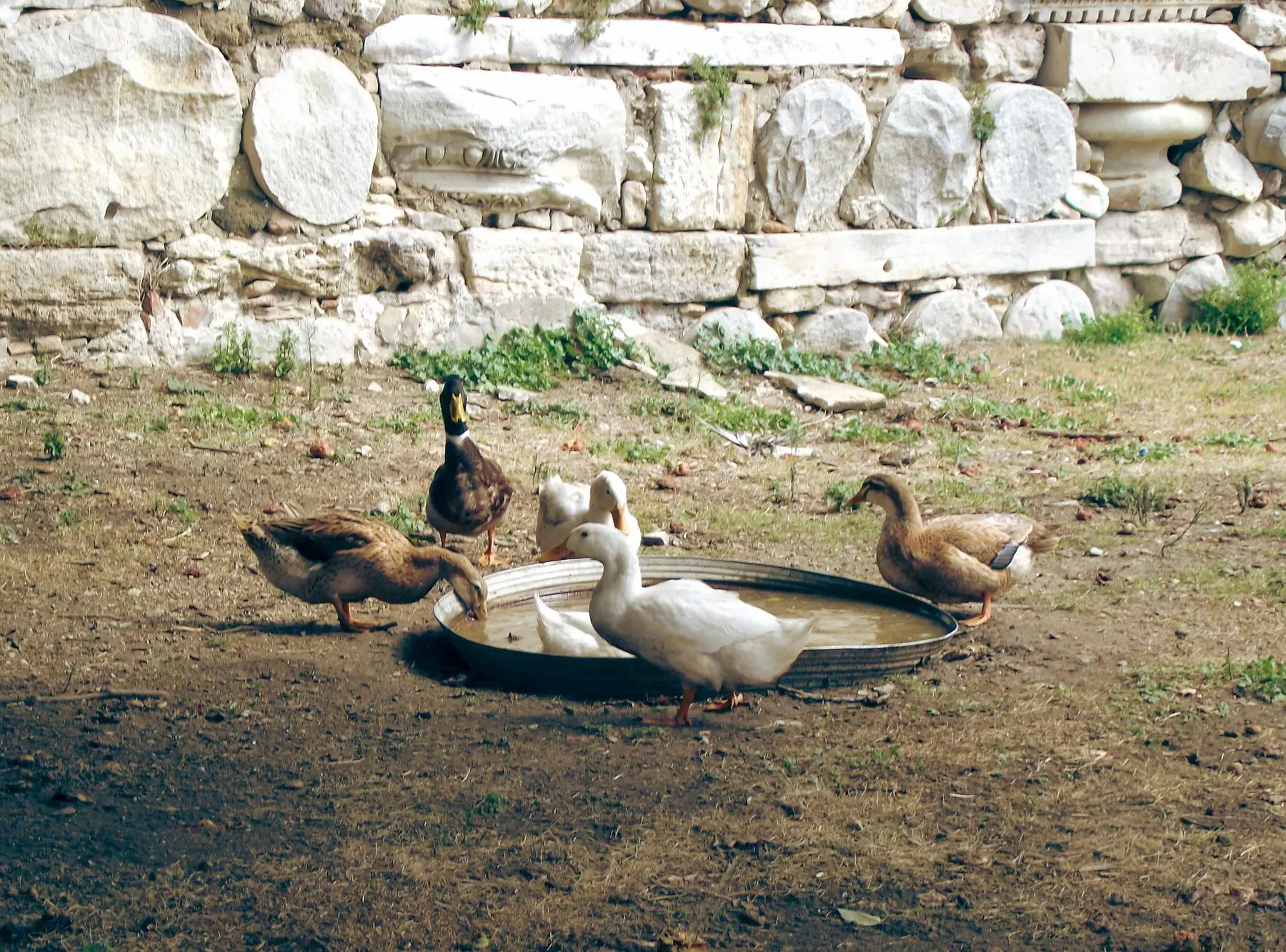
Do Ducks Need Water at Night? Drinking vs Swimming
Ducks need drinking water available overnight if they also have food, but swimming water can be taken away. The safety reasons for splitting the two.
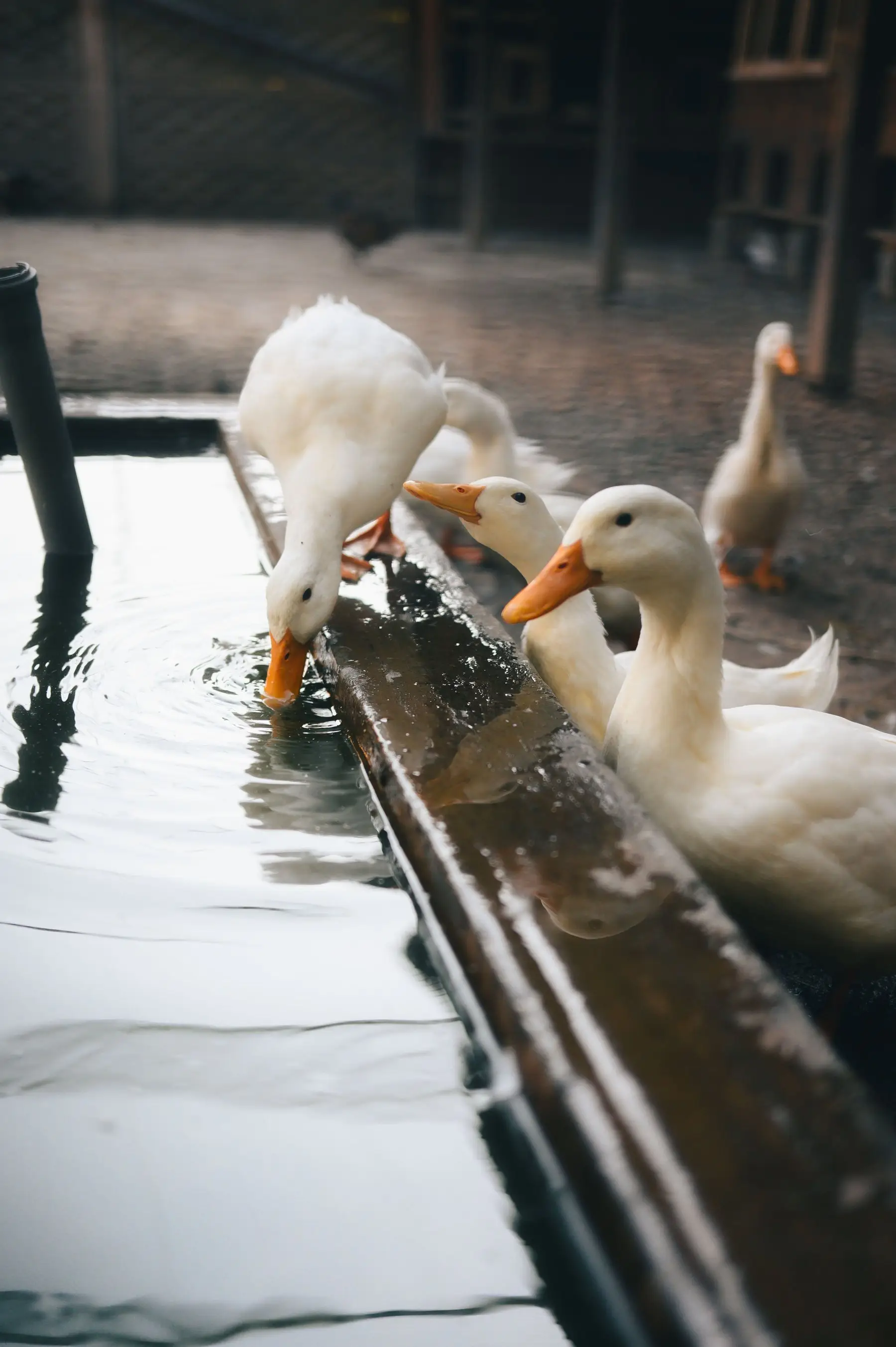
How to Keep Ducks From Spilling Water: What Actually Works
Ducks will always make a mess of water — it is how they feed and clean. Waterer setups that contain the mess without taking away what they need.
Are Ducks Afraid of Owls? Yes — But Decoys Stop Working
Ducks genuinely fear great horned owls, which hunt them. A plastic owl works for days, then becomes furniture unless you keep moving it.