
Why Are Squirrels' Tails Fluffy? Five Jobs at Once
The tail is a balance pole, a parachute, a blanket, a sunshade and a signal flag. Why the hair is loose rather than dense, and what a thin tail means.
 By
On this page
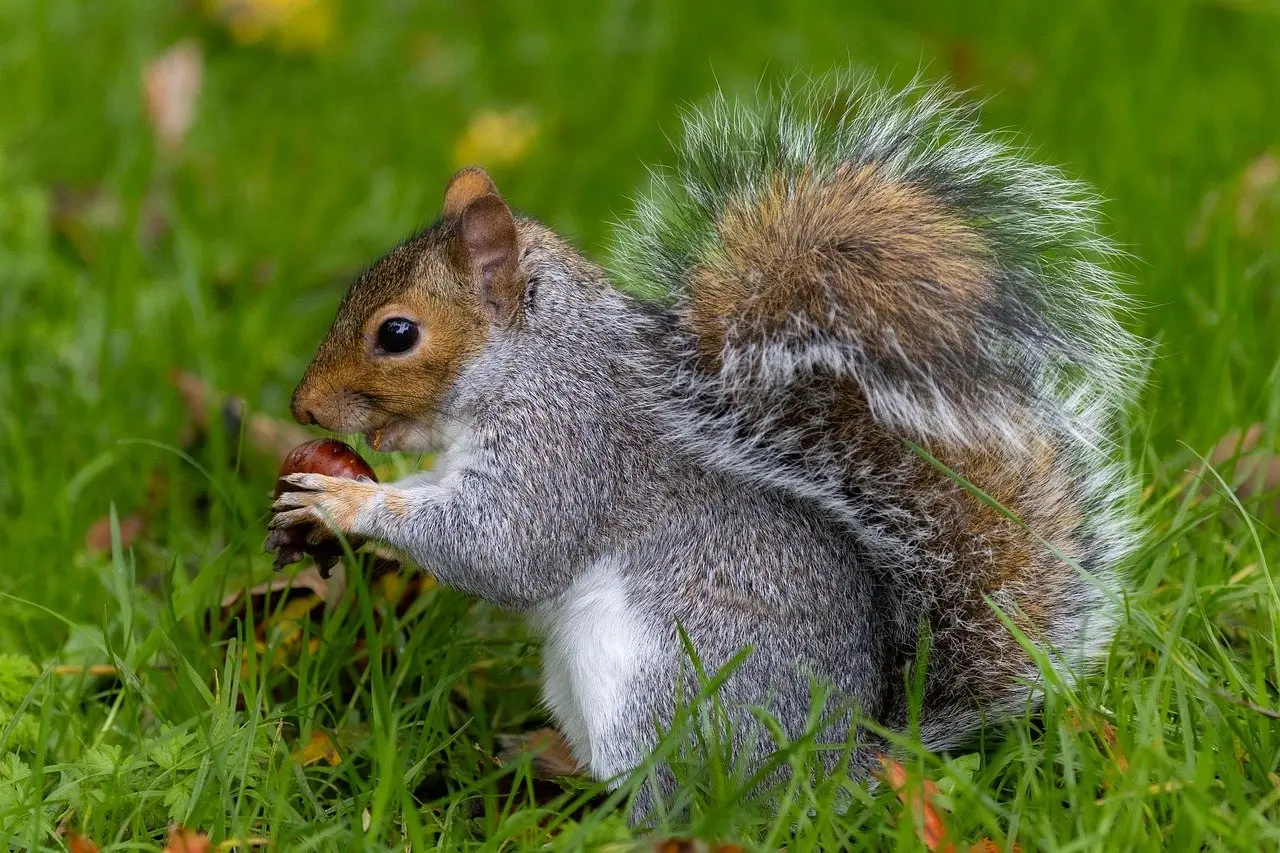
The tail is fluffy because surface area is the point. Long, loosely packed hair spreads into a wide, light fan — and a fan is what a counterweight, a parachute, a blanket, a parasol and a signalling flag all need.
The five jobs
| job | how the fluff helps |
|---|---|
| Balance | a wide, light mass swung to counter shifts in the centre of gravity |
| Falling | spread hair adds drag; squirrels survive falls that should injure them |
| Warmth | wrapped over the back and head at rest, it traps a layer of still air |
| Cooling | arched over the body as shade; blood flow through it dumps heat |
| Signalling | a big visible flag that reads clearly at distance |
Dense, plush fur — a mole’s, say — would insulate better per gram. It would also be heavy, narrow and useless as a counterweight or a flag. The loose arrangement is a compromise that serves five purposes adequately rather than one perfectly.
Balance is the primary one
Watch a squirrel run a fence rail and the tail is never still. Every change of direction is preceded and accompanied by a tail movement in the opposite sense, which keeps the combined centre of mass over the rail.
It matters most in the places squirrels actually live: twig-thin branch ends, wires, gutters and roof edges, where a mistake is a long fall.
Why the falls do not kill them
A spread tail adds drag, a squirrel’s low body weight means a low terminal velocity, and the loose splayed posture they adopt spreads the impact. Squirrels routinely survive falls from heights that would badly injure a heavier animal.
The thermal pair
- Cold: the tail comes forward over the back and head, and the squirrel curls under it. In a drey, with two or three animals sharing, this is a real part of how they get through a northern winter without hibernating
- Heat: the tail arches over the back as shade, and blood flow through it increases so heat is lost from the skin. A squirrel splooting flat on cool concrete with its tail up is doing both at once
The flag
Tail flicks are the most visible thing a squirrel does, and they are aimed:
- At a predator — “I have seen you”, which makes stalking pointless
- At other squirrels — alarm, or a territorial warning
- At a rival at a feeder or over a cache
A squirrel flicking its tail at you has made a decision about you.
When the tail looks wrong
| appearance | likely cause |
|---|---|
| Sparse and uneven for a few weeks | moult — happens twice a year |
| Thin tail and thin, crusted body coat | mange mites |
| Short stump, healed | old injury or an escape from a predator |
| Bare, dark, dried section at the tip | degloving injury, the skin lost and the rest drying |
The detachable skin is deliberate. A hawk or a cat that closes on the tail ends up with a handful of fur sleeve and no squirrel, and the exposed bone dries and drops off. It costs the animal balance and both thermal functions, and plenty of three-quarter-tailed squirrels live out normal lives anyway.
A squirrel that is thin in the body, slow, and losing coat over the back as well as the tail is a different matter — that is a case for a licensed wildlife rehabilitator, not for home treatment.
Common questions
Why are squirrels' tails so fluffy?
What is a squirrel's tail actually for?
Can a squirrel survive losing its tail?
Why does my squirrel's tail look thin or ratty?
Do squirrels use their tails as umbrellas?
Why do squirrels flick their tails?
Backyard Weekly
Know what to plant, week by week
Join the weekly email for seasonal jobs, fixes for what is going wrong, and gear worth buying.
Not ready to subscribe? The planting calendar is free and needs no email.
By subscribing you agree to our privacy policy. Grow In Backyard will never sell your address.
Keep reading
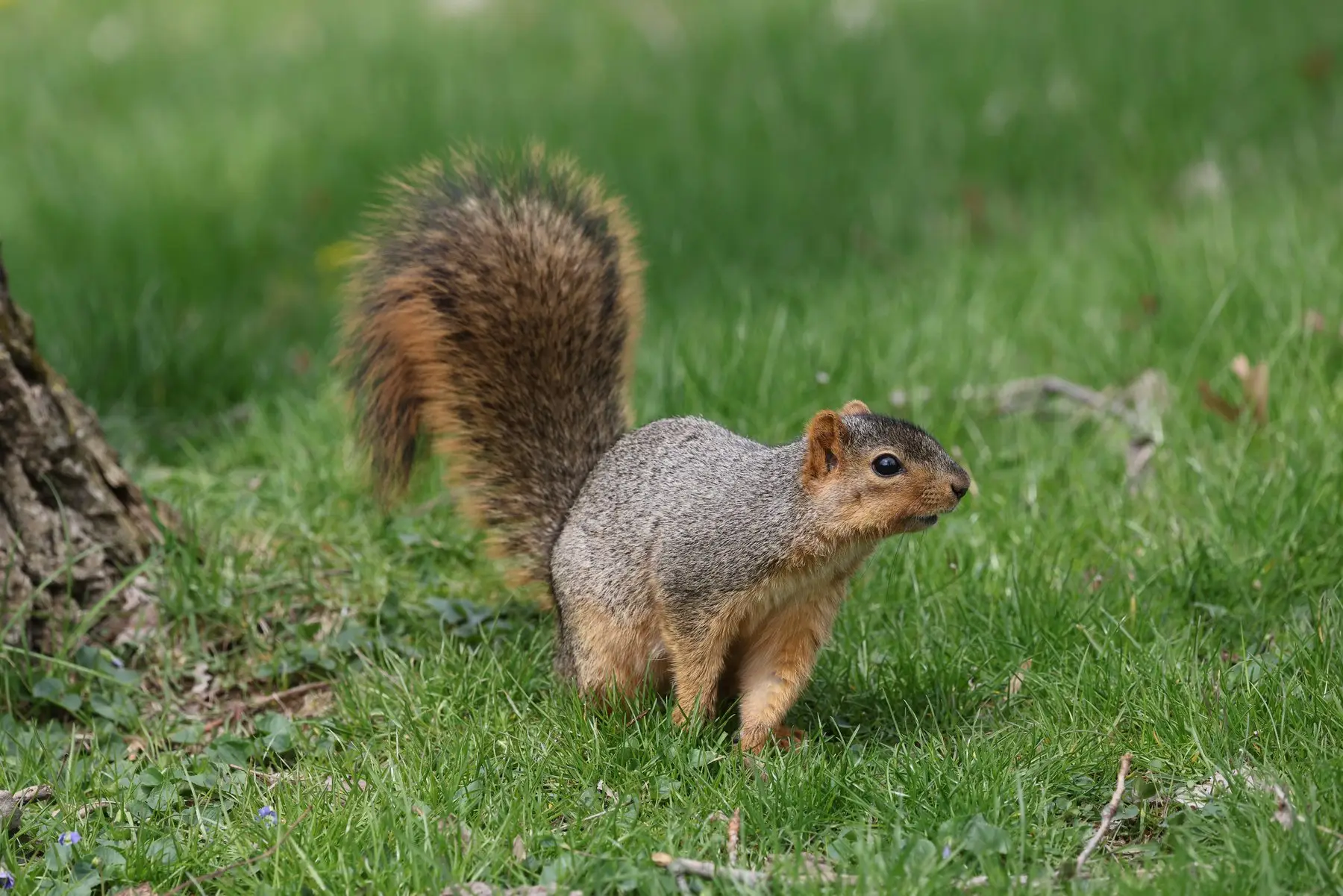
Why Do Squirrels Wag Their Tails? It's an Alarm Signal
Tail flagging is mostly a warning — to predators that they've been seen, and to other squirrels. It also signals frustration and territory.
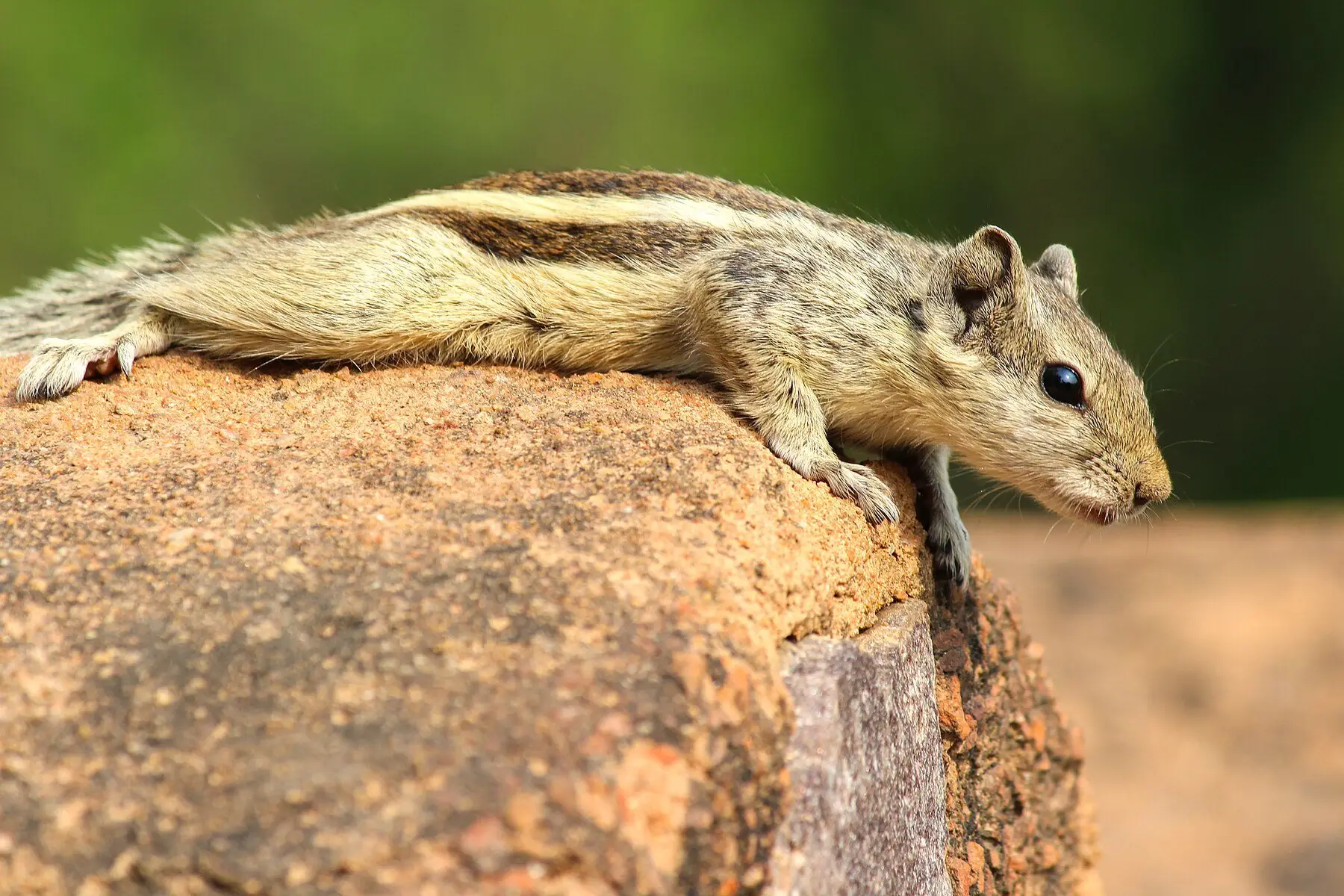
Why Do Squirrels Lay Flat? Splooting Explained, and When to Worry
Splooting is usually heat management, but the same posture can mean something is badly wrong. How to tell the two apart at a glance.
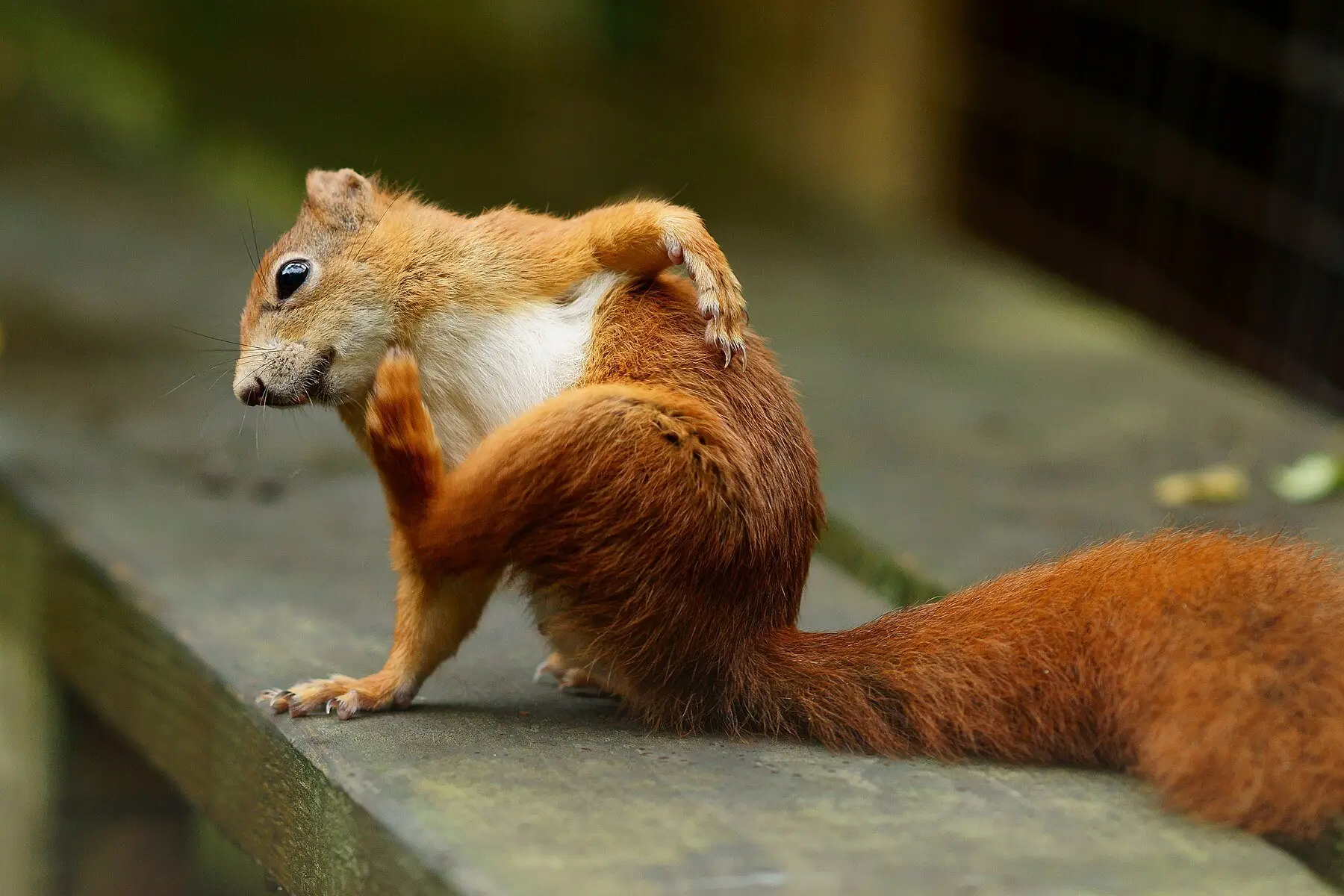
Do Squirrels Have Fleas? And Can They Reach Your Pets?
Squirrels carry fleas, lice, mites and ticks, but squirrel fleas rarely settle on cats and dogs. The real risk is a nest left in a roof.
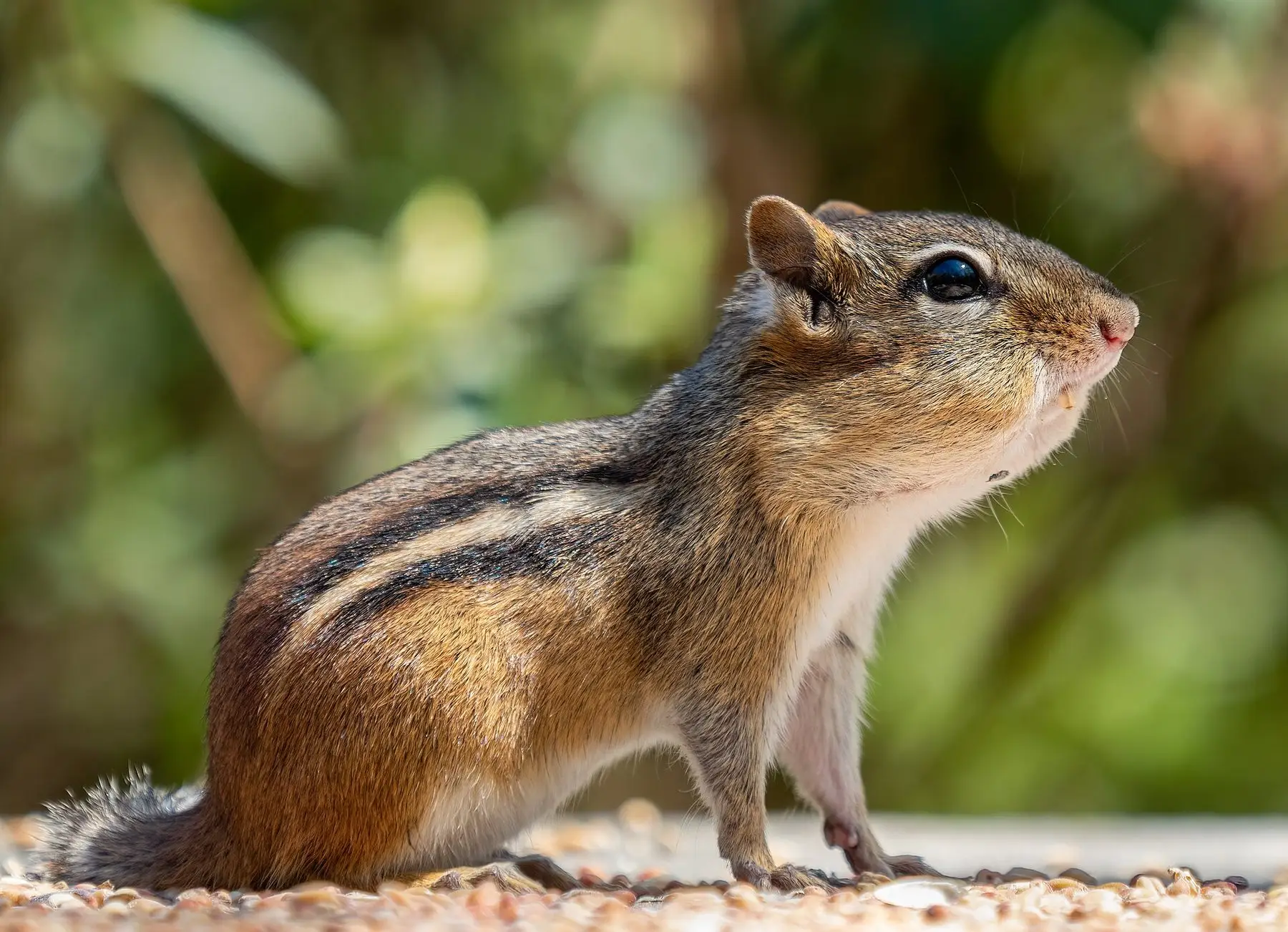
Why Do Chipmunks Chirp? What Each Sound Actually Means
Three different calls for three different threats, and most people hear them as one noise. How to read the chip, the chuck and the trill.