
Where Do Backyard Birds Go at Night?
Most roost in dense cover, not in nests. Where each garden species sleeps, why nests are empty outside breeding season, and how to help.
 By
On this page
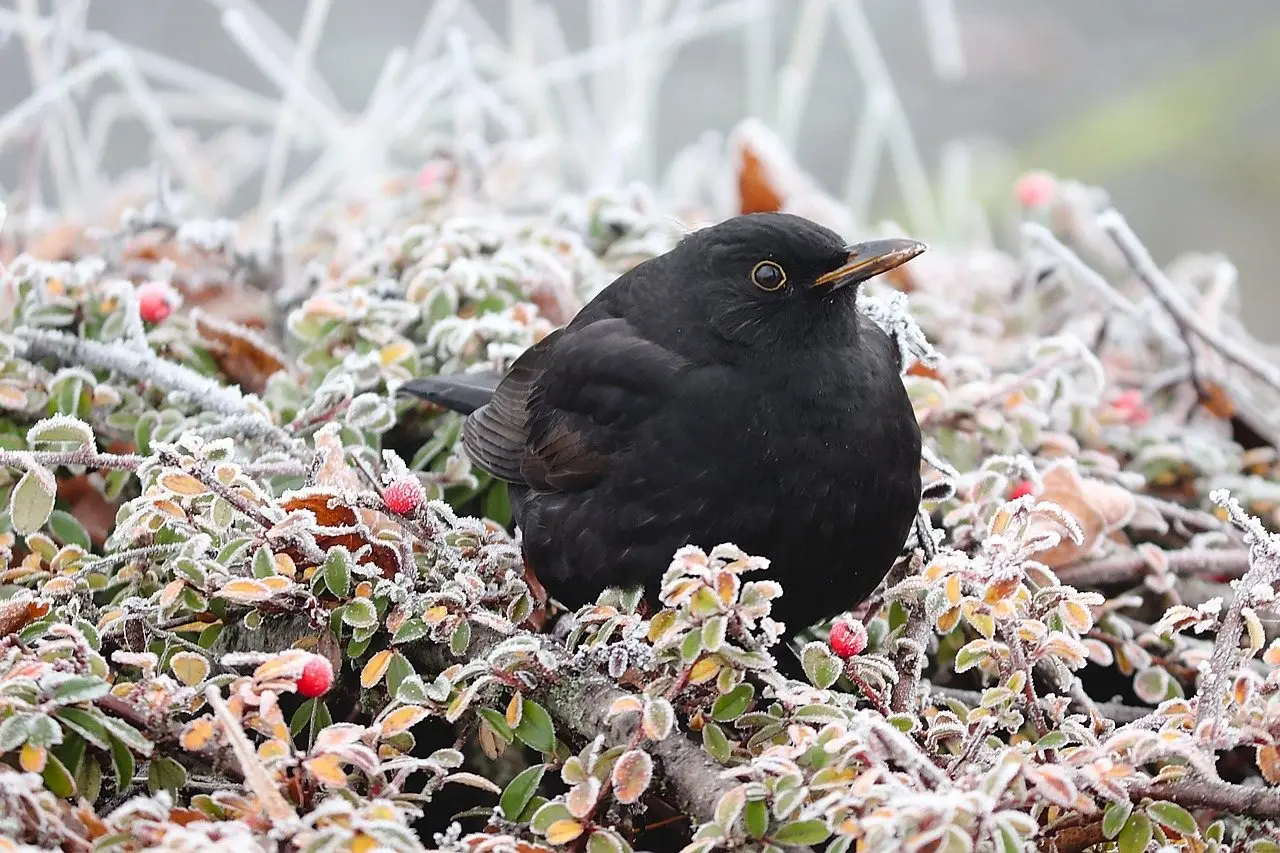
Most garden birds sleep in dense cover, not in nests — and the distinction between a nursery and a bedroom explains nearly every question people have about this.
Where each group sleeps
| bird | overnight roost |
|---|---|
| Wren | Cavities, boxes, crevices — communally in cold weather |
| Tits and chickadees | Cavities, nest boxes, dense evergreen |
| Robin | Dense shrub or hedge interior, ivy |
| Blackbird and thrushes | Dense shrubs, hedges, evergreens |
| Sparrows | Thick hedges, ivy, building crevices — communal and noisy |
| Finches | Dense conifer and hedge interiors |
| Starlings | Large communal roosts — reedbeds, woodland, structures |
| Doves and pigeons | Branches, ledges, building structures |
| Crows and jays | Tall trees, often communal in winter |
Why nests are empty at night
A nest is built for a clutch and it stops being useful the moment the young leave. By then it is usually flattened, soiled and carrying mites and fleas. That is why:
- An old nest can be cleared in autumn without displacing anything
- Birds do not “go home” to nests in the evening
- Finding an empty nest in winter means nothing is wrong
Winter changes the priorities
- Wind shelter and thermal mass matter more than concealment
- Communal roosting for shared warmth — wrens are the extreme case
- Fluffing up to trap insulating air; bill and one leg tucked in
- A slight overnight drop in body temperature to save energy
- Cavities get far more use, which is the argument for leaving boxes up
Leave nest boxes up over winter, cleaned
Clear the old nest material out in autumn — it carries mites and fleas — and leave the box in place. A roosting pocket, with a low entrance and internal perches, gets used more readily than a standard nest box in cold weather.
Making a garden better to sleep in
- Keep dense evergreen cover — this is the single biggest thing
- Let ivy grow on a wall or fence
- Leave hedge bases and brambles untidied
- Leave boxes up, cleaned
- Keep cats in at dusk and dawn. A known roost with a cat patrolling it is a trap, and it undoes everything else on this list
Common questions
Where do garden birds actually sleep?
Do birds sleep in their nests?
Where do birds sleep in winter?
Do birds use birdhouses to sleep in?
Why do I hear birds at night if they are asleep?
How do I make my garden better for roosting birds?
Backyard Weekly
Know what to plant, week by week
Join the weekly email for seasonal jobs, fixes for what is going wrong, and gear worth buying.
Not ready to subscribe? The planting calendar is free and needs no email.
By subscribing you agree to our privacy policy. Grow In Backyard will never sell your address.
Keep reading
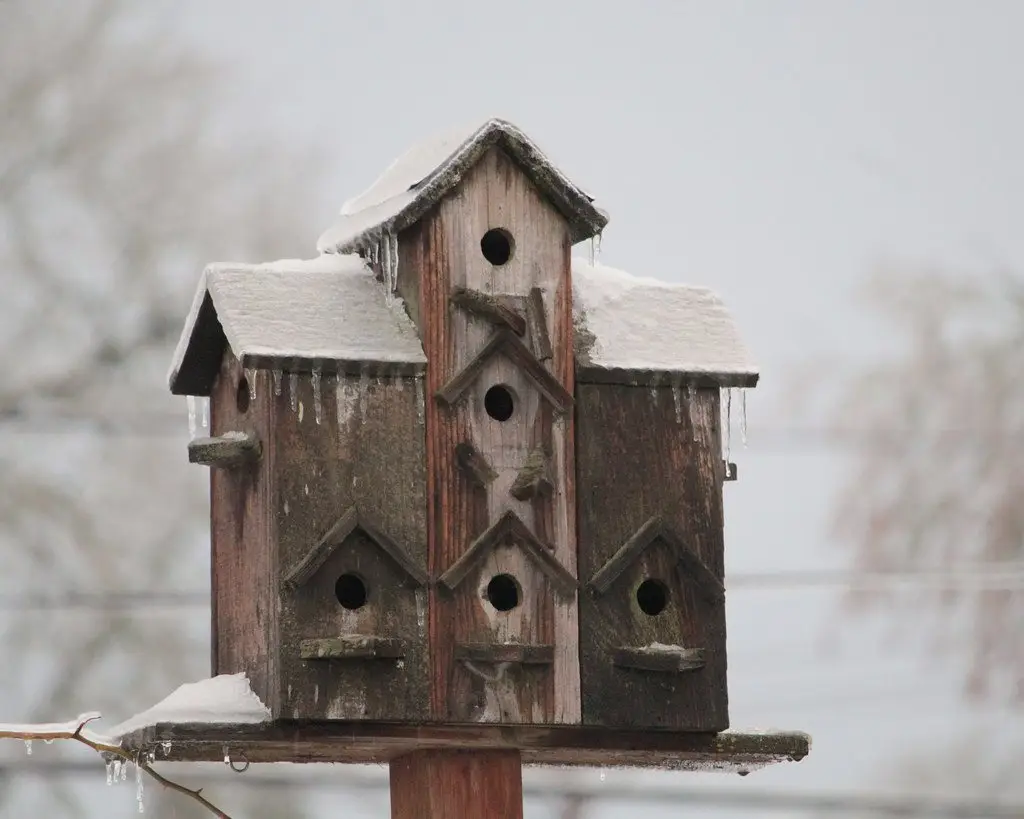
Do Birds Use Birdhouses in Winter? Yes — as Roosts, Not Nests
Birds shelter in boxes overnight through winter, sometimes a dozen at once. Why you should leave boxes up, and the two changes that make one a better roost.
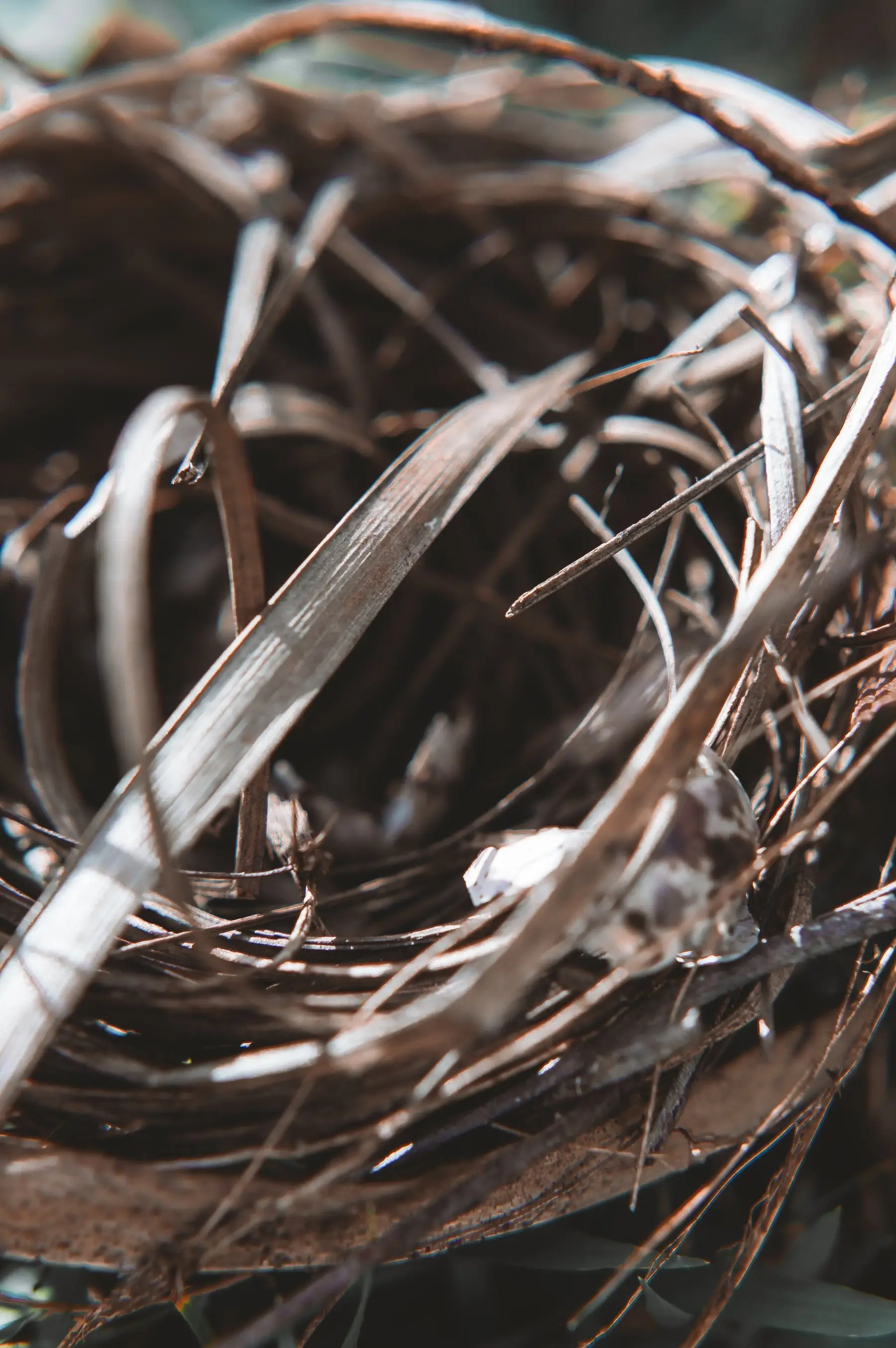
Do Birds Return to the Same Nest? Usually the Site, Not the Nest
Most songbirds build fresh each time, but return to the same territory year after year. Which species reuse nests, and what that means for your boxes.
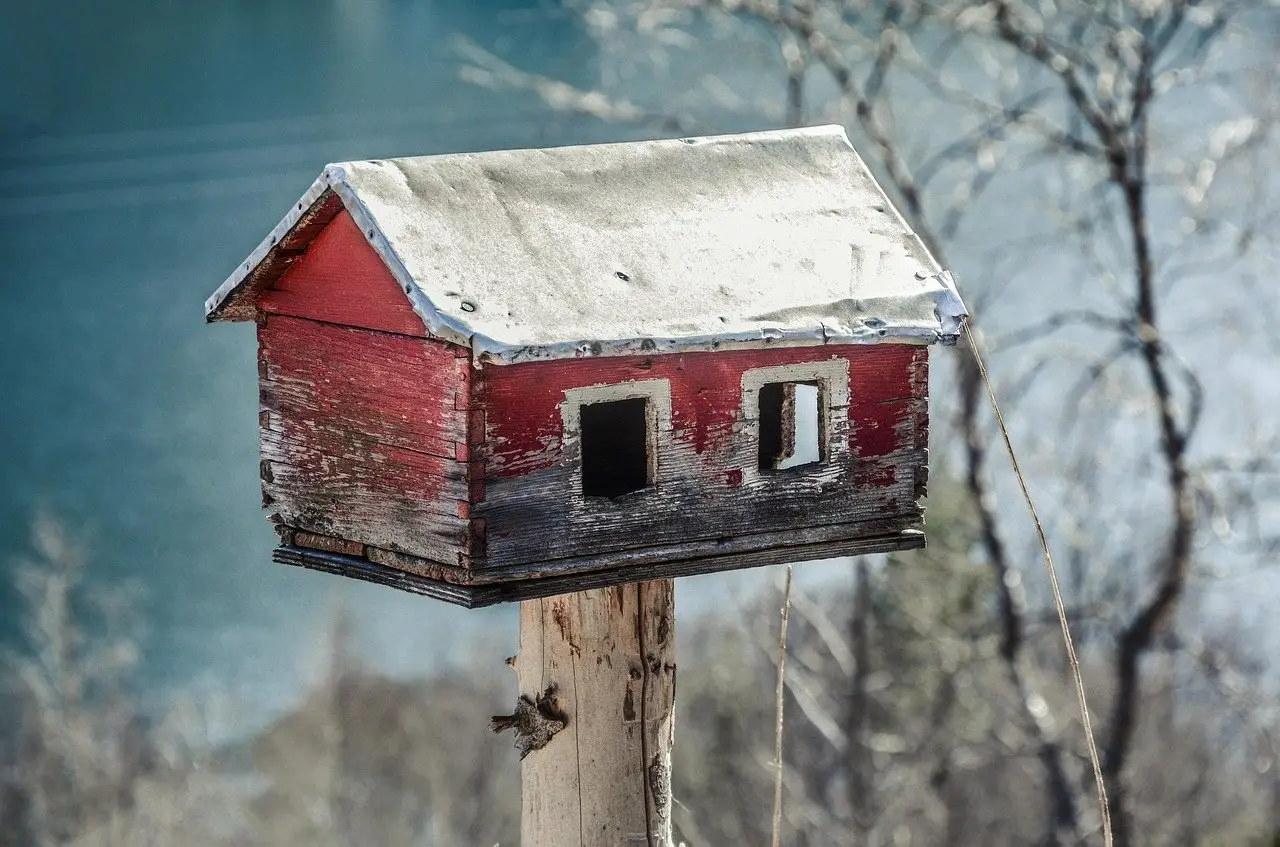
Best Wood for a Birdhouse: Cedar, Pine and What to Avoid
Untreated cedar is the right default for a birdhouse. Why pine is the budget pick, and the woods and finishes that make a box unsafe or short-lived.

8x42 or 10x42 for Bird Watching? 8x42 for Almost Everyone
Wider field, steadier image, brighter in low light — 8x wins on everything but reach. When 10x42 is the right call instead.