
8x42 or 10x42 for Bird Watching? 8x42 for Almost Everyone
Wider field, steadier image, brighter in low light — 8x wins on everything but reach. When 10x42 is the right call instead.
 By
On this page
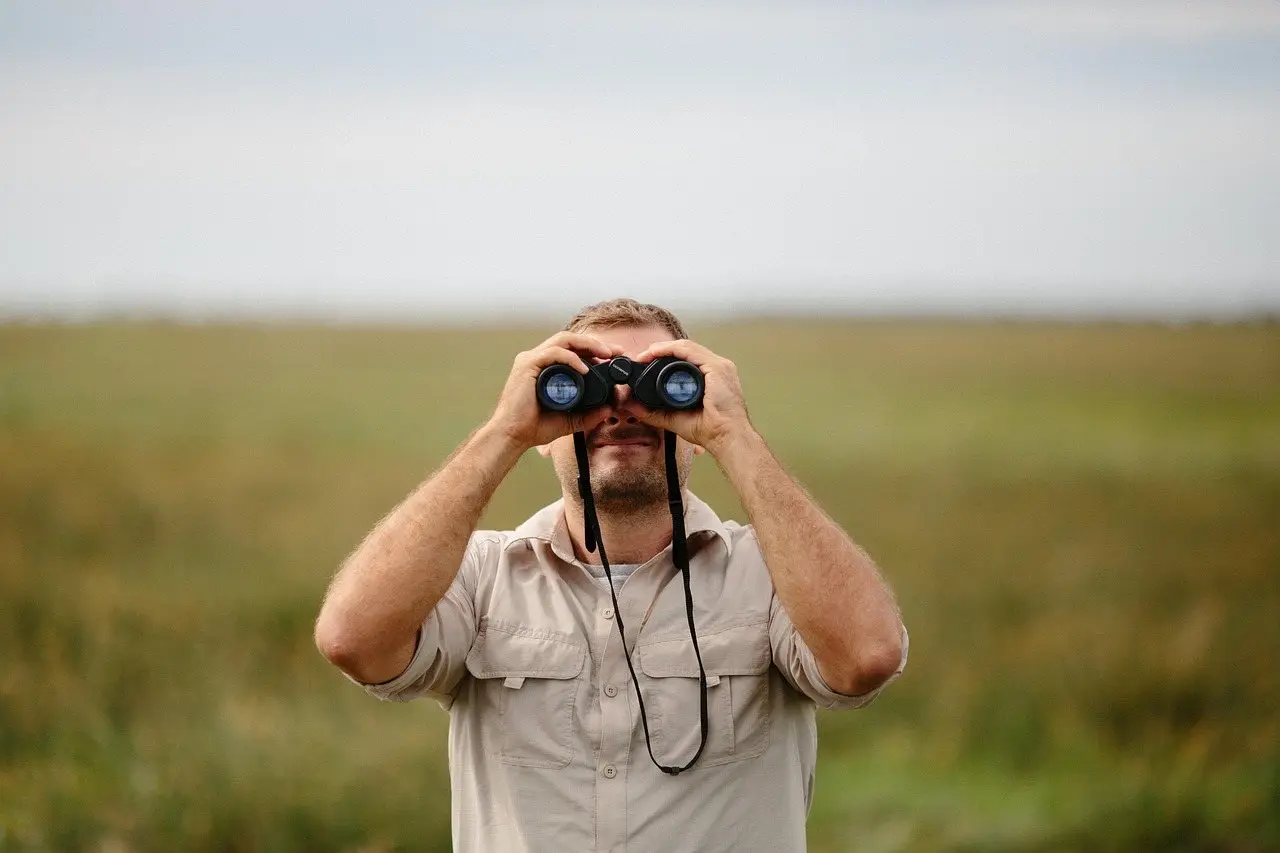
8x42 is the right answer for most birders, and the reason is not brightness or magnification — it is that a wider field of view is what gets the bird into the glass before it moves.
Side by side
| 8x42 | 10x42 | |
|---|---|---|
| Field of view at 1,000 m | ~140 m | ~110 m |
| Exit pupil | 5.25 mm | 4.2 mm |
| Low light | better | dimmer |
| Hand shake | less visible | magnified |
| Reach on a distant bird | less | better |
| Minimum focus | usually closer | usually further |
| Weight | similar | similar |
Which habitat you actually bird
| where | choose |
|---|---|
| Garden, hedgerow, woodland | 8x42 |
| Mixed, general use | 8x42 |
| Estuary, reservoir, coast | 10x42 |
| Moorland, raptor watching | 10x42 |
| Seawatching from a fixed spot | 10x42 or a scope |
| Dawn and dusk, any habitat | 8x42 |
Exit pupil, in one line
Objective diameter ÷ magnification. A dark-adapted eye opens to about 5–7 mm, so a 5.25 mm exit pupil fills it and a 4.2 mm one does not. In bright sun the eye is at 2–3 mm and the difference disappears.
What to spend the money on instead
- Edge-to-edge sharpness — cheap glass is soft in the outer third, which is where you find birds
- Close focus — under 2.5 m turns binoculars into a butterfly and dragonfly tool as well
- Waterproofing and nitrogen purging — fogged internals end a pair’s life
- Eye relief if you wear glasses — 15 mm or more, with twist-down eyecups
- Weight you will actually carry — the best binoculars are the ones in your hand, not at home
Try both on a moving bird, not a sign
Shops hand you binoculars and point at a label across the room, which tests nothing. The real test is finding a bird moving through a hedge. That is where the extra field of view on an 8x shows, and where a 10x frustrates.
Common questions
Is 8x42 or 10x42 better for birding?
What is the actual difference in field of view?
Does 8x42 really look brighter?
When should I choose 10x42 instead?
Does 10x50 solve the brightness problem?
Is glass quality more important than the numbers?
Backyard Weekly
Know what to plant, week by week
Join the weekly email for seasonal jobs, fixes for what is going wrong, and gear worth buying.
Not ready to subscribe? The planting calendar is free and needs no email.
By subscribing you agree to our privacy policy. Grow In Backyard will never sell your address.
Keep reading

Best Binoculars for Backyard Bird Watching — 6 Picks
For the best binoculars for backyard bird watching, close focus beats magnification. 6 pairs compared across budgets. See which hits yours.
The Great Backyard Bird Count: How to Take Part in 15 Minutes
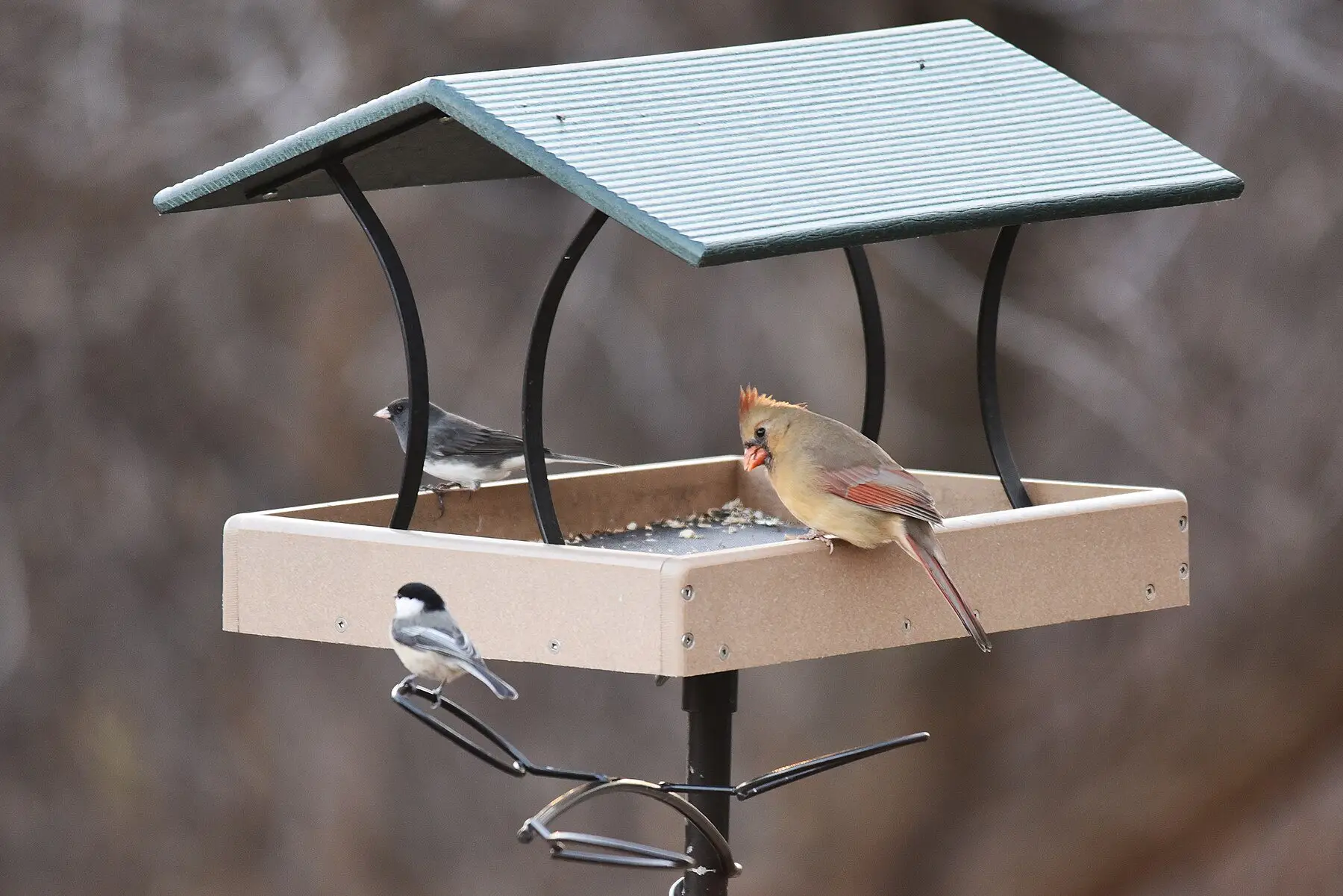
A four-day global bird count each February, free and open to anyone. What to do, which app to use, and how to count without double-counting birds.
The Most Common Backyard Birds, and How to Tell Them Apart
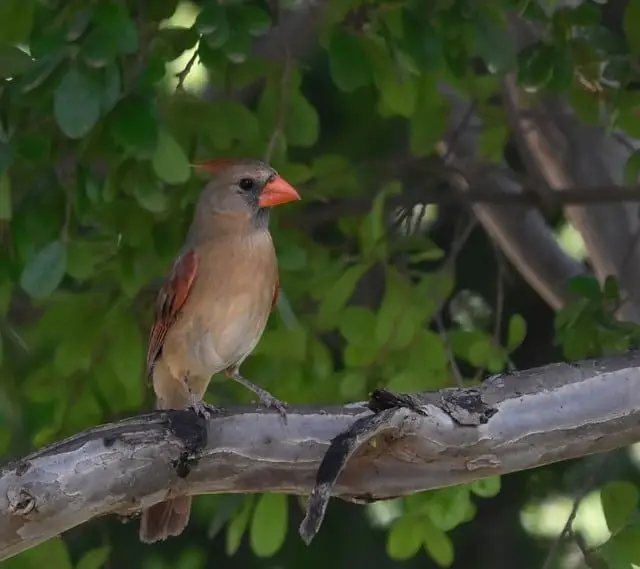
The ten birds you will almost certainly see at a feeder in North America, what each one eats, and the field marks that separate the confusing pairs.
Why Are Birds Destroying My Lawn? They Are Not
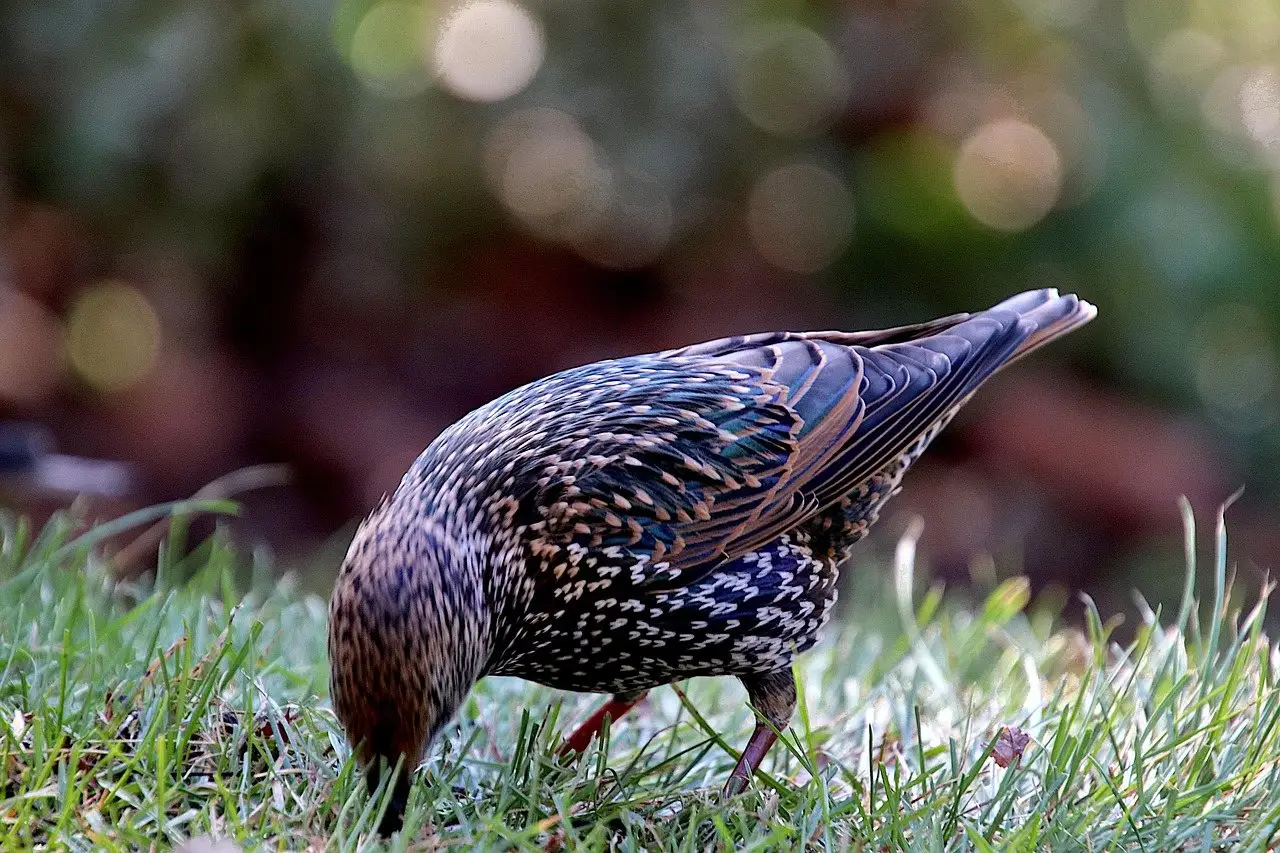
Birds tearing up turf are after grubs underneath. The damage is a symptom of chafer or leatherjacket larvae — treat those, not the birds.