
Why Are Birds Destroying My Lawn? They Are Not
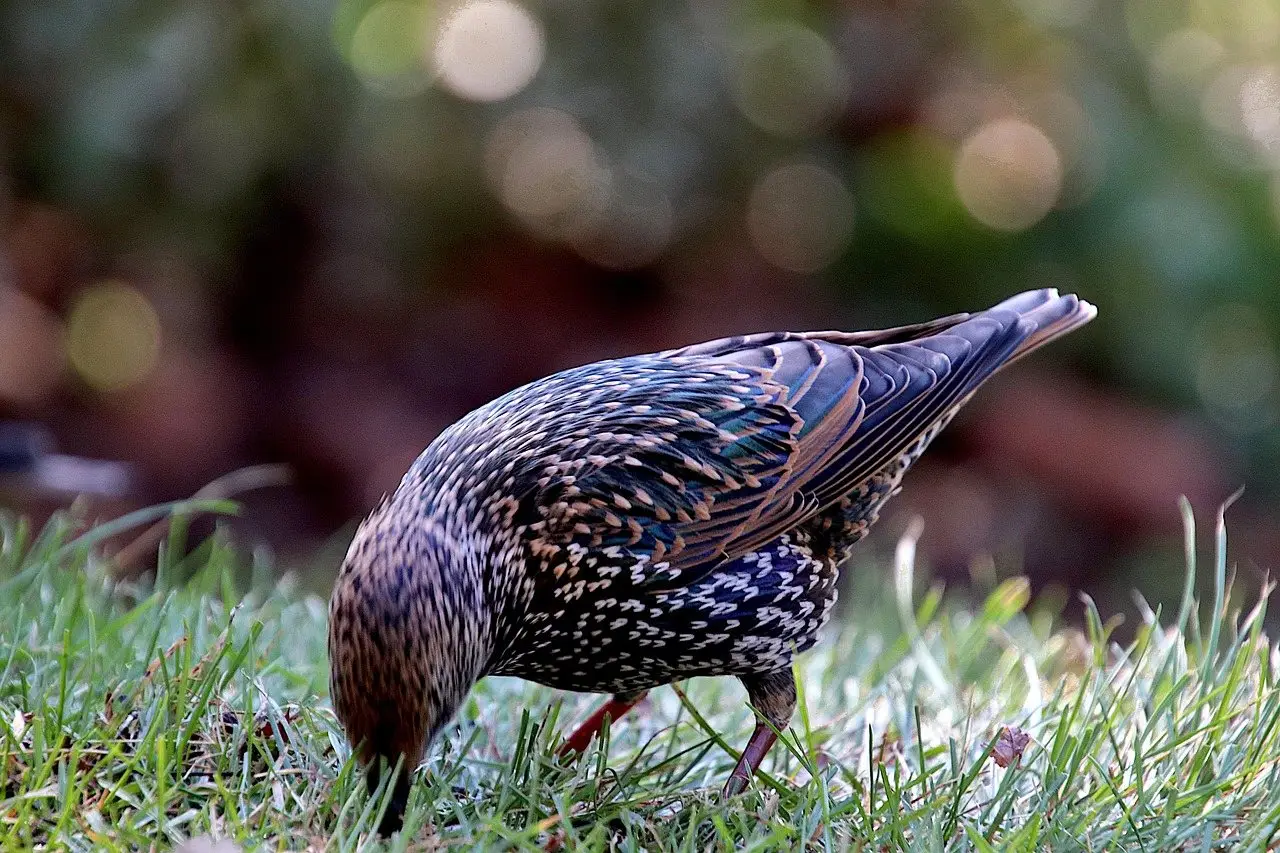
Birds tearing up turf are after grubs underneath. The damage is a symptom of chafer or leatherjacket larvae — treat those, not the birds.
 By
On this page
Birds pulling a lawn apart are after what is under it. The damage is a grub problem that has been going on for weeks, and the birds are the first visible sign.
Confirming it
- Peel back a loosened flap of turf
- Look in the top two inches for C-shaped white larvae with brown heads
- Count per square foot. Over about five is worth treating
- Check the pattern: irregular patches that spread, spongy underfoot, browning early in dry weather because there is no root left
Which grub
| larva | adult | where |
|---|---|---|
| Chafer grub | Chafer beetle | US and UK, widespread |
| Leatherjacket | Crane fly | Wherever crane flies are common |
| Japanese beetle grub | Japanese beetle | Eastern and midwestern US |
| Cutworm | Various moths | Widespread, feeds nearer the surface |
Identification matters because milky spore only affects Japanese beetle grubs — it does nothing to chafers or leatherjackets.
Treating
| option | target | timing |
|---|---|---|
| Heterorhabditis bacteriophora nematodes | Chafer grubs | Late summer–early autumn, warm moist soil |
| Steinernema feltiae nematodes | Leatherjackets | Late summer–autumn |
| Milky spore | Japanese beetle only | Slow; 2–4 years to establish |
Nematodes need moist, warm soil and young larvae near the surface. Applied dry, cold or late, they fail — and the timing is the part people get wrong rather than the product.
Deterring the birds makes it worse
Scare the crows off and the larvae simply mature into next year’s adults, which lay the next generation in the same lawn. The birds are removing part of the problem for free, and their persistence is a reasonable measure of how bad it is.
Repair, after treating
- Firm lifted turf back down and water — much of it re-roots if the crown survived
- Rake out dead material where it is gone
- Loosen the surface, add a thin layer of compost
- Overseed, ideally early autumn
- Water through establishment, and accept a visible season
Reducing the next generation
- Mow at 3–4 inches. Chafer and crane fly adults prefer short, thin turf for laying
- Water deeply and infrequently rather than keeping the surface moist
- Keep the sward dense by overseeding
- Accept a low population. A deep-rooted lawn carries grubs without visible damage, which is usually the difference between a problem and nothing at all
Common questions
Why are birds tearing up my lawn?
How do I know it is grubs and not the birds?
Should I stop the birds?
How do I deal with the grubs?
How do I repair the damage?
How do I stop it happening again?
Backyard Weekly
Know what to plant, week by week
Join the weekly email for seasonal jobs, fixes for what is going wrong, and gear worth buying.
Not ready to subscribe? The planting calendar is free and needs no email.
By subscribing you agree to our privacy policy. Grow In Backyard will never sell your address.
Keep reading
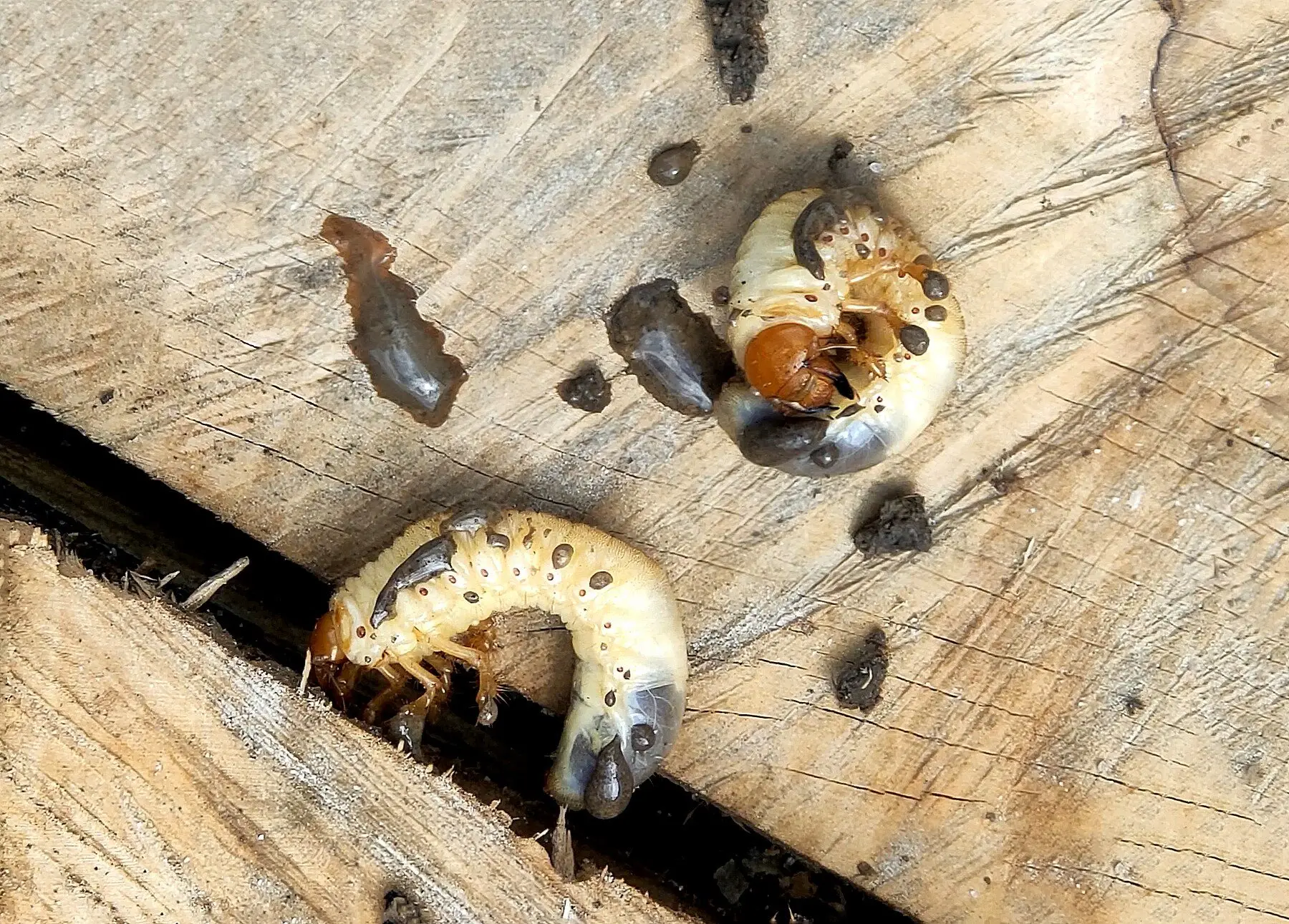
Grub Worm: How to Tell If You Have Them, and When to Treat
Most lawns carry grubs harmlessly. The threshold is 6 to 10 per square foot — how to count them, and why timing matters more than the product.
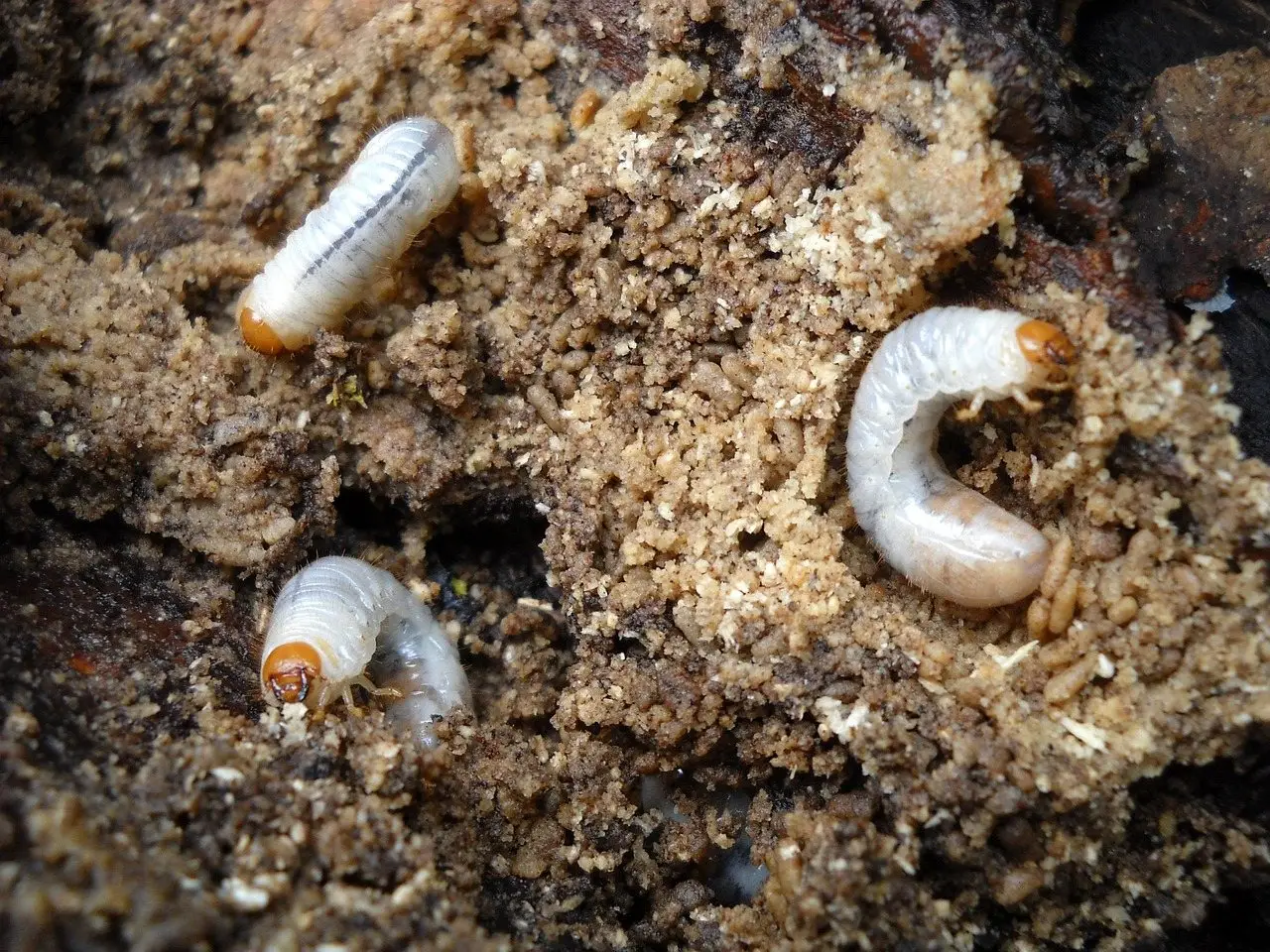
Milky Spore for Grubs: Only Works on Japanese Beetle
Milky spore controls Japanese beetle grubs only, takes two to four years to establish, and does nothing to the other grub species in US lawns.
How to Make a Lawn Green and Thick: The Order That Works
Thick grass comes from mowing height, overseeding and deep watering before fertilizer. The sequence that fixes a thin lawn in one season.
Why Did My Hummingbirds Leave? What Actually Triggers It
Hummingbirds vanish for four different reasons, and only one is migration. Day length drives departure — your feeder has nothing to do with it.